What Is Fibermaxxing? Meaning, Origins, and the Foods Behind It
Fibermaxxing is internet shorthand for making dietary fiber a deliberate meal-planning priority. The word is new; the foods gathered beneath it have many older histories.
Fibermaxxing means deliberately treating dietary fiber as a visible meal-planning metric. The “-maxxing” suffix gives an ordinary nutrition category the language of internet optimization. It can refer to meals built around legumes, grains, vegetables, fruit, and seeds, or to packaged products such as psyllium. It is a cultural label, not one standardized diet.
What Fibermaxxing Means
Fibermaxxing is a social-media term for intentionally prioritizing foods or products labelled as sources of dietary fiber. It borrows the suffix “-maxxing” from online optimization language, where a familiar behavior is reframed as something measurable to increase. The word makes fiber sound like a project: visible, trackable, and shareable.
There is no single fibermaxxing menu. One creator may build a meal around lentils, beans, oats, vegetables, and fruit. Another may focus on packaged bars, powders, or psyllium. Because the term is informal, it describes a cluster of practices rather than a regulated program or agreed target. This page explains the vocabulary and the foods associated with it; it does not provide medical guidance.
Where the “Maxxing” Language Came From
The suffix matters because it reveals how the trend works. “Maxxing” language turns a broad quality into a personal optimization goal. Protein had already been marketed through grams, fortified products, and performance culture, so proteinmaxxing supplied an obvious model. Fiber then became the next category that creators, brands, and tracking tools could render as a score.
Google’s U.S. Summergeist report, published June 23, 2026, said search interest in “fibermaxxing” rose 115% over the preceding 90 days [1][2]. That statistic documents a rise in attention, not a definition of the practice. Our separate search-growth analysis explains exactly what Google measured and what the number cannot prove.
Why Old Foods Sit Beneath a New Label
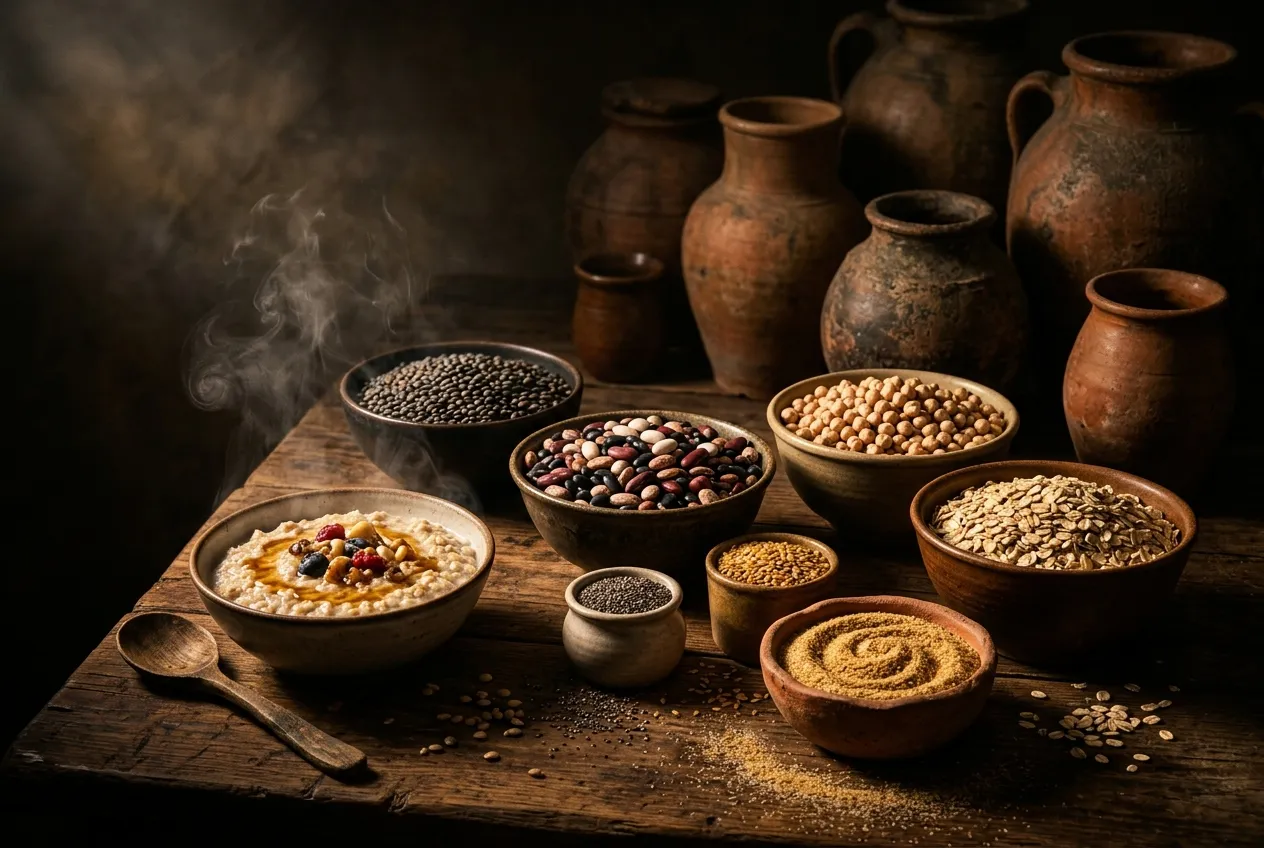
Beans, lentils, chickpeas, oats, barley, vegetables, fruit, and seeds appear repeatedly in fibermaxxing posts because modern nutrition systems classify components of those foods as dietary fiber. Their historical connection is material, not ideological. Earlier cooks did not call the category fibermaxxing, and diets varied enormously by region, class, season, crop system, and access.
That distinction keeps the history honest. Lentils and chickpeas carry ancient Southwest Asian agricultural histories; oats became important in parts of northern Europe; common beans have deep American domestication histories; barley moved through bread, porridge, beer, and fodder systems. The current label gathers these different pasts into one contemporary nutrient category. Ken Albala’s history of beans is especially useful for seeing how one family of foods could move between necessity, stigma, taste, and identity [5].
Why Psyllium and Packaged Fiber Became Symbols
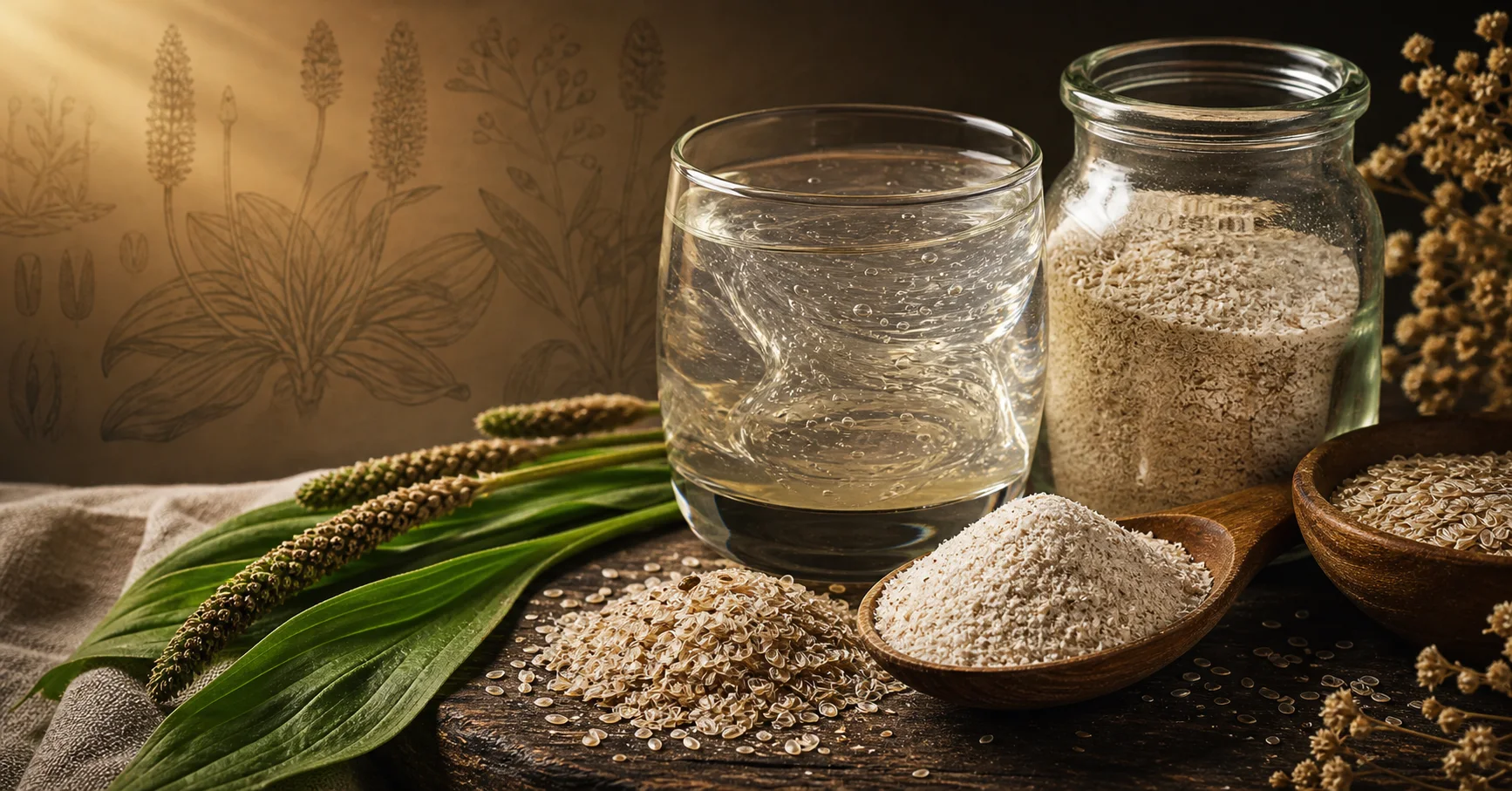
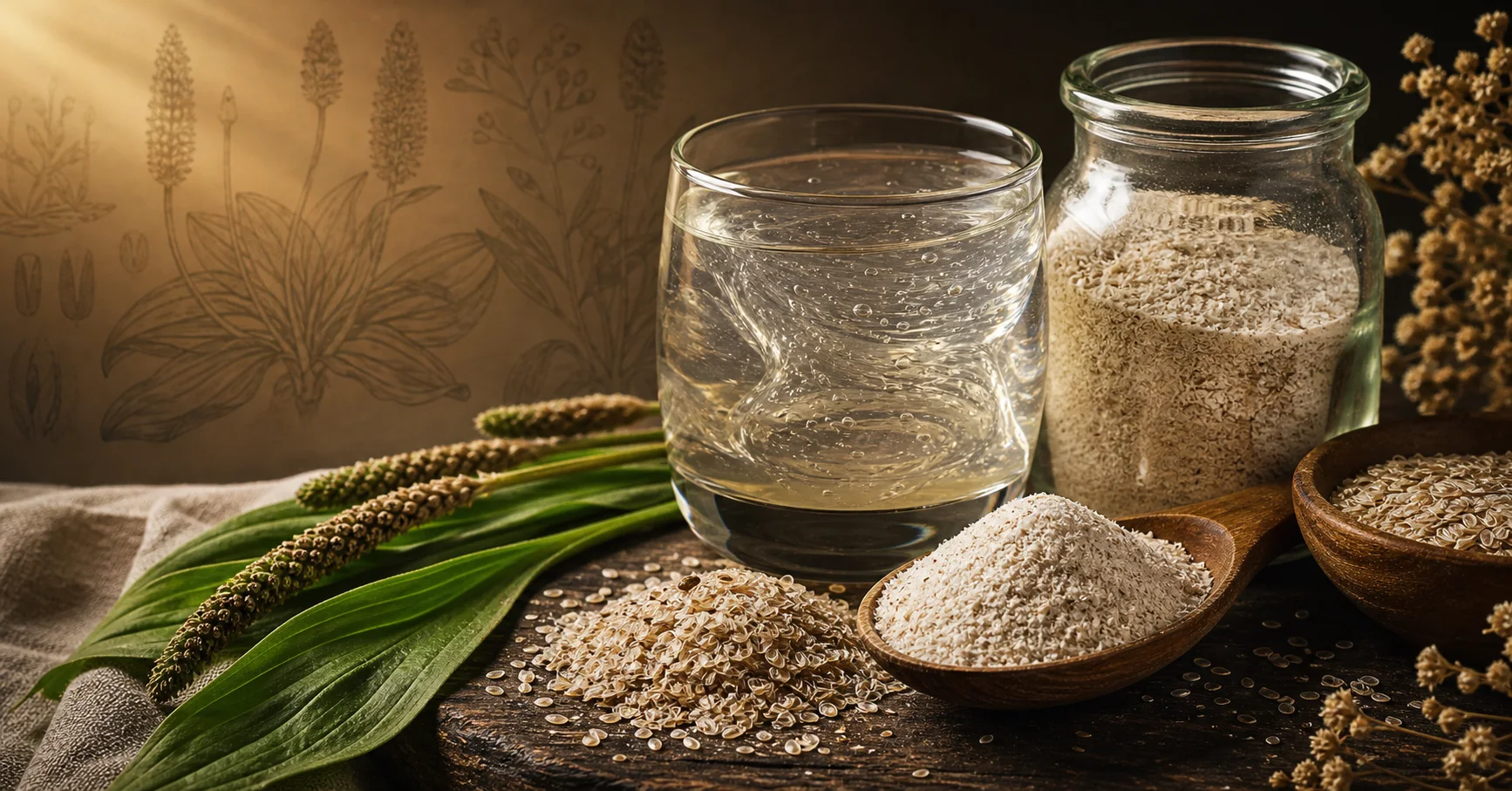
The trend does not circulate only through recipes. Psyllium, inulin, snack bars, and other packaged ingredients translate fiber into a product with a label and a number. Psyllium is particularly legible on camera: a scoop can stand for an otherwise distributed part of a meal. Its retail convenience helps explain its visibility without making it the definition of the trend.
This is where food history and consumer culture meet. Plant materials with older culinary or commercial histories can be repackaged around a new metric, while familiar crops become newly marketable under a trending name. Whole Foods Market’s “Focus on Fiber” forecast and contemporary reporting in The New Yorker show how retailers, creators, and product founders participated in that shift [3][4]. For the ingredient’s own history, see Psyllium and the Psyllium Case File.
📖 Read the full history
Trend Desk notes are timely. The durable history behind each trend lives in these articles and collections.
Fibermaxxing Search Growth Analysis
Explore the full collection →
Fiber and Ancient Grains
Explore the full collection →
Psyllium
The tiny Plantago seed husk that moved from medicinal mucilage and pharmacy shelves into fibermaxxing, food thickening, and modern gut-health marketing

Beans
How dried legumes — from Fertile Crescent pulses to American Phaseolus — became humanity’s portable protein and fiber pantry
Oats
The cool-climate cereal that began as a weed among wheat and barley — then became porridge, oatcakes, oat milk, overnight oats, and a fibermaxxing staple
Lentil
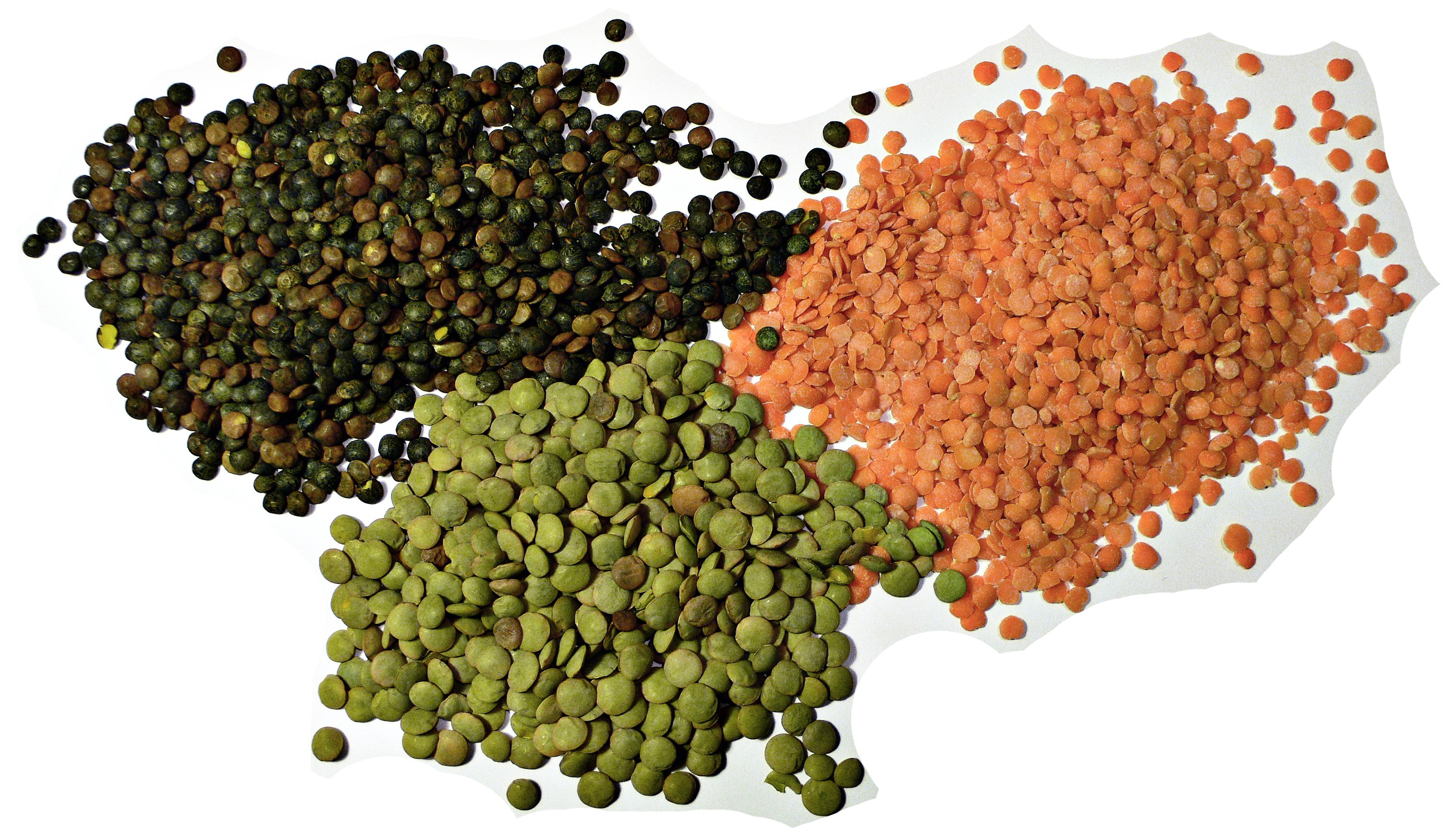
How the lens-shaped pulse of early farming became Mediterranean stews, South Asian dal, and a modern fiber staple
Comments
Community comments are coming soon. Check back later to join the discussion!