U.S. purchase guide

Which Canned Sardines Should You Buy? Olive Oil vs Water vs Tomato Sauce

Three U.S.-available canned sardines compared by fish species, packing medium, country of origin, net vs drained weight, and unit price per ounce.
Published Updated Market: United StatesBy
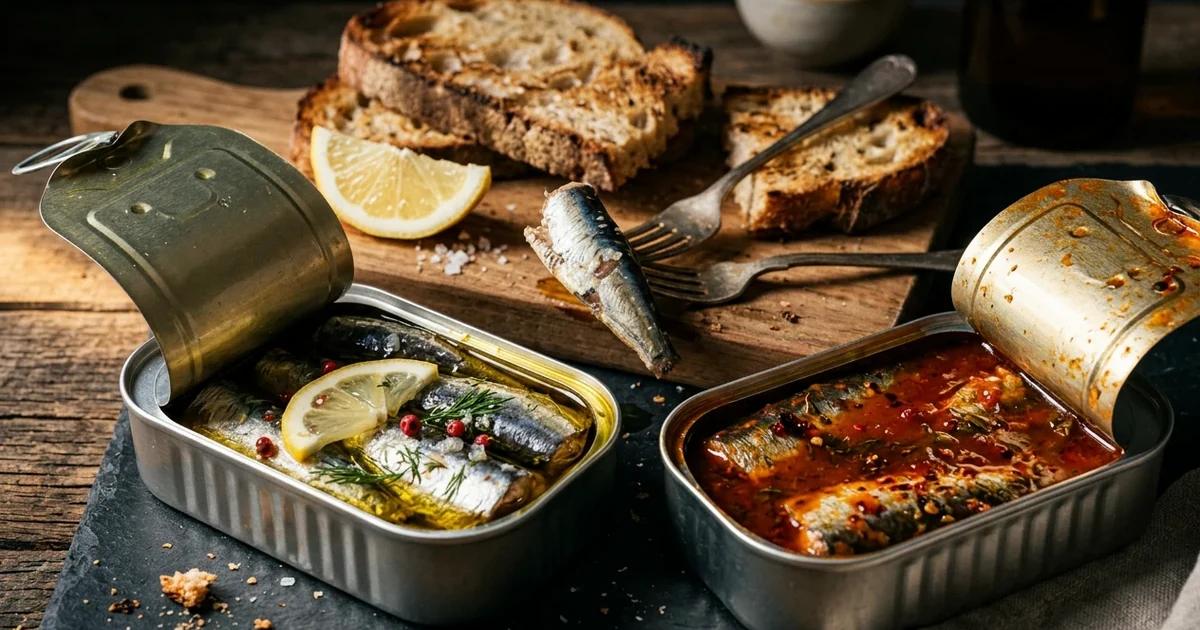
Two opened rectangular sardine tins displaying glossy whole sardines in golden olive oil and spiced tomato sauce beside crusty sourdough
Canned sardines vary by fish species (Atlantic pilchard vs Pacific sardine), cannery origin, and packing medium from organic extra virgin olive oil to pure oil. Image: The Foods That Shaped Us Research Desk. Image terms. Request permission.

Purchase verdict

For everyday pantry cooking, pasta, and salads seeking meaty wild-caught sardines in organic extra virgin olive oil with the most accessible unit price, Wild Planet is the top documented value. For luxurious artisanal conservas texture and fresh-catch Portuguese heritage, Zingerman's da Morgada Atlantic pilchards hand-packed in Porto provide supreme whole-fish dining on crusty toast. Matiz España wild sardines from Galicia offer traditional Spanish olive oil immersion for tapas boards and salads. These are cannery origin, oil type, and species distinctions, not a blind taste ranking.

Track this category through time

Quick choices

Observed prices are U.S. snapshots from August 30, 2026. Seller links are direct and non-affiliate.

Product choices, documented use, observed U.S. price, package size, unit price, and seller
ProductDocumented fitObserved priceSeller
Wild Planet Wild Sardines in Extra Virgin Olive OilWild-caught scale-free whole sardines in extra virgin olive oil; 4.4 oz (125 g) canFor everyday cooks seeking meaty, sustainably wild-caught whole sardines hand-packed in organic extra virgin olive oil with low unit price.$3.994.4 oz / 125 g$0.91 per ozAvailable when checkedCheck Wild Planet FoodsVerified 2026-08-30
da Morgada / Zingerman's Portuguese Sardines in Pure Olive OilPlump hand-packed Portuguese Atlantic sardines in pure olive oil; 4.4 oz (125 g) tinFor conservas connoisseurs seeking plump, artisanal Portuguese Atlantic pilchards hand-packed fresh during sardine season in Matosinhos.$9.504.4 oz / 125 g$2.16 per ozAvailable when checkedCheck Zingerman's Mail OrderVerified 2026-08-30
Matiz España Wild Sardines in 100% Spanish Olive OilWhole wild-caught Spanish sardines in olive oil; 4.2 oz (120 g) tinFor everyday cooking, pasta, and tapas seeking meaty whole pilchards packed in pure Spanish olive oil from Galicia.$5.994.2 oz / 120 g$1.43 per ozAvailable when checkedCheck Rainbow Tomatoes GardenVerified 2026-08-30

Where to buy in the U.S.

These direct, non-affiliate seller pages were checked on August 30, 2026. Stock, shipping, taxes, and checkout prices can vary by location and date.

How products were selected

  • We selected products with a manufacturer-controlled U.S. product page, a readable ingredient list, a stated package size, and a price observed on August 30, 2026.
  • The comparison separates documented fish species, cannery location, and ingredient lists from sensory judgments. The Research Desk has not completed a side-by-side taste test of these tins.
  • Unit prices use the observed single-tin price before shipping, tax, subscriptions, bundles, or checkout discounts.

Product evidence

documented only

Wild Planet Wild Sardines in Extra Virgin Olive Oil

Wild-caught scale-free whole sardines in extra virgin olive oil; 4.4 oz (125 g) can

Check seller

For this use: For everyday cooks seeking meaty, sustainably wild-caught whole sardines hand-packed in organic extra virgin olive oil with low unit price.

Ingredients documented
Sardines (Sardinops sagax or Sardina pilchardus), organic extra virgin olive oil, sea salt.
Stated origin / claims
Wild-caught in the North Pacific or Northeast Atlantic oceans.; Non-GMO Project Verified; OU Kosher; Gluten-Free; Scale-Free
Suitable uses
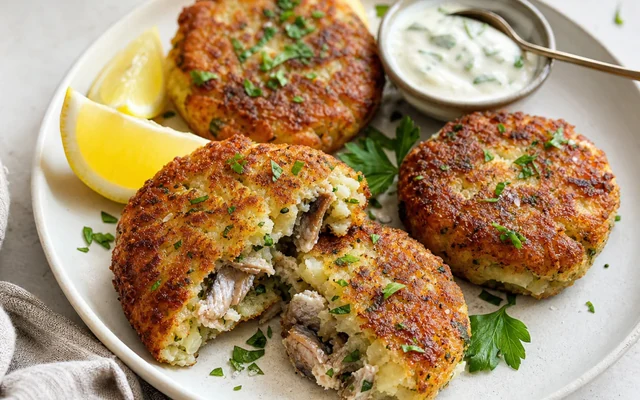
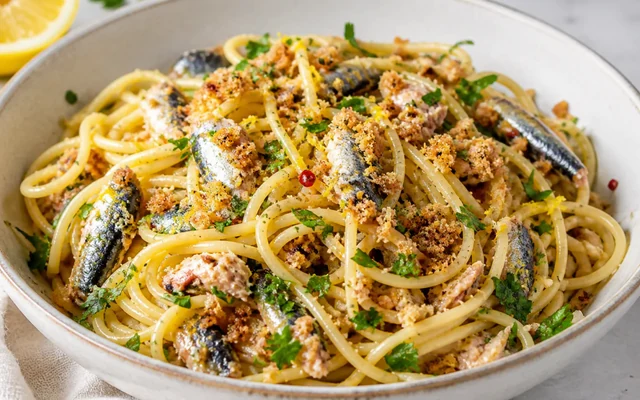
Lemon sardine pasta with parsley and toasted breadcrumbs; Warm grain bowls and crispy sardine potato cakes; Salad niçoise and everyday lunch toast
Allergens to check
Check the current package and facility statement.

Documented advantages

  • Meaty, scale-free texture packed in organic extra virgin olive oil
  • Lowest unit price per ounce in this comparison
  • Sustainably wild-caught with clean 3-ingredient label

Limitations

  • Whole bone-in format requires flaking for smooth spreads
  • Mild olive oil pack lacks pre-infused spices or herbs
  • High demand occasionally causes regional store stockouts

documented only

da Morgada / Zingerman's Portuguese Sardines in Pure Olive Oil

Plump hand-packed Portuguese Atlantic sardines in pure olive oil; 4.4 oz (125 g) tin

Check seller

For this use: For conservas connoisseurs seeking plump, artisanal Portuguese Atlantic pilchards hand-packed fresh during sardine season in Matosinhos.

Ingredients documented
Sardines (Sardina pilchardus), olive oil, salt.
Stated origin / claims
Wild-caught off the Atlantic coast of Portugal; hand-packed fresh in Matosinhos/Porto.; Artisanal fresh hand-pack; Non-frozen catch claim
Suitable uses
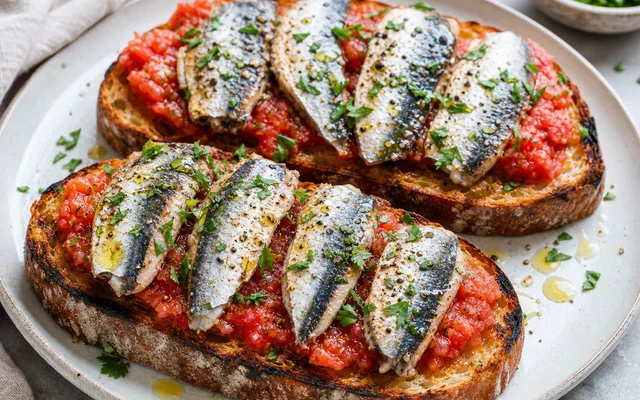
Tasting straight from the tin with crusty bread and salted butter; Tapas boards and pinchos; Tomato sardine toast with grated fresh tomato
Allergens to check
Check the current package and facility statement.

Documented advantages

  • Hand-packed fresh never frozen during peak season near Porto, Portugal
  • Large, plump 3-6 whole fish count with exceptional buttery marine flavor
  • Packaged in a collector illustrated box

Limitations

  • Highest unit price per ounce in this comparison reflecting artisanal European import sourcing
  • Pure olive oil is milder than extra virgin olive oil
  • Specialty mail order availability

documented only

Matiz España Wild Sardines in 100% Spanish Olive Oil

Whole wild-caught Spanish sardines in olive oil; 4.2 oz (120 g) tin

Check seller

For this use: For everyday cooking, pasta, and tapas seeking meaty whole pilchards packed in pure Spanish olive oil from Galicia.

Ingredients documented
Sardines (Sardina pilchardus), olive oil, salt.
Stated origin / claims
Wild-caught off the coast of Galicia in Northwest Spain.; Non-GMO Project Verified; BPA-free lining claim; Gluten-free claim
Suitable uses
Lemon sardine pasta with parsley and toasted crumbs; Tomato sardine toast with grated tomato and olive oil; Warm grain bowls and crispy sardine potato cakes
Allergens to check
Check the current package and facility statement.

Documented advantages

  • Packed in 100% Spanish olive oil for clean Mediterranean flavor
  • Plump 3-5 fish count per tin with clean, rich seafood flavor
  • Clean 3-ingredient label with BPA-free can lining

Limitations

  • Moderate unit price per ounce
  • Requires draining if preparing low-fat or water-packed recipes
  • Whole bone-in format requires flaking for smooth spreads

What to check on the label

  • Check the biological species name on the tin: "Sardina pilchardus" denotes true European Atlantic/Mediterranean pilchards (large, meaty). "Sprattus sprattus" denotes brisling sprats (small, tender, often smoked). "Sardinops sagax" denotes Pacific sardines.
  • Evaluate the packing liquid: Extra virgin olive oil enriches texture and preserves moisture; refined olive or soybean oil provides cheaper neutral fat; spring water reduces calories and sodium; tomato sauce adds acidic sweetness.
  • Examine net weight versus drained fish weight: Standard U.S. tins are 3.75 to 4.4 ounces (106 to 125 g), with fish typically comprising 70% to 75% of total package weight.
  • Check bone and skin status: Traditional whole sardines contain edible, soft bones rich in bioavailable calcium and vitamin D; boneless and skinless fillets are leaner but noticeably drier.

Pilchards vs brisling sprats: Understanding fish size, texture, and smoke

Under United States commercial labeling regulations, several small oily fish species can legally be labeled as "sardines," but their culinary characteristics differ dramatically [4]. True European sardines (Sardina pilchardus), harvested primarily off the Atlantic coasts of Portugal, Spain, and Morocco, are larger fish typically packed three to six per tin [1][2]. They possess firm, meaty flesh, distinct silvery scales, and a rich, buttery marine richness that holds its shape when seared or tossed into hot pasta [1].

In contrast, Pacific sardines (Sardinops sagax) and Atlantic sprats offer different structural profiles [3]. Pacific sardines are meaty, scale-free, and mild, providing an exceptional protein-dense base for everyday quick dinners. Choosing between them is a texture decision: choose Portuguese and Spanish artisanal pilchards for luxurious whole-fish dining on toast, and wild Pacific pilchards for everyday pasta and salad value [1][2].

Choosing the right packing liquid: Olive oil, spring water, or spiced tomato

The liquid in which sardines are submerged determines both shelf life and culinary utility. Olive oil—particularly extra virgin olive oil—acts as a natural preservative that absorbs fish omega-3 fatty acids while keeping the flesh moist and supple over years of aging in the tin [1][2]. The flavorful oil from high-grade conservas tins should not be discarded; it serves as the cooking fat and base for dressings, pasta sauces, and toasted bread [1].

Water-packed sardines eliminate added fat and calories, making them popular for strict nutritional regimens, but the fish flesh is inherently drier and more prone to metallic oxidation. Tomato-packed and spiced chili tins provide ready-to-eat acidity and heat, tenderizing the fish slightly while creating an instant sauce for quick rice bowls and emergency pantry dinners [1].

The history behind the purchase

Sardines have sustained coastal European communities for millennia through salting and smoking, but the invention of airtight tin canning by Nicolas Appert and Joseph Colin in 19th-century Brittany transformed the fish into an industrial global staple for soldiers, miners, and seafaring crews. In the modern era, Portuguese and Spanish conservas culture has reframed canned sardines as artisanal gastronomic treasures; this buying guide evaluates current United States retail choices, species labels, packing liquids, and culinary use cases.

Read the full history of Sardines

Recipes that make the choice matter

These recipes show where format, concentration, allergens, or package choice changes the cooking method.
Sources and price records

  1. [1]Wild Sardines in Extra Virgin Olive Oil Product Details. Wild Planet Foods (2026).
  2. [2]Portuguese Sardines da Morgada Specifications. Zingerman's Mail Order (2026).
  3. [3]Matiz Wild Sardines in Olive Oil Details. Rainbow Tomatoes Garden (2026).
  4. [4]Compliance Policy Guide Sec. 540.590: Sardines - Standards of Identity and Labeling. U.S. Food and Drug Administration (2020).
  5. [5]Seafood Health and Nutrition: Canned Sardines. NOAA Fisheries / Seafood Health Facts (2023).
🏛️

Written by The Foods That Shaped Us Research Desk

The Foods That Shaped Us Research Desk is the publication byline for collaboratively maintained food-history articles, Case Files, Trend Desk analysis, and original Recipe Desk development. Historical work is grounded in cited sources. Recipes use measured formulations and receive an editorial consistency, safety-note, and image-provenance review before release.

Source-led editorial process·Read our Editorial Standards