💡 Key Takeaways
- Sardines are small oily fish historically tied to coastal abundance, quick spoilage, and the need for preservation by salt, oil, smoke, or tinning.
- Industrial canning turned sardines into a portable global food for workers, soldiers, sailors, households, and emergency pantries.
- The modern sardine revival reframes a practical preserved fish as protein-rich, aesthetic, European-coded, and social-media friendly.
- Sardine history is strongest when treated as preservation and status history, not as a miracle beauty or wellness claim.
What Are Sardines?
Sardines are small oily fish eaten fresh, grilled, salted, smoked, fermented, or canned. The name can refer to several small fish species rather than one single biological identity, but culturally sardines belong to a clear food family: quick-spoiling coastal abundance made durable through preservation [5].
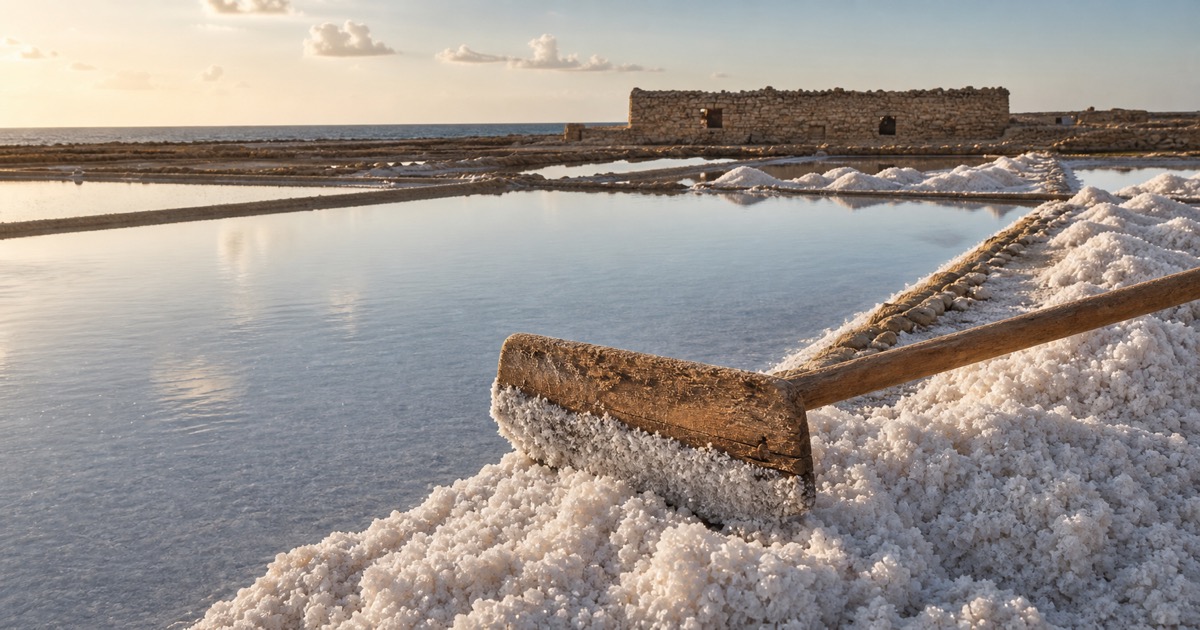
That preservation story matters. A sardine is fragile when fresh and powerful when stored. Salt, oil, smoke, barrels, tins, and glass jars made small fish travel farther than their bodies naturally allowed. This puts sardines beside salted cod, garum, salt, and olive oil in the history of turning the sea into food infrastructure.
Salt, Oil, and Coastal Preservation
Before industrial cans, coastal communities already knew that fish abundance could become waste without preservation. Sardines and similar small fish could be salted, dried, smoked, fermented, or held under oil. These methods were not luxury tricks. They were survival technologies for seasons when the catch was poor, travel was long, or markets were distant.
Mediterranean and Atlantic sardine cultures developed around that tension between plenty and spoilage. A fresh catch could feed a port. A preserved catch could feed inland households, ships, soldiers, and urban workers. Preservation changed the fish from an event into an inventory.
How Canning Made Sardines Global
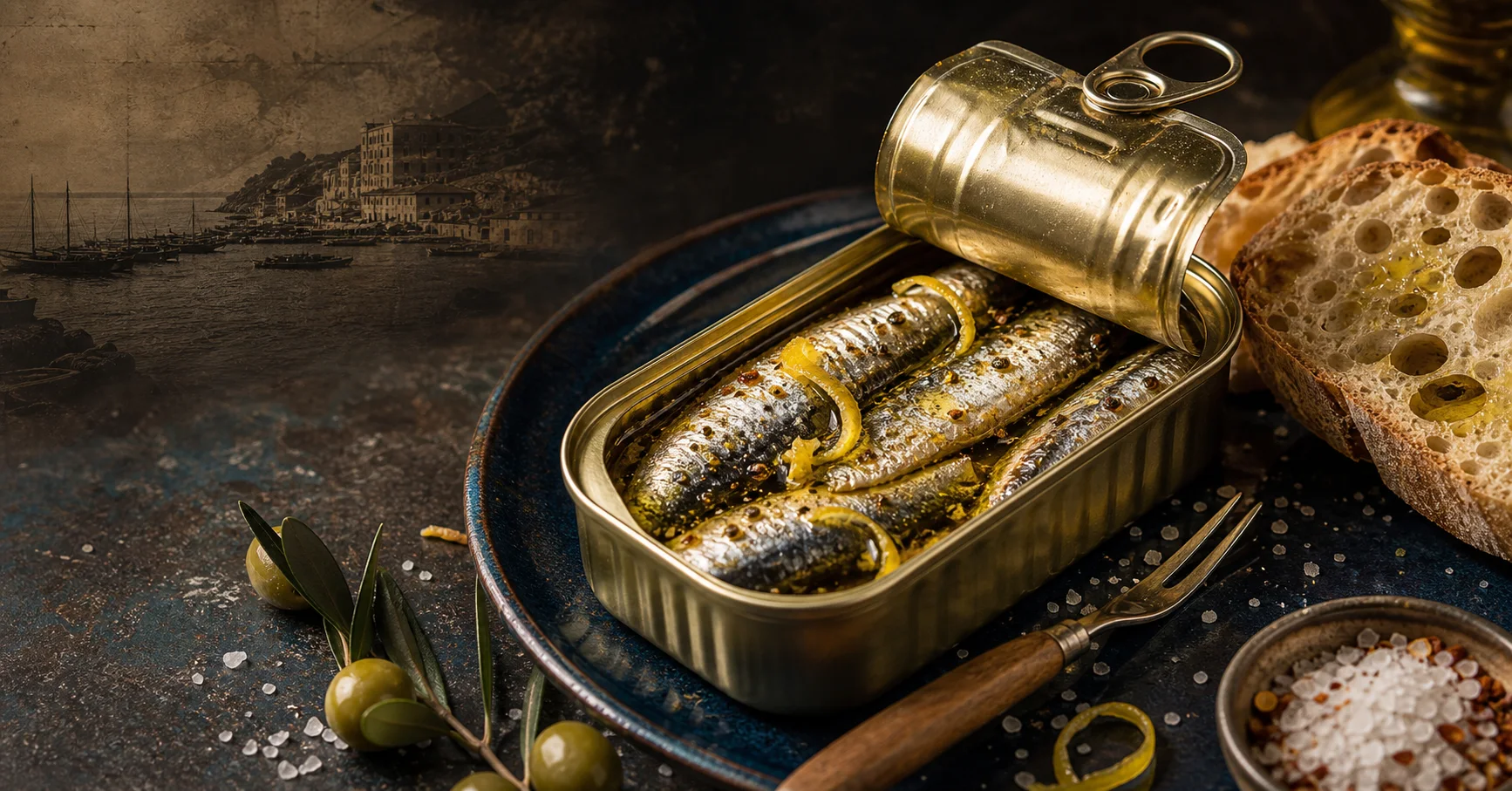
The can changed sardines more radically than any recipe. Once fish could be sealed, heated, transported, and stacked, sardines became industrial food: shelf-stable, portable, branded, and affordable. They fit modern life because they needed no kitchen beyond a key, a knife, or a piece of bread [4].
Canned sardines also carried geography. Portuguese, Spanish, French, Moroccan, and other producers built reputations around fish size, oil quality, sauces, packaging, and regional style. Conservas culture made preservation visible as craft, not just emergency food.
Sardinecore and the Return of Tinned Fish
The 2020s sardine revival is not only about taste. It is about image. Tinned fish boards, pantry aesthetics, European travel fantasies, high-protein snacking, and bright illustrated packaging have turned sardines into social media objects. Business Insider described canned fish as newly fashionable, while Elle connected sardines to beauty and wellness conversations that spread online [1][2].
A careful food-history page should not turn that into a miracle claim. The better story is cultural: an old preserved food now signals taste, thrift, protein, design, and worldly appetite at once.
How Sardines Are Used Today
Today sardines appear on toast, crackers, salads, rice bowls, pasta, conservas boards, sandwiches, tapas plates, and pantry dinners. They are paired with lemon, olive oil, chili, herbs, tomatoes, pickles, mustard, eggs, or bread. In some places they remain everyday food; elsewhere they have become premium tins sold like small edible design objects.
Their modern power is that they can be humble and stylish at the same time. Sardines are old preservation logic with a new camera angle.
In the news
Recent 2026 food-culture notes that reference this article.
Historical Timeline
Small oily fish are salted, dried, smoked, fermented, or packed in oil to survive beyond the catch day
Fish preservation and sauces such as garum make small fish part of larger Mediterranean trade and flavor systems
European canning technology creates new ways to preserve seafood in sealed containers
Canned sardines become a portable industrial food for workers, soldiers, sailors, and households
Tinned fish boards, conservas branding, protein culture, and sardinecore social media revive sardines as a status snack
Evidence Explorer
Review the Source Trail
Inspect the article sources, scoped review credits, and copyable citation details without leaving the page.
Reviewed for Stated Scope
Sources Listed
Comments
Community comments are coming soon. Check back later to join the discussion!