💡 Key Takeaways
- The legend that Marco Polo brought pasta from China to Italy is a 20th-century myth; dried pasta was introduced to Sicily by Arab traders centuries before Polo was born.
- The defining feature of Italian pasta is durum wheat (Triticum durum), a hard wheat with high protein and gluten that allows dried pasta to hold its shape when boiled.
- For centuries, pasta was eaten plain with the fingers in the streets of Naples; it wasn't until the 19th century that it was widely paired with tomato sauce and eaten with a fork.
Where did pasta originate?
The origin of pasta is fiercely contested, primarily because boiling a paste of grain and water is a universal human concept. The Chinese were making complex noodles from millet and rice thousands of years ago. However, the specific lineage of Italian pasta—specifically *dried* pasta (pasta secca) made from hard wheat—did not come from China. The famous legend that Marco Polo brought spaghetti back from China in 1295 was fabricated by an American pasta trade association in the 1920s [1].
Fresh pasta (pasta fresca), made from soft wheat and eggs, has existed in the Mediterranean since antiquity; the Greeks and Etruscans ate flat sheets of dough called *laganon* (the ancestor of lasagna). But the revolutionary invention of dried, extruded pasta that could be stored indefinitely was likely the work of Arab traders. In the 9th century, Arabs brought durum wheat to Sicily. By the 12th century, the Arab geographer Al-Idrisi reported that the town of Trabia in Sicily was producing massive quantities of thread-like dried dough called *itriya*, exporting it by ship throughout the Mediterranean. This was the true birth of the Italian pasta industry [2].
How did pasta evolve over time?
From Sicily, pasta making moved north to Naples, which possessed the perfect climate for drying pasta: warm sea breezes alternating with dry mountain air. For centuries, pasta was made by hand, kneaded by the bare feet of workers to develop the tough gluten of the durum wheat. In the 17th century, the invention of the mechanical screw press (torchio) allowed for the extrusion of hollow shapes like macaroni and ziti. This mechanization drastically lowered the price of pasta [1].
Consequently, Naples underwent a culinary revolution. The working poor of Naples, previously derided as "leaf-eaters" (mangiafoglie) for their cabbage-heavy diet, suddenly became "macaroni-eaters" (mangiamaccheroni). Pasta became the ultimate street food. Vendors sold it boiling hot from large cauldrons; customers would buy a handful, sprinkle it with grated hard cheese, and eat it directly with their hands, throwing their heads back to drop the long strands into their mouths [3].
Why is pasta culturally important?
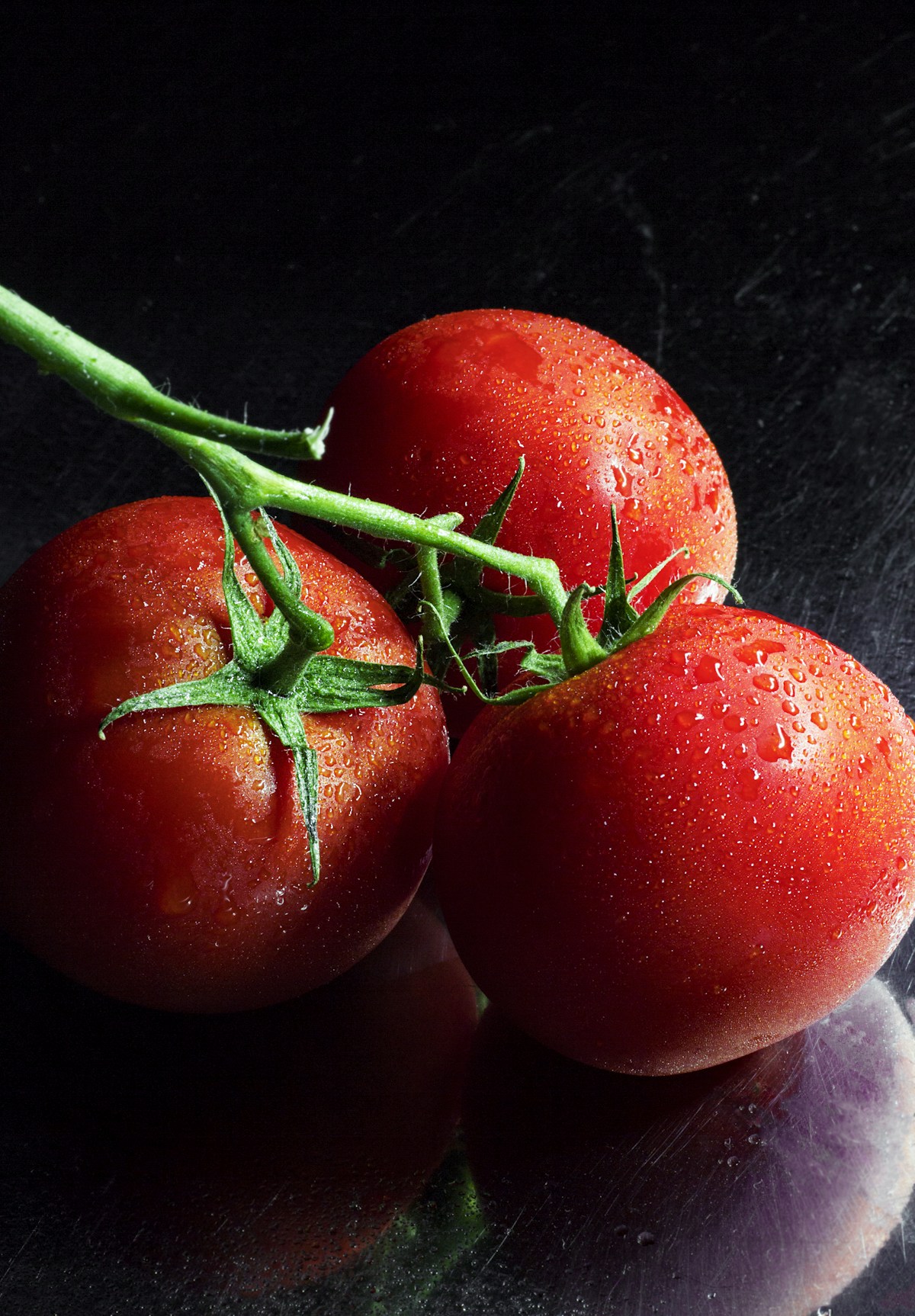
For most of its history, pasta in Italy was eaten plain with cheese, or sometimes with butter or pork fat. The iconic pairing of pasta and tomato sauce did not occur until the 19th century. Tomatoes, native to the Americas, were viewed with deep suspicion in Europe for centuries. It wasn't until 1839 that the Neapolitan noble Ippolito Cavalcanti published the first known recipe for pasta paired with a basic tomato sauce. This marriage defined modern Italian cuisine [2].
When millions of Southern Italians immigrated to the United States in the late 19th and early 20th centuries, they brought their pasta traditions with them. Finding meat incredibly cheap in America compared to Italy, they began adding massive meatballs and heavy meat sauces to their pasta—creating Italian-American staples like Spaghetti and Meatballs, a dish that did not exist in Italy. The invention of canned Chef Boyardee (founded by an actual Italian immigrant, Ettore Boiardi) further mainstreamed pasta into the American diet, divorcing it entirely from its artisanal roots [1].
Modern Renaissance
In Italy, pasta remains deeply regional. The shapes are highly engineered to hold specific sauces: delicate egg ribbons (tagliatelle) for heavy meat ragùs in the north, and sturdy dried tubes (rigatoni) for chunky tomato sauces in the south. The Italian government even passed a law in 1967 (the Pasta Law) mandating that all dried pasta produced in Italy must be made from 100% durum wheat semolina, ensuring a firm, *al dente* texture [2].
Today, the industrialization of pasta is absolute, with massive factories extruding millions of tons annually through Teflon dies, which creates a smooth, shiny surface. However, there is a fierce artisanal pushback. Purists seek out pasta extruded through traditional bronze dies (al bronzo), which leaves the pasta with a rough, porous texture that perfectly grips the sauce, and dried slowly at low temperatures over several days to preserve the complex, nutty flavor of the wheat. In an era of low-carb diets and gluten anxiety, traditional, high-quality pasta remains an untouchable cultural pillar [3].
In the news
Recent 2026 food-culture notes that reference this article.
Historical Timeline
Etruscan tombs show images of tools used to make fresh, sheet-like pasta
Arab geographer Al-Idrisi documents massive factories in Sicily producing dried "itriya" (pasta)
The introduction of the mechanical press allows Naples to mass-produce extruded pasta like macaroni
The first recorded recipe pairing pasta with tomato sauce is published by Ippolito Cavalcanti
Italian immigrants bring pasta to America, leading to the creation of Italian-American cuisine
Evidence Explorer
Review the Source Trail
Inspect the article sources, scoped review credits, and copyable citation details without leaving the page.
Reviewed for Stated Scope
Sources Listed
Comments
Community comments are coming soon. Check back later to join the discussion!