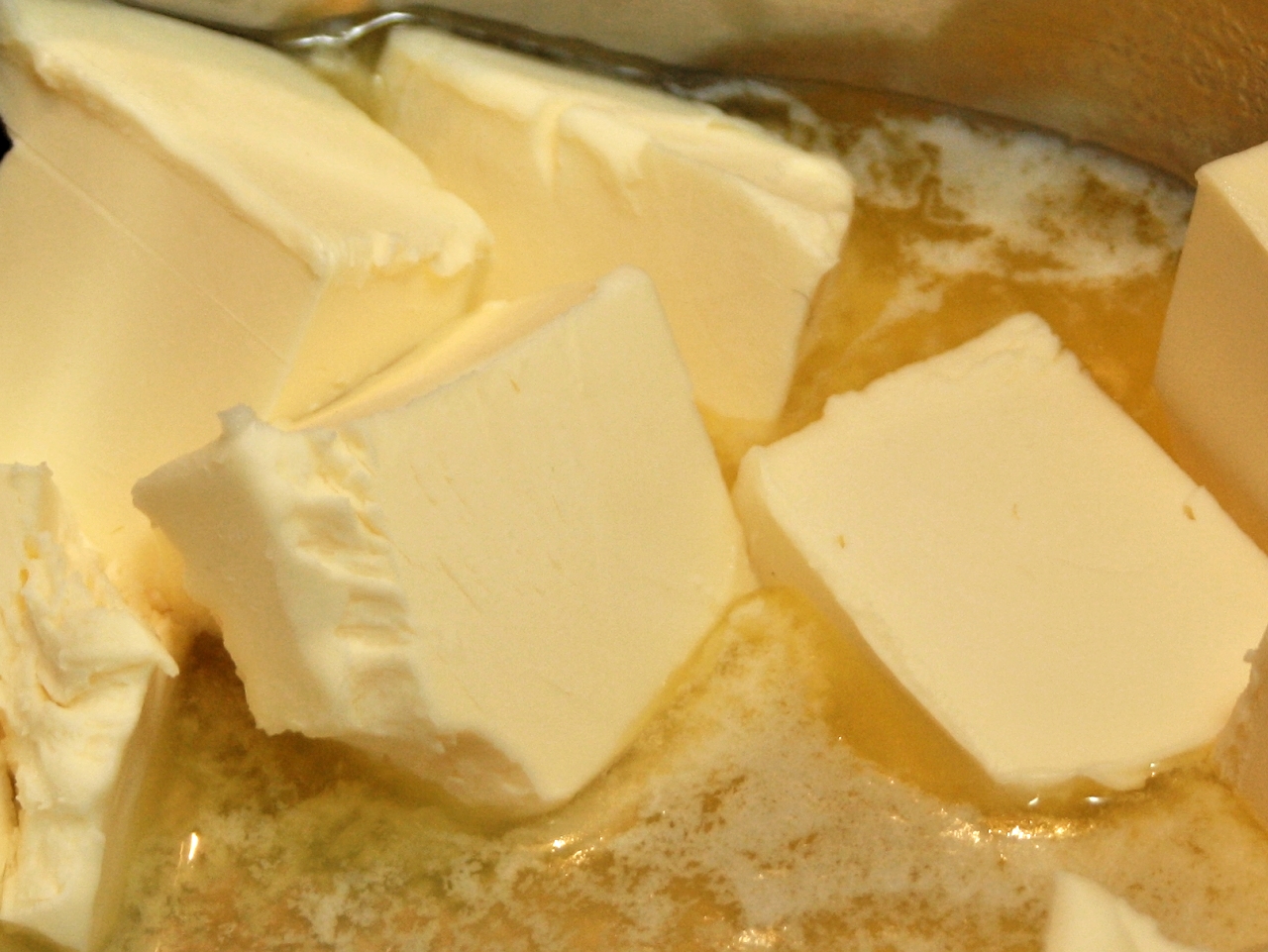
Why was the yellow butter substitute once forced to be dyed pink?
Market and economic context review: Amine Naini — Reviewed against cited public sources for: State lobbying, agricultural tariffs, food labeling laws, and dairy monopolies.
Review lanes show the scope checked for this case file. Active standalone case files present source-led historical context.
Why was the yellow butter substitute once forced to be dyed pink?
Verdict: Dairy interests successfully restricted early margarine sales through federal taxes, licensing rules, and state color restrictions forcing it to be dyed pink, to prevent it from competing with natural butter.
Why it matters: The Margarine Wars are a premier example of how agricultural lobbies and food legislation shape what ends up on consumer plates under the guise of public health.
The Rise of the Butter Substitute
In the late 19th century, a revolutionary food invention threatened the agricultural foundation of Northern Europe and North America: oleomargarine. Invented in 1869 by French chemist Hippolyte Mège-Mouriès in response to a challenge by Emperor Napoleon III to find a cheap butter alternative for the military, this new butter substitute was affordable, durable, and highly effective. As it entered the United States, it quickly gained popularity among working-class families who found natural butter increasingly expensive. Fearing an existential threat to their livelihoods, powerful dairy interests mobilized a massive legislative and public relations counter-offensive to protect their markets under the guise of public health and consumer protection.
The Legislative War and the Margarine Act
The primary battleground was regulatory. Dairy interests successfully lobbied the U.S. Congress to pass the federal Margarine Act of 1886. This landmark legislation did not merely regulate the product; it sought to tax it out of existence. The Act imposed a hefty federal tax of two cents per pound on margarine and established highly restrictive, expensive licensing fees for manufacturers, wholesalers, and retailers. Margarine dealers were forced to display prominent signs, and the product had to be sold in heavily branded, distinct packaging to prevent it from masquerading as real butter. Despite these financial penalties, margarine remained popular, forcing dairy interests to adopt more creative, visual tactics to discourage purchases.
The Bizarre Pink Margarine Laws
Because margarine's natural state was an unappealing, chalky white, manufacturers frequently dyed it yellow (using natural coloring agents like annatto) to resemble butter. In response, dairy interests argued that this yellow coloring was inherently fraudulent. Between 1880 and 1890, several states—including Vermont, New Hampshire, South Dakota, Minnesota, and Oregon—passed highly unusual color-mandating laws. Instead of banning the product, these laws forced manufacturers to dye margarine a bright, unappealing pink. The strategic intent was simple: to make the product look so unnatural and repulsive that no consumer would ever place it on their dinner table, effectively rendering it unsalable.
The Constitutional Showdown: Collins v. New Hampshire
The pink margarine mandates triggered a constitutional showdown that reached the highest court in the land. In 1898, the U.S. Supreme Court reviewed the case of Collins v. New Hampshire. A dealer had been fined for selling uncolored margarine in New Hampshire in violation of the state's color mandate. The Supreme Court struck down the pink margarine laws as unconstitutional. The Court ruled that requiring a manufacturer to dye a perfectly wholesome food product an unappealing color in order to excite prejudice was not a legitimate exercise of state police power, but rather an unreasonable, prohibitionist restriction on interstate commerce. While the pink laws fell, state-level bans on yellow-colored margarine and federal taxes persisted for decades, with some state coloring bans remaining active until as late as 1967.