💡 Key Takeaways
- The modern sweet apple did not originate in the Middle East or Europe; it is a direct descendant of the Malus sieversii, a wild apple native to the Tian Shan mountains of Kazakhstan.
- For most of American history, apples were not eaten fresh. They were grown specifically to be pressed and fermented into hard cider, which was safer to drink than water.
- Johnny Appleseed was a real person (John Chapman), but he did not scatter seeds randomly; he operated a shrewd real estate business, planting cider apple nurseries ahead of westward expansion to claim land.
Where did apple originate?
The genetic birthplace of the modern apple (*Malus domestica*) is a highly specific, ancient forest in the Tian Shan mountains of Kazakhstan, near the border with China. Here, the wild ancestor of the apple, *Malus sieversii*, still grows. Unlike most wild fruits, which are small and bitter, *Malus sieversii* evolved to be relatively large and sweet. This was an evolutionary strategy to attract ancient megafauna, particularly the massive prehistoric brown bear. The bears ate the largest, sweetest apples and dispersed the seeds across the mountains, acting as the fruit's primary evolutionary selector long before humans arrived [1].
When human traders began utilizing the Silk Road, which passed directly through the Tian Shan mountains, they picked the wild apples and tossed the cores along the trade routes. This cross-pollinated the Kazakh apples with wild European crabapples, slowly creating the genetic hybrid that would become the modern sweet apple. However, humans soon discovered a frustrating biological quirk: apple seeds do not grow true to type. Every seed produces a totally random, usually bitter, new variety. To reproduce a sweet apple, humans had to master the ancient art of grafting—splicing a branch of a sweet apple tree onto a living trunk [2].
How did apple evolve over time?
Grafting was perfected by the ancient Greeks and Romans, who spread cultivated, sweet apple orchards across Europe. When European colonists arrived in North America in the 17th century, they brought apple seeds with them, as grafted trees could not survive the transatlantic voyage. Because the planted seeds reverted to random, bitter genetics, the early American apple was not a dessert fruit; it was a small, incredibly tart "spitter" apple. But these bitter apples were perfect for one thing: making alcohol [1].
For the first two centuries of American history, water was often unsafe to drink due to waterborne diseases. The solution was hard cider. Everyone, from children to the elderly, drank fermented, low-alcohol cider daily. The apple became a foundational crop of American survival. This expansion was driven heavily by John Chapman (Johnny Appleseed), who traveled ahead of the frontier, planting massive nurseries of bitter cider apples. He wasn't planting food; he was planting the essential ingredient for frontier alcohol, while simultaneously fulfilling land-grant requirements to secure massive tracts of real estate [3].
Why is apple culturally important?
The cultural meaning of the apple shifted dramatically in the late 19th and early 20th centuries. During Prohibition in the United States (1920–1933), hard cider was outlawed. To survive, the apple industry completely rebranded the fruit. They aggressively promoted the apple as a healthy, sweet dessert fruit, coining the phrase "an apple a day keeps the doctor away." Orchards producing bitter cider apples were burned to the ground or chopped down by the FBI [1].
Simultaneously, the apple became the quintessential symbol of American wholesomeness, domesticity (apple pie), and education (bringing an apple to the teacher). It is a remarkable piece of historical marketing: the fruit that fueled two centuries of frontier drunkenness was successfully rebranded as the ultimate symbol of health and innocence [3].
Modern Renaissance
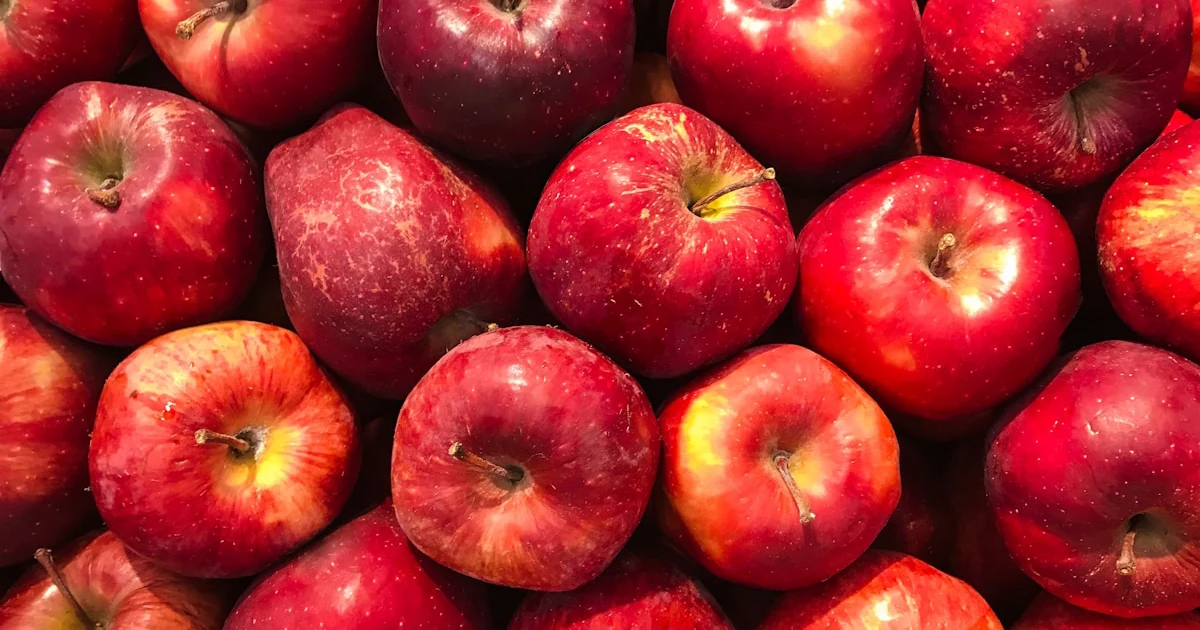
The 20th century was a dark age for apple diversity. To satisfy supermarkets, the industry focused on mass-producing a handful of varieties (Red Delicious, Golden Delicious, Granny Smith) chosen purely for their ability to withstand long-distance shipping and months in cold storage, rather than their flavor. The Red Delicious, in particular, became beautiful but famously mealy and tasteless [1].
However, the 21st century has seen a massive consumer revolt against flavorless supermarket apples. The success of crisp, complex hybrids like the Honeycrisp (developed by the University of Minnesota) proved that consumers would pay a premium for taste. Today, there is a fierce movement to rediscover "antique" or "heirloom" apple varieties, preserving the massive genetic diversity of the fruit. Simultaneously, the American hard cider industry is experiencing a massive revival, prompting farmers to replant the bitter, tannic cider apples that Johnny Appleseed championed two centuries ago. The apple is returning to its complex, diverse roots [2].
Historical Timeline
Wild apples (Malus sieversii) grow in the Tian Shan mountains of Kazakhstan
The Greeks and Romans master the art of grafting, allowing them to clone sweet apple varieties
European colonists bring apple seeds to North America; they revert to bitter, wild cider apples
John Chapman ("Johnny Appleseed") plants massive cider nurseries across the American Midwest
Maria Ann Smith discovers the Granny Smith apple growing in her compost pile in Australia
Evidence Explorer
Review the Source Trail
Inspect the article sources, scoped review credits, and copyable citation details without leaving the page.
Reviewed for Stated Scope
Sources Listed
Comments
Community comments are coming soon. Check back later to join the discussion!