💡 Key Takeaways
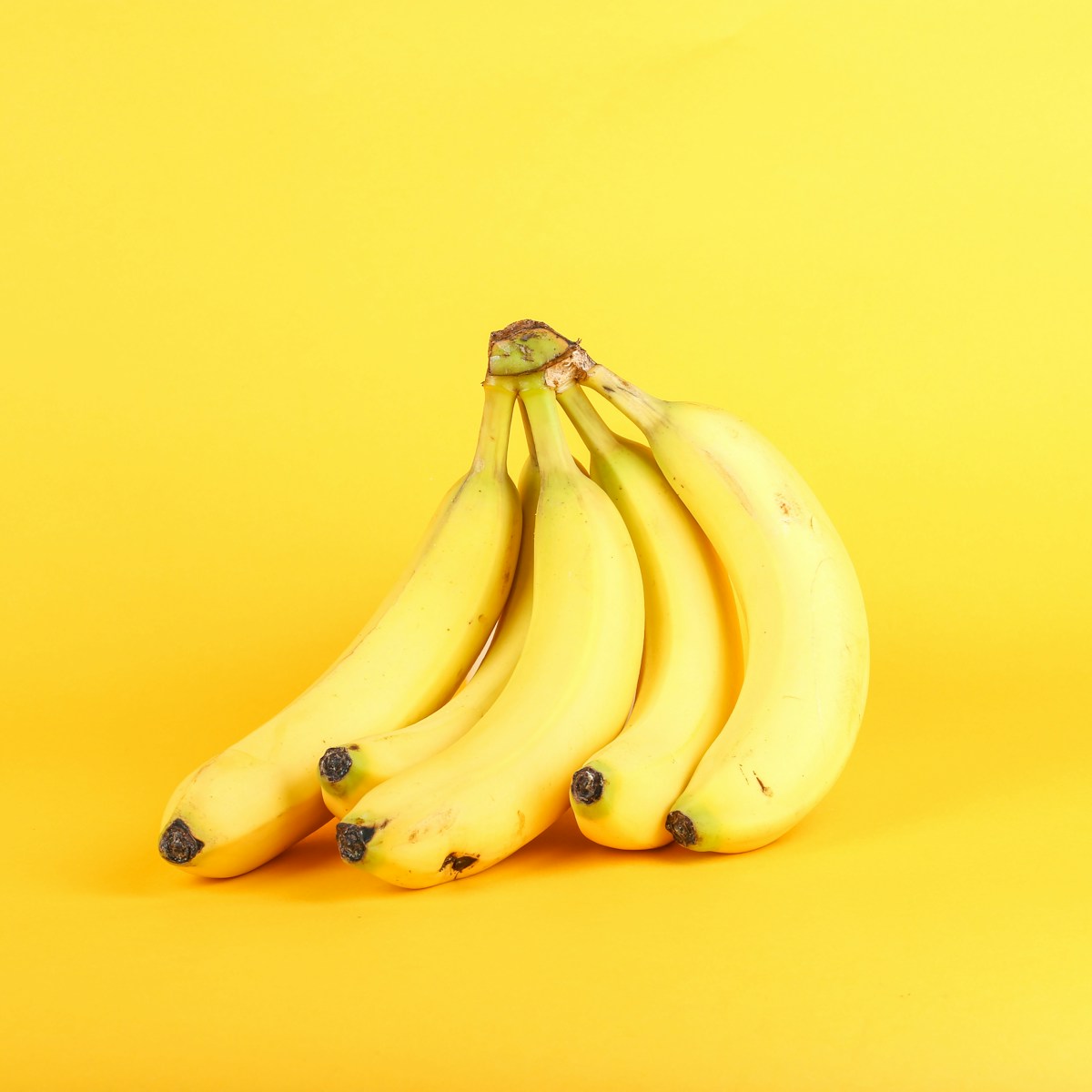
- The banana is not a tree, but the world's largest herbaceous plant (an herb); the fruit itself is technically a botanical berry.
- In the early 20th century, American fruit corporations wielded so much power in Central America they overthrew governments to protect their profits, coining the term "Banana Republic."
- The modern Cavendish banana is a genetic clone facing an existential threat from Panama Disease (TR4), a soil fungus that could potentially wipe out the global commercial banana industry.
Where did banana originate?
Despite being the absolute symbol of the American and Latin American tropics, the banana did not originate in the Western Hemisphere. The wild ancestors of the banana (*Musa acuminata* and *Musa balbisiana*) are native to the dense jungles of Southeast Asia. Archaeological evidence from the Kuk Swamp in Papua New Guinea shows that indigenous peoples were cultivating early, starchy, cooking bananas (plantains) as far back as 8,000 BCE. These early wild bananas were incredibly tough and filled with large, hard seeds that could crack a human tooth [1].
The domestication of the sweet, yellow, dessert banana was a massive genetic accident. Through random mutations and human selection over thousands of years, a seedless, sterile hybrid was created. Because it had no seeds, it could not reproduce on its own; it had to be propagated by humans cutting off offshoots (suckers) and replanting them. This meant that every domesticated banana became a genetic clone of its parent. Arab traders carried these early sweet bananas across the Indian Ocean to the east coast of Africa, and from there, Portuguese explorers brought them to the Canary Islands and eventually the Caribbean in the early 1500s [2].
How did banana evolve over time?
For centuries, the banana remained a tropical novelty, impossible to transport because it ripened and rotted so quickly. This changed in the late 19th century with the advent of the steamship and the railroad. In 1870, sea captain Lorenzo Dow Baker bought 160 bunches of bananas in Jamaica for a shilling each and sold them in Jersey City for a massive profit. He partnered with a Boston businessman to form the Boston Fruit Company, which later merged to become the infamous United Fruit Company (today known as Chiquita) [1].
United Fruit turned the banana into an industrial commodity. They cleared massive swaths of Central American rainforests to build mega-plantations, constructed their own railroads, and launched the "Great White Fleet" of refrigerated ships. By the 1920s, United Fruit controlled millions of acres of land, holding deep monopolies over the postal services, telegraphs, and railways in countries like Honduras and Guatemala. To maintain their massive profit margins, they bribed politicians, brutally suppressed labor strikes, and deeply influenced US foreign policy—leading to the creation of the term "Banana Republic" to describe a politically unstable country whose economy is completely dependent on a single export controlled by foreign capital [3].
Why is banana culturally important?
The power of the fruit companies reached its dark zenith during the Cold War. In 1954, the democratically elected president of Guatemala, Jacobo Árbenz, attempted to buy back unused land from United Fruit to redistribute to impoverished peasants. In response, United Fruit lobbied the US government, painting Árbenz as a communist threat. The CIA orchestrated a coup (Operation PBSuccess), overthrowing Árbenz and plunging Guatemala into a horrific, decades-long civil war. The blood spilled for cheap fruit remains one of the darkest chapters in corporate history [2].
Simultaneously, in the United States, the banana became the ultimate symbol of cheap, healthy convenience. Massive advertising campaigns (featuring the icon Chiquita Banana) taught Americans how to eat the exotic fruit. It became the foundational ingredient of the American breakfast, sliced over cereal, and the star of the iconic Banana Split, cementing its status as the most consumed fresh fruit in the US [1].
Modern Renaissance
The biological reality of the banana—that it is a sterile clone—is its tragic flaw. In the first half of the 20th century, the global industry relied entirely on a single, massive, thick-skinned variety called the Gros Michel. In the 1950s, a soil fungus called Panama Disease (Tropical Race 1) swept through Latin America, completely wiping the Gros Michel into commercial extinction. The industry was saved at the last minute by switching to a smaller, more fragile, but fungus-resistant clone: the Cavendish, which is the only banana we eat today [1].
However, history is repeating itself. A new strain of the fungus, Tropical Race 4 (TR4), has emerged in Asia and recently jumped to Latin America. Because every Cavendish is genetically identical, they have zero immune diversity; if the fungus kills one, it can kill them all. The global banana industry is currently in a desperate race against time. Scientists are using CRISPR gene editing to try and create a TR4-resistant Cavendish, while others argue the only sustainable future is to abandon the monoculture system entirely and introduce consumers to the vast, diverse world of red, blue, and starchy bananas that exist outside the supermarket paradigm [3].
In the news
Recent 2026 food-culture notes that reference this article.
Historical Timeline
First domestication of the banana in the Kuk Swamp of Papua New Guinea
Lorenzo Dow Baker brings the first commercial load of bananas from Jamaica to the US
The United Fruit Company (now Chiquita) is formed, creating a massive global monopoly
The CIA, at the behest of United Fruit, orchestrates a coup in Guatemala (Operation PBSuccess)
Panama Disease wipes out the Gros Michel banana, forcing the industry to switch to the Cavendish
Evidence Explorer
Review the Source Trail
Inspect the article sources, scoped review credits, and copyable citation details without leaving the page.
Sources Listed
Comments
Community comments are coming soon. Check back later to join the discussion!