💡 Key Takeaways
- The modern garden strawberry, Fragaria x ananassa, is an 18th-century hybrid with parentage from the Americas.
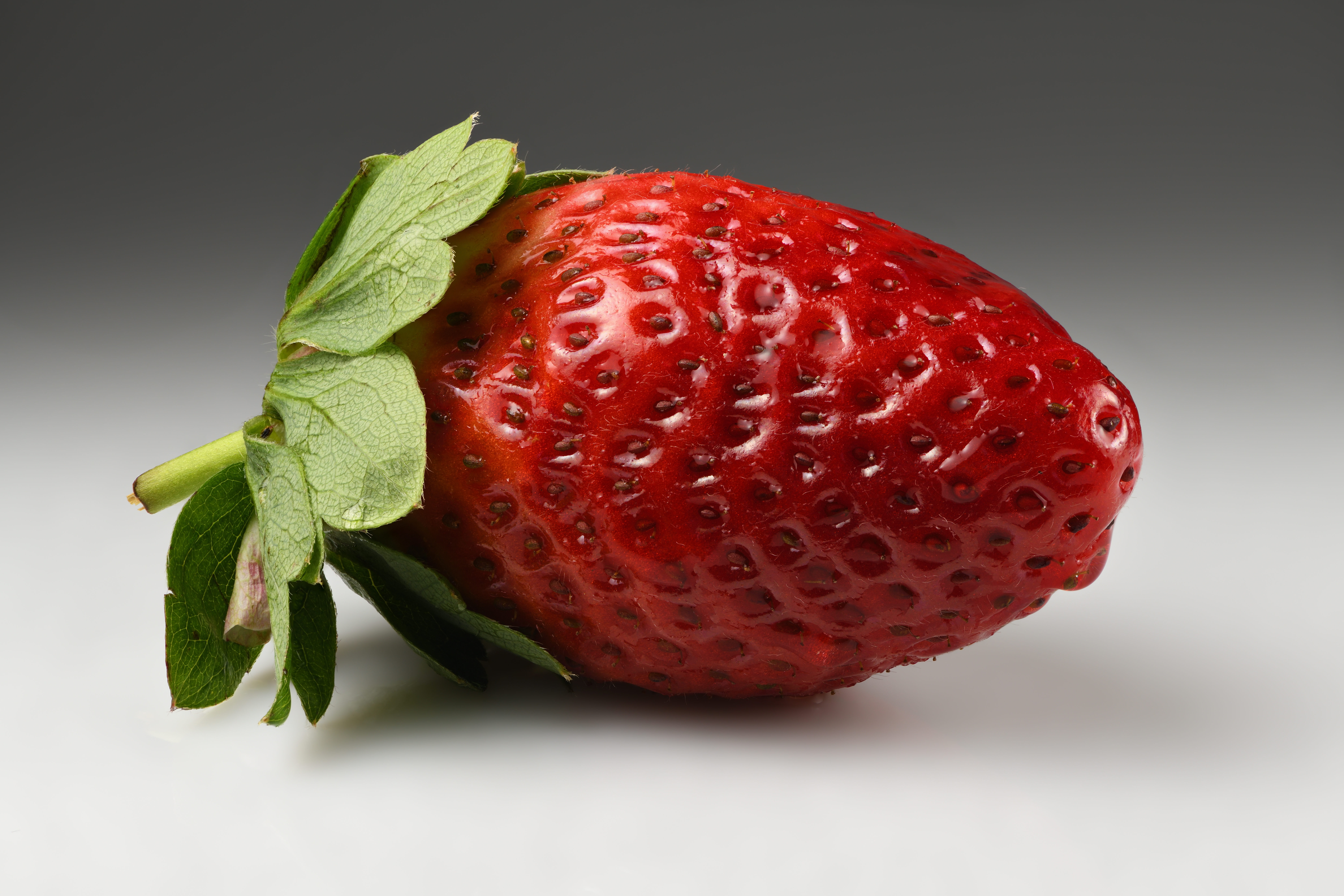
- Strawberries are not true botanical berries; the red flesh is an enlarged flower receptacle dotted with tiny fruits called achenes.
- Japan's premium strawberry culture is a modern layer of breeding, gift culture, greenhouse production, and visual perfection.
- The fruit's current social-media appeal builds on older histories of plant exchange, dessert culture, sugar, cream, and luxury fruit.
Where did strawberry originate?
The strawberry most people buy today is not an ancient wild berry. It is the garden strawberry, Fragaria x ananassa, a modern hybrid that took shape in Europe in the 18th century from New World strawberry species [1][2]. One parent line came from the Chilean strawberry, Fragaria chiloensis, while another came from the Virginia strawberry, Fragaria virginiana, a North American species grown in European gardens [3].
That makes the strawberry a story of botany, empire, and taste. Earlier peoples ate and cultivated smaller wild strawberries, but the large, red, market-ready fruit that now fills cakes, jams, gift boxes, and social feeds came from a much later meeting of American plant genetics and European horticulture. Even its structure is surprising: botanically, a strawberry is not a true berry. The red flesh is an enlarged flower receptacle, while the seed-like dots are tiny fruits called achenes [2].
Fragaria x ananassa and the Garden Strawberry
The modern strawberry emerged from accidental and then intentional breeding. European gardens brought together strawberry plants whose ancestors had crossed oceans from different parts of the Americas. When their traits combined, growers gained a fruit that was larger, juicier, more aromatic, and better suited to dessert culture than many older woodland strawberries.
Kew notes that the hybrid name ananassa refers to the fruit's pineapple-like scent, taste, and shape [1]. That detail matters because early modern consumers did not experience strawberries only as agricultural output. They experienced them as perfume, color, texture, and novelty. The fruit moved easily into preserves, syrups, tarts, cakes, and cream-based desserts, especially as sugar became more available through global trade. Strawberry history therefore belongs beside sugar and vanilla as much as it belongs beside botany.
Japanese Strawberries and Luxury Fruit Culture
Japan did not invent the garden strawberry, but it helped turn the strawberry into one of the modern world's most photogenic luxury fruits. Premium Japanese strawberries are shaped by greenhouse production, cultivar branding, gift culture, careful grading, and a market that rewards beauty as well as flavor.
Amaou, associated with Fukuoka Prefecture, shows how modern fruit can become a branded cultural object. The name is built around qualities often translated as red, round, large, and tasty, and the variety is marketed as a premium winter-to-spring gift fruit [4]. Tochiotome, developed in Tochigi and first appearing in 1996, is known for bright red color, a pointed shape, and a balance of sweetness and tartness [5]. Beni Hoppe, or "red cheek," is a Shizuoka variety valued for aroma, juiciness, and rich taste [6]. Kotoka, a Nara-bred strawberry registered in 2011, is promoted for its glossy red color, sweetness, tartness, and scent [7].
This does not replace the older global history of Fragaria x ananassa. It adds a new chapter: the strawberry as a luxury visual object, where cultivar name, prefecture, size, gloss, packaging, seasonality, and gifting all become part of the eating experience.
Why Strawberries Went Viral Again
Strawberries have always been good at spectacle. They are bright red, fragile, seasonal, sweet, and easy to pair with cream, chocolate, cake, sugar, and vanilla. In 2026, Tastewise identified Japanese strawberries as a breakout viral food trend, pointing to social growth driven by appearance, sweetness, exclusivity, dessert use, and premium pricing [8].
That viral moment is not random. It rests on three older food-history forces: plant exchange, breeding, and luxury. The fruit looks simple, but behind it are American wild species, European hybridization, global sugar culture, refrigerated transport, greenhouse farming, branded cultivars, gift markets, and image-first food media. A strawberry in a gift box is doing what luxury foods have done for centuries: turning rarity, beauty, and labor into desire.
The fruit's image now travels beyond food, too. Strawberry fragrance, pink-red beauty imagery, and the online "strawberry girl" aesthetic all use the same shorthand: softness, sweetness, freshness, and cultivated innocence. For food history, the point is not the makeup trend itself. It is that strawberries have become a visual language as much as an ingredient.
How Strawberries Are Used Today
Today strawberries sit at the edge of everyday food and luxury culture. They appear in supermarket clamshells, farmers market baskets, shortcakes, jams, ice cream, pastries, chocolate boxes, matcha desserts, parfaits, and high-end fruit gifts. They can signal summer simplicity or expensive perfection depending on variety, packaging, and context.
Modern cafe culture keeps multiplying those meanings. Japanese shortcake and fruit sandos put strawberries at the center of soft cream, white bread, and clean visual contrast. Strawberry-hojicha drinks and desserts pair bright fruit with roasted green tea notes, while strawberry-pistachio gelato, cream-cheese crostini, and fruit-forward cafe pastries show how older dessert ingredients keep finding new formats. Tastewise points to cream-cheese crostini as one of 2026's growing viral food formats, and other flavor-trend reporting has identified hojicha as a rising roasted tea flavor [8][9].
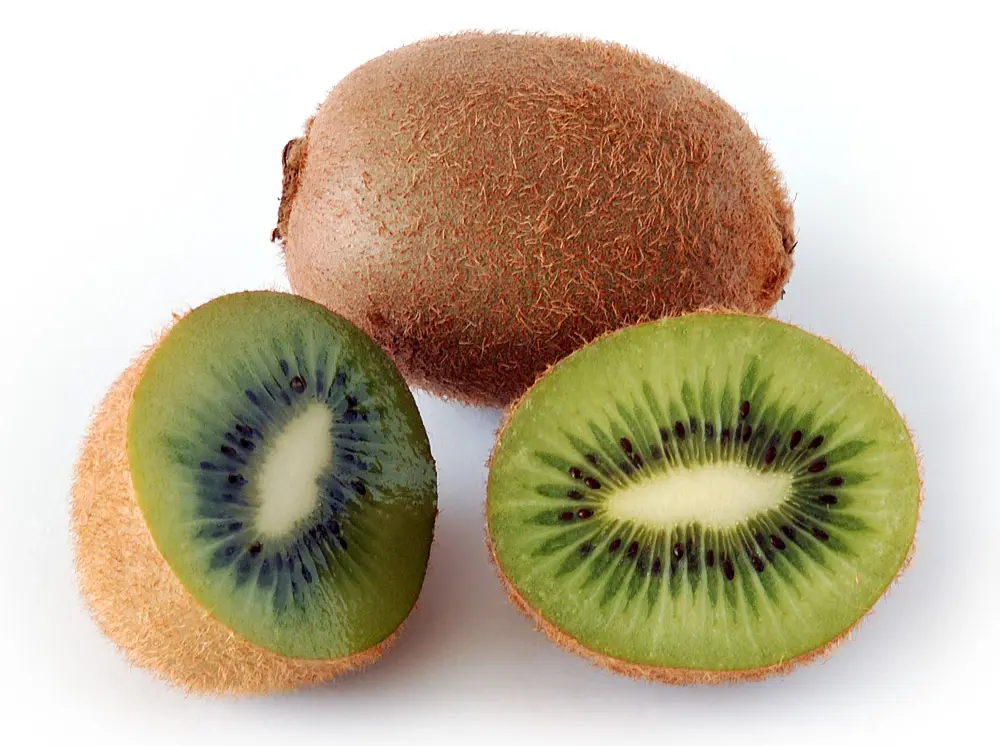
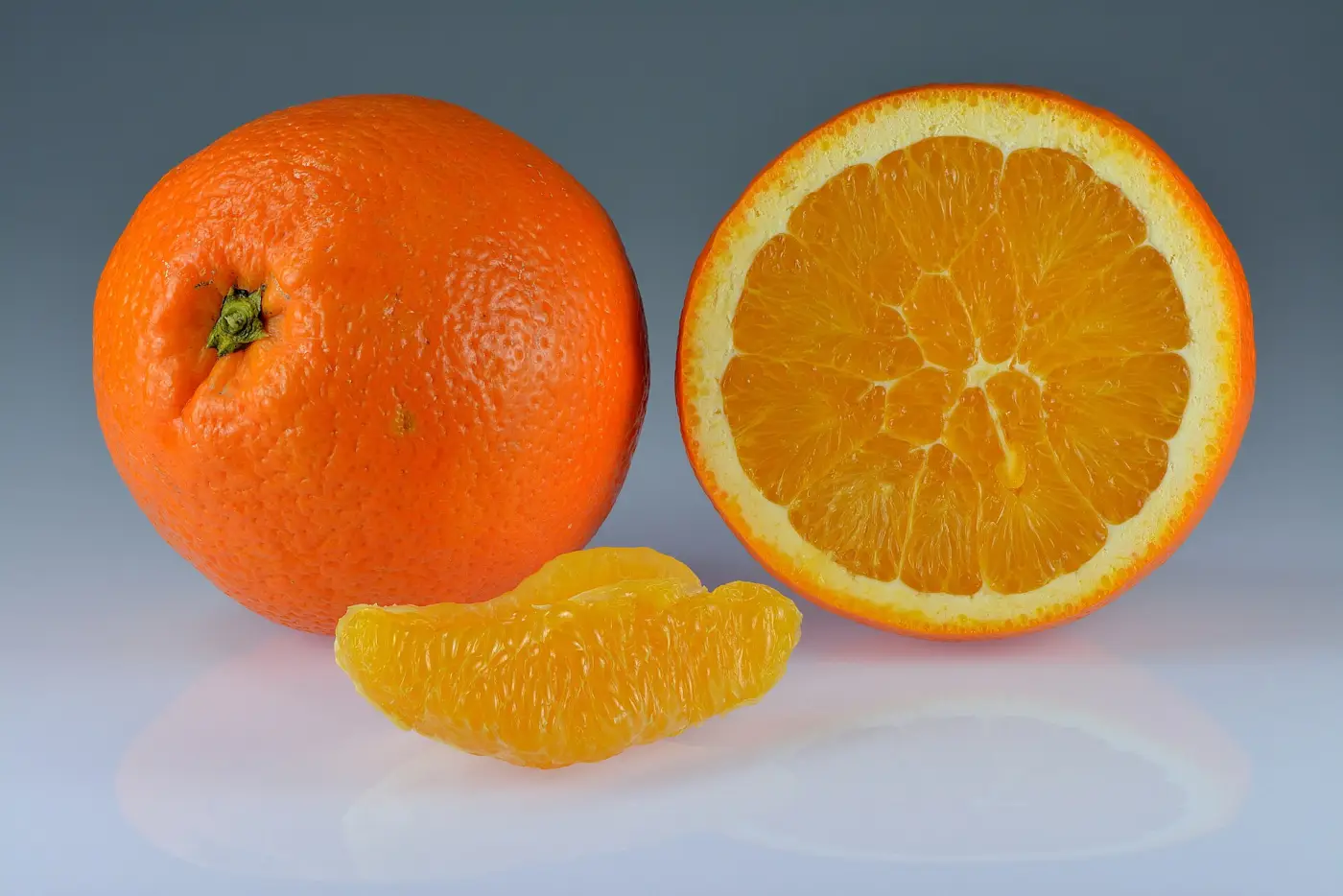
That flexibility is why the strawberry remains culturally powerful. It links kiwi, mango, and orange in the visual world of bright fruit; it links sugar and vanilla in dessert history; and it links local farming with global breeding systems. The modern strawberry is not just a sweet fruit. It is a hybrid artifact of gardens, trade, science, aesthetics, and the human desire to make nature look irresistible.
Historical Timeline
People eat and cultivate smaller wild strawberries, including woodland and regional Fragaria species
American strawberry species move into European gardens through botanical exchange
The modern garden strawberry emerges in Europe from New World parent species including Fragaria chiloensis and Fragaria virginiana
Countries develop strawberry varieties suited to local climates, markets, and growing systems
Greenhouses, cold chains, branding, and specialty breeding turn strawberries into year-round fruit and premium gifts
Japanese strawberries become a high-visibility social food trend built around beauty, sweetness, and exclusivity
Evidence Explorer
Review the Source Trail
Inspect the article sources, scoped review credits, and copyable citation details without leaving the page.
Reviewed for Stated Scope
Sources Listed
Comments
Community comments are coming soon. Check back later to join the discussion!