💡 Key Takeaways
- Chicory (Cichorium intybus) is a Mediterranean plant whose roasted root has been used for centuries as a caffeine-free coffee substitute and extender, peaking during the Napoleonic "Continental System" and the U.S. Civil War.
- Its root is exceptionally rich in inulin, a storage carbohydrate that behaves as a fermentable prebiotic fiber — the reason chicory became the industrial source of inulin for modern functional foods.
- The same chicory root once used to adulterate and stretch scarce coffee is now sold as a premium prebiotic ingredient — a clean reversal of fortune from wartime filler to wellness fiber.
What Is Chicory?
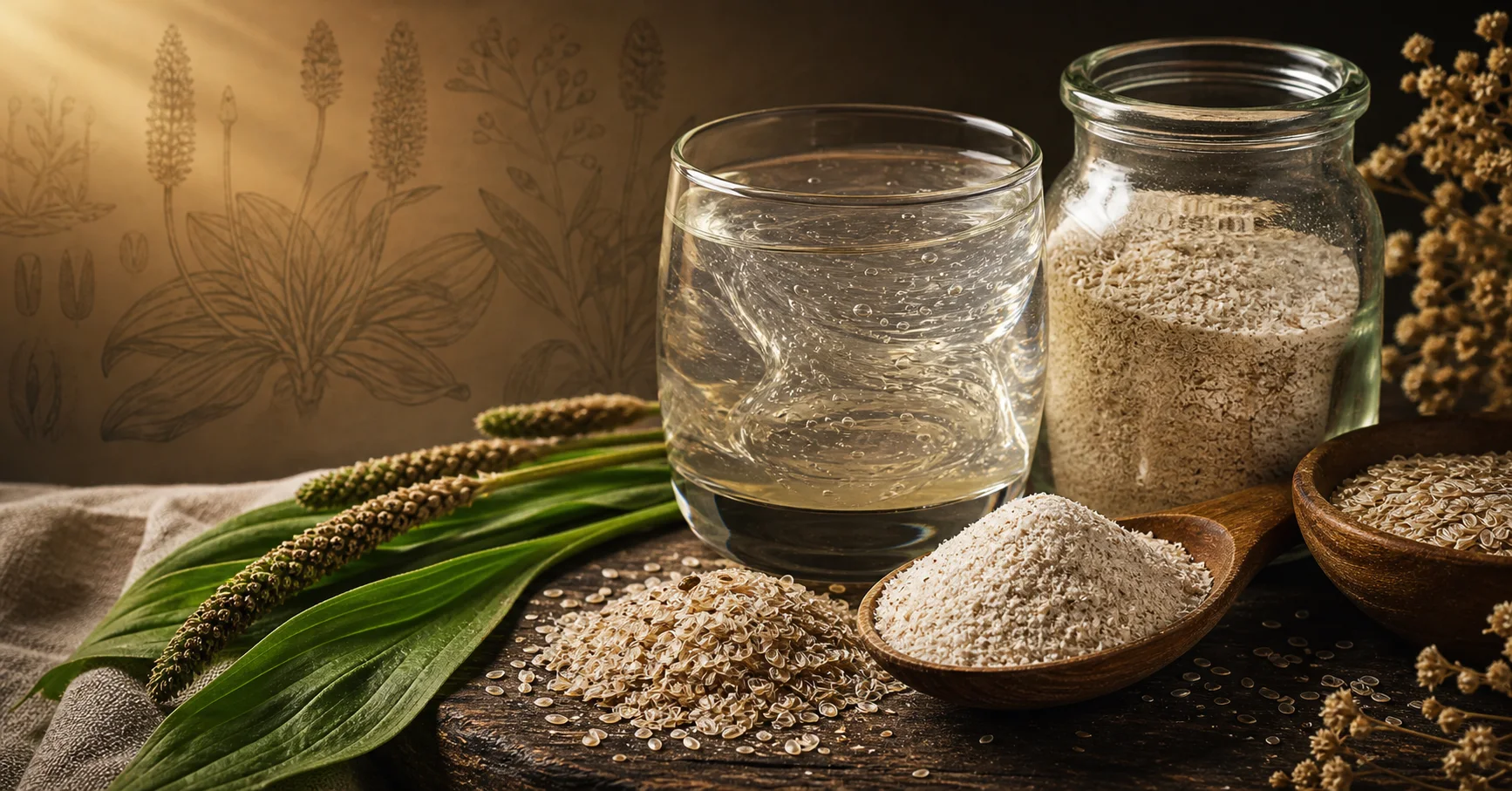
Chicory (Cichorium intybus) is a perennial plant of the dandelion family, native to Europe and western Asia, with bright blue flowers and a deep taproot [1][2]. It is one of the few plants that has been continuously useful in three quite different ways: its leaves (Belgian endive, radicchio), its root (roasted as a coffee substitute and extender), and the inulin stored in that root (extracted today as a prebiotic fiber).
This page focuses on the root. The same roasted chicory root that darkened and bittered wartime coffee now powers 2026 prebiotic sodas — a single ingredient with two opposite reputations across two centuries.
Chicory as Coffee Substitute
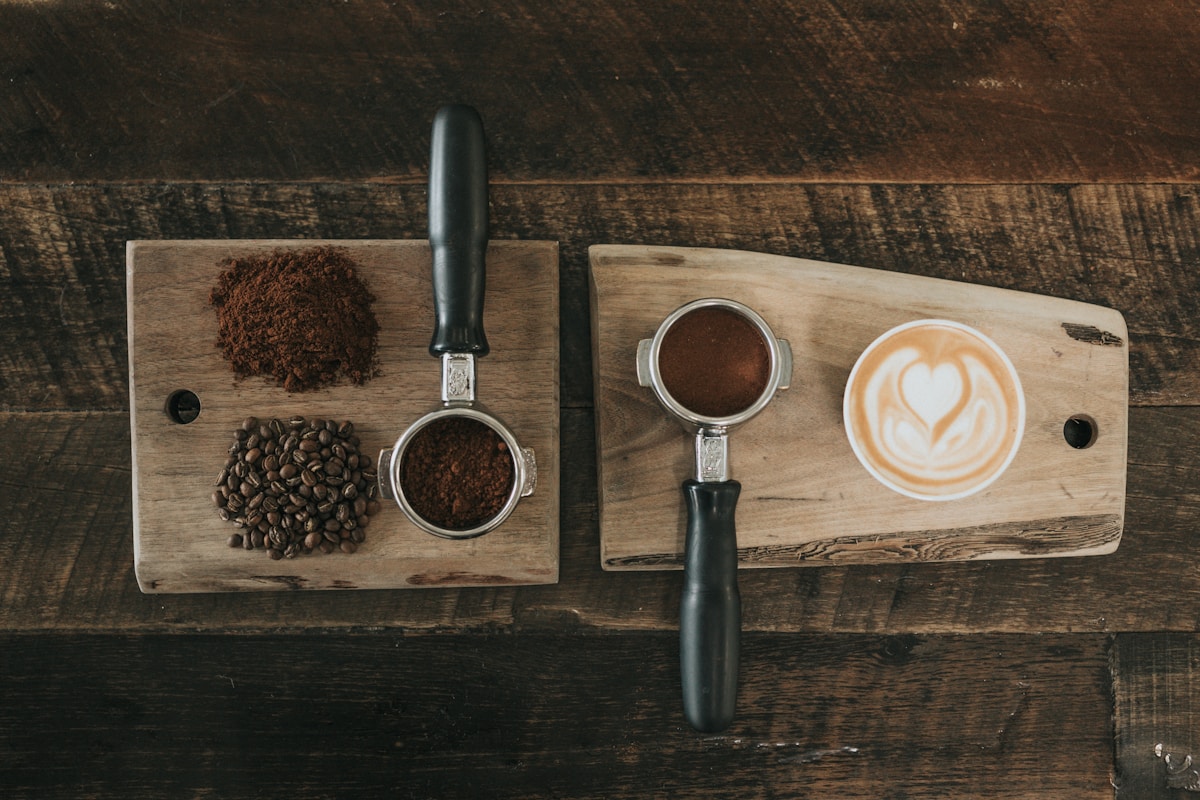
Roasted chicory root does not contain caffeine, but when dried, roasted, and brewed it produces a dark, bitter, coffee-like cup [1][3]. That made it the obvious extender whenever real coffee was scarce or taxed beyond reach. European use as a coffee substitute grew through the 17th and 18th centuries and peaked during the Napoleonic Continental Blockade (1806–1814), when France deliberately expanded chicory cultivation to replace blockaded coffee imports [3].
Chicory then crossed the Atlantic. New Orleans became — and remains — the historic center of American chicory coffee, especially after Civil War blockades made real coffee scarce in the South [3]. Café du Monde still serves coffee-and-chicory as a city tradition. In every case chicory was valued because it was cheap, available, and convincing; nobody mistook it for a wellness product.
From Wartime Filler to Inulin Source
The reversal came in the 20th century. Food scientists established that chicory root stores energy as **inulin**, a long-chain fructan and a highly fermentable fiber, at concentrations up to roughly 40–50 percent of the dry root in selected cultivars [4][5]. Chicory became the industrial crop of choice for inulin extraction — a different production stream from the coffee-substitute root.
This is the genuinely strange part of chicory's story. The same roasted root that Europeans added to coffee to stretch a scarce commodity, and that adulteration laws in several countries tried to police, is now sold at a premium as a prebiotic fiber. The material did not change; the marketing frame did. From wartime filler to fibermaxxing darling is one of the cleanest commodity-reputation flips in food history.
Chicory in the 2026 Fiber Wave
The 2026 prebiotic-soda boom runs largely on chicory-root inulin [5]. When a beverage label lists "inulin" or "prebiotic fiber" without naming a source, the default industrial source is chicory — grown today in France, Belgium, and the Netherlands specifically for fiber extraction rather than for coffee.
For The Foods That Shaped Us, chicory links coffee, inulin, psyllium, and the broader fiber story. It is the plant that connected a bitter wartime cup to a 2026 gut-health aisle without changing its chemistry. The New Orleans chicory-coffee tradition and the prebiotic-soda ingredient are the same root, separated by about a century and a half of reframing.
In the news
Recent 2026 food-culture notes that reference this article.
Historical Timeline
Chicory is eaten as a bitter leaf vegetable and used medicinally by Egyptians, Greeks, and Romans.
Roasted chicory root begins to appear in Europe as a coffee additive and substitute, prized for its color and bitter flavor when coffee is scarce or expensive.
Napoleon's Continental Blockade cuts off British goods and strains coffee imports; France expands chicory production as a national coffee substitute.
Chicory-coffee reaches the U.S.; New Orleans becomes the historic center of chicory coffee, especially during the Civil War coffee shortages.
Food scientists identify chicory-root inulin as an industrial source of prebiotic fiber; chicory cultivation splits into coffee-grade and inulin-grade crops.
Chicory inulin becomes a flagship ingredient in prebiotic sodas and fibermaxxing products, recasting a wartime filler as a wellness fiber.
Evidence Explorer
Review the Source Trail
Inspect the article sources, scoped review credits, and copyable citation details without leaving the page.
Sources Listed
Comments
Community comments are coming soon. Check back later to join the discussion!