💡 Key Takeaways
- The foundation of the taco is the tortilla, made possible by the ancient Mesoamerican chemical process of nixtamalization, which unlocks the nutritional value of corn.
- The modern concept of the "taco" likely originated in the 18th-century Mexican silver mines, where "taco" was the word for a small charge of gunpowder wrapped in paper.
- Tacos al Pastor, the iconic Mexican street food, was actually created by Lebanese immigrants in the 1930s who brought shawarma spits to Mexico and adapted them with pork and local chilies.
Where did tacos originate?
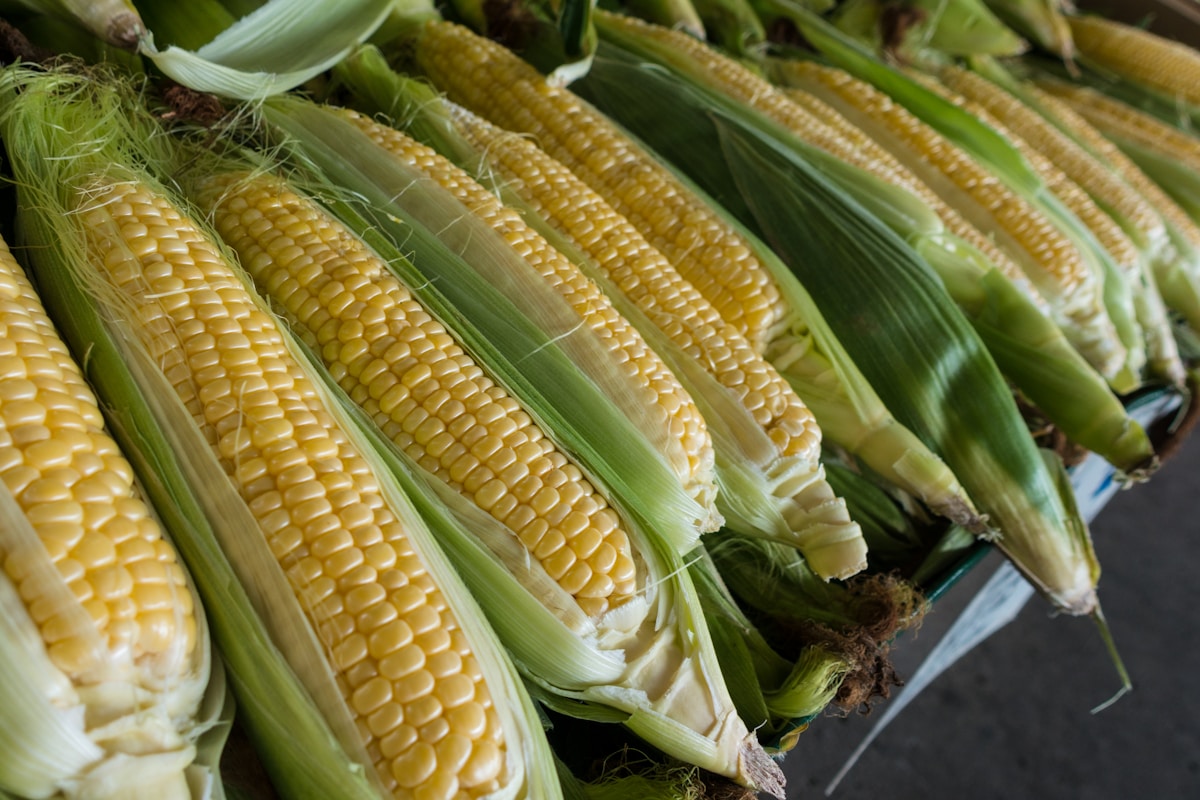
The soul of the taco is not the filling; it is the tortilla. Thousands of years ago, the indigenous peoples of Mesoamerica made a profound chemical discovery called nixtamalization. By boiling dried field corn with an alkaline substance (like wood ash or calcium hydroxide), they dissolved the corn's hard outer hull, making it easy to grind into a dough called *masa*. Crucially, this alkaline soak also freed the bound niacin (Vitamin B3) in the corn, preventing the deadly disease pellagra. Without nixtamalization, the massive empires of the Aztecs and Maya could not have survived on a corn-heavy diet. These ancient peoples used flat, griddle-baked masa discs as edible plates and utensils to scoop up beans, chilies, and small game—the biological ancestor of the taco [1].
However, the indigenous people did not call it a "taco." The word itself has a much later, more explosive origin. Historian Jeffrey M. Pilcher theorizes that the word originated in the 18th-century silver mines of Mexico. Miners used small plugs of gunpowder wrapped in paper—called *tacos*—to blast the rock face. A tortilla wrapped tightly around a spicy filling strongly resembled these explosive charges, leading to the phrase *tacos de minero* (miner's tacos) [2].
How did tacos evolve over time?
In the 19th and early 20th centuries, the taco was strictly a working-class street food in Mexico, heavily associated with the urban poor and rural migrants flocking to Mexico City. During the Mexican Revolution (1910–1920), massive numbers of refugees crossed into the United States, bringing their food with them. In cities like Los Angeles and San Antonio, women known as "Chili Queens" sold tacos in the plazas. Because the traditional ingredients of Central Mexico were hard to find in the US, these immigrants adapted, using ground beef, iceberg lettuce, and cheddar cheese, laying the groundwork for the Mexican-American taco [1].
The industrialization of the taco occurred in the mid-20th century. Frying a taco to order took too long for the booming fast-food industry. In the 1950s, entrepreneurs (most famously Glen Bell, founder of Taco Bell) began mass-producing pre-fried, U-shaped hard corn shells. This allowed the taco to be assembled in seconds and franchised globally. While entirely divorced from the fresh, soft tortillas of Mexico, the hard-shell taco became a defining staple of mid-century American cuisine [3].
Why is tacos culturally important?
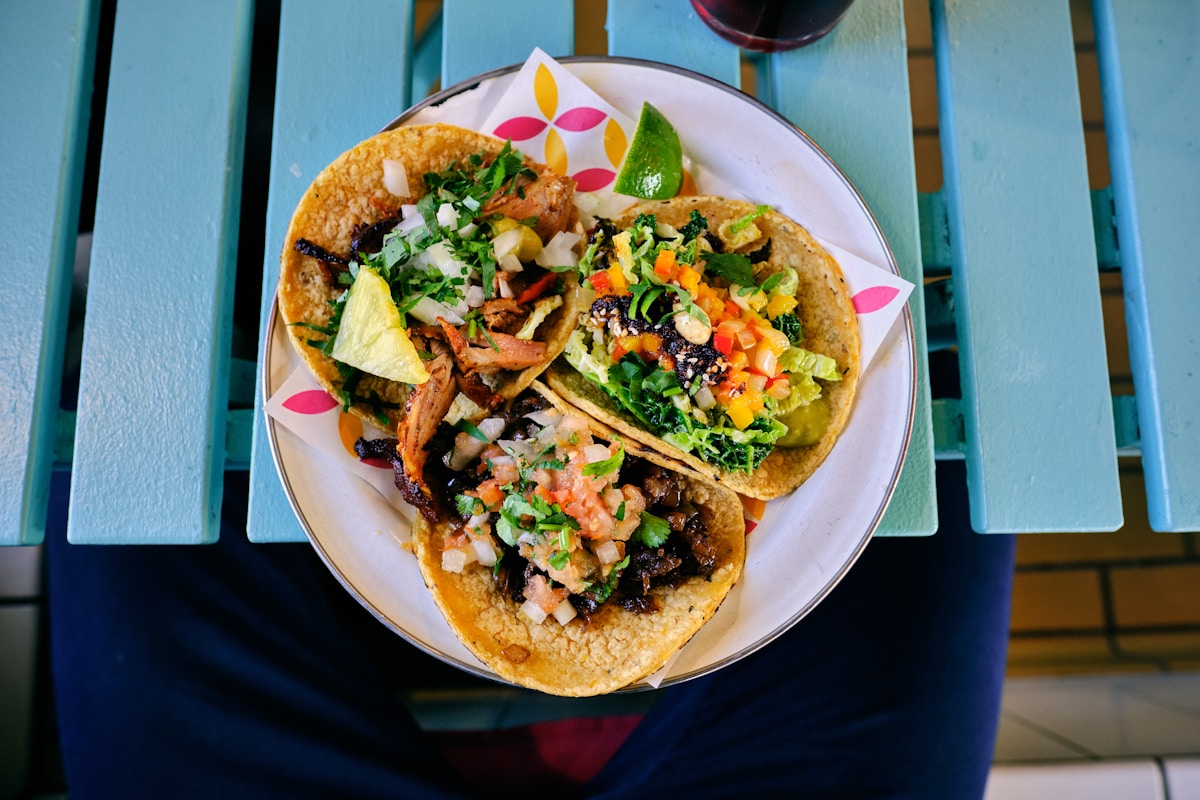
Back in Mexico, the taco was undergoing its own dynamic evolution, demonstrating its incredible ability to absorb foreign influence. In the 1930s, a wave of Lebanese immigrants arrived in Mexico, bringing with them their traditional method of roasting lamb on a vertical spit (shawarma). Over the next few decades, Mexican street vendors adapted this technology. They swapped the lamb for pork, marinated the meat in adobo (chili and achiote), and topped the spit with a pineapple. Sliced thin onto a small corn tortilla with cilantro and onion, this became *Tacos al Pastor*—the undisputed king of Mexico City street food and a brilliant fusion of Middle Eastern technique and Mesoamerican ingredients [1].
The taco represents a stark cultural dichotomy. In Mexico, a *taquería* is a deeply egalitarian space. Tacos are eaten standing up, using the hands, with the head tilted sideways—a posture that transcends social class. It is a food of immediate freshness, relying on the perfect pliability of a freshly pressed tortilla and vibrant, raw salsas [2].
Modern Renaissance
For decades, the global perception of the taco was defined by the American fast-food version: a crunchy shell, seasoned ground beef, sour cream, and yellow cheese. However, the 21st century has seen a massive push for authenticity and regionality. The food truck boom in the United States, driven heavily by first- and second-generation Mexican-Americans, reintroduced the traditional soft-corn street taco to the broader public [1].
Today, the taco is recognized as a canvas for high gastronomy. Chefs worldwide study the ancient art of nixtamalization, importing rare heirloom varietals of Mexican corn (like blue, red, and cónico corn) to grind their own masa in-house. Simultaneously, regional Mexican specialties—like the deeply savory, consommé-dipped *Birria* tacos from Jalisco, or the massive flour-tortilla *Guisado* tacos of the northern states—have achieved viral global fame. The taco has evolved from an ancient edible spoon to an explosive miner's charge, and finally, into one of the most dynamic and globally beloved culinary formats in human history [3].
In the news
Recent 2026 food-culture notes that reference this article.
Historical Timeline
Mesoamericans invent nixtamalization, soaking corn in alkaline water to make masa
The term "taco" emerges among silver miners in Real del Monte, Mexico
The first mention of a taco in the US appears in a newspaper, sold by the "Chili Queens" of San Antonio
Glen Bell invents (or steals) the pre-formed hard taco shell, leading to the creation of Taco Bell
Lebanese immigrants in Mexico City finalize the modern recipe for Tacos al Pastor
Evidence Explorer
Review the Source Trail
Inspect the article sources, scoped review credits, and copyable citation details without leaving the page.
Reviewed for Stated Scope
Sources Listed
Comments
Community comments are coming soon. Check back later to join the discussion!