💡 Key Takeaways
- Wild tomatoes (Solanum pimpinellifolium) originated in coastal Peru and Ecuador, but domestication into larger fruits occurred in Mesoamerica, where the Aztecs called them "tomatl" and cultivated them alongside maize, beans, and squash.
- After arriving in Europe in the 1520s, tomatoes were grown as ornamental curiosities for over 200 years — feared as poisonous due to their resemblance to deadly nightshade (Atropa belladonna).
- Today the tomato is the world's most consumed non-grain crop, with over 180 million tonnes produced annually and a global market exceeding $190 billion.
Where did tomato originate?
The tomato's ancestors are tiny, pea-sized berries of Solanum pimpinellifolium that still grow wild along the arid Pacific coast of Peru and Ecuador. Genetic analysis published in Molecular Biology and Evolution in 2014 confirmed that while the wild progenitor is South American, the decisive domestication — the selection for larger, multi-lobed fruits — occurred in Mesoamerica, likely in the highlands of present-day Mexico and Guatemala. The Aztecs cultivated several varieties they called "tomatl" and "xitomatl" alongside the "three sisters" of maize, beans, and squash [3].
When Hernán Cortés conquered the Aztec capital Tenochtitlán in 1521, his soldiers encountered tomatoes in the markets of Tlatelolco — already used in sauces, stews, and salsas. Bernardino de Sahagún's Florentine Codex (c. 1569) documents Aztec vendors selling tomatoes "large and small, red and yellow, mixed with chili and ground squash seeds." This was likely the world's earliest documented description of salsa. Seeds traveled back to Spain within years of the conquest, beginning one of the most transformative — and most resisted — food introductions in history [1].
How did tomato evolve over time?
In 1544, the Italian herbalist Pietro Andrea Mattioli described the tomato as "pomi d'oro" (golden apple), suggesting the first European varieties were yellow. For over two centuries, most Europeans grew tomatoes as ornamental curiosities, deeply suspicious of a fruit that belonged to the Solanaceae (nightshade) family — relatives of belladonna, henbane, and mandrake, all notorious poisons. Elite diners who ate tomatoes from pewter plates may have suffered genuine illness: the fruit's acidity leached lead from pewter, causing lead poisoning that was blamed on the tomato itself [1].
Italy's impoverished south broke the taboo. Naples, chronically hungry and densely populated, began cooking tomatoes by the late 17th century. Antonio Latini's 1692 cookbook Lo Scalco alla Moderna includes the first printed recipe for "salsa di pomodoro alla spagnuola" — tomato sauce in the Spanish style. By the 1770s, tomatoes had become indispensable in Neapolitan cooking, and the marriage of tomato sauce and dried pasta — the foundation of Italian-American cuisine — was well established [2].
Across the Atlantic, American acceptance was equally slow. The legend of Robert Gibbon Johnson publicly eating a tomato on the Salem, New Jersey courthouse steps in 1820 to prove it wasn't fatal is almost certainly apocryphal, but it captures the genuine anxiety Americans felt. Thomas Jefferson grew tomatoes at Monticello, yet mainstream adoption didn't occur until the canning industry made tomato products shelf-stable in the 1850s [1].
Why is tomato culturally important?
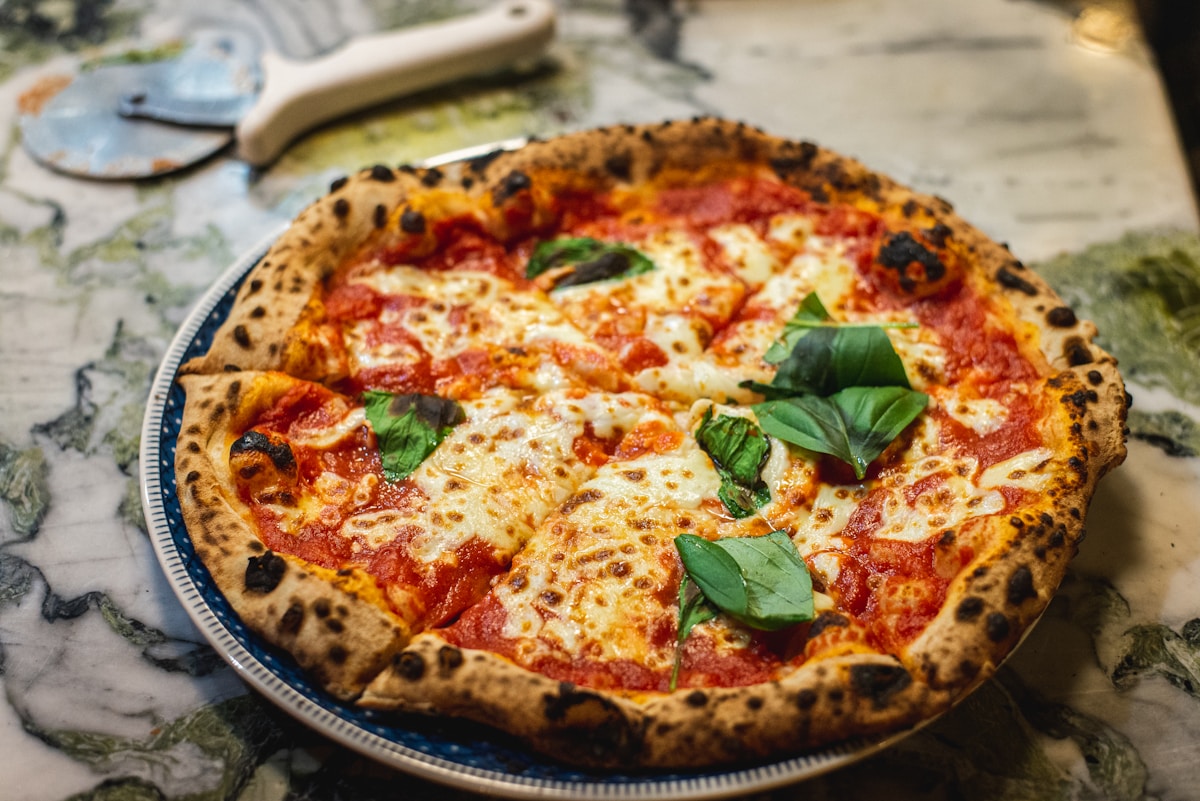
No ingredient has more profoundly reshaped a national cuisine after its adoption than the tomato did in Italy. Before the 17th century, Italian cuisine relied on verjuice, vinegar, and citrus for acidity. The tomato replaced all of these and became the unifying element of Italian cooking — from Sicilian caponata to Tuscan pappa al pomodoro to Roman cacio e pepe al pomodoro. The iconic Margherita pizza, allegedly created by Raffaele Esposito in Naples in 1889 to honour Queen Margherita with Italy's tricolour (tomato, mozzarella, basil), cemented the tomato as a symbol of Italian national identity [2].
In the Americas, tomato-based salsas remained central to Mexican cuisine through the colonial period and beyond. Today, salsa outsells ketchup in the United States — a shift that occurred around 1991 and reflects both changing demographics and the mainstreaming of Latin American food culture. Spain's gazpacho, Greece's horiatiki salad, India's tomato chutney, and West Africa's jollof rice all demonstrate how completely the tomato has been adopted by cuisines that never knew it before 1500 [1].
The tomato also sparked legal and philosophical debates about food classification. In Nix v. Hedden (1893), the U.S. Supreme Court unanimously ruled the tomato a vegetable for tariff purposes, reasoning that it was served with dinner, not dessert — despite being botanically a fruit (specifically, a berry). The case remains a standard reference in legal pedagogy [3].
Modern Renaissance
The modern tomato industry is enormous: over 180 million tonnes are produced annually, with China, India, Turkey, and the United States as the leading producers. California's Central Valley alone grows roughly 95% of U.S. processing tomatoes, producing 12 million tonnes for canned products, ketchup, and sauce. Italy's San Marzano DOP and Piennolo del Vesuvio DOP tomatoes carry protected designations, with genuine San Marzano cans commanding premium prices worldwide [2].
The tomato genome — all 35,000 genes across 12 chromosomes — was fully sequenced in 2012 by an international consortium. This has enabled targeted breeding for disease resistance, shelf life, and flavour. The latter has become a major focus: decades of breeding for uniform ripeness and shipping durability inadvertently selected against flavour compounds, producing the characteristically bland supermarket tomato. University of Florida researchers identified in 2017 the specific genes responsible for sugar, acid, and volatile compound production, opening a path to breeding tomatoes that actually taste good again [3].
Heirloom varieties have exploded in popularity: Brandywine, Cherokee Purple, Green Zebra, Black Krim, and hundreds of others fill farmers' markets and specialty grocery stores. The heirloom tomato movement — celebrating genetic diversity, flavour, and regional identity — has become one of the most visible expressions of the broader heritage food revival. From deadly nightshade suspect to the world's most beloved fruit-vegetable, the tomato's 500-year journey from Aztec tomatl to global staple is a story of persistence, prejudice overcome, and culinary revolution [1].
Historical Timeline
Aztecs cultivate tomatl varieties in the Valley of Mexico
Italian herbalist Pietro Andrea Mattioli first describes the tomato in Europe as pomi d'oro
First tomato sauce recipe appears in a Neapolitan cookbook by Antonio Latini
U.S. Supreme Court rules tomato is legally a vegetable in Nix v. Hedden
Tomato genome fully sequenced, revealing 35,000 genes across 12 chromosomes
Evidence Explorer
Review the Source Trail
Inspect the article sources, scoped review credits, and copyable citation details without leaving the page.
Reviewed for Stated Scope
Sources Listed
Comments
Community comments are coming soon. Check back later to join the discussion!