💡 Key Takeaways
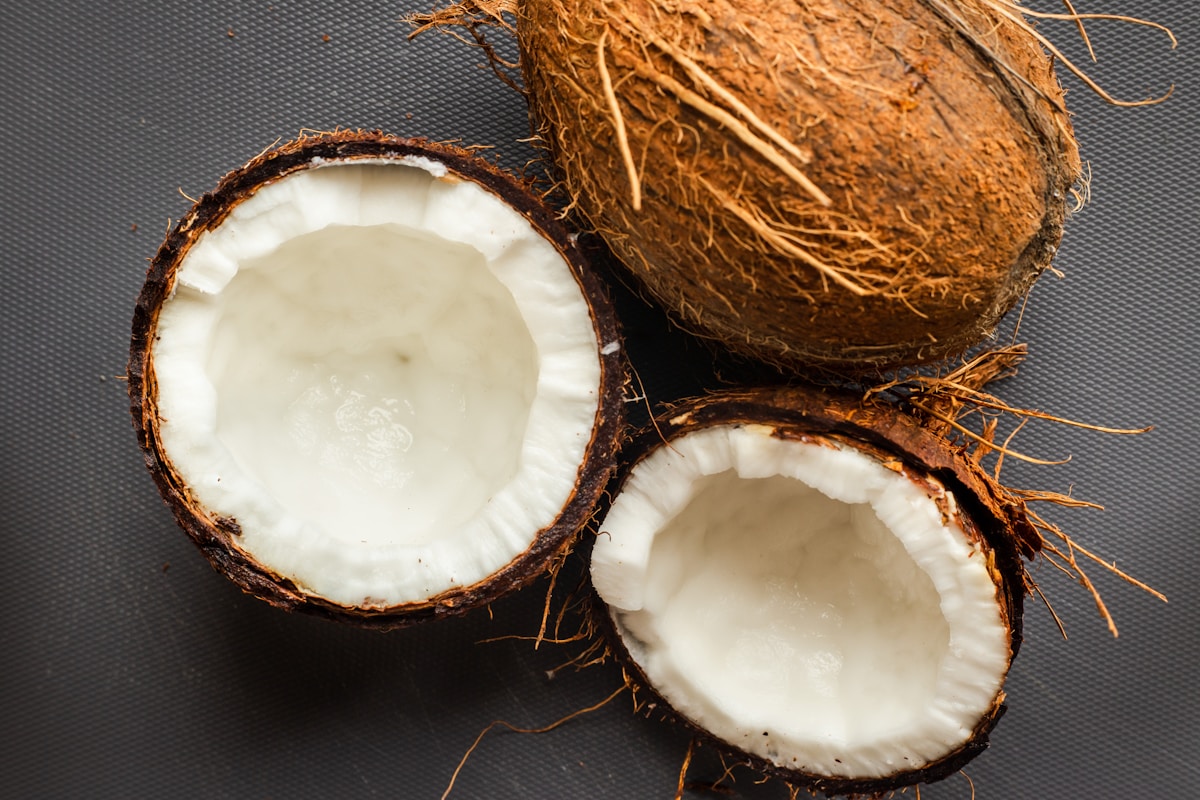
- Coconut milk is made by extracting fat-rich liquid from grated mature coconut flesh, not from the clear water inside the nut.
- Its history follows coconut cultivation, Austronesian seafaring, and Indian Ocean trade routes.
- Coconut milk became essential to curries, stews, sweets, and ritual foods across Southeast Asia, South Asia, Africa, and the Caribbean.
Where did coconut milk originate?
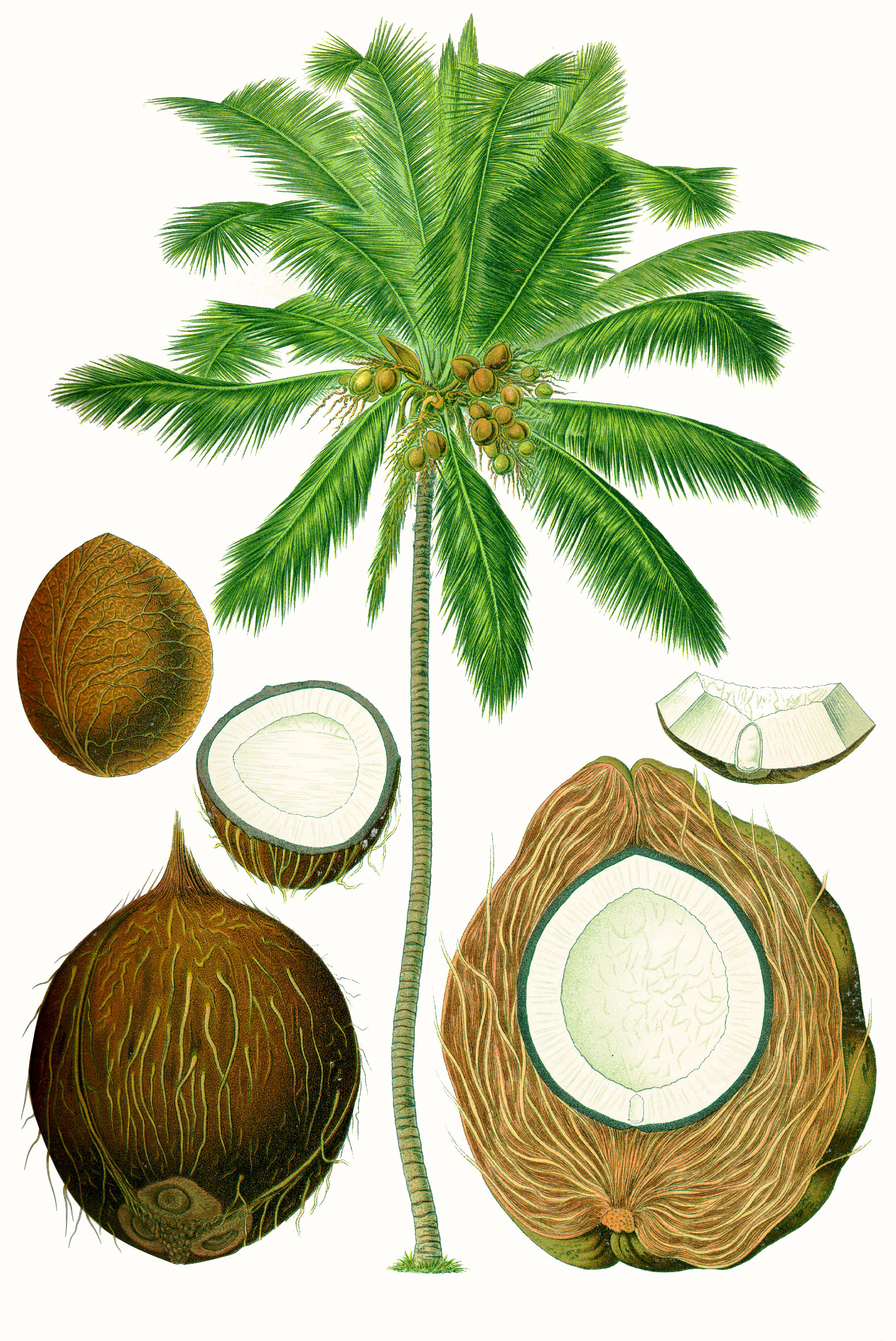
Coconut milk begins with the coconut palm, one of the great traveling plants of the tropics. The palm spread through a mix of ocean drift, coastal cultivation, and human seafaring, especially among Austronesian-speaking peoples who moved across Island Southeast Asia and the Pacific. Wherever mature coconuts were abundant, cooks learned to grate the white flesh and squeeze it with water into a rich liquid.
This liquid is not coconut water. Coconut milk is an extraction of fat, protein, and flavor from the mature nut. It gave tropical cooks something precious: creaminess without dairy, richness in humid climates, and a way to bind spices, starches, seafood, and vegetables into satisfying meals.
How did coconut milk evolve over time?
Coconut milk followed maritime worlds. Austronesian sailors carried coconuts, bananas, taro, and other crops across vast distances. Indian Ocean trade then connected coconut-rich regions of South Asia, Southeast Asia, East Africa, and the Middle East. In each place, coconut milk entered local cooking differently.
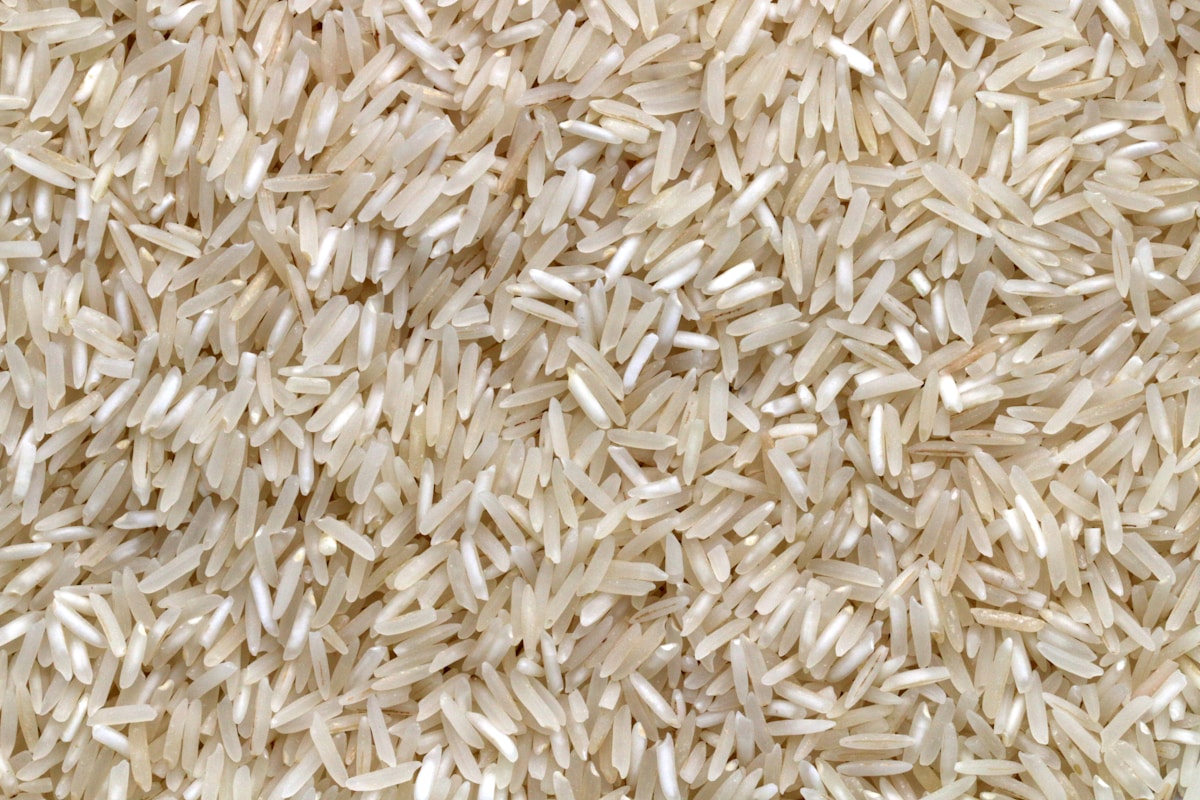
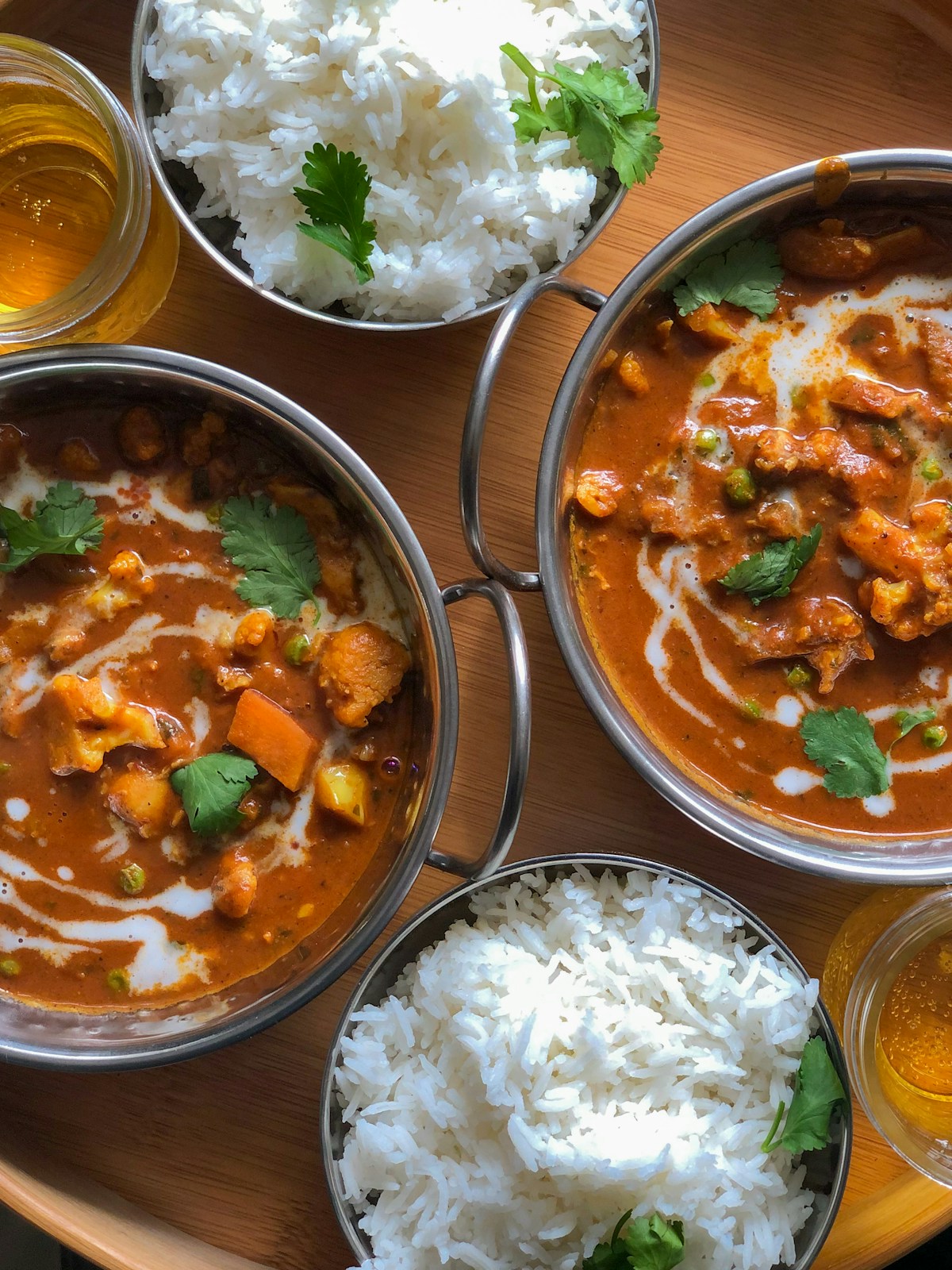
In Southeast Asia, it became foundational to curries, laksa, rendang, rice cakes, and sweets. In South India and Sri Lanka, it enriched vegetable stews, fish curries, appam, and festive dishes. Along the Swahili coast, coconut milk met rice, seafood, and spice trade flavors. In the Caribbean, colonial movement, African diasporic cooking, and tropical agriculture brought coconut milk into rice and peas, stews, drinks, and desserts.
Because coconut milk is perishable, its history was long tied to fresh household preparation. Canned and powdered forms later made it a global pantry item, changing how far the flavor could travel.
Why is coconut milk culturally important?
Coconut milk is a quiet architect of tropical cuisines. It softens chili heat, carries aromatic compounds, enriches rice, and turns lean vegetables or seafood into complete meals. It also appears in ritual and festive foods, where richness signals abundance.
Its importance is partly environmental. In many tropical coastal regions, dairy animals were less central than in temperate pastoral societies. Coconut milk offered a local form of creaminess shaped by palms rather than herds. This makes it a reminder that culinary richness has many ecological sources.
The ingredient also tells a story of movement. Few foods so clearly connect islands, monsoon routes, plantation histories, and modern vegan kitchens.
How is coconut milk used today?
Today, coconut milk is used in Thai curry, Indonesian rendang, Filipino ginataan, Sri Lankan kiri hodi, South Indian stews, Caribbean rice dishes, smoothies, ice creams, and dairy-free baking. Its global popularity has grown with interest in plant-based cooking.
Modern demand raises questions about labor, monoculture, and sustainability in coconut-producing regions. Still, at its best, coconut milk remains what it has always been: a deeply practical tropical technology for turning a hard-shelled fruit into silk, body, and flavor.
Historical Timeline
Coconut palms spread with coastal peoples across Island Southeast Asia and the Pacific
Grated coconut extraction becomes central to tropical stews, sweets, and rice dishes
Indian Ocean trade carries coconut foodways between South Asia, Southeast Asia, East Africa, and the Middle East
Coconut cultivation expands in plantation economies and Caribbean cuisines
Coconut milk becomes a global dairy alternative and pantry staple
Evidence Explorer
Review the Source Trail
Inspect the article sources, scoped review credits, and copyable citation details without leaving the page.
Sources Listed
Comments
Community comments are coming soon. Check back later to join the discussion!