💡 Key Takeaways
- Cassava was domesticated by Indigenous peoples in South America, especially in and around the Amazon Basin.
- Its safe use depends on sophisticated processing that removes or reduces naturally occurring cyanogenic compounds.
- After the Columbian Exchange, cassava became a crucial staple in Africa and across the tropics because it grows where many crops struggle.
Where did cassava originate?
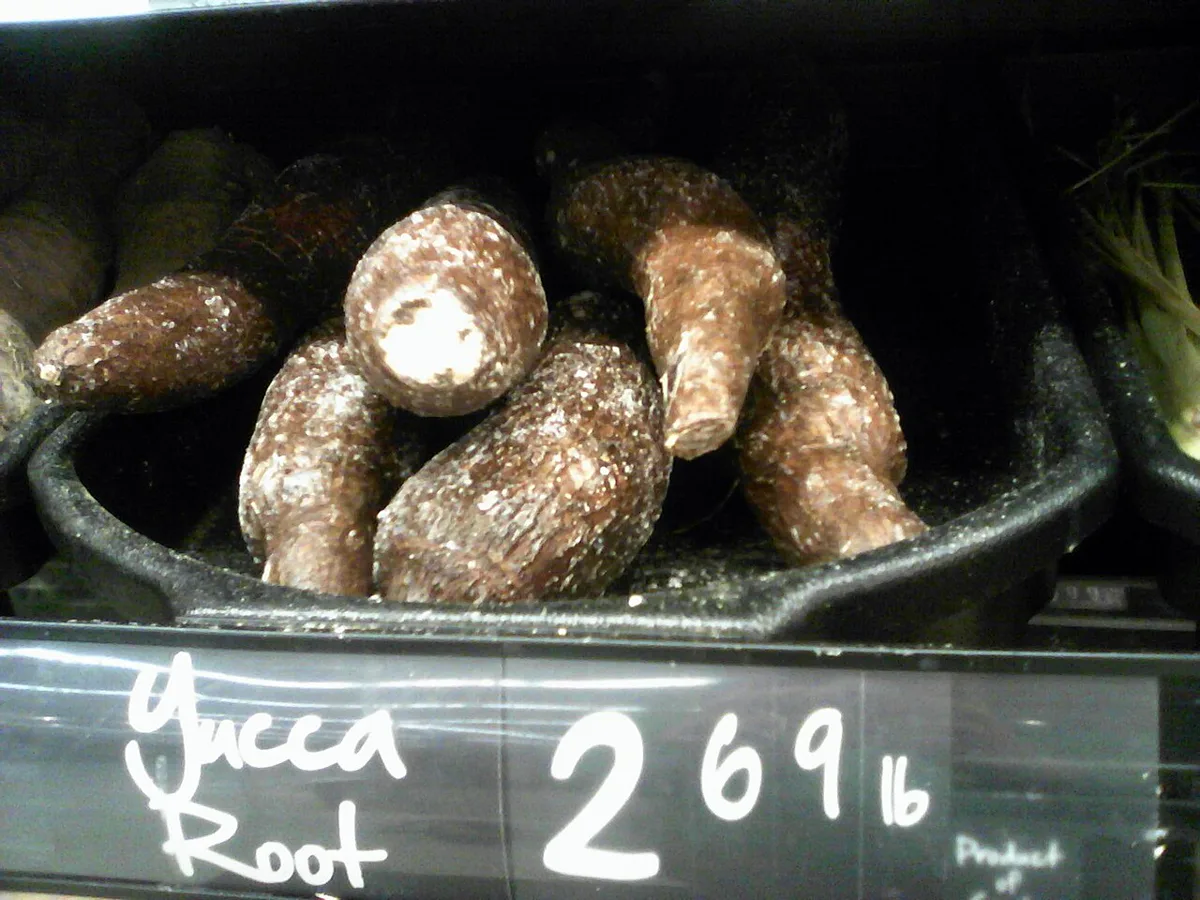
Cassava is one of the great achievements of Indigenous American agriculture. Domesticated in tropical South America, it offered a remarkable bargain: high calories, flexible harvest timing, and resilience in difficult soils. But it also demanded knowledge. Many cassava varieties contain cyanogenic compounds that can be harmful if the root is not processed correctly.
Indigenous communities developed methods to grate, soak, press, ferment, toast, and bake cassava into safe foods. This was not simple trial and error. It was a sophisticated food technology that transformed a potentially toxic root into flour, flatbread, beer, porridge, and long-lasting staples.
How did cassava evolve over time?
Before European contact, cassava supported communities across the Amazon, Caribbean, and tropical lowlands. It fit shifting cultivation systems and could remain in the ground until needed, functioning almost like a living pantry. Cassava bread and flour traveled well, making them useful for trade and journeys.
After the 16th century, Portuguese traders carried cassava to Africa. There it spread widely because it tolerated poor soils, irregular rainfall, and periods of conflict better than many grains. Its adoption was not automatic; African farmers adapted it into local food systems, processing methods, and cuisines.
Cassava also became tied to plantation economies, forced labor, and colonial survival. It fed enslaved people, sailors, soldiers, and rural households. Over time, it became so embedded in African, Caribbean, Brazilian, and Southeast Asian cuisines that many communities now consider it part of their own food heritage.
Why is cassava culturally important?
Cassava's history is a reminder that staple foods are not always simple. Its importance rests on knowledge: how to read varieties, process roots, remove bitterness, and turn starch into nourishment. Indigenous processing tools such as woven presses and griddles represent engineering as much as cooking.
In Africa, cassava became gari, fufu, lafun, chikwangue, and many other foods. In Brazil, it became farinha, tapioca, and festival dishes. In the Caribbean, it remained linked to Indigenous survival and creole foodways. Across the tropics, cassava fed people through scarcity.
Because it is so hardy, cassava is sometimes treated as poor people's food. That misses its genius. It is a crop of resilience, adaptation, and human skill.
How is cassava used today?
Today, cassava is one of the world's most important tropical staples. It is eaten boiled, fried, grated, fermented, dried, and pounded. Its starch thickens foods, makes tapioca pearls, supports gluten-free baking, and serves industrial uses from paper to textiles.
Food security experts study cassava because it can withstand climate stress, but diseases and market instability remain serious challenges. Its future will depend on honoring the farmers and processors who know the crop best. Cassava's story began with Indigenous science, and its modern value still depends on local knowledge.
In the news
Recent 2026 food-culture notes that reference this article.
Historical Timeline
Cassava is domesticated by Indigenous peoples in tropical South America
Processing technologies turn bitter cassava into flour, bread, and fermented foods
Portuguese traders carry cassava across the Atlantic to Africa
Cassava becomes a major staple in parts of West, Central, and East Africa
Cassava starch and tapioca become global industrial and culinary products
Evidence Explorer
Review the Source Trail
Inspect the article sources, scoped review credits, and copyable citation details without leaving the page.
Sources Listed
Comments
Community comments are coming soon. Check back later to join the discussion!