💡 Key Takeaways
- Couscous is most closely associated with Amazigh and wider North African foodways, where steamed semolina became a staple of home cooking and hospitality.
- Its spread followed medieval trade, migration, and conquest across the Maghreb, Mediterranean, and Sahara.
- Couscous remains a powerful marker of identity, family ritual, and regional variation from Morocco to Tunisia and beyond.
Where did couscous originate?
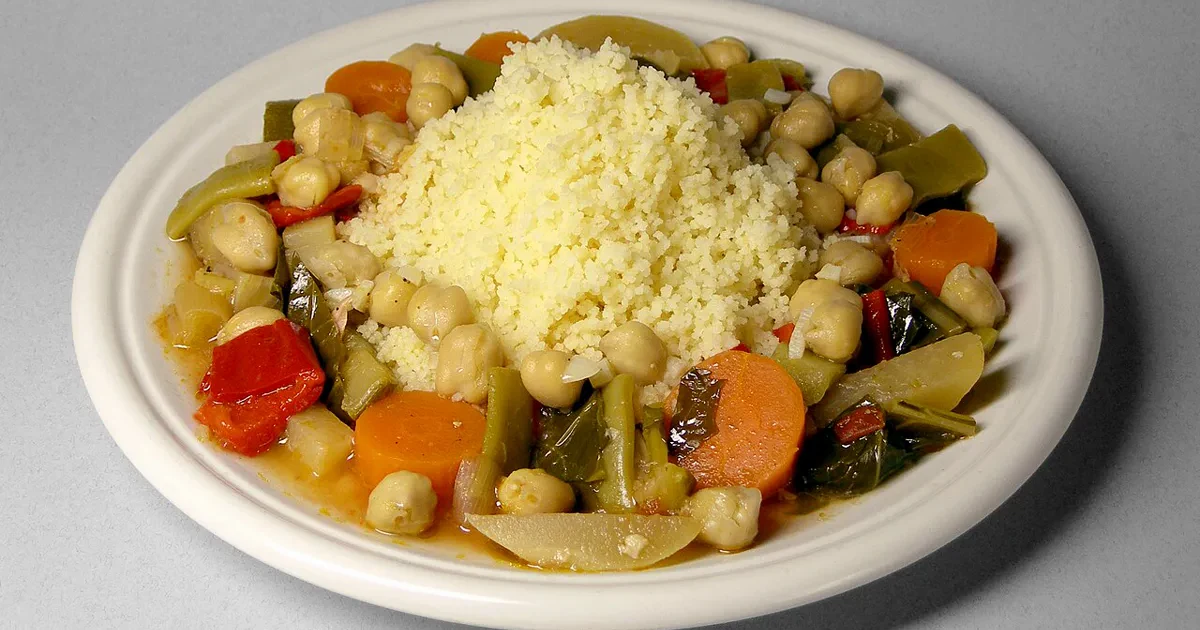
Couscous is one of the signature foods of North Africa, especially the Maghreb. Its deepest roots are commonly linked to Amazigh communities, whose grain agriculture, pastoral life, and ceramic steaming vessels shaped the dish long before it became an international restaurant staple. The word refers both to the tiny rolled grains and to the complete dish served with broth, vegetables, legumes, and meat.
Unlike rice or bulgur, traditional couscous is not simply simmered in water. Semolina is moistened, rolled by hand, dried, and steamed in stages. This method creates separate, tender grains that absorb the aroma of the stew beneath them. The technique reflects a sophisticated grain culture: economical, portable, and perfectly suited to feeding families and guests from a shared platter.
How did couscous evolve over time?
Couscous traveled through the same networks that moved salt, gold, spices, scholars, and pilgrims across the medieval Islamic world. North African dynasties connected cities such as Fez, Marrakesh, Tlemcen, Tunis, and Cairo to Saharan caravan routes and Mediterranean ports. As cooks moved, the dish adapted to local grains, vegetables, and seasonings.
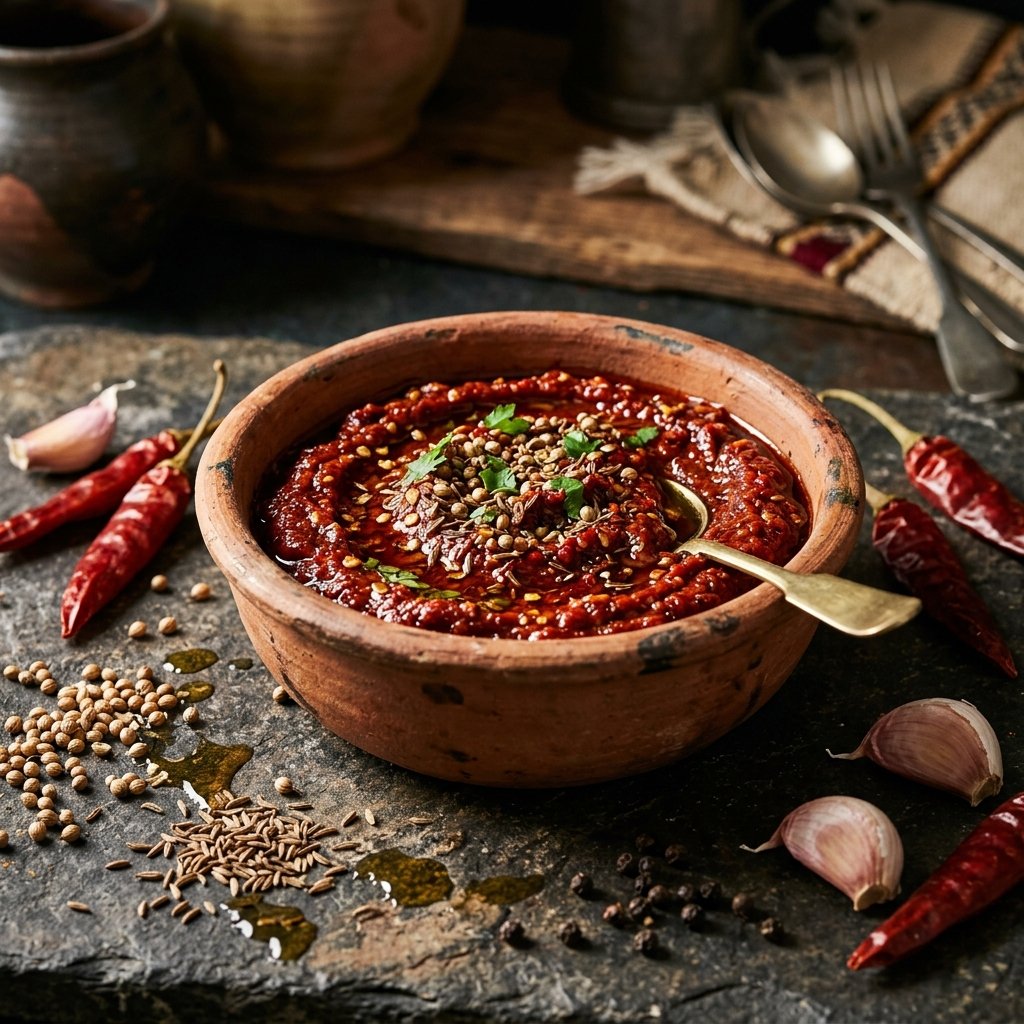
In medieval Andalusi and Arabic cookery, couscous-like preparations appear as part of a wider western Islamic cuisine. Later, Ottoman, Arab, Amazigh, Jewish, and Mediterranean communities developed their own versions: sweet couscous with cinnamon and dried fruit, fish couscous seasoned with spicy Tunisian harissa along the Tunisian coast, lamb couscous for celebrations, and vegetable-heavy versions for everyday meals.
Colonialism changed couscous again. French soldiers, settlers, and administrators encountered it in North Africa, while migration in the 20th century made couscous a familiar food in France and beyond. What began as a regional staple became one of the most recognizable dishes of the Mediterranean world.
Why is couscous culturally important?
Couscous is not just a side dish. In many households it is a meal of gathering, patience, and hospitality. The labor of rolling and steaming grains traditionally belonged to family knowledge passed across generations, and the shared platter reinforced ideas of generosity and belonging.
Its meanings vary by place. In Morocco, a Friday couscous after communal prayer is a beloved rhythm of the week. In Algeria, Tunisia, Libya, and Mauritania, couscous carries regional pride and local variation. Jewish North African communities also preserved couscous traditions through migration, bringing them to Israel, France, and the Americas.
The UNESCO recognition of couscous practices as shared heritage is especially fitting. Few foods so clearly show that culinary identity can be local and collective at the same time: claimed proudly by individual communities, yet sustained by centuries of exchange.
How is couscous used today?
Today, couscous exists in two worlds. In its traditional form, it remains a carefully steamed ceremonial and family food. In its instant form, it has become one of the fastest weeknight grains in global supermarkets. The convenience version is useful, but it can obscure the craft behind the original dish.
Chefs now use couscous in salads, bowls, stuffed vegetables, and fine-dining interpretations, while North African cooks continue to defend the importance of texture, steam, broth, and seasonal ingredients. Its modern popularity is not a break from history. It is the latest chapter in a food built to travel, absorb, and bring people around a common dish.
Historical Timeline
Written references and archaeological evidence point to couscous becoming established in North African cooking
Caravan routes link couscous-producing regions with Saharan and Mediterranean markets
Arabic cookery manuscripts record dishes resembling couscous in western Islamic cuisine
French colonial rule and migration carry couscous into European public awareness
UNESCO recognizes couscous knowledge and practices as shared intangible cultural heritage of several North African countries
Evidence Explorer
Review the Source Trail
Inspect the article sources, scoped review credits, and copyable citation details without leaving the page.
Sources Listed
Comments
Community comments are coming soon. Check back later to join the discussion!