💡 Key Takeaways
- Residues of turmeric have been identified on starch grains from cooking pots at the Indus Valley site of Farmana (c. 2500 BCE), confirming culinary use over 4,500 years ago.
- India produces roughly 80% of the world's turmeric — about 1.1 million tonnes annually — with Erode in Tamil Nadu known as "Turmeric City" and hosting Asia's largest turmeric market.
- Curcumin, turmeric's primary bioactive compound, has been the subject of over 12,000 peer-reviewed studies examining anti-inflammatory, antioxidant, and potential anti-cancer properties.
Where did turmeric originate?
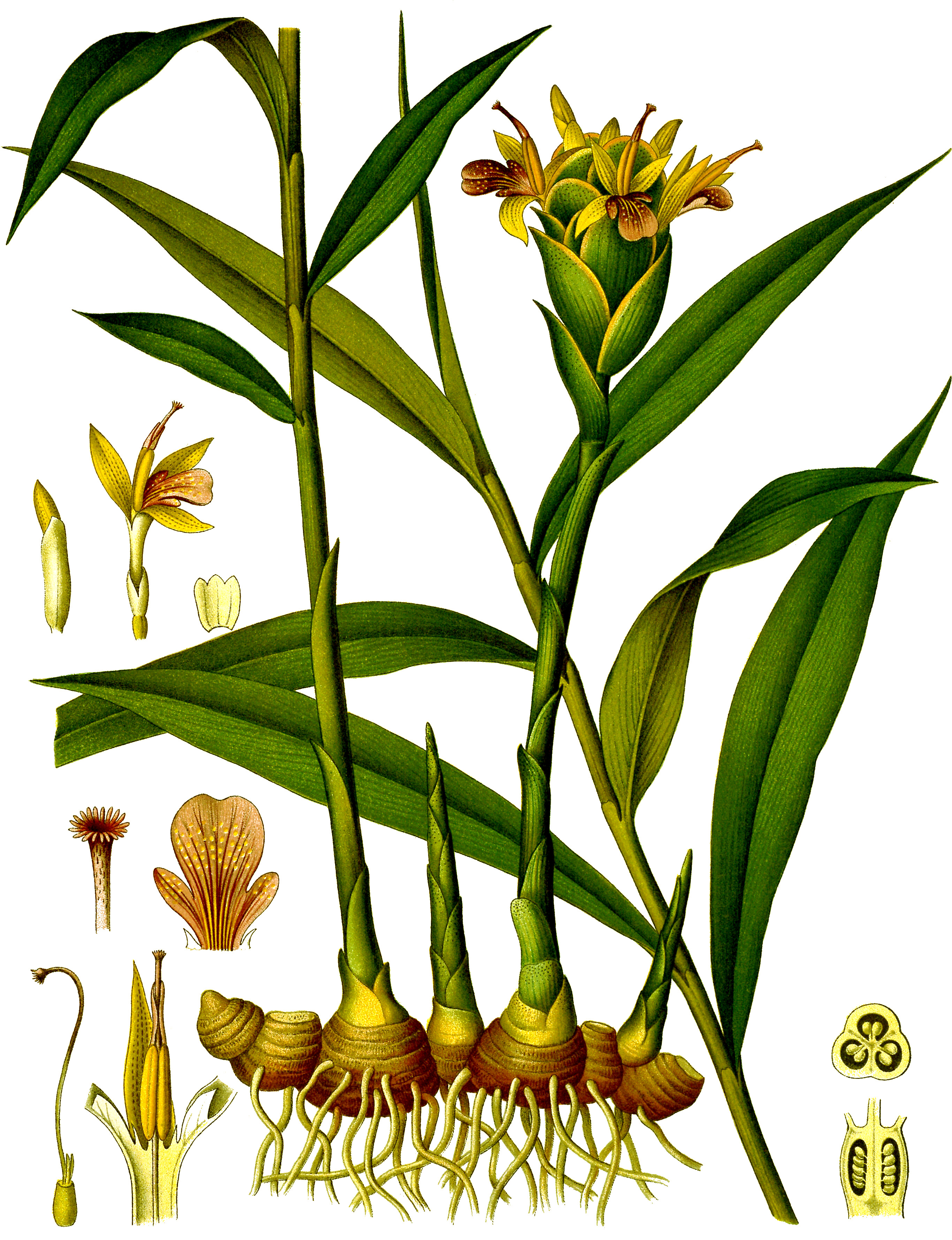
Turmeric (Curcuma longa) is a rhizomatous perennial plant in the ginger family (Zingiberaceae), native to the monsoon forests of South and Southeast Asia. Genetic analysis published in Molecular Phylogenetics and Evolution suggests the species was first domesticated on the Indian subcontinent, where wild relatives still grow in the Western Ghats. Starch grain analysis from cooking vessels at the Harappan-era site of Farmana (c. 2500 BCE) revealed turmeric residues alongside ginger and garlic, placing its culinary use firmly in the Bronze Age [1].
The earliest textual references appear in the Atharva Veda (c. 1500 BCE), where turmeric is called "haridra" and prescribed for jaundice and skin conditions. By the time the Sushruta Samhita was compiled (c. 600 BCE), turmeric had an established role in Ayurvedic medicine — inhaled as a fumigant for congestion, applied as a paste for wounds and inflammation, and consumed in warm milk as a general tonic. This 4,000-year tradition of medicinal use would eventually collide with modern pharmacology in ways that sparked both scientific excitement and intellectual property controversy [2].
How did turmeric evolve over time?
Turmeric reached Southeast Asia with migrating Austronesian peoples, becoming integral to the cuisines and ceremonial life of Indonesia, Malaysia, and the Philippines. Javanese jamu (herbal medicine) traditions, dating back at least 1,300 years and depicted on Borobudur temple reliefs, use turmeric as a foundational ingredient [3].
Arab and Persian traders carried turmeric westward by the 7th century CE, where it became known in Arabic as kurkum — the etymological root of "curcumin." Marco Polo encountered it in China in 1280 and described it as a vegetable with "the properties of saffron, yet it is not really saffron." Because turmeric could approximate saffron's golden colour at a fraction of the cost, it became a common adulterant and substitute across medieval Europe, sometimes marketed as "terra merita" (meritorious earth) — the origin of the French word terre-mérite, later anglicised to "turmeric" [1].
European colonial powers commercialised turmeric production across South Asia. The British East India Company traded it alongside pepper and cardamom, while Dutch VOC merchants distributed it through their Indonesian spice network. By the 19th century, Erode in Tamil Nadu had emerged as India's turmeric trading capital — a title it retains today, with the Erode Turmeric Merchants Association operating Asia's largest dedicated turmeric market [2].
Why is turmeric culturally important?
No spice is more deeply embedded in South Asian ritual life than turmeric. The Hindu haldi ceremony — in which turmeric paste is applied to a bride and groom's skin before their wedding — is practised across virtually every Indian community regardless of region or caste, symbolising purification, fertility, and the warding off of evil spirits. In Tamil Nadu, a turmeric-dyed string (thali) tied around the bride's neck constitutes the legally and religiously binding act of marriage [1].
In Balinese Hinduism, turmeric colours offerings placed at temple gates daily. In Thai Buddhist practice, turmeric paste is applied to statues during Songkran (New Year) blessings. Among the Maori of New Zealand, turmeric (renga renga) was one of the few spices used in pre-European cooking and ritual [3].
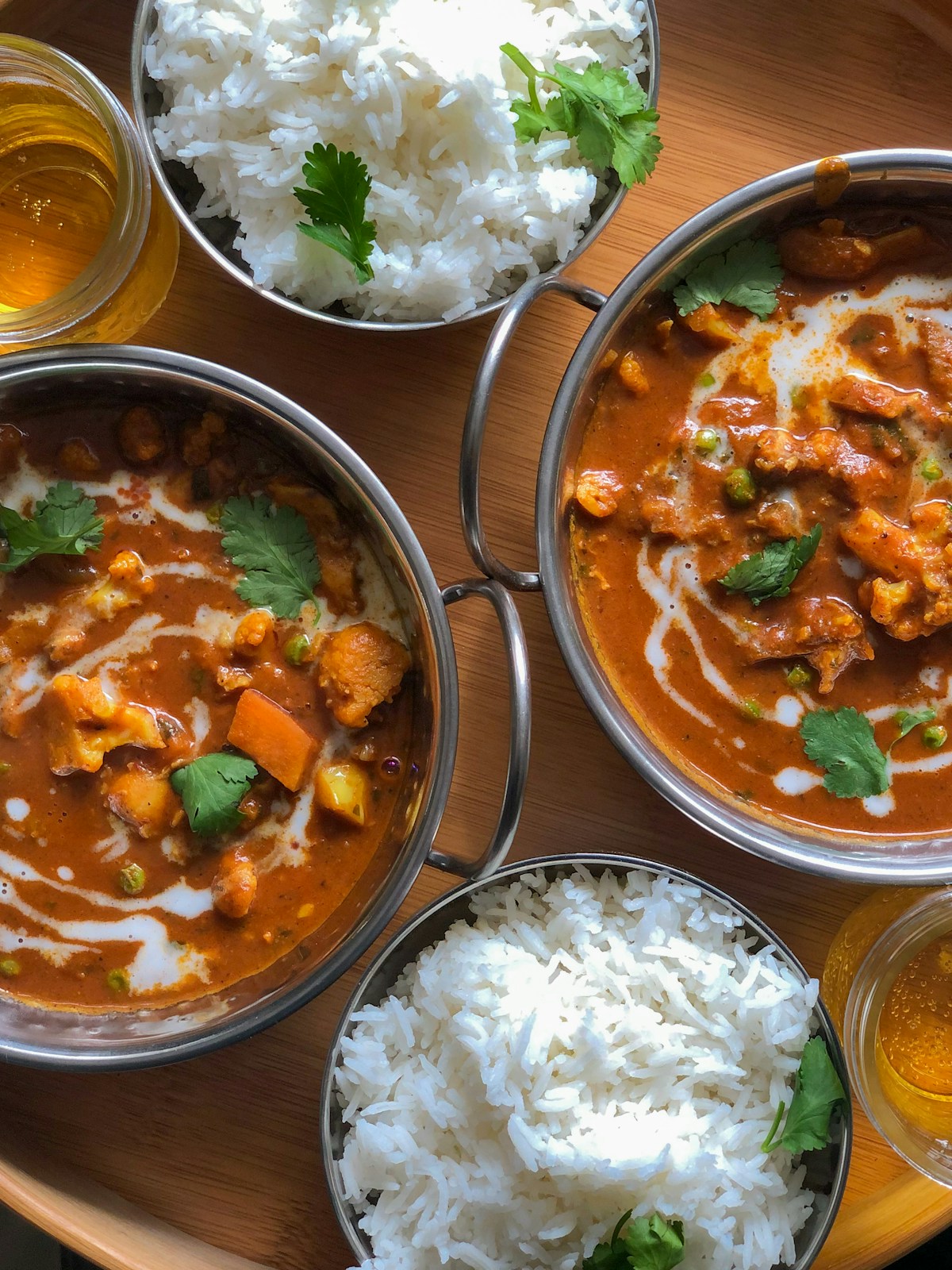
Culinarily, turmeric is the backbone of curry powders worldwide. The compound curcumin provides the characteristic yellow colour in Indian dal, Thai khao soi, Moroccan chermoula, Indonesian rendang, and even American yellow mustard (where it is the primary colorant, listed as E100 in European food additive codes). Its earthy, slightly bitter flavour and extraordinary dyeing power — a single gram can colour 10 kilograms of rice — make it uniquely versatile [2].
Modern Renaissance
Turmeric's modern explosion began with scientific interest in curcumin, first isolated by Vogel and Pelletier in 1815, then structurally characterised by Lampe in 1910. By 2020, PubMed listed over 12,000 peer-reviewed studies on curcumin, investigating anti-inflammatory, antioxidant, neuroprotective, and potential anti-cancer properties. Clinical trials have shown measurable benefits for osteoarthritis pain and metabolic syndrome markers, though curcumin's notoriously low oral bioavailability (less than 1% is absorbed) limits its pharmacological potential without enhancement [2].
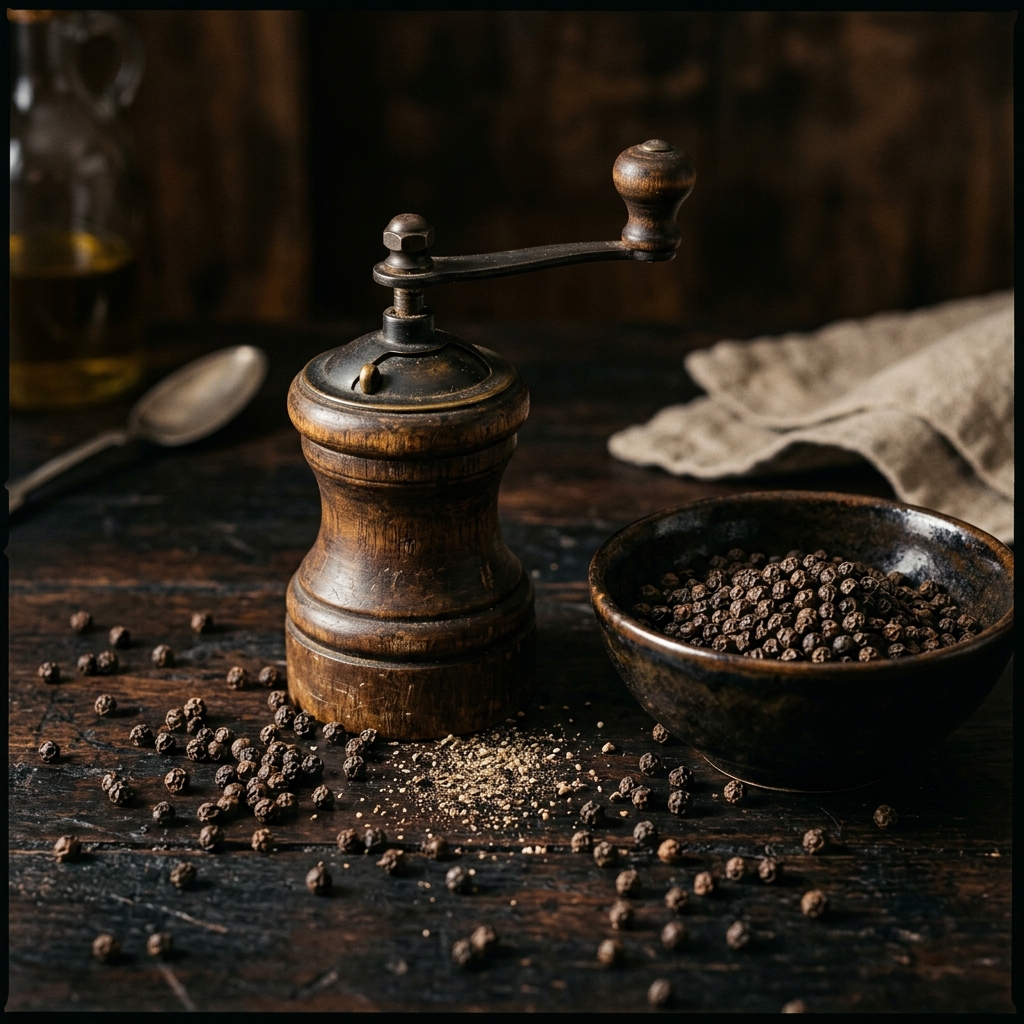
The bioavailability problem has itself become a billion-dollar industry. Supplements combining curcumin with piperine (the active compound in black pepper, which increases absorption by up to 2,000%) or liposomal delivery systems now dominate the nutraceutical market. "Golden milk" — turmeric lattes made with milk, honey, and pepper — became a cafe staple worldwide in the 2010s, driven by wellness culture and Instagram aesthetics [1].
A landmark intellectual property case placed turmeric at the intersection of traditional knowledge and patent law. In 1995, the University of Mississippi received U.S. Patent 5,401,504 for turmeric's wound-healing properties. India's Council of Scientific and Industrial Research (CSIR) challenged the patent, presenting ancient Sanskrit medical texts as prior art. The U.S. Patent Office revoked it in 1997 — the first successful challenge under the TRIPS traditional knowledge framework and a milestone in the protection of indigenous bio-resources [3].
Historical Timeline
Turmeric cultivated in the Indian subcontinent; referenced in early Vedic texts
Turmeric enters Ayurvedic pharmacopoeia as a key medicinal plant
Arab traders carry turmeric to East Africa and the Middle East
Marco Polo describes turmeric in his travels, calling it "Indian saffron"
U.S. patent on turmeric's wound-healing properties controversially revoked after Indian challenge
Evidence Explorer
Review the Source Trail
Inspect the article sources, scoped review credits, and copyable citation details without leaving the page.
Reviewed for Stated Scope
Sources Listed
Comments
Community comments are coming soon. Check back later to join the discussion!