💡 Key Takeaways
- Sushi began as narezushi along the Mekong River in Southeast Asia around the 5th–3rd centuries BCE, where fish was fermented in salt and rice to preserve it; the sour rice was often discarded.
- The addition of rice vinegar (haya-zushi), popularized by Matsumoto Yoshiichi in the late 17th century, replaced months of microbial fermentation with instant acidity.
- Nigiri-zushi was created in Edo (Tokyo) around 1824 by Hanaya Yohei and others as a quick street food, and spread nationwide after the 1923 Great Kanto Earthquake.
- The global premiumization of sushi was propelled by the parallel adaptation of the California Roll in the late 1960s/1970s and the introduction of Norwegian salmon in 1985–1986.
From Fermented Fish to Sushi
> **The Evolution of Sushi** > * **Fermentation (Narezushi):** Fish preserved in salt and rice for months; rice often discarded. > * **Partial Fermentation (Namanare):** Shorter fermentation lets fish and rice be eaten together. > * **Acidification (Haya-zushi):** Vinegar replaces months of fermentation; rice becomes seasoned food. > * **Nigiri (Edo Street Food):** Fresh fish over seasoned rice, served instantly.
Sushi began not as a delicate art of raw fish, but as a pungent, long-term survival strategy in the freshwater basins of Southeast Asia, particularly along the Mekong River. Originating in antiquity during the 5th to 3rd centuries BCE, this early form of preservation arose as a necessity for rice-farming communities seeking to store seasonal abundance. Farmers gutted and cleaned freshwater fish, salted them, and packed them tightly with cooked starch, typically boiled rice, in clay jars. Over weeks or months, lactic acid bacteria naturally present on the rice fermented the carbohydrates, producing lactic acid. This dropped the pH of the mixture, creating an acidic preservation environment that helped prevent spoilage. This ancient method, known as *narezushi*, entered the Japanese food record by the early historical period [1][2][5][6][10].
The preservation technique traveled through rice-growing fish cultures and eventually reached Japan by the 8th century CE. In Japan, *narezushi* was not merely a survival food but a highly prized luxury item. Its value was so established that the **Yōrō Code** (compiled in 718 CE, enacted/promulgated in 757 CE), a landmark legal and administrative compilation, codified fermented fish as an acceptable form of tax in kind (tribute) paid to the Japanese Imperial Court. This practice was further detailed in the 10th-century administrative manual **Engishiki**, which cataloged the various types of *narezushi* received from different provinces [5][8]. However, this ancient form of sushi was highly time-intensive: the fermentation could take months, and the rice itself often fermented into a sour, sticky preservation medium. The prized element was the preserved fish, while rice consumption varied by form, period, and household practice [2][5][6][10].
Rice, Salt, and the Preservation Problem
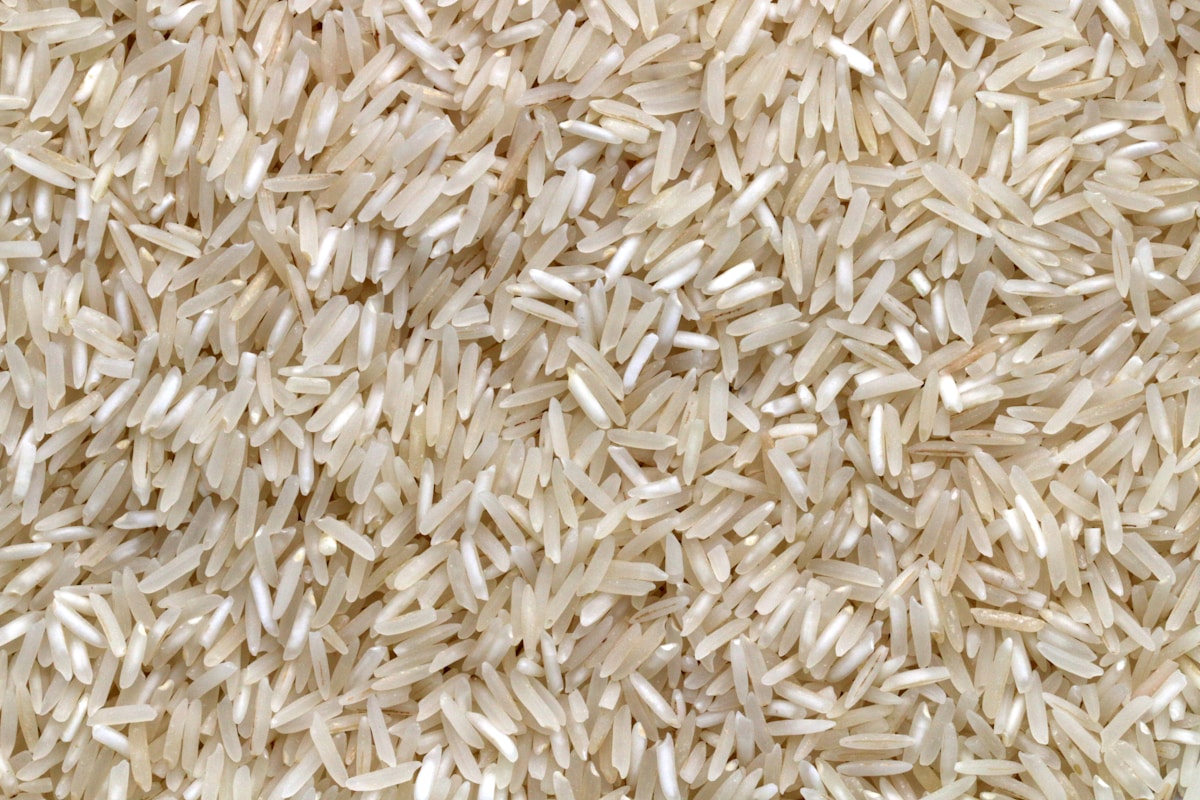
At the heart of ancient *narezushi* was a biochemical trade-off between starch, salt, and time. Rice was not originally chosen as a side dish or flavor pairing; in many long-fermented forms, it functioned primarily as a fermentation medium. The complex starch carbohydrates in boiled rice served as food for wild lactic acid bacteria (such as *Lactobacillus* species). In the absence of oxygen, these bacteria converted sugars into lactic acid. When combined with salt, this process helped preserve the protein of the fish. However, this biochemical shield often required the sacrifice of the rice, which degraded into a sour, sticky mash and was frequently discarded in long-fermented forms [1][2][6][10].
The point is not that rice was never eaten, but that long fermentation originally made rice a preservation medium before shorter styles such as *namanare* made eating rice and fish together more common. During the Muromachi period (14th to 16th centuries), cooks began shortening the fermentation time to a few weeks or even days. This partial fermentation, called *namanare* or *han-narezushi* (half-fermented sushi), kept the fish relatively fresh while the rice remained firm enough to be eaten. By consuming the sour rice alongside the fish, Japanese diners turned a preservation byproduct into an essential component of the dish. This marked a major step toward modern sushi, establishing the critical *namanare* evolutionary bridge where fish and sour rice were consumed together. This early relationship between starch and fish preservation connects sushi to other global seafood preservation traditions, especially salt-curing and the broader world of fermented preservation [2][3][6][10].
The Vinegar Revolution
The defining turning point in sushi history occurred when cooks bypassed the slow, natural fermentation process entirely by introducing external acidity. As urban populations grew and the pace of commercial life accelerated, waiting weeks for bacteria to produce lactic acid became impractical. The solution lay in vinegar, which offered an instant sour flavor profile that mimicked fermentation without the wait [1][4].
This transition was popularized by Matsumoto Yoshiichi, a physician serving the Shogun in Edo (modern Tokyo) during the Enpō era (1673–1681). Matsumoto realized that by seasoning freshly cooked rice with rice vinegar, he could create a sour starch base instantly. This innovation, known as *haya-zushi* (quick sushi), was made possible by significant 17th-century advancements in Japanese commercial liquid brewing technology. These brewing techniques allowed vinegar to be produced in large quantities and at lower costs. Instead of waiting months, *haya-zushi* allowed sushi to be assembled and consumed within hours or even minutes. This not only saved time but also transformed the role of rice from a frequently discarded preservation medium into a seasoned, flavorful partner to the fish [1][2].
Edo Street Food and Nigiri
By the early 19th century, Edo had grown into one of the largest cities in the world, crowded with busy laborers, construction workers, and merchants who demanded fast, cheap, and portable food. In this bustling environment, street food stalls (*yatai*) flourished. Around **1824**, a street vendor named Hanaya Yohei capitalized on this market by inventing *nigiri-zushi* (hand-pressed sushi) in Edo. Rather than pressing fish and vinegared rice in boxes or fermenting them over days, Yohei squeezed a small ball of seasoned rice in his palm and topped it with a thin slice of fresh, raw, or lightly cured seafood caught directly from Edo Bay (now Tokyo Bay) [1][7][10].
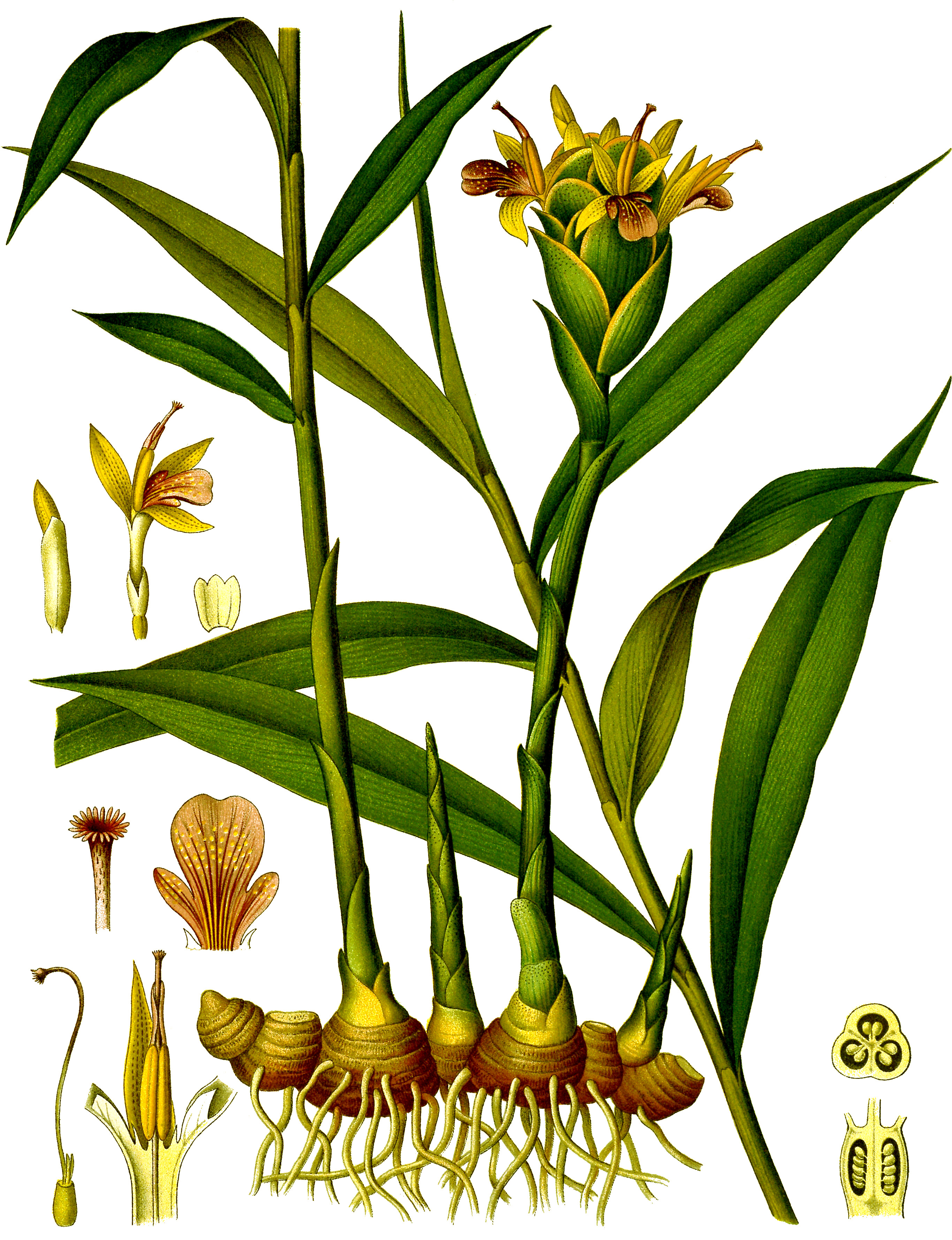
While Yohei is historically credited as the primary innovator, he operated within a competitive urban environment where contemporary chefs, such as Sakaiya Matsugoro, were also experimenting with similar vinegar-rice and raw seafood pairings. Yohei's street stall served *nigiri-zushi* with sliced ginger and a brush of soy sauce, offering a meal that was eaten with the fingers in a matter of seconds. This fast-food snack was cheap, flavorful, and perfectly suited for the working class [3][4][7][10].
The transition of sushi from an outdoor street snack to a formal, indoor dining experience was accelerated by a major national catastrophe: the **1923 Great Kanto Earthquake**. The disaster devastated Tokyo, destroying the city's outdoor street stalls. In the aftermath, declining real estate values and new sanitation laws pushed surviving sushi vendors off the streets and into permanent brick-and-mortar storefronts, elevating the dining experience. Furthermore, the earthquake caused a mass dispersal of Tokyo chefs to other regions of Japan, spreading the Edo style (*Edo-mae*) of hand-pressed sushi nationwide and establishing it as the national standard for Japanese sushi [2][3].
From Local Snack to Global Luxury
In the post-World War II era, sushi evolved from a Japanese domestic staple into a global symbol of high culinary craft and luxury. This transition required creative culinary adaptation to bridge the cultural gap between Japanese traditions and Western tastes. In the late 1960s and early 1970s, raw fish and seaweed (nori) were met with skepticism in North America. To appeal to local palates, chefs in Los Angeles and Vancouver began experimenting with alternative ingredients, leading to the parallel development of the California Roll. In Los Angeles, chef Ichiro Mashita at the Tokyo Kaikan restaurant created the inside-out roll (*uramaki*), placing the rice on the outside to hide the seaweed and substituting rich avocado for fatty tuna (*toro*). Meanwhile, in Vancouver, chef Hidekazu Tojo created the 'Tojo-maki' using cooked crab and avocado to satisfy Western preferences, which visiting customers from Los Angeles helped popularize under the California Roll name. This roll acted as a gateway, easing Western diners into the textures of seasoned rice and raw fish [1][3].
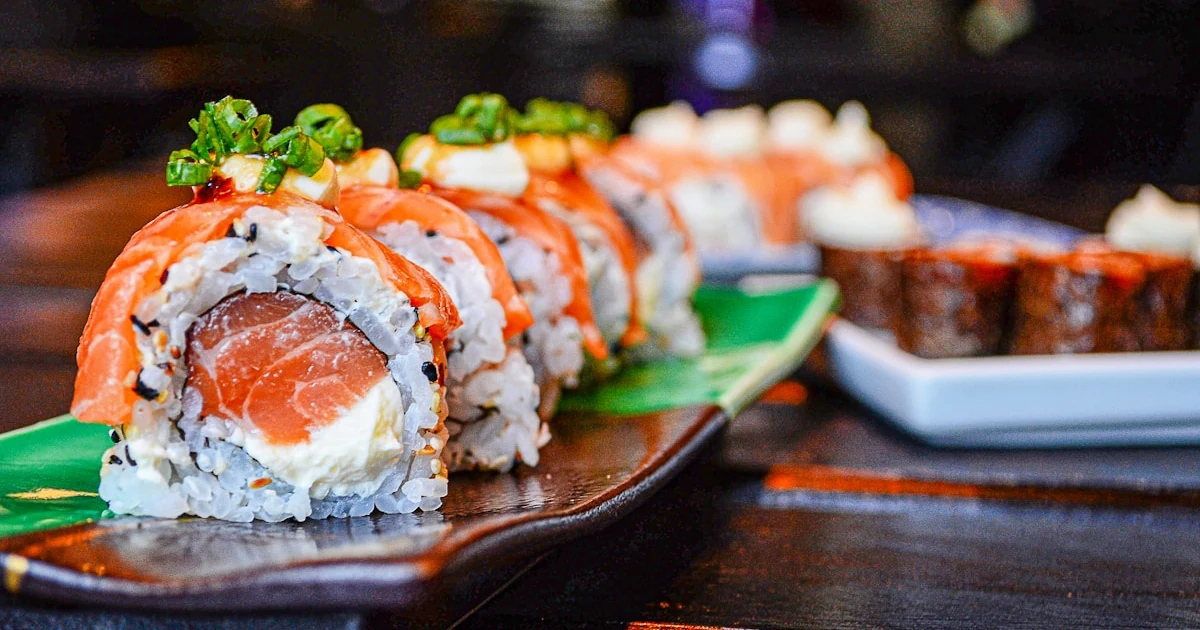
Another major catalyst for the global sushi boom was the introduction of Norwegian salmon. Historically, the Japanese did not eat raw Pacific salmon due to the risk of parasites in wild fish. In **1985–1986**, a Norwegian government trade delegation led by Thor Listau and Bjørn Eirik Olsen launched **'Project Japan'** to export Norway's surplus of farmed Atlantic salmon. By proving that their farmed salmon was parasite-free and raised in clean waters, the Norwegians slowly convinced Japanese distributors and consumers to adopt salmon as a premium sushi topping. Today, salmon is one of the most popular sushi ingredients globally [1][2].
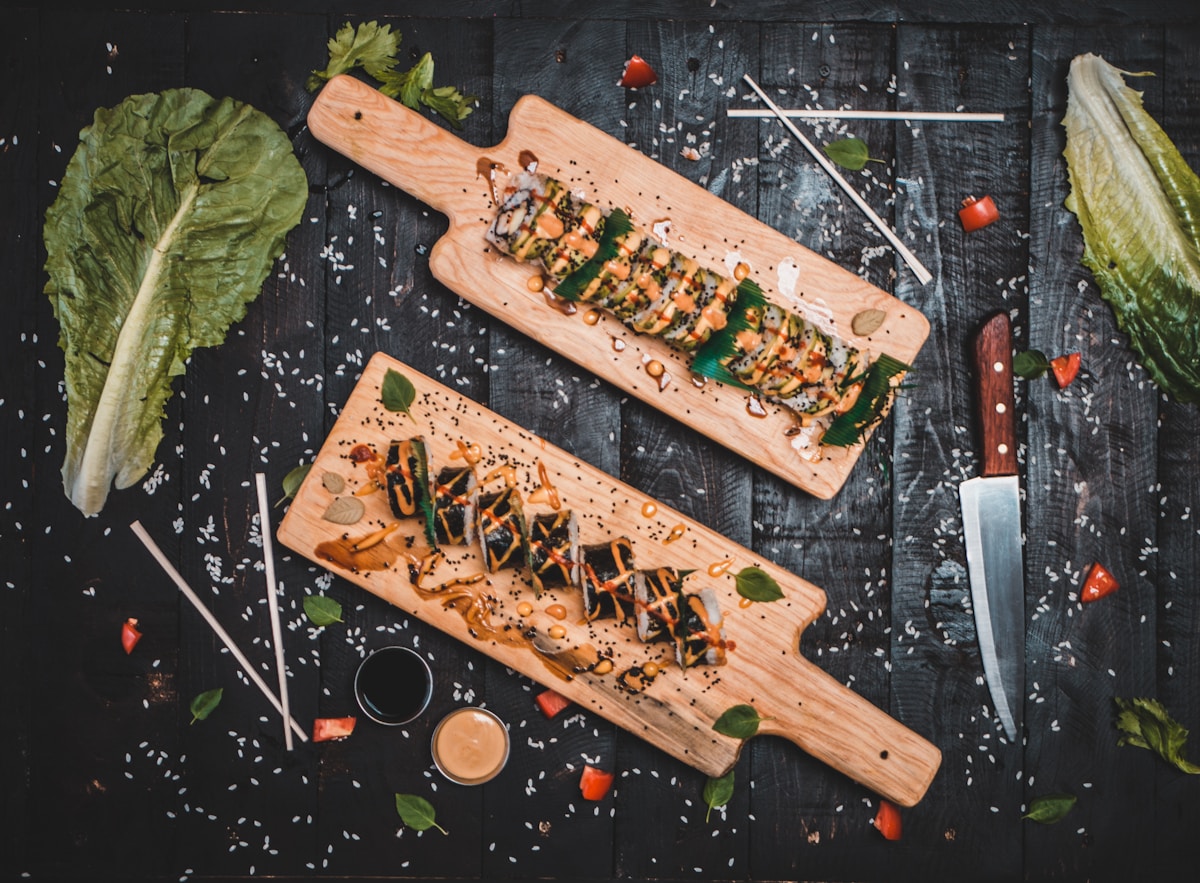
Modern sushi now exists in two distinct spheres. On one end is the elite, hyper-focused *omakase* (chef's choice) dining experience. Here, chefs carefully manage temperatures—often serving the hand-pressed rice (*shari*) warm or near body temperature to prevent starch retrogradation and flavor loss, while adjusting the topping (*neta*) temperature by fish type, fat content, aging, and preparation style. On the other end is the highly automated, conveyor-belt (*kaiten-zushi*) industry that serves millions of affordable meals daily. This dual identity makes sushi a unique culinary bridge, connecting ancient fermentation, street-level fast food, and global luxury dining [1][3].
Historical Timeline
Narezushi (fermented fish and rice) originates along the Mekong River in Southeast Asia
The Yōrō Code (compiled in 718) is enacted, establishing narezushi as a legal tax payment to the Japanese Imperial Court
Matsumoto Yoshiichi begins adding rice vinegar during the Enpō era, introducing Haya-zushi
Hanaya Yohei popularizes nigiri-zushi in Edo, placing fresh fish over pressed, vinegared rice
The Great Kanto Earthquake destroys Tokyo street stalls, dispersing sushi chefs nationwide
The California Roll is developed in North America, initiating the global premiumization era
Norway's "Project Japan" successfully introduces farmed salmon into Japanese sushi culture
Evidence Explorer
Review the Source Trail
Inspect the article sources, scoped review credits, and copyable citation details without leaving the page.
Reviewed for Stated Scope
Sources Listed
Comments
Community comments are coming soon. Check back later to join the discussion!