💡 Key Takeaways
- Miso developed from East Asian traditions of fermenting soybeans and grains with salt and microbial cultures.
- Koji mold is central to miso, breaking down starches and proteins into sweetness, aroma, and deep savory flavor.
- Miso became a daily Japanese staple through temples, warrior households, rural kitchens, and modern soup culture.
Where did miso originate?
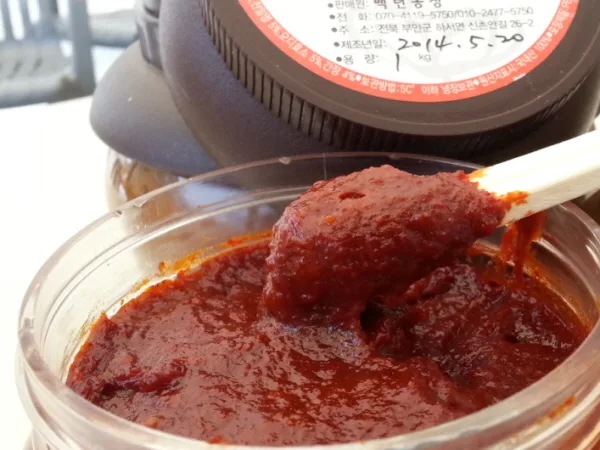
Miso belongs to the great East Asian family of fermented soybean seasonings. Its ancestors include Chinese jiang and other salty fermented pastes that preserved protein and created savory flavor long before refrigeration. When soybean fermentation knowledge reached Japan, local grains, climates, microbes, and tastes shaped it into miso.
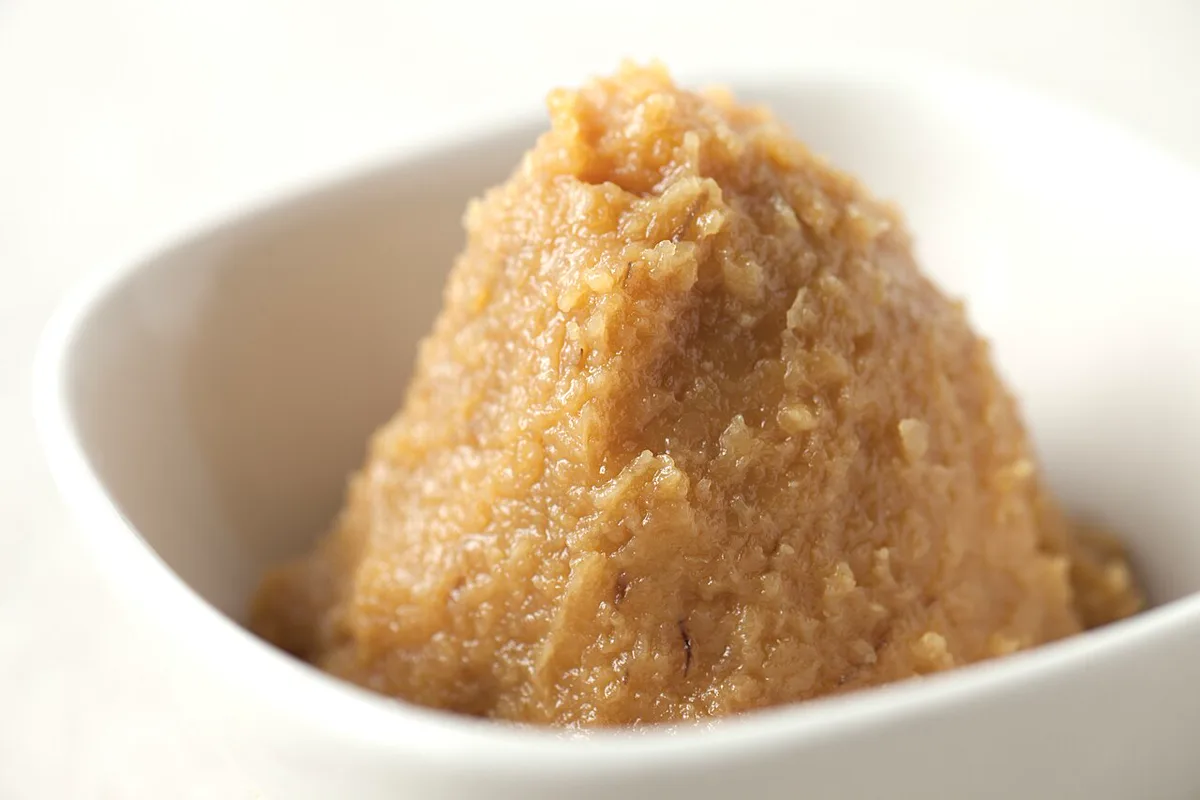
The key to miso is koji. Rice, barley, or soybeans are inoculated with Aspergillus oryzae, a mold that produces enzymes capable of breaking starches into sugars and proteins into amino acids. Mixed with cooked soybeans and salt, koji begins a slow transformation. The result is dense, aromatic, salty, and rich with umami.
How did miso evolve over time?
In early Japan, miso was valuable enough to function as a seasoning, preserved food, and sometimes elite commodity. Buddhist temple foodways encouraged plant-based sources of depth and nourishment, making soybean products especially important. Over time, miso moved from courtly and temple settings into warrior and rural households.
During Japan's age of warfare, miso had strategic value. It traveled well, delivered protein and salt, and could be dissolved into soup for quick sustenance. Regional production flourished as households and villages developed styles based on local grains, water, climate, and aging times.
By the Edo period, miso soup was firmly embedded in daily meals. Rice, soup, and pickles formed a core pattern of Japanese eating, and miso became both ordinary and profound: a food eaten every day, yet varied by region, season, and family preference.
Why is miso culturally important?
Miso is one of Japan's clearest examples of fermentation as culture. It shows how microbes can become part of national taste. The savory quality later named umami was not invented by miso, but miso helped make that flavor central to Japanese cuisine.
Regional identity matters. Shinshu miso, hatcho miso, Saikyo miso, barley miso, rice miso, and soybean miso differ in color, sweetness, saltiness, and aging. These differences reflect agricultural landscapes and household traditions as much as recipes.
Miso also represents thrift and depth. A spoonful can season a pot, enrich leftovers, or turn plain vegetables into something satisfying. It is humble food with extraordinary complexity.
How is miso used today?
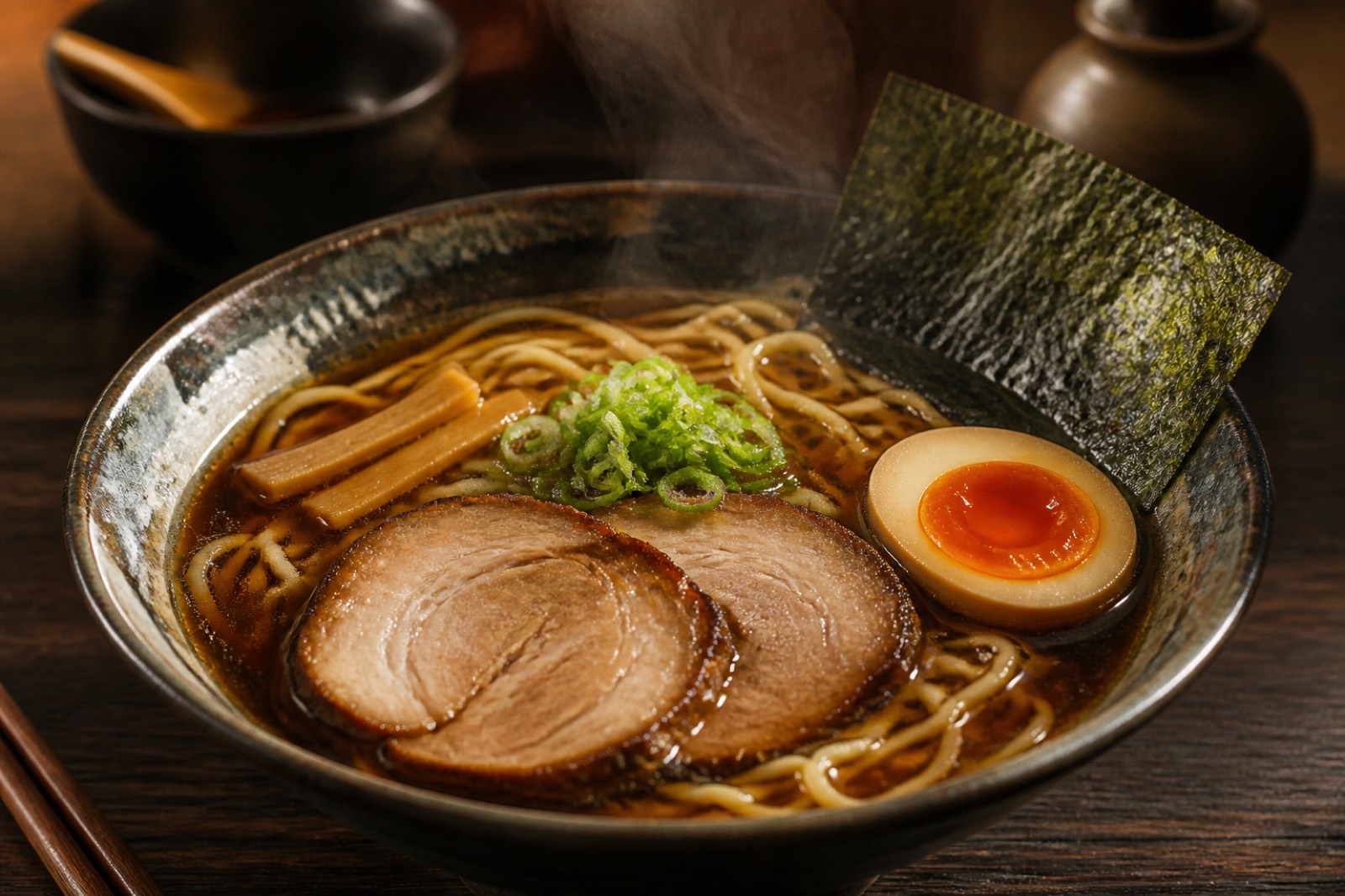
Miso is now global. It appears in ramen, salad dressings, compound butters, marinades, glazes, vegan sauces, caramel, cookies, and fine-dining reductions. Chefs prize it because it adds salt, sweetness, aroma, and umami at once.
Industrial miso made the food convenient, but craft producers and home fermenters are renewing interest in slow aging and local grains. That return to patient, living food culture mirrors the modern sourdough revival in a different grain-and-microbe tradition. The modern miso revival is really a return to an older truth: fermentation is not just preservation. It is a way of creating flavor that fresh ingredients cannot achieve alone.
In the news
Recent 2026 food-culture notes that reference this article.
Historical Timeline
Fermented soybean pastes influence later East Asian seasoning traditions
Soybean fermentation knowledge reaches Japan through continental exchange
Miso soup becomes increasingly common with the spread of everyday meal patterns
Miso serves as a durable, nutritious provision for warriors and armies
Industrial production makes regional miso styles widely available across Japan and abroad
Evidence Explorer
Review the Source Trail
Inspect the article sources, scoped review credits, and copyable citation details without leaving the page.
Sources Listed
Comments
Community comments are coming soon. Check back later to join the discussion!