💡 Key Takeaways
- Tteokbokki is a Korean rice-cake dish, but the spicy gochujang-based street-food version is a modern development rather than an ancient court dish.
- Older soy-sauce rice-cake preparations in late Joseon court cuisine help explain the dish's roots, while postwar bunsik culture explains its popular form.
- Modern tteokbokki became iconic because it joined chewy rice or wheat cakes, gochujang heat, school-zone snack shops, and affordable urban comfort food.
Where did tteokbokki originate?
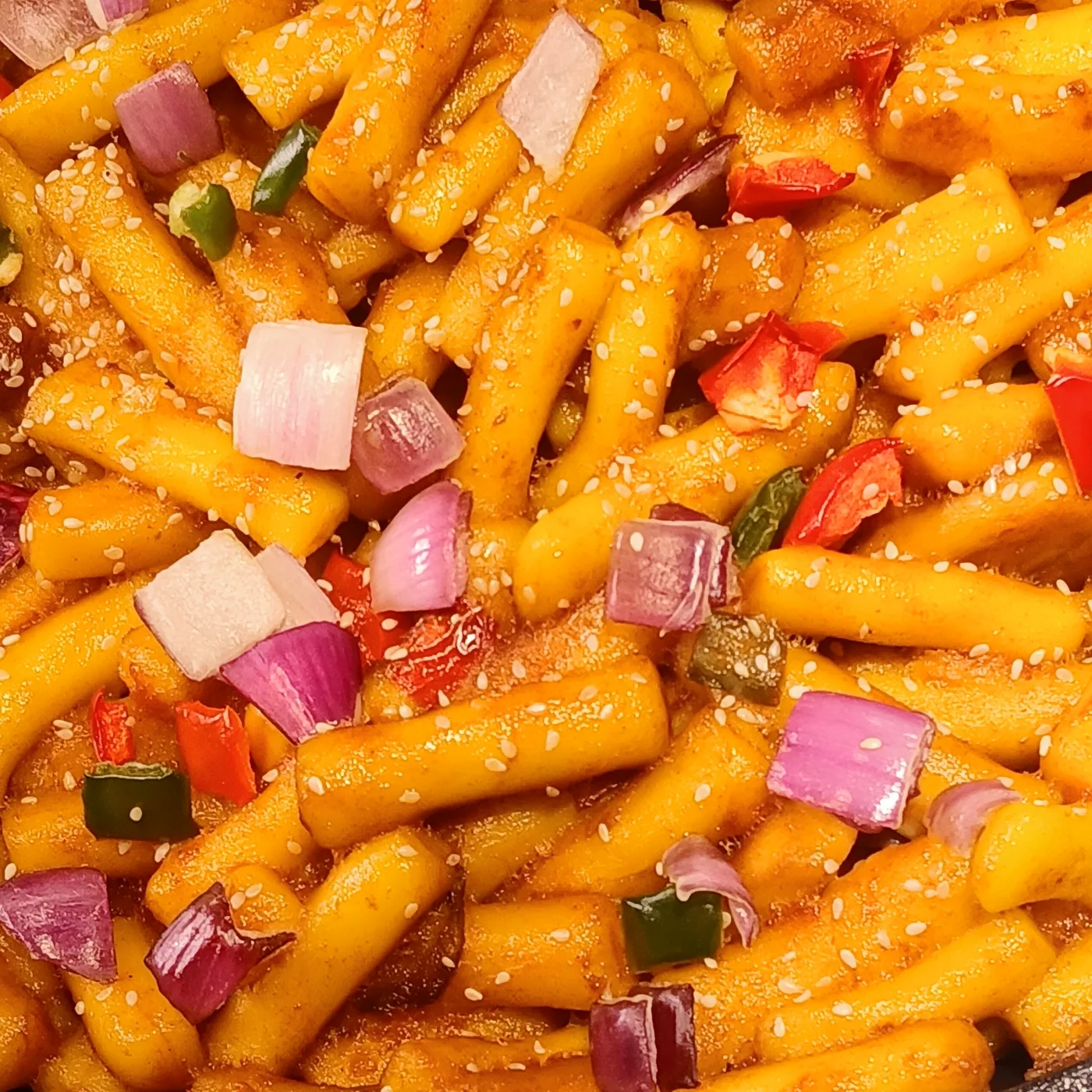
Tteokbokki is a Korean dish of chewy cylindrical rice cakes, usually garaetteok, simmered or stir-fried in sauce. The best-known modern version is red, sweet-spicy, and built around gochujang, gochugaru, sugar or syrup, soy sauce, broth, and often fish cakes, scallions, or boiled eggs. That version should not be projected back into antiquity. Older court and household rice-cake dishes, now often discussed as gungjung tteokbokki or tteokjjim, used soy sauce, beef, vegetables, mushrooms, sesame oil, and pine nuts in late Joseon contexts [1]. The street-food tteokbokki recognizable in Seoul today emerged after the Korean War, when cheaper wheat-flour rice cakes, bunsik snack shops, school-zone vendors, and gochujang sauce turned rice cakes into affordable comfort food [2][3]. Its importance lies in that transformation: a ritual and elite rice-cake form became a public, everyday snack.
That distinction makes tteokbokki historically useful. It connects older Korean rice culture to the modern food economy, and it shows how gochujang moved from fermented pantry paste into the visible red language of Korean street food.
Court Rice Cakes and Modern Sauce
Rice cakes have a much older place in Korean food than spicy tteokbokki. Tteok appears in ceremonies, seasonal foods, ancestral rites, and court cooking, where rice could signal refinement, celebration, and abundance. Korea.net notes late Joseon records of royal rice-cake dishes seasoned with soy sauce, sesame oil, green onions, mushrooms, pine nuts, and sesame salt [1]. These dishes help explain why later tteokbokki could be framed as a rice-cake dish with roots in court food.
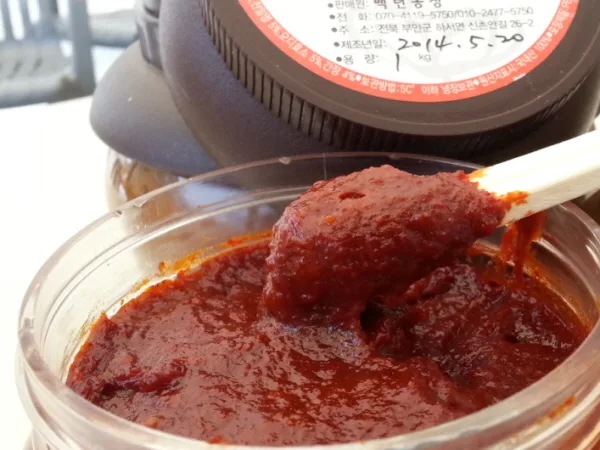
The red sauce belongs to a different historical layer. Gochujang itself depends on Korea's jang fermentation system and the post-Columbian arrival of chili peppers in East Asia [4]. Modern tteokbokki uses that fermented chili paste as a thick, sweet, spicy coating. The result is not merely hot. It is chewy, salty, sweet, savory, and sticky enough to feel like comfort in a paper cup.
Postwar Seoul and Bunsik Culture
The modern street-food story belongs to postwar Korea. After the Korean War, food shortages, U.S. flour aid, urban rebuilding, and government campaigns encouraging mixed grains changed everyday eating. The Korean Food Promotion Institute connects tteokbokki's rise as a "people's food" to this period, especially the use of cheaper flour-based garaetteok and the growth of bunsik, or flour-based snack shops [2].
Several sources identify Sindang-dong in Seoul with the popularization of red tteokbokki, often through stories about the vendor Ma Bok-rim in the 1950s. Because origin stories around individual vendors can become simplified, the safest wording is cautious: Sindang-dong and Ma Bok-rim are central to the dish's modern memory, but tteokbokki's rise also depended on wider postwar urban conditions, school food culture, and the availability of gochujang-based sauce.
Comfort Food and Street Food
Tteokbokki became iconic because it matched the rhythm of Korean urban life. It was cheap, fast, filling, and easy to share. Students ate it after school. Workers found it at markets and street stalls. Friends gathered around bubbling pans of jeukseok tteokbokki, the cook-at-the-table style often loaded with noodles, vegetables, fish cakes, dumplings, or boiled eggs.
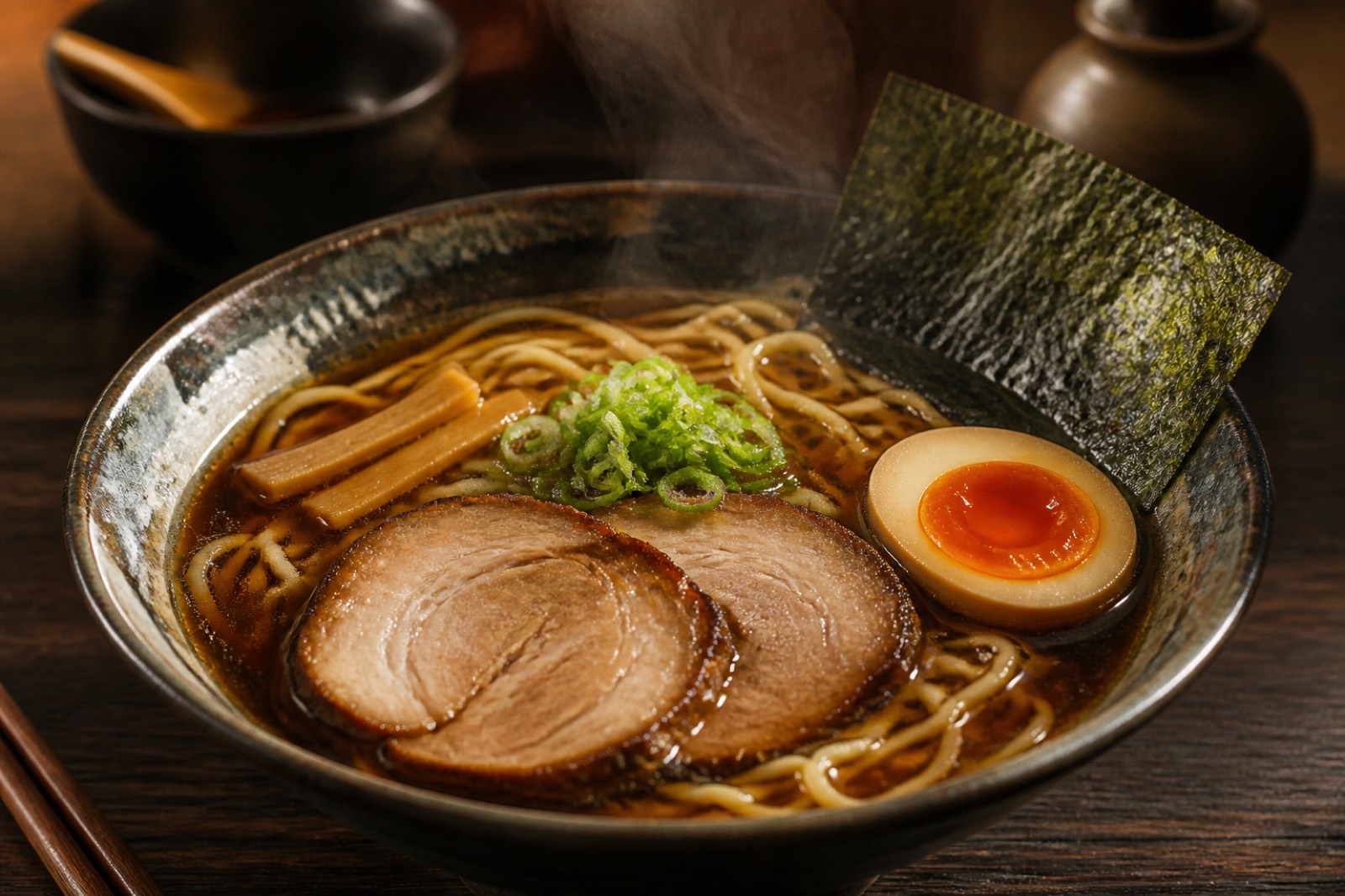
Its emotional power is texture as much as flavor. The rice cakes are chewy, the sauce clings, and the sweetness softens the gochujang heat. That is why tteokbokki can feel nostalgic even when it changes form. Rabokki adds ramyeon noodles. Cheese tteokbokki softens the burn. Rosé tteokbokki blends creaminess with chili. Each version stretches the dish while keeping the same core promise: warm, spicy, chewy comfort.
How is tteokbokki used today?
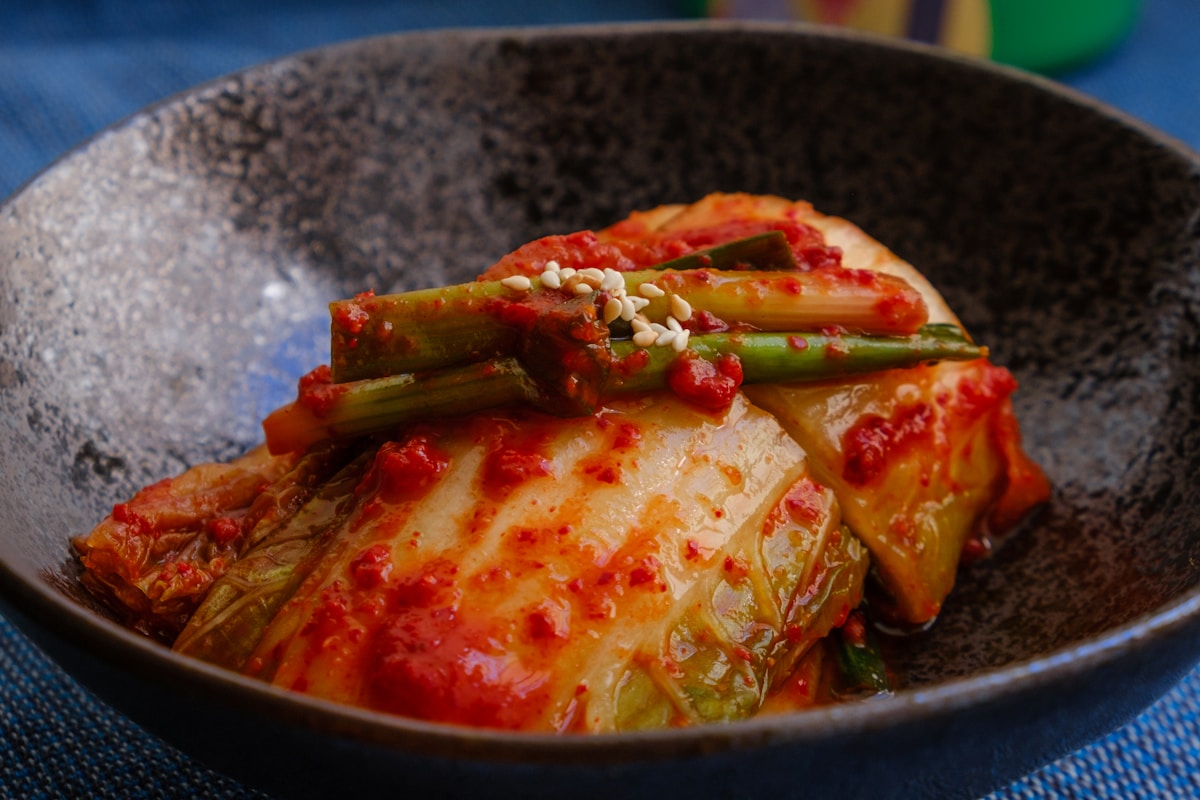
Today, tteokbokki is one of the clearest bridges between Korean fermentation and global comfort food. Gochujang gives the dish its fermented depth, chili-pepper heat, and red color. Rice cakes connect it to older grain culture. Ramyeon links it to modern convenience foods. Kimchi often appears beside it as another Korean fermented staple.
For the site's knowledge graph, tteokbokki strengthens the Korean cluster by connecting kimchi, gochujang, ramen, rice, chili-pepper, and miso-adjacent fermentation history. It also gives the cluster a highly visual Pinterest node: glossy red sauce, cylindrical rice cakes, street stalls, school snacks, and the modern Korean comfort-food story in one dish.
Historical Timeline
Court and elite rice-cake dishes such as tteokjjim use soy sauce, beef, vegetables, mushrooms, sesame oil, and other non-spicy seasonings
Postwar Seoul snack culture and cheaper wheat-flour cakes help create the conditions for modern spicy tteokbokki
Sindang-dong in Seoul becomes strongly associated with gochujang-based red tteokbokki and specialist shops
Bunsik shops, school-zone vendors, and mixed-grain policies make tteokbokki a widely accessible everyday snack
Tteokbokki diversifies into rabokki, cheese, rosé, jjajang, instant, delivery, and global restaurant versions
Evidence Explorer
Review the Source Trail
Inspect the article sources, scoped review credits, and copyable citation details without leaving the page.
Sources Listed
Comments
Community comments are coming soon. Check back later to join the discussion!