💡 Key Takeaways
- Hummus, meaning "chickpea" in Arabic, is one of the world's oldest continuous culinary traditions, though the exact modern recipe of hummus bi tahina first appeared in 13th-century Cairo.
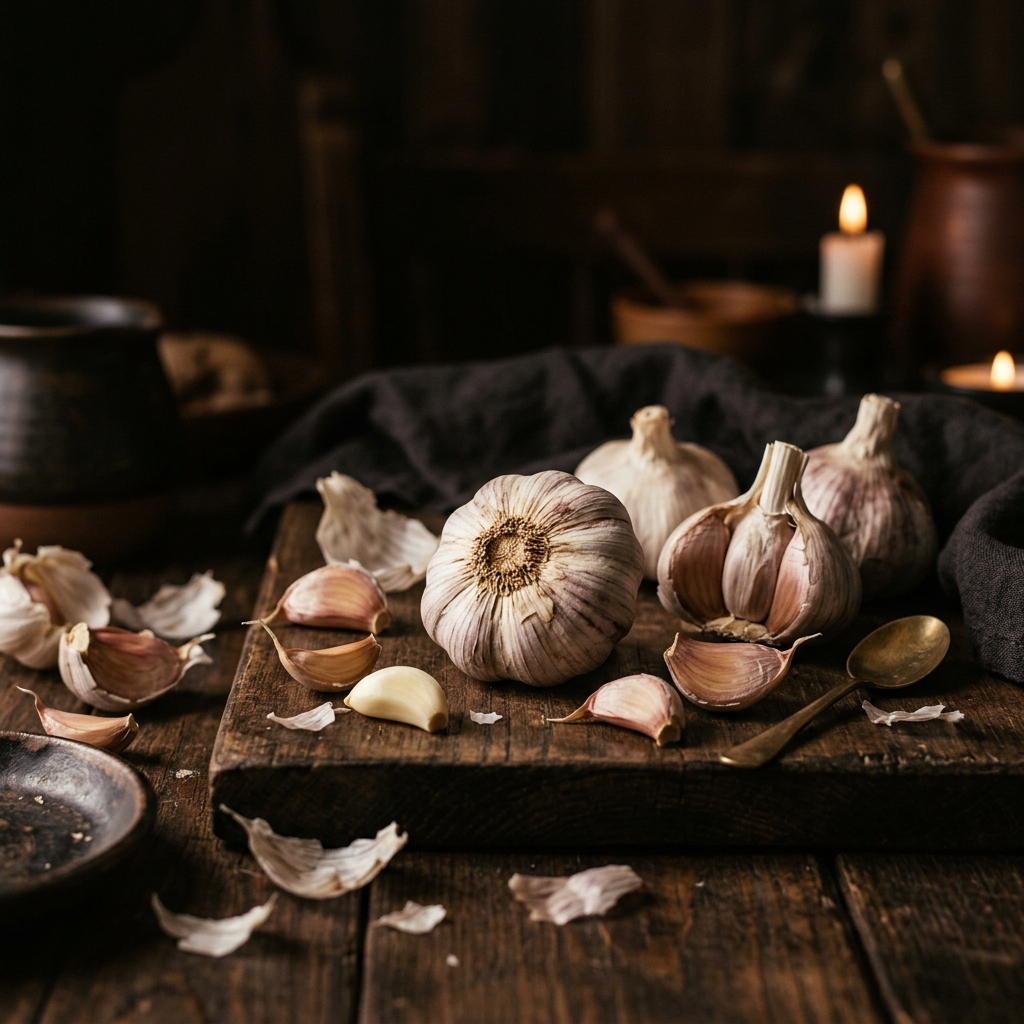
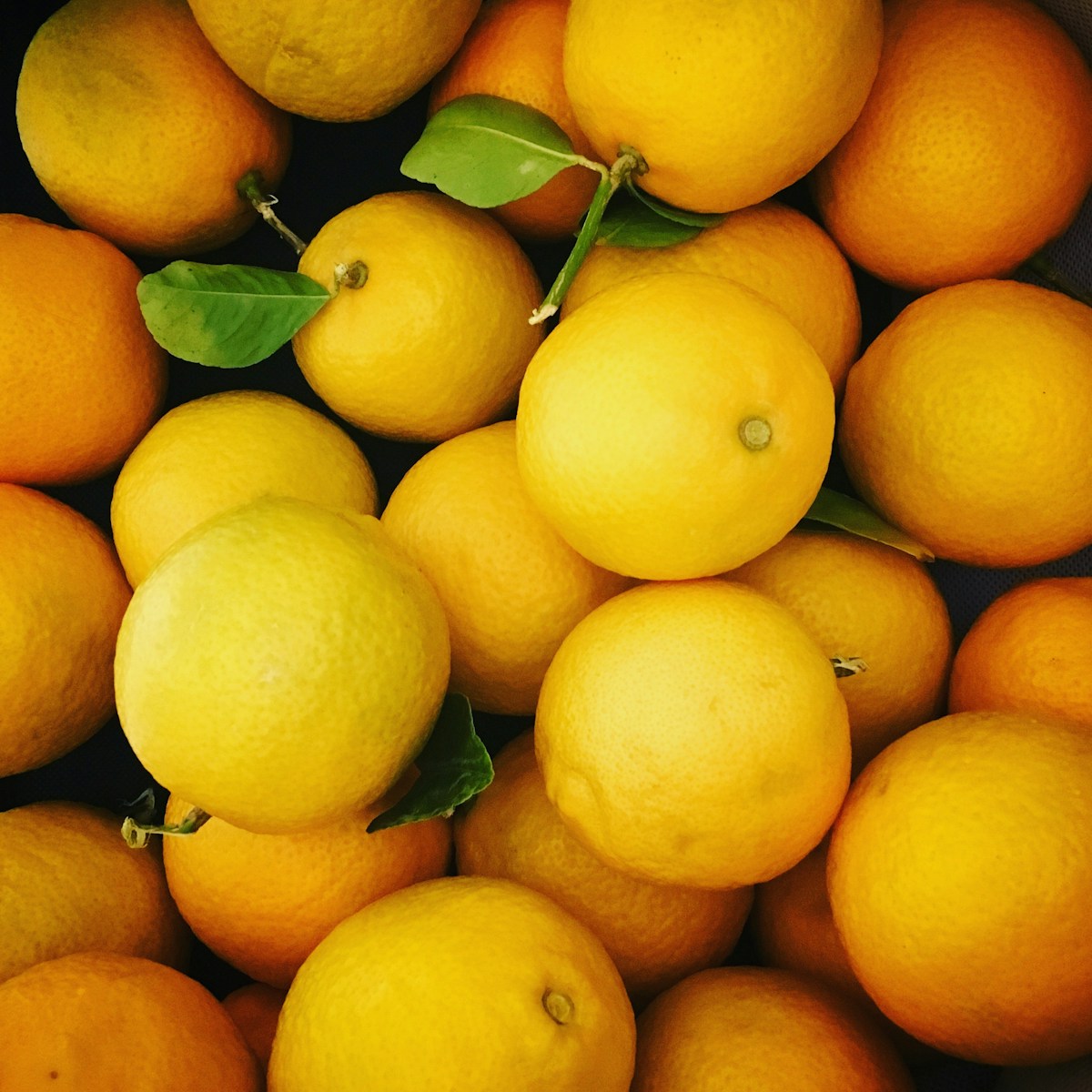
- The dish perfectly balances the "nutritional trinity" of the ancient Levant: chickpeas (protein), sesame tahini (fats), and lemon/garlic (vitamins).
- Today, hummus is the center of fierce cultural appropriation debates (the "Hummus Wars") between Israel and surrounding Arab nations over who can claim it as their national dish.
Where did hummus originate?
Tracing the exact origin of hummus is a deeply contentious historical exercise. The core ingredient, the chickpea (garbanzo bean), is one of the eight original "founder crops" domesticated by early humans in the Fertile Crescent around 8,000 BCE. Ancient peoples across the Levant and Egypt mashed chickpeas into purees for millennia. However, the specific, iconic combination of chickpeas, sesame paste (tahini), lemon juice, and garlic—what we know today as *hummus bi tahina*—did not exist in antiquity [1].
The earliest written recipes for this specific blend are found in 13th-century Arabic cookbooks from Cairo, Egypt. During the medieval Islamic Golden Age, sophisticated urban centers like Cairo and Damascus developed highly refined culinary traditions. Hummus was likely born in these urban kitchens, perfectly combining the agricultural wealth of the region: protein-dense chickpeas from the fields, oil-rich sesame from the trade routes, and citrus from the orchards [2].
How did hummus evolve over time?
For centuries, hummus remained a deeply regional staple of the Levant (modern-day Lebanon, Syria, Jordan, Palestine, and Israel), as well as Egypt. It was not a casual dip, but a substantial, sustaining meal for the working class. Served warm from large copper vats in specialized *hummusiyot* (hummus shops), it was scooped up with massive amounts of fresh, fluffy pita bread, usually for breakfast or an early lunch. It provided the massive caloric and protein energy needed for manual labor [1].
Hummus was entirely unknown in the West until the late 20th century. Its spread to Europe and the Americas was driven by two factors: waves of Lebanese and Syrian immigrants fleeing regional conflicts, and the rise of the Mediterranean diet trend in the 1980s. Health-conscious Westerners embraced hummus as a low-cholesterol, high-protein alternative to mayonnaise and sour cream dips. Brands like Sabra (founded in New York in 1986) commercialized it, turning a warm, ancient breakfast food into a cold, mass-produced supermarket snack [3].
Why is hummus culturally important?
Hummus is arguably the most politically loaded food in the world. It is the center of the "Hummus Wars," an ongoing cultural conflict between Israel and its Arab neighbors. Following the establishment of Israel in 1948, Jewish immigrants from Eastern Europe (who ate Ashkenazi foods like gefilte fish) and Jewish immigrants from Arab countries (who ate hummus) forged a new national identity. Hummus was rapidly adopted as the unofficial national dish of Israel, acting as a great culinary equalizer [1].
However, this adoption is fiercely contested by Palestinians and Lebanese, who view the Israeli claim to hummus as an act of cultural appropriation. In 2008, the Association of Lebanese Industrialists actually petitioned the European Union to grant Lebanese hummus protected geographical status (like Champagne in France or Parmigiano-Reggiano in Italy) to stop Israelis from marketing it globally as their own. While the petition failed, the intense emotion surrounding the dish proves that in the Middle East, hummus is deeply tied to identity, heritage, and land [2].
Modern Renaissance
Despite the political friction, hummus has achieved total global saturation in the 21st century. It is a billion-dollar industry in the United States alone. However, the mass-market version—often laced with excessive preservatives, lacking tahini, and adulterated with non-traditional flavors like chocolate or edamame—bears little resemblance to the authentic dish [1].
In response, there is a growing artisanal hummus movement. Chefs globally are returning to traditional methods: soaking dried chickpeas overnight with baking soda to achieve a silky texture, sourcing high-grade Ethiopian sesame for the tahini, and serving the dish warm, generously swiped around the edges of a bowl and pooled with high-quality, peppery olive oil. Whether it acts as a cultural bridge or a flashpoint for conflict, hummus remains one of humanity's most perfect, enduring culinary creations [3].
Historical Timeline
Chickpeas are among the first "founder crops" domesticated in the Fertile Crescent
The earliest known recipes for "hummus bi tahina" appear in medieval Egyptian cookbooks
The creation of the State of Israel leads to the mass adoption of hummus as a unifying Israeli dish
Sabra is founded in Queens, New York, eventually popularizing mass-market hummus in the US
The "Hummus Wars" begin when Lebanon petitions the EU to grant protected status to Lebanese hummus
Evidence Explorer
Review the Source Trail
Inspect the article sources, scoped review credits, and copyable citation details without leaving the page.
Reviewed for Stated Scope
Sources Listed
Comments
Community comments are coming soon. Check back later to join the discussion!