💡 Key Takeaways
- Yuzu is an aromatic East Asian acid citrus, usually identified as Citrus junos, valued more for its peel and juice than for eating fresh.
- Botanical and historical sources place yuzu in a China-Japan-Korea citrus world, with Japanese traditions connecting its arrival to the Nara period.
- Yuzu matters because its fragrance shaped ponzu, miso dressings, Korean yuja-cha, Japanese winter baths, confectionery, cocktails, and modern global restaurant culture.
Where did yuzu originate?
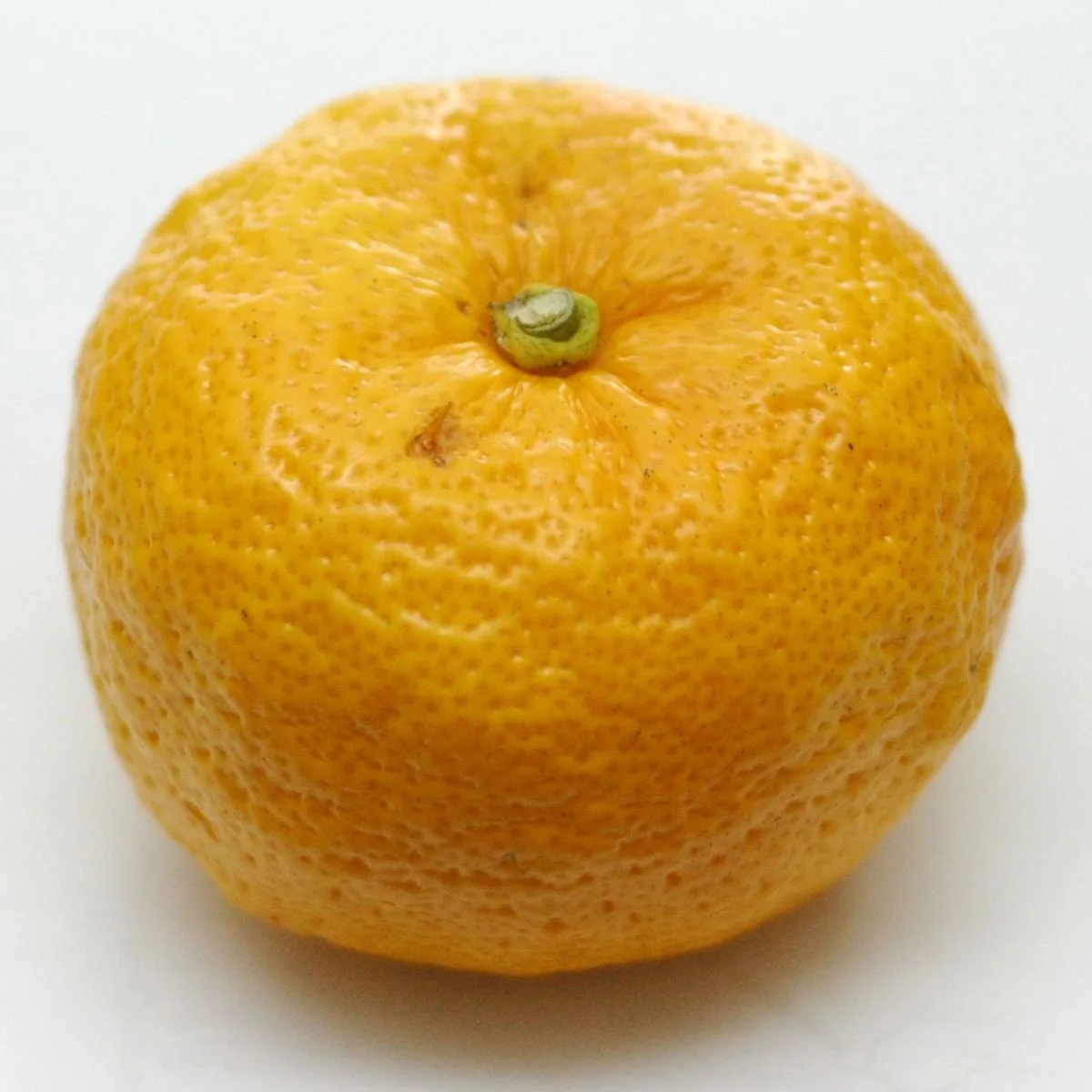
Yuzu is an East Asian acid citrus, usually identified as Citrus junos, with a bumpy yellow peel, large seeds, sharp juice, and an unusually fragrant rind. Botanists generally treat it as a hybrid connected to the cold-tolerant Ichang papeda and mandarin relatives, which helps explain why yuzu can grow in cooler mountain areas where many citrus fruits struggle [1][2]. Its exact origin history is complicated. UC Riverside notes competing views: some traditions connect yuzu with Korea and Japan, while other scientists place its center of origin in the upper Yangtze River region of China [2]. Japanese sources commonly say yuzu reached Japan from China through the Korean Peninsula before or during the Nara period, 710-794 CE [3][4].
Yuzu mattered because it gave East Asian cooks a citrus that was less about sweet flesh than fragrance. Peel, juice, and aroma made it useful in sauces, teas, soups, sweets, baths, medicine, and seasonal ritual.
China, Korea, and Japanese Citrus Culture
Yuzu belongs to a broader East Asian citrus world rather than a single national origin story. Historical Chinese names for sour citrus fruits are difficult to map perfectly onto modern botanical categories, and UC Riverside cautions that old names such as yu could refer to different fruits at different times [2]. That uncertainty matters: responsible yuzu history should avoid pretending that one ancient text proves a straight line to the modern fruit.
What is clearer is the later regional pattern. Yuzu became closely associated with Japan, especially western mountain areas where the fruit's cold tolerance, aromatic peel, and acidity fit local cooking. Nippon.com identifies Kochi as Japan's leading modern production area, with Tokushima and Ehime also important [3]. In Korea, the fruit appears as yuja, especially in yuja-cheong, a sugared preserve used to make yuja-cha. Together, Japanese yuzu and Korean yuja show how one citrus could support different drink, condiment, and winter-food traditions.
Peel, Ponzu, and Miso
Yuzu is rarely eaten out of hand. Britannica describes it as bitter and sour, with flavor often compared to orange, grapefruit, and lemon, but its culinary power is in peel and juice [1]. Japanese cooks use zest at the end of preparation so its volatile aroma does not disappear. The peel can brighten soups, grilled fish, simmered dishes, pickles, sweets, and New Year foods, while the juice contributes acidity to ponzu, hot pot, dressings, cocktails, and vinegared salads [1][4].
Its connection to miso is especially useful for this site's food network. Sweet white miso flavored with yuzu appears in aemono dressings, and yuzu miso can glaze vegetables, fish, tofu, or rice cakes. In this role, yuzu acts like a bridge between citrus and fermentation: floral acidity lifts salty soybean depth without turning the dish into ordinary lemon flavor.
Winter Solstice and Yuja Tea
Yuzu also has ritual and seasonal importance. In Japan, yuzuyu, the winter-solstice yuzu bath, became associated with Edo-period public bath culture, according to Nippon.com and JETRO [3][4]. Floating whole or cut yuzu in hot water releases aroma and turns the fruit into a sign of winter care, cleanliness, and seasonal rhythm. Historical explanations often mention protection against colds, but the safest reading is cultural rather than medical: yuzu marked the solstice with fragrance, warmth, and a visible seasonal fruit.
In Korea, yuja-cha carries a different but related winter logic. Thin slices of yuja are preserved with sugar or honey as yuja-cheong, then mixed with hot water to make a fragrant tea. Like matcha, tea, and citrus infusions elsewhere, yuja-cha shows how botanical drinks can carry season, comfort, and identity in one cup.
How is yuzu used today?
Today, yuzu appears in Japanese, Korean, European, American, and global restaurant cooking. Chefs use it in ponzu, yuzu kosho, miso glazes, salad dressings, marinades, desserts, chocolate, ice cream, sparkling drinks, cocktails, and nonalcoholic cafe beverages. JETRO notes its appeal in cities such as Paris and New York, where chefs value its aroma in pasta, desserts, and sauces [4].
Yuzu's global popularity can easily become trend language, but its historical strength is older and more specific. It is a mountain citrus shaped by East Asian horticulture, Korean and Japanese home traditions, seasonal winter practices, and the modern search for vivid botanical flavor. That makes it a strong bridge between the site's citrus, tea, matcha, miso, and global flavor clusters.
In the news
Recent 2026 food-culture notes that reference this article.
Historical Timeline
Chinese texts and citrus traditions describe sour aromatic fruits related to the older names behind yuzu, though exact identifications remain debated
Japanese sources commonly place yuzu's introduction from China, through the Korean Peninsula, around or before the Nara period
Yuzu becomes established in western Japanese mountain regions where its cold tolerance and fragrant peel make it valuable for cooking and medicine
The custom of floating yuzu in winter-solstice baths becomes associated with sento public bath culture
Kochi, Tokushima, and Ehime become major Japanese yuzu-producing regions, while Korean yuja-cha remains a familiar citrus tea tradition
Yuzu spreads through global restaurant, dessert, cocktail, condiment, and cafe culture as chefs seek its floral citrus aroma
Evidence Explorer
Review the Source Trail
Inspect the article sources, scoped review credits, and copyable citation details without leaving the page.
Sources Listed
Comments
Community comments are coming soon. Check back later to join the discussion!