💡 Key Takeaways
- Mint refers to aromatic herbs in the genus Mentha, especially spearmint and peppermint in culinary and medicinal history.
- Greek and Roman writers described mint as a table herb, scenting plant, and remedy, while later Islamic and European medicine preserved its use.
- Mint mattered because it was portable as a dried herb or distilled oil, making it useful in kitchens, pharmacies, teas, sweets, and oral care.
Where did mint originate?
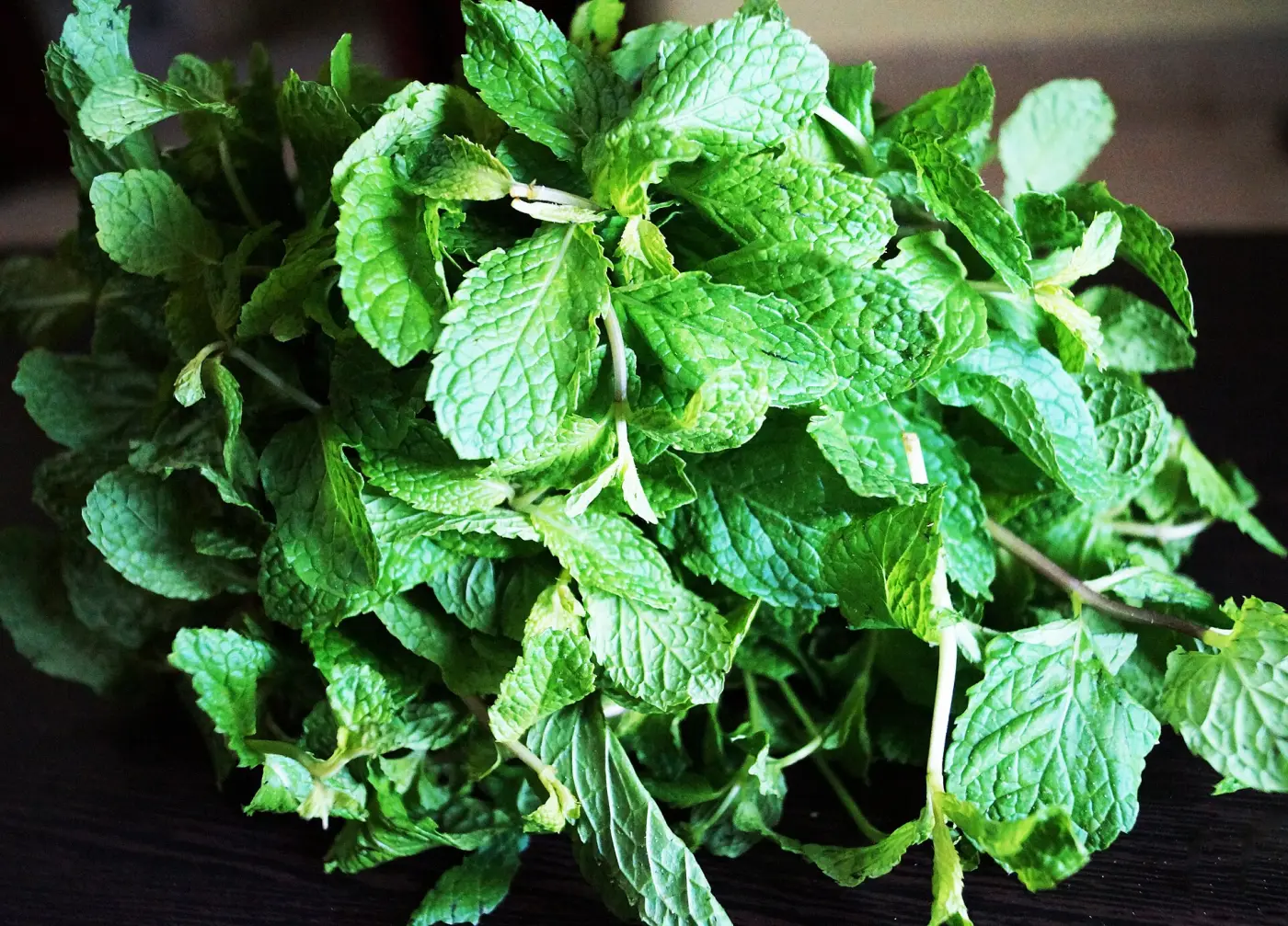
Mint refers to aromatic herbs in the genus Mentha, especially spearmint, peppermint, and related species used for flavor, fragrance, and medicine. Mints are native across much of Europe, North Africa, and Asia, with species thriving in damp soils and spreading easily by runners [1]. The herb appears in Greek and Roman writing as a table scent, culinary accent, and digestive remedy, which places it firmly inside the ancient Mediterranean household rather than as a vague global herb [2]. Mint mattered historically because it was useful in several forms: fresh leaves for food, dried leaves for teas and medicine, and later distilled oil for pharmacy, sweets, oral care, perfumery, and commercial flavoring in urban markets before industrial extracts standardized its cooling flavor.
Because mint was easy to propagate, it moved through gardens as much as through commerce. A cutting could become a household plant, a monastery herb, or a market crop.
Medicine, Gardens, and Trade
Ancient writers such as Dioscorides and Pliny discussed mint among useful aromatic plants, and later medical traditions continued to value it for digestion and breath [2]. In Islamic medicine and medieval European herbals, mint belonged to the practical world of kitchen physic: plants that could flavor food while also serving as household remedies.
Monastery gardens helped preserve mint in medieval Europe, where herbs were grown for cooking, infirmaries, and manuscript medicine. By the early modern period, peppermint and spearmint were increasingly separated by flavor and use. Distillation then changed mint history: concentrated peppermint oil could be transported, standardized, and sold to pharmacists, confectioners, and makers of tooth powders and later toothpaste [4].
Historical Importance
Mint never became a staple food like wheat or rice, but its historical importance lies in portability and intensity. A small amount could change the flavor of sauces, teas, lamb dishes, sweets, and medicinal preparations. That made mint valuable in domestic economies where herbs stretched limited ingredients and gave seasonal freshness to stored foods.
Today mint remains one of the clearest bridges between ancient herbal medicine and modern flavor chemistry. The same cooling character that made it useful in teas and remedies now defines candies, chewing gum, toothpaste, syrups, and global beverage culture [3].
In the news
Recent 2026 food-culture notes that reference this article.
Historical Timeline
Greek and Roman authors describe mint in food, fragrance, and medicine
Islamic medical and botanical traditions preserve mint as a digestive and aromatic herb
European monastery gardens cultivate mint among kitchen and medicinal herbs
Peppermint oil production expands for pharmacy, confectionery, and oral care
Evidence Explorer
Review the Source Trail
Inspect the article sources, scoped review credits, and copyable citation details without leaving the page.
Sources Listed
Comments
Community comments are coming soon. Check back later to join the discussion!