💡 Key Takeaways
- The modern pizza was born in the 18th century slums of Naples as an ultra-cheap, fast food for the working poor, featuring ingredients that wealthy Italians viewed as peasant trash: tomatoes, garlic, and cheap cheese.
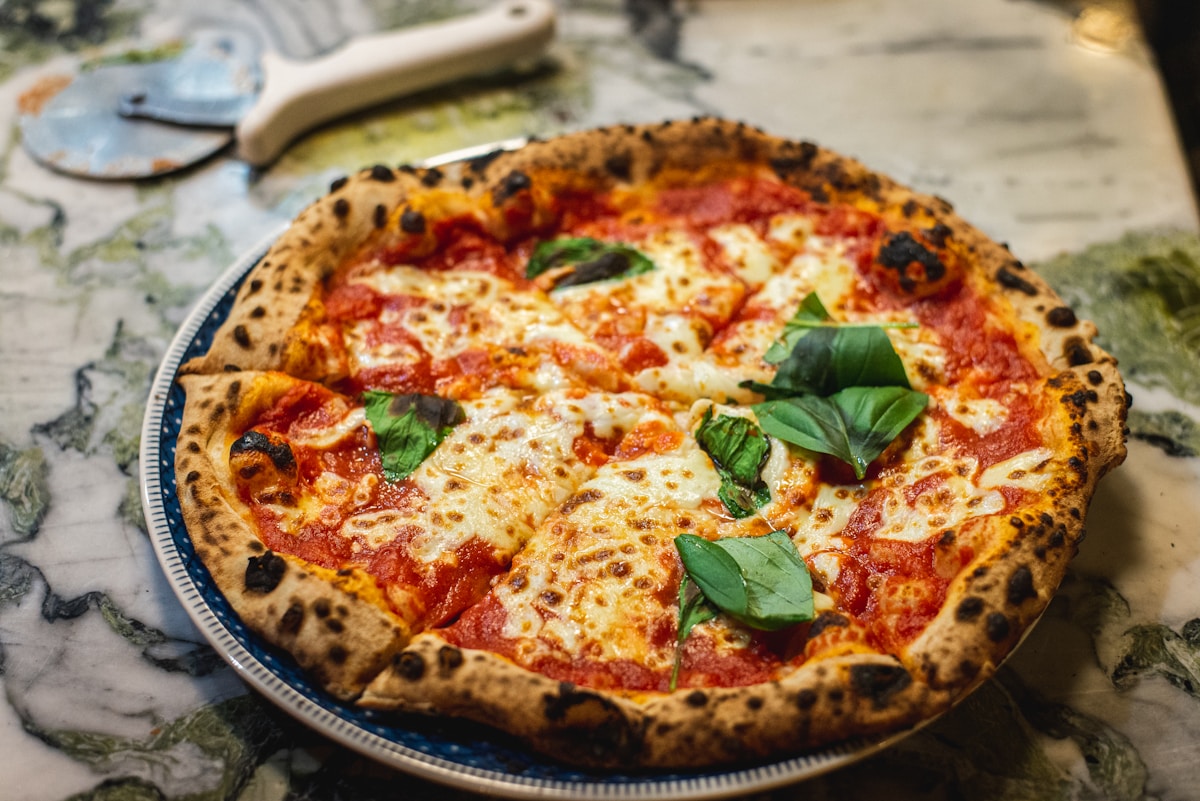
- The "Margherita" pizza was supposedly named in 1889 to honor Queen Margherita of Savoy, featuring the colors of the newly unified Italian flag: red (tomato), white (mozzarella), and green (basil).
- Pizza remained virtually unknown outside of Naples—even in the rest of Italy—until returning World War II soldiers and Italian-American immigrants popularized it globally in the mid-20th century.
Where did pizza originate?
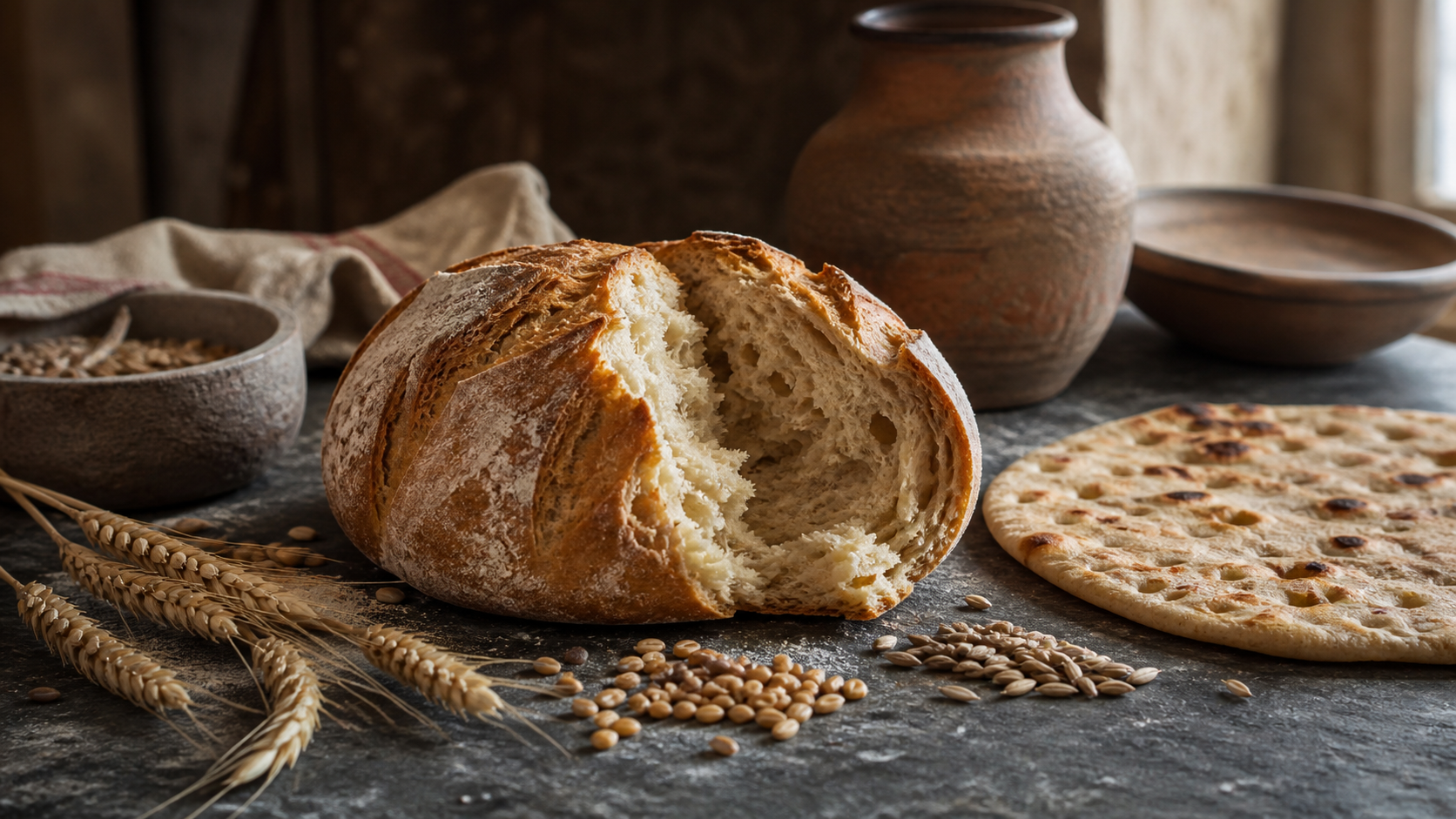
Flatbreads baked with savory toppings are ancient and universal. The Persians baked bread on their shields, the Greeks had *plakous* (flatbread with herbs and cheese), and the Romans ate *panis focacius* (focaccia). However, the specific dish we recognize as pizza was born in the 18th century in Naples, Italy. At the time, Naples was one of the largest and most densely populated cities in Europe, teeming with a massive class of working poor known as the *lazzaroni*. They needed food that was incredibly cheap, fast, and could be eaten on the street [1].
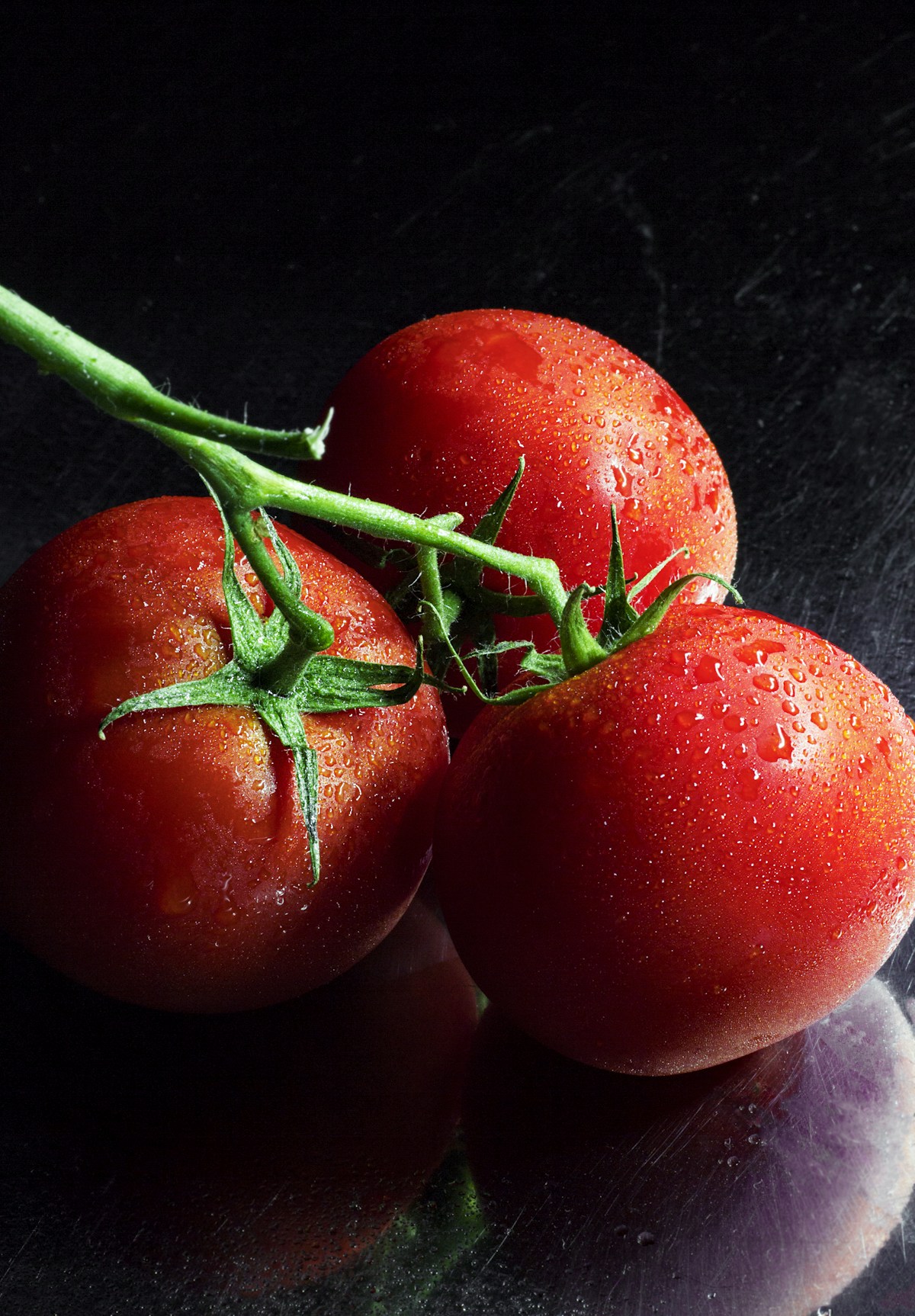
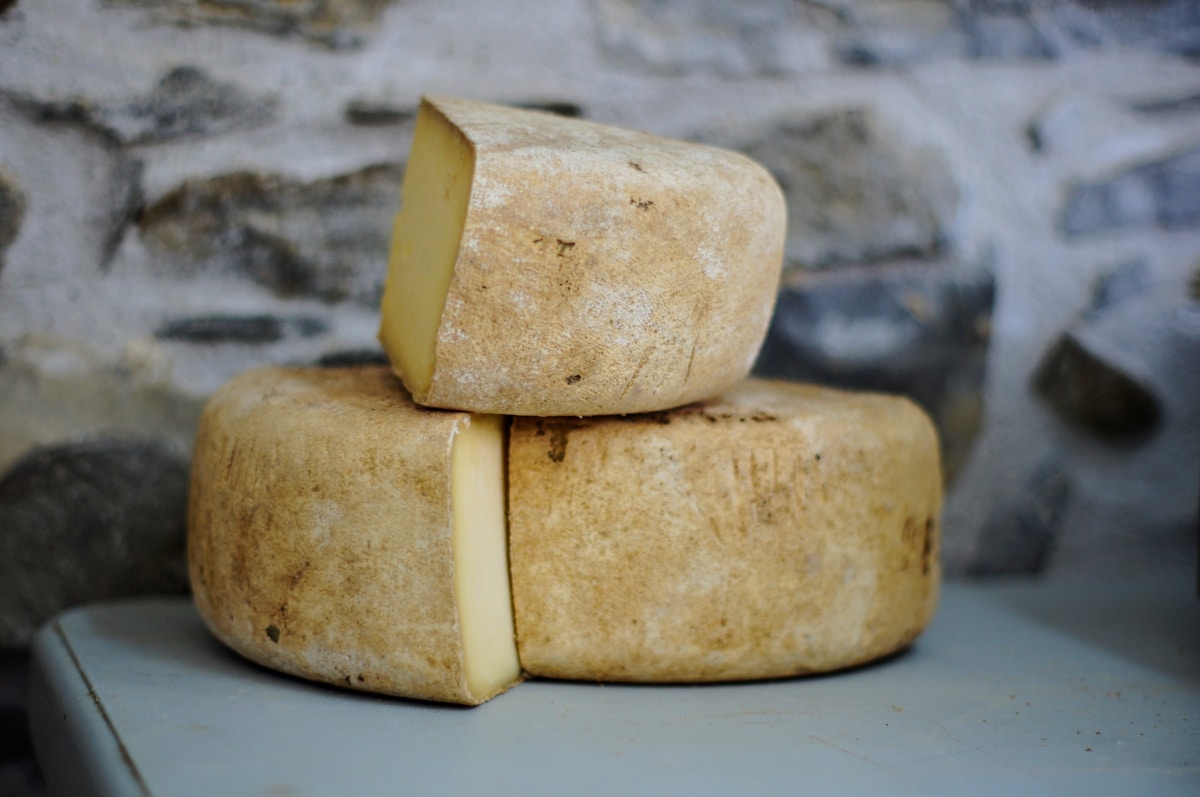
Pizza was the perfect solution. Street vendors carried hot flatbreads in copper boxes balanced on their heads. Crucially, these breads were topped with the tomato. Brought from the Americas in the 16th century, the tomato was long feared by wealthy Europeans as poisonous. It was the starving poor of Naples who finally embraced it, pairing it with cheap local ingredients like garlic, lard, salt, and scraps of cheese (often from water buffalo). Early pizza was deeply stigmatized by the upper classes, viewed as a disgusting, garlic-reeking peasant food [2].
How did pizza evolve over time?
The turning point for pizza's reputation occurred in 1889. Shortly after the unification of Italy, King Umberto I and Queen Margherita of Savoy visited Naples. Bored of complex French cuisine, the Queen asked to try the local specialty. A local pizzaiolo named Raffaele Esposito presented her with three pizzas. Her favorite was topped with tomatoes, mozzarella, and fresh basil—ingredients that conveniently mirrored the red, white, and green of the new Italian flag. This patriotic pie was dubbed the "Pizza Margherita," instantly elevating pizza from street trash to a royal novelty [1].
Despite this, pizza did not spread across Italy; it remained strictly Neapolitan. Its true explosion occurred an ocean away. Millions of Southern Italians immigrated to the United States between 1880 and 1920, settling in cities like New York and Chicago. In 1905, Gennaro Lombardi opened the first licensed pizzeria in America in Manhattan. Unbound by strict Neapolitan rules and finding mozzarella and meat relatively cheap, Italian-Americans created a larger, heavier, heavily topped pie cooked in coal-fired ovens—the birth of the New York slice [3].
Why is pizza culturally important?
Pizza's leap from an ethnic specialty to a global phenomenon was driven by World War II. American soldiers stationed in Italy (many of whom had never eaten pizza back home) developed a taste for it and demanded it upon their return. In the 1950s, the postwar economic boom, the rise of car culture, and the invention of the corrugated cardboard pizza box created the perfect environment for fast-food franchising. Chains like Pizza Hut and Domino's commodified the dish, spreading it to the American suburbs and eventually the world [1].
Today, pizza is the ultimate blank canvas of globalization. While it retains a recognizable form (a crust, a sauce, a cheese), it aggressively adapts to local tastes. You can find mayonnaise and corn pizza in Japan, curry and paneer pizza in India, hot dog-stuffed crusts in the UK, and the deeply controversial pineapple pizza globally. It is the most universally consumed, recognizable dish on the planet, an incredibly rare example of a hyper-regional peasant food achieving total global saturation [2].
Modern Renaissance
As industrial pizza dominated the globe, a fierce counter-movement emerged in Naples to protect the authentic origins of the dish. In 1984, the *Associazione Verace Pizza Napoletana* (AVPN) was founded, establishing extremely strict rules for what constitutes a true Neapolitan pizza. It must be made with highly refined Type 0 or 00 wheat flour, San Marzano tomatoes grown on the volcanic plains of Mount Vesuvius, fresh mozzarella di bufala, and it must be baked in a wood-fired oven at 900°F (485°C) for no more than 90 seconds. The result is a soft, elastic, "soupy" center with a heavily blistered, charred crust (the *cornicione*) [1].
This artisanal revival has spread globally. Today, rigorous Neapolitan-style pizzerias exist from Tokyo to Los Angeles, importing the exact water pH and specific tomatoes needed to replicate the Neapolitan terroir. In 2017, UNESCO officially recognized the art of the Neapolitan *pizzaiuolo* as an Intangible Cultural Heritage of Humanity, finally giving the ultimate respect to the street vendors who invented the world's favorite food [3].
Historical Timeline
The modern tomato-based pizza emerges in the slums of Naples, sold by street vendors
Pizzaiolo Raffaele Esposito invents (or popularizes) the Pizza Margherita for the Queen of Italy
Gennaro Lombardi opens the first licensed pizzeria in America in New York City
The invention of the gas oven and the pizza box spark a boom in delivery and global franchising
UNESCO declares the art of Neapolitan pizza-making as Intangible Cultural Heritage
Evidence Explorer
Review the Source Trail
Inspect the article sources, scoped review credits, and copyable citation details without leaving the page.
Reviewed for Stated Scope
Sources Listed
Comments
Community comments are coming soon. Check back later to join the discussion!