💡 Key Takeaways
- A 3,500-year-old fresco at Akrotiri on the Greek island of Santorini shows saffron gatherers offering crocus stigmas to a goddess — the earliest visual record of saffron harvest.
- Iran produces roughly 90% of the world's saffron supply — over 400 tonnes annually — primarily in the Khorasan province, where the same fields have been cultivated for centuries.
- Producing one kilogram of dried saffron requires hand-picking the stigmas from approximately 150,000 to 200,000 Crocus sativus flowers, all harvested during a two-week autumn window.
Where did saffron originate?
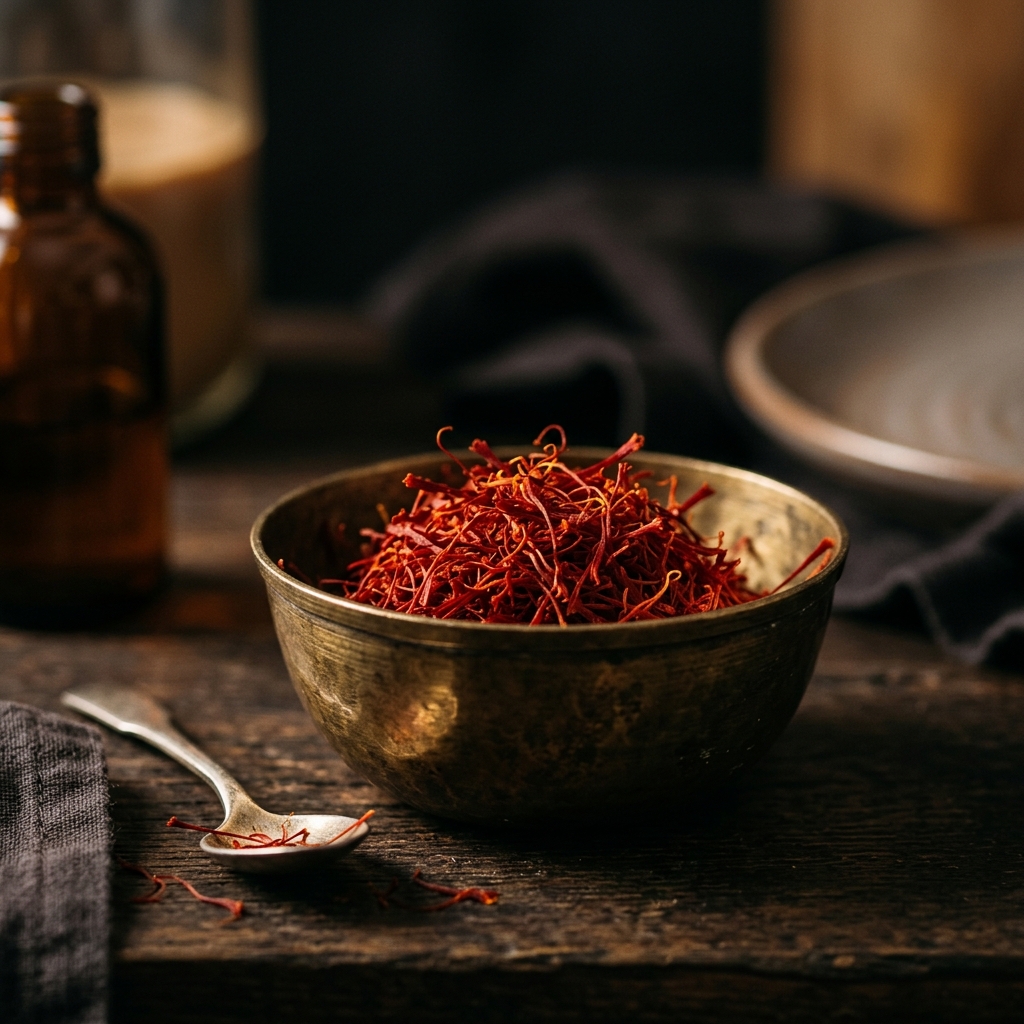
Saffron is the dried stigma of Crocus sativus, a sterile triploid plant that cannot reproduce without human intervention — meaning every saffron crocus alive today was deliberately planted by a farmer. The species is believed to have emerged from wild Crocus cartwrightianus, possibly through deliberate selection in Bronze Age Crete or Iran. The most striking early evidence comes from Akrotiri on the volcanic island of Santorini, where frescoes buried by an eruption around 1,500 BCE show young women in elaborate clothing gathering crocus stigmas and offering them to an enthroned goddess [1].
In ancient Persia, saffron was cultivated at least from the Achaemenid period (550–330 BCE). Darius the Great reportedly used saffron dye in royal banners, and the spice featured in Zoroastrian rituals as a symbol of wisdom and the sun. Iranian cultivation centred on the Khorasan province — the same region that still produces roughly 90% of the world's supply. Archaeological remains from Mesopotamian sites suggest saffron was used in incense, medicine, and textile dye as far back as the 7th century BCE, making it among the most continuously cultivated luxury crops in human history [2].
How did saffron evolve over time?
From Persia, saffron spread east along the Silk Road to Kashmir and China, where Buddhist monks adopted it as a dye for their robes after the Buddha's death. Chinese medical texts from the Yuan Dynasty (1271–1368) describe saffron imported from Persia as a treatment for melancholy and menstrual disorders [3].
Westward, the Phoenicians traded saffron across the Mediterranean. When Moorish armies conquered Iberia in the 8th century, they brought intensive saffron cultivation to La Mancha in central Spain — a tradition that continues today, with Spanish Mancha saffron carrying its own denomination of origin. From Spain, saffron spread to England, where the town of Saffron Walden in Essex takes its name from the crocus fields that sustained it from the 14th to the 18th century [1].
Saffron's extraordinary value made it a target for fraud and conflict. In Nuremberg, the "Safranschou" (saffron inspection code) of 1358 imposed the death penalty for adulteration — offenders were burned alive or buried alive with their counterfeit saffron. In 1374, the city of Basel fought a 14-week war after pirates hijacked an 800-pound saffron shipment bound for the city's merchants, underlining how the spice could trigger genuine armed conflict in medieval Europe [2].
Why is saffron culturally important?
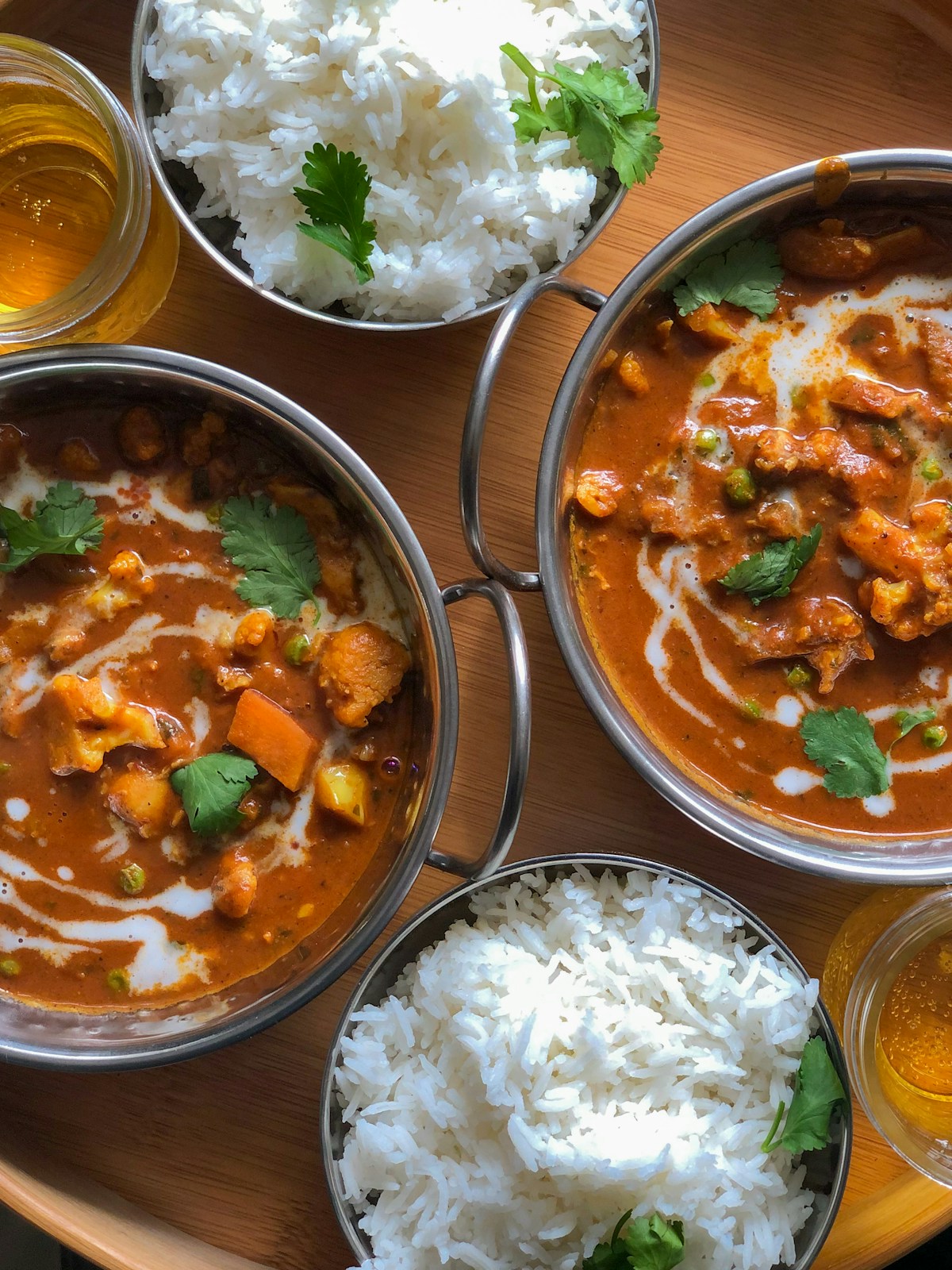
Saffron is woven into the ritual and aesthetic life of civilizations across four continents. In Hinduism, saffron paste (kumkum) marks the tilaka on devotees' foreheads, and the spice colours the robes of Hindu sadhus and Buddhist monks alike. In Persian cuisine, saffron is indispensable to tahdig (crispy rice), sholeh zard (rice pudding), and dozens of stews; Iranian hospitality is measured partly by the generosity of saffron used in a host's cooking [1].
In Mediterranean Europe, saffron anchors iconic dishes: Milanese risotto, Spanish paella valenciana, French bouillabaisse, and Swedish saffransbullar (Lucia buns baked for the December 13 St. Lucia festival). Each recipe depends on saffron's unique ability to impart colour, aroma, and a subtle honeyed bitterness that no other spice duplicates [3].
Saffron also has a deep medical history. Hippocrates prescribed it for coughs and stomach ailments. The Ebers Papyrus (c. 1550 BCE) includes saffron in Egyptian remedies. Modern pharmacological research has identified anti-inflammatory and antidepressant properties in crocin and safranal: a 2014 meta-analysis in the Journal of Integrative Medicine found saffron supplementation comparable to fluoxetine for mild-to-moderate depression, validating millennia of traditional use [2].
Modern Renaissance
Iran remains the colossus of saffron production, growing over 400 tonnes per year — predominantly in Khorasan's arid, sun-drenched fields, where harvesting is performed by hand each October. An estimated 200,000 Iranian families depend on saffron as their primary income source. Yet the industry faces geopolitical headwinds: international sanctions have complicated Iranian exports, opening space for competitors in Afghanistan (now the world's second-largest producer), Kashmir, and Spain [1].
Fraud remains rampant in the global saffron trade. Cheap adulterants include safflower petals, turmeric, and even dyed corn silk. ISO 3632, the international saffron quality standard, classifies threads by crocin, picrocrocin, and safranal content into grades I through IV. Laboratory tests using high-performance liquid chromatography (HPLC) can detect adulteration, but enforcement is inconsistent — and retail saffron in some markets has been found to be up to 50% fake [2].
New frontiers include indoor and vertical farming. In the Netherlands and the UK, startups are experimenting with climate-controlled saffron cultivation that eliminates seasonal dependency and extends the harvest window. Meanwhile, premium single-origin saffron from specific Iranian, Spanish, and Kashmiri terroirs is finding a luxury market much like fine wine, with connoisseurs debating the relative merits of Pushal versus Negin versus Sargol grades. At $5,000–$10,000 per kilogram, saffron remains the world's most expensive spice — as it has been for at least 3,500 years [3].
Historical Timeline
Saffron gatherers depicted in Minoan frescoes at Akrotiri, Santorini
Persian saffron traded across the Achaemenid Empire and into Greece
Moorish cultivators establish saffron fields in La Mancha, Spain
The Saffron War: 14-week conflict in Basel over a hijacked 800-pound saffron shipment
Iran dominates global production with over 400 tonnes per year
Evidence Explorer
Review the Source Trail
Inspect the article sources, scoped review credits, and copyable citation details without leaving the page.
Reviewed for Stated Scope
Sources Listed
Comments
Community comments are coming soon. Check back later to join the discussion!