
Use-case buying guide

Which Maple Syrup Should You Buy? Amber, Dark and Pancake Syrup Compared

Real maple syrup is concentrated maple sap; pancake syrup can be a different sweetener formulation. Choose amber for a delicate table flavor, dark or very dark for stronger maple character in cooking, and read the ingredient list before paying a maple premium.
Published Updated 687 wordsMarket: United StatesBy
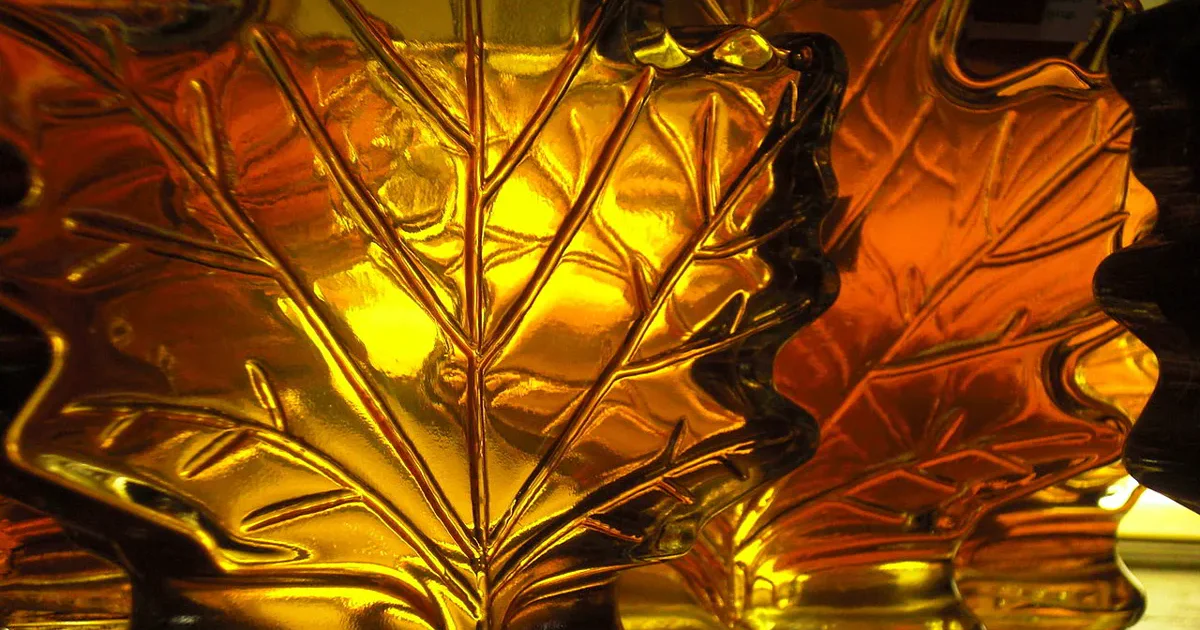
Amber, dark, and very dark pure maple syrup compared with a separate pancake syrup
Maple Syrup formats compared for the cooking jobs they perform best.

The short answer

Buy 100% pure maple syrup when maple flavor is the point. Choose amber color with rich taste for a lighter table profile, dark color with robust taste for stronger pancakes and baking, and very dark for recipes where maple must survive heat and other flavors. Buy pancake syrup only when you knowingly prefer its price and formulation.

Choose this when...

Start with the dish, then verify the package. Format, ingredients, handling, and intended use matter more than a universal ranking.

UseChooseWhyCheckDo not miss
Pancakes and wafflesAmber or dark pure maple syrupBoth remain visible; choose flavor intensity.Look for 100% pure maple syrup.Do not infer purity from a maple leaf graphic.
BakingDark or very dark maple syrupStronger flavor survives flour, spice, and heat.Check grade color and package size.Maple syrup changes moisture in a formula.
Glazes and savory saucesDark robust maple syrupIt stands up to mustard, chile, smoke, and roasting.One ingredient keeps the flavor legible.Very delicate amber may disappear.
Lowest-cost toppingPancake syrup with a transparent labelIt may meet the price goal without pretending to be pure maple.Read sweeteners and flavorings.Do not compare its unit price as if ingredients were identical.

Maple Syrup types compared

Grade A Amber, Rich Taste

Delicate and rounded

Choose it for
Table use and subtle desserts
Label clue
Current U.S. grade wording should be clear.
Not the first choice for
Recipes needing forceful maple.

Grade A Dark, Robust Taste

Pronounced maple

Choose it for
Pancakes, baking, glazes, and sauces
Label clue
Color class and taste descriptor pair together.
Not the first choice for
Shoppers seeking the palest profile.

Grade A Very Dark, Strong Taste

Deep and assertive

Choose it for
Commercial cooking and strongly flavored recipes
Label clue
Often most useful by the spoonful in cooking.
Not the first choice for
Assuming darker means lower grade.

Pancake syrup

Sweet and flavor-formulated

Choose it for
Budget topping when chosen knowingly
Label clue
Ingredients may include corn syrup and flavor.
Not the first choice for
Calling it pure maple syrup.

Amber vs dark is not good vs bad

The modern U.S. grading system places retail maple syrup within Grade A and uses color plus taste descriptors. Darker syrup generally carries stronger maple character. Choose intensity for the dish instead of treating pale syrup as automatically premium.

Maple syrup vs pancake syrup

The two can occupy the same breakfast shelf while being different products. Pure maple syrup concentrates tree sap; pancake syrup may combine other sweeteners, water, flavor, color, and preservatives. The ingredient list resolves the distinction faster than the front illustration.

When a larger jug makes sense

Pure maple syrup can offer better unit value in larger containers, but only if refrigerated and used steadily. A smaller bottle protects cash and turnover for occasional users. Strong dark syrup can also deliver more perceived maple flavor per spoon in cooking.

What to check before you buy maple syrup

  • Pure maple syrup should not hide a mixed-syrup formula.
  • Color classes describe flavor intensity, not a quality hierarchy.
  • Country, state, and producer claims are distinct.
  • Compare unit price only after comparing identity.

How a seasonal forest harvest became a graded bottle

Indigenous maple knowledge preceded settler industries, metal evaporators, modern tubing, and national grading systems. Today a color-and-flavor label helps shoppers select within a product rooted in a narrow spring sap season.

Read the full food history

Sources and label evidence

  1. [1]Maple Syrup Grades and Standards. U.S. Department of Agriculture (2026).
  2. [2]Maple Sugar: From Sap to Syrup. Storey Publishing (2010).
  3. [3]The Maple Sugar Book. Schocken Books (1950).
  4. [4]Sweetness and Power: The Place of Sugar in Modern History. Penguin Books (1986).
  5. [5]Maple syrup production and climate change. United States Department of Agriculture (2024).
๐Ÿ›๏ธ

Written by The Foods That Shaped Us Research Desk

The Foods That Shaped Us Research Desk is the publication byline for collaboratively maintained food-history articles, Case Files, Trend Desk analysis, and original Recipe Desk development. Historical work is grounded in cited sources. Recipes use measured formulations and receive an editorial consistency, safety-note, and image-provenance review before release.

Source-led editorial processยทRead our Editorial Standards