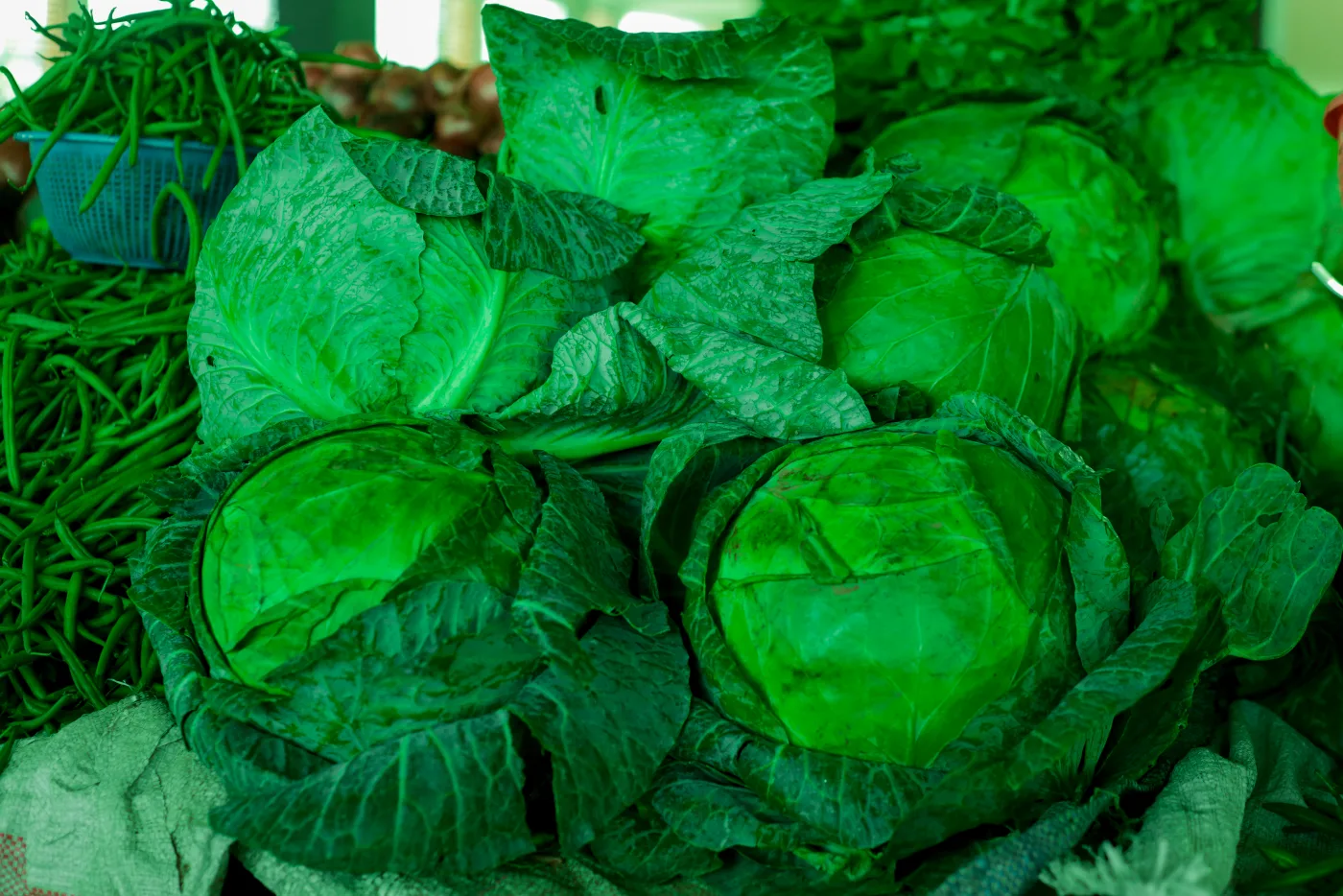
Cabbage Dumplings Are Up 110% — and Cabbage Is a 4,000-Year-Old Vegetable
Pinterest Predicts 2026 calls cabbage a breakout: cabbage dumplings up 110%, golumpki soup up 95%, fermented cabbage up 35%. Cabbage is a 4,000-year-old brassica.
Pinterest Predicts 2026 names cabbage a breakout vegetable: cabbage dumplings up 110%, golumpki soup up 95%, fermented cabbage up 35%, and cabbage alfredo up 45%. The trend rests on a 4,000-year-old brassica — Brassica oleracea — domesticated from wild sea cabbage and spread through Roman, European and East Asian kitchens into kimchi, sauerkraut and dumplings.
What's happening
Pinterest Predicts 2026 names cabbage one of its breakout vegetables, with cabbage dumplings up 110%, golumpki soup up 95%, fermented cabbage up 35% and cabbage alfredo up 45% [1]. The "Cabbage Crush" is a shift of cheap, shelf-stable brassicas into dumpling wrappers, soups and fermented formats.
The history behind it
Cabbage is one of the oldest cultivated vegetables — a domesticated form of Brassica oleracea, the wild sea cabbage of the Mediterranean and Atlantic coasts, farmed for roughly 4,000 years [2]. The Romans ate it, medieval Europeans relied on it, and East Asian and Central European kitchens turned it into kimchi and sauerkraut through fermentation [3]. Cabbage dumplings and golumpki (Polish stuffed cabbage rolls) are old peasant formats now trending.
Why it matters
The food-history value is that a 2026 Pinterest breakout is a 4,000-year-old vegetable in familiar formats. The "new" cabbage trend is an ancient brassica in a wrapper. For the full history of cabbage, kimchi and sauerkraut, see the articles below.
How to try it
Cabbage dumplings work two ways: chopped raw cabbage folded into a pork-and-ginger filling, or a whole blanched cabbage leaf wrapped around a meat-and-rice mixture and simmered. For the dumpling version, salt the chopped cabbage first and squeeze out the water so the filling does not go soggy. For the wrapped version, use the outer leaves of a green cabbage and soften them in boiling water first. For the full cabbage, kimchi, and sauerkraut histories, read below.
📖 Read the full history
Trend Desk notes are timely. The durable history behind each trend lives in these articles and collections.
Cabbage
The 4,000-year-old brassica domesticated from wild sea cabbage, spread by Romans and medieval farmers, and fermented into kimchi, sauerkraut, and the 2026 Pinterest Cabbage Crush
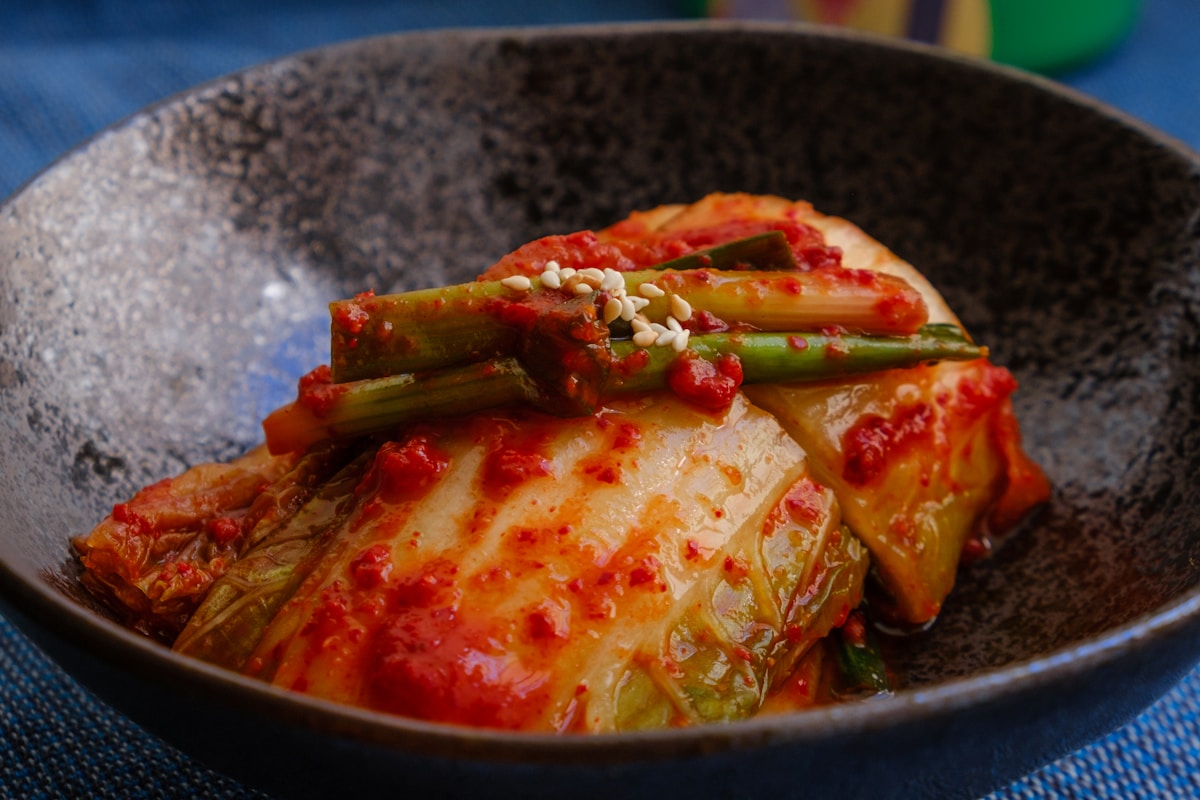
Kimchi
The fermented Korean staple that turned preservation into identity
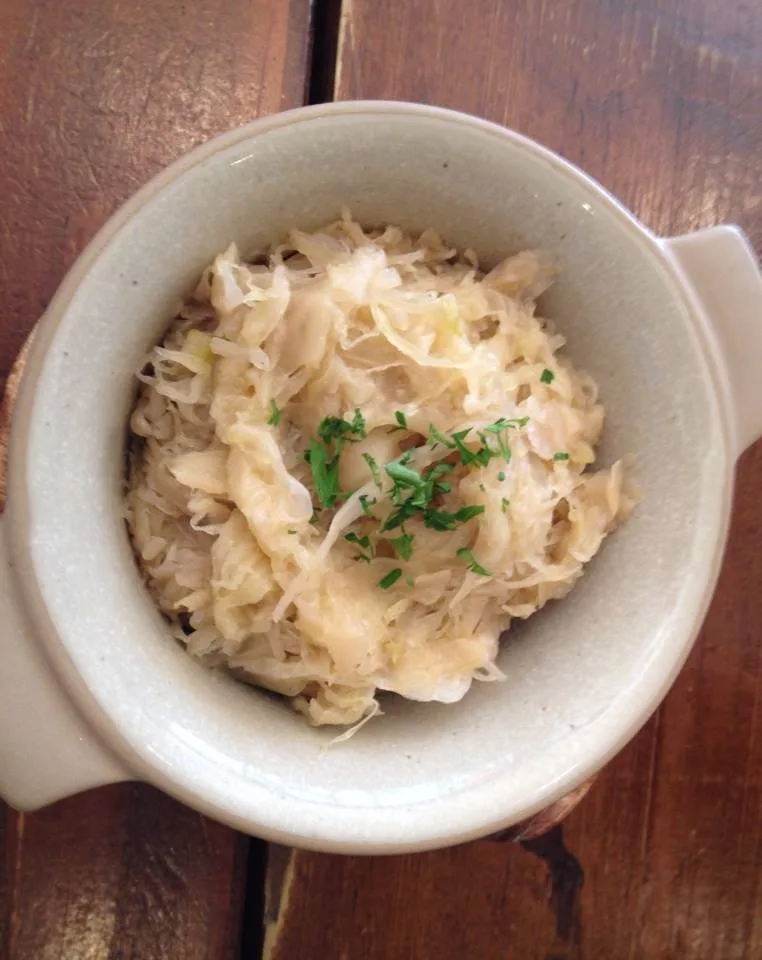
Sauerkraut
The fermented cabbage that carried salt, winter storage, and migration history
Spoiled on Purpose: Fermented Foods
Explore the full collection →
Comments
Community comments are coming soon. Check back later to join the discussion!