
Why Doenjang Is Suddenly in Every Pantry — the Korean Fermentation Boom, Explained
Doenjang, Korea's 1,000-year-old soybean paste, is the quiet base note of the 2026 Korean-food boom — from temple kitchens to global pantries.
Doenjang, Korea's fermented soybean paste, is riding the 2026 Korean fermentation boom alongside gochujang and kimchi. Born in Buddhist temple kitchens and Three Kingdoms-era jang culture, it is the Korean counterpart to miso — and 2026 made it a global pantry staple.
What's happening
Korean fermentation is one of the defining flavor stories of 2026. FoodNavigator's 2026 flavour-trends coverage names Korean and fermented flavors as central to the year [1], and doenjang — the savory soybean paste that underpins Korean stews, soups, and ssamjang — is showing up in Western pantries as a standalone umami ingredient, not just a Korean-market staple.
The boom is a cluster: doenjang with gochujang, kimchi, and a wider appetite for fermented, gut-friendly, umami-rich ingredients.
The history behind it
Doenjang is made from cooked soybeans, a starter mold, and salt, fermented in blocks or jars into a savory paste. It belongs to Korea's jang culture, with roots in the Three Kingdoms period and Buddhist temple kitchens, where fermented soy foods sustained monastic vegetarian cooking [2]. Through the Joseon dynasty it became a household staple with family jang cultures and seasonal fermentation calendars.
It is the Korean counterpart to Japanese miso — same family of fermented soybean pastes, different tradition.
Why it matters
The 2026 boom reframes doenjang as a global umami ingredient, but the food-history value is that it is not new: it is a 1,000-year-old pantry staple meeting a new audience. For cooks, that means the "trend" ingredient has a deep recipe tradition behind it. See the full doenjang history, the gochujang and miso articles, and the fermented-foods collection below.
What doenjang actually is
Doenjang is a Korean fermented soybean paste, and it is not the same as miso or gochujang. It is made by cooking and grinding soybeans into firm blocks called meju, which are dried and hung to ferment with wild molds, then submerged in brine. As the blocks age, the brine becomes ganjang, Korean soy sauce, and the softened solids become doenjang, a chunky, earthy, long-fermented paste. It is saltier, rougher, and more pungent than Japanese miso, which is usually smoother and shorter-fermented. It is the base of doenjang-jjigae, the everyday stew, and it is a fermented protein food, not a seasoning you use by the spoonful. For the full histories of doenjang, gochujang, and miso, read below.
📖 Read the full history
Trend Desk notes are timely. The durable history behind each trend lives in these articles and collections.
Doenjang
The Korean fermented soybean paste that carried Buddhist temple food, jang culture, and Korean fermentation into a 2026 global pantry trend
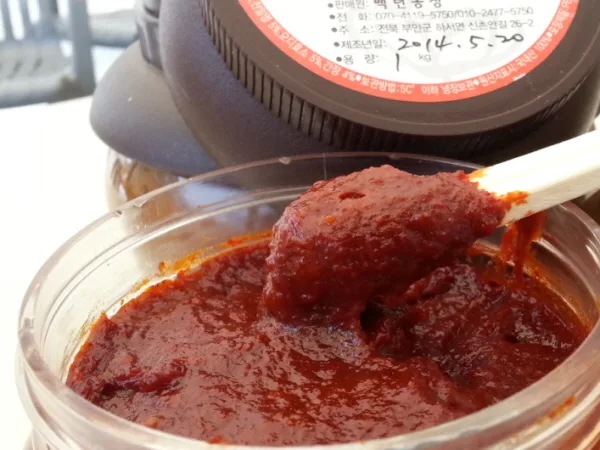
Gochujang
Korea's fermented chili paste that fused old jang traditions with New World heat
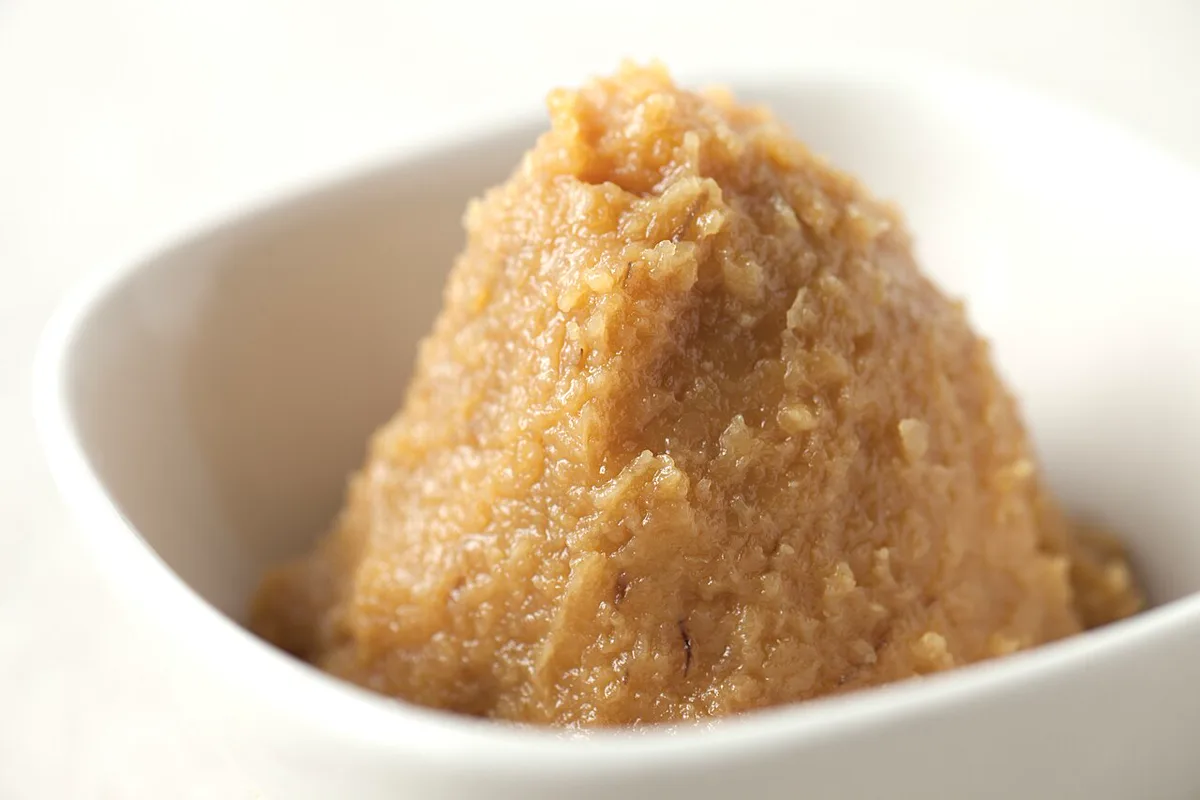
Miso
The fermented soybean paste that gave Japan a language of umami
Spoiled on Purpose: Fermented Foods
Explore the full collection →
Comments
Community comments are coming soon. Check back later to join the discussion!