💡 Key Takeaways
- Doenjang is a Korean fermented soybean paste made from cooked soybeans, a starter mold, and salt, fermented in blocks or jars into a savory umami paste.
- It is central to Korean jang culture, with roots in temple kitchens, household fermentation, and the Three Kingdoms period, and stands as the Korean counterpart to Japanese miso.
- Doenjang became part of the 2026 Korean fermentation boom alongside gochujang and kimchi, as global cooks sought fermented, gut-friendly, umami-rich ingredients.
Where did doenjang originate?
Doenjang is a Korean fermented soybean paste made by cooking soybeans, shaping them into blocks called meju, inoculating them with naturally occurring molds such as Aspergillus, and fermenting in brine with salt to produce a savory, umami-rich paste [3][4]. It is central to Korean jang culture, the family of fermented soy pastes and sauces that also includes gochujang and soy sauce. Historical sources place fermented soybean pastes on the Korean peninsula by the Three Kingdoms period, shaped by older East Asian soy fermentation traditions and later refined in Buddhist temple kitchens [4][5].
The food-history importance of doenjang is that it turned dried soybeans into a durable, deeply savory, protein-rich seasoning that could carry a household through the year.
Jang Culture and Temple Kitchens
Korean jang culture is older than any single brand. Households kept their own meju and jang jars, and the quality of a family’s doenjang was a marker of cooking skill and continuity across generations [4]. Buddhist temple kitchens refined soy fermentation for monastic vegetarian cooking, using doenjang as the savory base for stews and soups without fish or meat [5].
During the Joseon dynasty, doenjang became a household staple with seasonal fermentation calendars, specialized vessels, and recipes for doenjang-jjigae (soybean paste stew), ssamjang (doenjang mixed with gochujang), and dipping sauces. That household-and-temple base is what later industrial production scaled.
Doenjang, Miso, and Gochujang
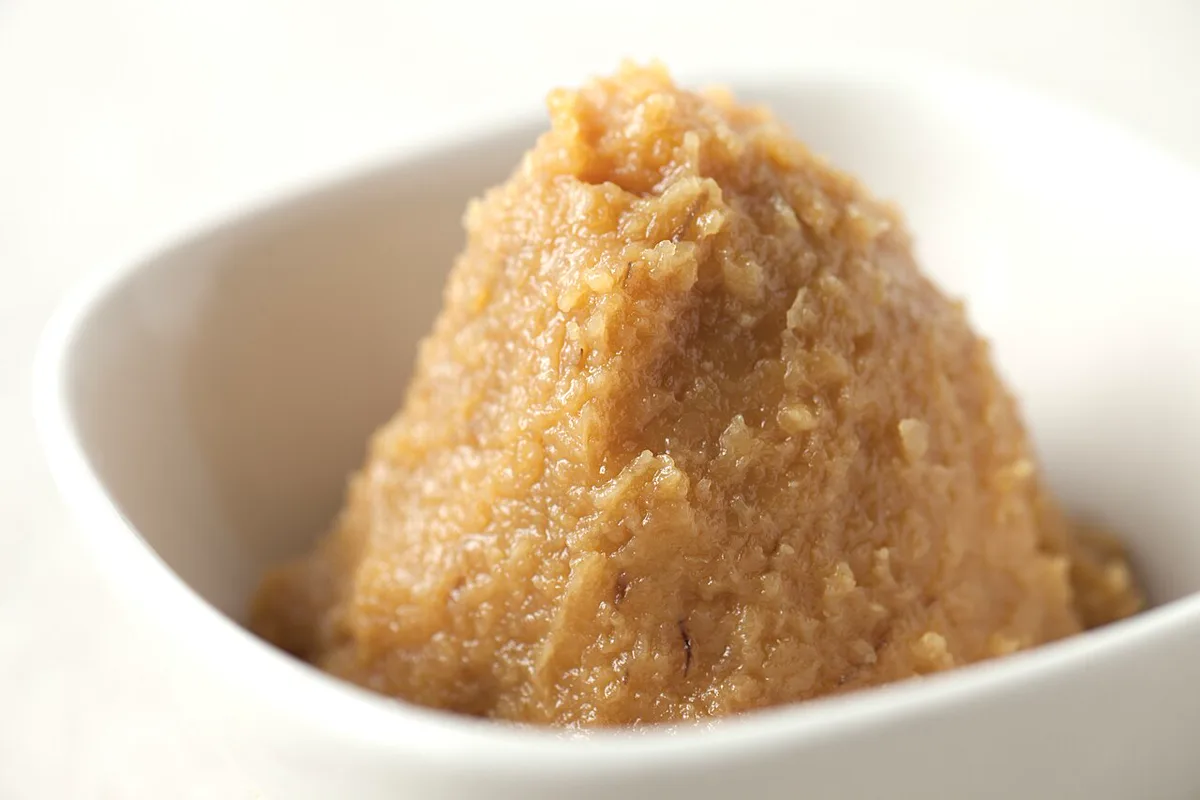
Doenjang is often compared to Japanese miso, and the two are related: both descend from older East Asian fermented soybean paste traditions, but they diverged into distinct pastes with different textures, fermentation methods, and flavors [4][5]. Japanese miso is typically smoother and often lighter and sweeter; Korean doenjang is usually chunkier, earthier, and more pungent because it retains part of the fermented soybean solids.
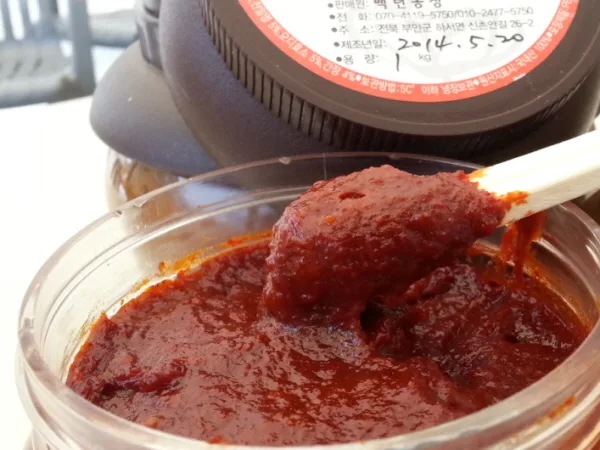
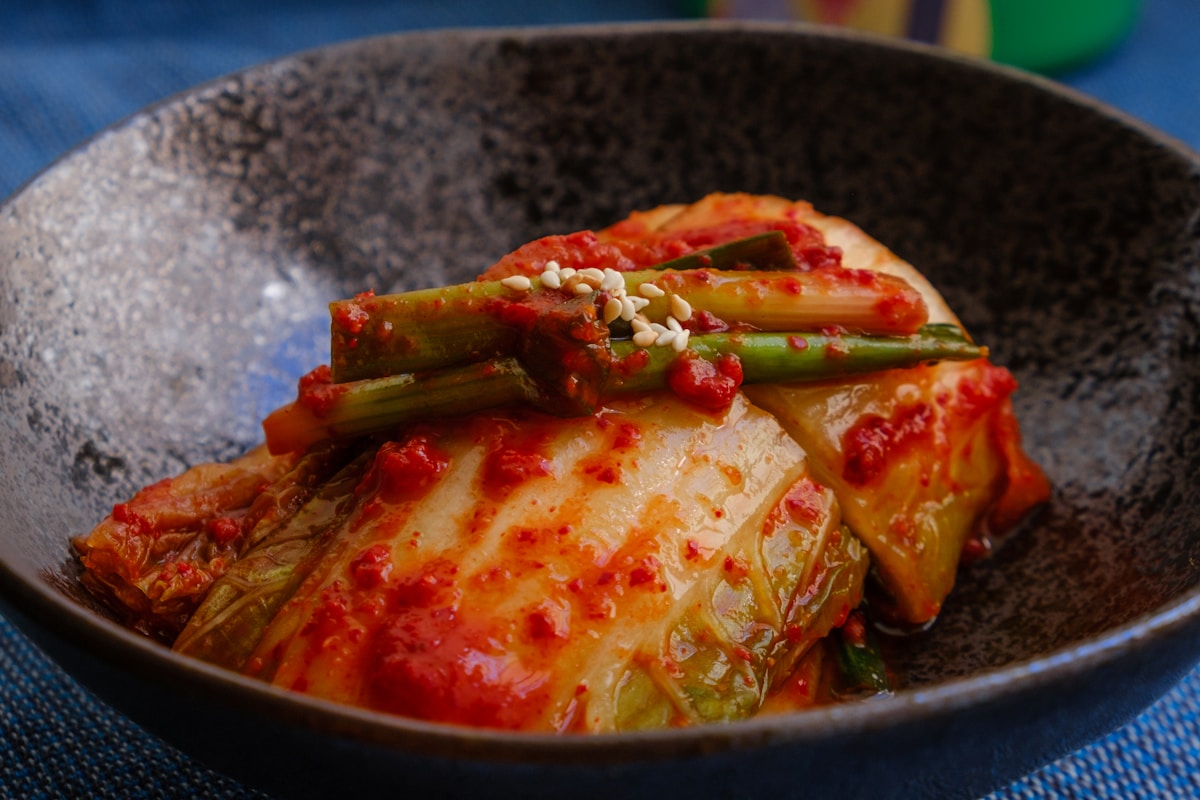
Within Korean cooking, doenjang also sits beside gochujang, the fermented chili-soy paste, and kimchi, the fermented vegetable staple. Together they form the Korean fermentation triad that drives much of the 2026 trend.
The 2026 Korean Fermentation Boom
By 2026, Korean fermentation had become one of the year’s defining food trends. Coverage of Korean fermentation trends for 2026 highlights gochujang, doenjang, and kimchi moving from Korean and Asian grocery stores into Walmart, Whole Foods, and Trader Joe’s, while gochujang pasta, burgers, and aioli spread on social media [2]. FoodNavigator’s 2026 flavor report places Korean flavors and fermented condiments among the year’s fastest-rising tastes [1].
The safer food-history framing is that doenjang is not new. It is an old soy preservation and umami system getting a new global audience through K-food restaurants, supermarket distribution, and gut-health interest in fermented foods.
How Doenjang Is Used Today
Today doenjang appears in doenjang-jjigae (soybean paste stew), ssamjang for lettuce wraps, marinades, dipping sauces, soups, braised vegetables, and modern fusion dishes. Korean home cooks still age traditional jang, while supermarkets sell both traditional and industrial doenjang.
For The Foods That Shaped Us, doenjang links gochujang, kimchi, miso, soy sauce, soybean, and rice, completing the site’s Korean fermentation cluster. It is an ancient soybean paste now driving a modern global pantry trend.
In the news
Recent 2026 food-culture notes that reference this article.
Historical Timeline
Fermented soybean pastes develop on the Korean peninsula as part of early jang culture, influenced by Chinese soy fermentation traditions
Buddhist temple kitchens refine fermented soy foods for monastic vegetarian cooking, while aristocratic and household jang traditions spread
Doenjang becomes a household staple, with family jang cultures, seasonal fermentation calendars, and recipes for stews, soups, and sauces
Industrial doenjang and fermented soybean paste production scale up alongside traditional artisanal and temple methods
Korean fermented foods gain global visibility through K-food exports, restaurants, and social media
Korean fermentation, led by gochujang, doenjang, and kimchi, becomes one of the year’s biggest food trends
Evidence Explorer
Review the Source Trail
Inspect the article sources, scoped review credits, and copyable citation details without leaving the page.
Sources Listed
Comments
Community comments are coming soon. Check back later to join the discussion!