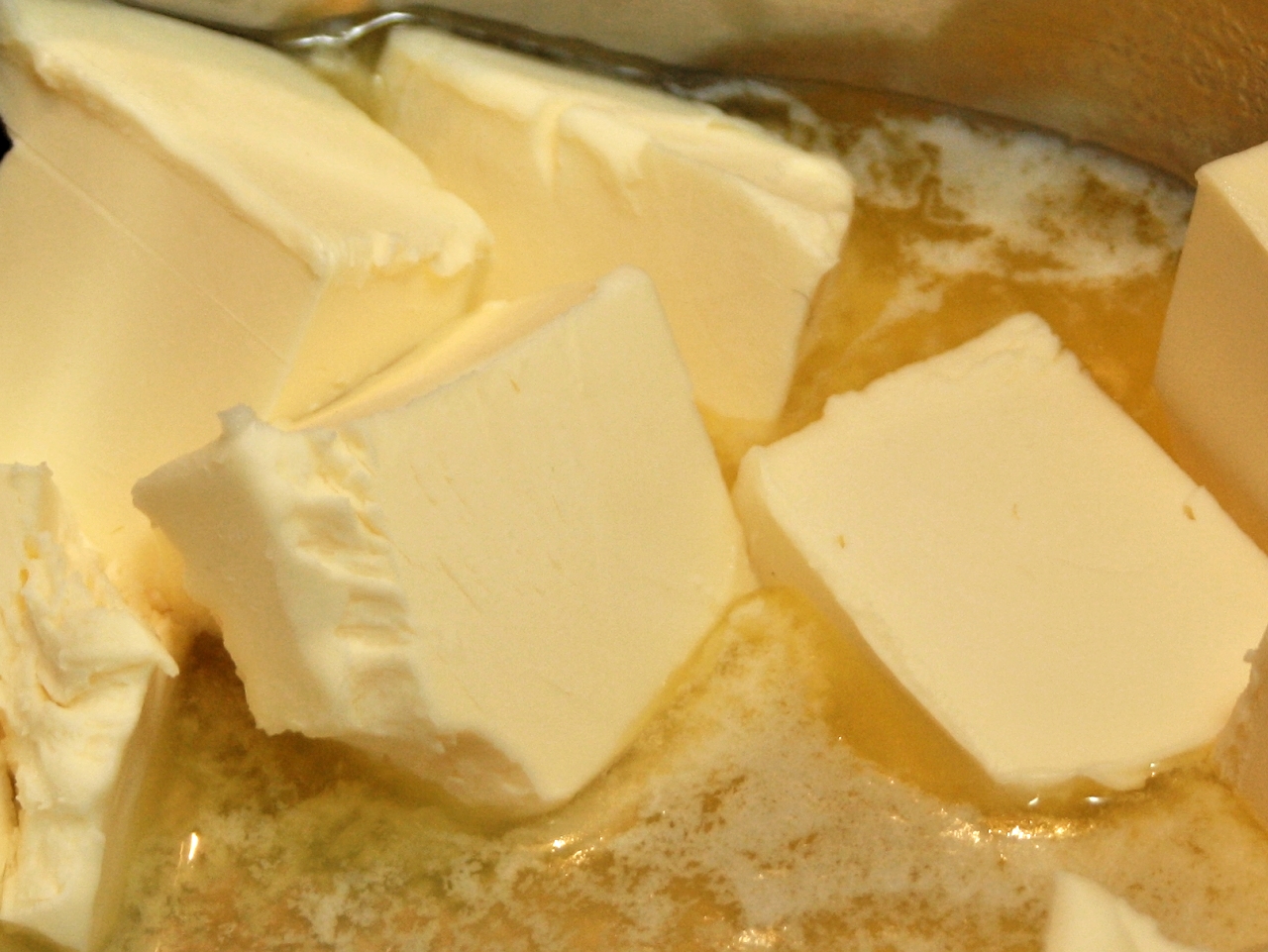
The Edible Butter Candle Goes Viral — and the Butter Behind It Is 8,000 Years of History
The edible butter candle, a 2026 TikTok format, is butter poured around a wick so it melts onto bread — and butter is an 8,000-year-old pastoral fat that South Asia once clarified into ghee and burned in ritual lamps.
The edible butter candle, a 2026 TikTok format, is butter molded around a wick so it melts onto bread — and butter is an 8,000-year-old pastoral fat that Neolithic herders accidentally churned, South Asia clarified into ghee and burned in ritual lamps, and medieval Europe valued it enough to fund a cathedral tower. For the full history, see butter below.
What's happening
The edible butter candle is a 2026 social-food format that turns dinner into a small spectacle: butter is pressed around a food-safe wick, chilled until firm, lit at the table, and left to melt into a golden pool that guests dip warm bread, lobster, or roast vegetables into [1]. It is photogenic, tactile, and built for the camera — which is exactly why it spread on TikTok and Instagram.
It is also the poster child for the wider fat-nostalgia wave that lifted beef tallow through 2026. After decades of being told that animal fats were the enemy, a cohort of cooks and creators has swung back to the fats of their great-grandparents — tallow for frying, lard for pastry, and butter for everything else — as a deliberate rejection of highly processed seed oils. The butter candle is the most theatrical version of that return: a food whose entire appeal is that it is animal fat, on fire, at the table.
The history behind it
The candle is new. The fat is not. Butter is one of the oldest animal fats humans make, and the story usually begins by accident. The leading theory holds that Neolithic herders in the Near East and the Sahara, carrying milk in animal-skin bags on the backs of pack animals, found that the rocking motion of travel had churned the cream into a thick, yellow mass [2]. It lasted longer than fresh milk, traveled well, and packed a dense hit of calories — less a party trick than a survival technology for pastoral people on the move.
South Asia took the same fat and solved its one flaw: in heat, butter spoils. By boiling butter and skimming off the water and milk solids, cooks produced ghee — a clarified butter that was shelf-stable for months, rich enough for high-heat cooking, and sacred enough for ritual. Ghee was poured into ceremonial fires and burned in the oil lamps called diyas, lit during festivals such as Diwali as a symbol of light and purity [3]. The 2026 butter candle, in other words, has a direct ancestor: clarified butter, on a wick, in a lamp, venerated for thousands of years.
In medieval and early modern Europe the same fat built an economy. Northern pastures made dairy cheap and abundant, and a churn-and-trade butter economy fed both peasants and aristocrats. Butter was valued enough to be restricted: during Lent, the Catholic Church forbade animal fats, and wealthy believers paid for dispensations to keep eating it. The Tour de Beurre, the great butter-funded tower of Rouen Cathedral in Normandy, is said to have been paid for with those dispensation fines — a medieval monument, the story goes, built on butter [4].
Why it matters
The food-history value is that the 2026 butter candle is not an invention but a return. The format — fat poured around a wick and lit at the table — is a social-media novelty; the ingredient is a cornerstone of pastoral civilization, and the idea of burning butter in a lamp is thousands of years old. A viral candle turns out to be Neolithic survival food, sacred South Asian fuel, and medieval European commerce in a single mold. For the full history of butter, and the rendered cattle fat riding the same wave, read below.
How to try it
To make an edible butter candle, soften butter and press it around a food-safe cotton wick in a small heatproof dish or mold, then chill until firm. Light the wick, let the butter melt slightly, and dip warm bread, roasted vegetables, or seafood into the pool. Use unsalted butter if you want to control seasoning, or a compound butter with garlic, herbs, or citrus zest for a flavored version. Two safety rules: only use an uncoated, food-safe wick with no metal core and no fragrance or candle wax, and never use a decorative candle wick. Serve it warm, not cold, because cold butter will not pool. For the full history of butter, read below.
📖 Read the full history
Trend Desk notes are timely. The durable history behind each trend lives in these articles and collections.
Comments
Community comments are coming soon. Check back later to join the discussion!