Fibermaxxing Searches Rose 115%: Why an Old Pantry Went Viral
Google’s U.S. Summergeist data recorded a 115% rise in fibermaxxing searches over 90 days. The word is new; its beans, oats, pulses, and plant fibers are not.
“Fibermaxxing searches up 115%” describes a specific Google finding, not a head count. On June 23, 2026, Google reported this change in U.S. search interest over the preceding 90 days [1][2]. The label is recent; the beans, lentils, chickpeas, oats, barley, and plant fibers gathered beneath it have much longer and more varied histories.
What Google’s 115% Fibermaxxing Figure Measures
The figure comes from Google’s Summergeist report, published on June 23, 2026. Google described the report as being based on U.S. Google Trends data and said that search interest in “fibermaxxing” had increased 115% during the preceding 90 days [1][2]. The same release said U.S. interest in dietary fiber had reached an all-time high in 2026 and identified smoothies and blueberry muffins among the leading “high fiber” recipe searches.
That wording matters. Google reported a relative rise in search interest, not a public count of searches. The percentage does not reveal how many people typed the term, how many adopted a new diet, or whether interest continued at the same pace after the measured window. It is best read as evidence that a once-niche piece of online vocabulary moved rapidly into wider U.S. curiosity during spring 2026.
The figure therefore points to a real trend with narrow boundaries: one term, U.S. data, a 90-day comparison, and a Google publication dated June 23, 2026. Keeping those boundaries attached prevents a useful signal from turning into an imaginary census.
What Fibermaxxing Actually Means
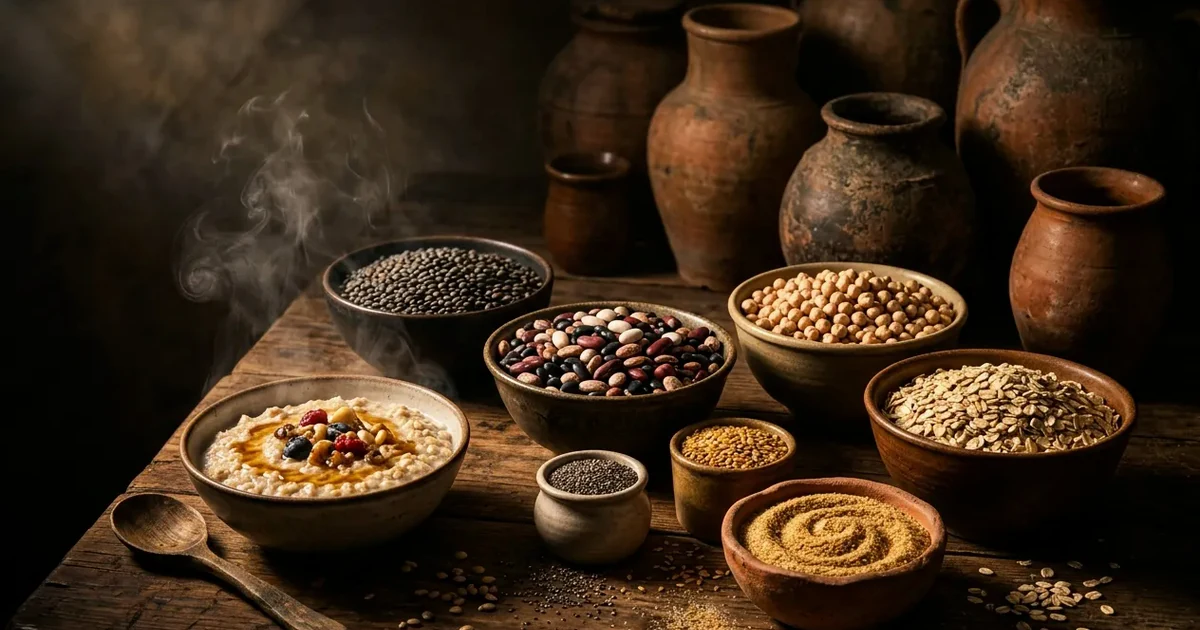
Fibermaxxing is internet shorthand for deliberately making dietary fiber a visible organizing principle of meals. The suffix “-maxxing” comes from digital cultures built around optimization: choose a measurable target, track it, and push it upward. In this case, the ingredients commonly shown beneath the label include legumes, whole grains, vegetables, seeds, fruit, and packaged fiber products.
That is a cultural definition, not a medical program. People using the word do not necessarily eat the same foods, follow one target, or share one reason. Some posts emphasize beans and oats; others feature smoothies, snack bars, inulin, or psyllium. The term gathers unlike routines under a memorable label and makes an otherwise ordinary nutrient legible to feeds, labels, and tracking apps.
Readers looking for the definition and terminology rather than the search statistic can use our separate explainer, What Is Fibermaxxing?. Keeping that page focused on meaning allows this one to examine why the number moved and what older food histories sit behind it.
The Old Pantry Behind the New Word
The strongest historical connection is not that every past society “fibermaxxed.” They did not share one universal diet, and no premodern eater organized a meal around a modern nutrient label. The connection is material: many foods now recruited into the trend were staple crops, storage foods, or everyday dishes long before dietary fiber became a category.
Lentils and chickpeas belong to ancient Southwest Asian farming histories. Barley helped sustain communities across the Near East, North Africa, and Europe in forms ranging from porridge and bread to beer. Oats acquired particular importance in cooler northern landscapes. Beans have multiple domestication and culinary histories across the Americas, Africa, Asia, and Europe rather than one simple point of origin. Ken Albala’s history of beans follows how different legumes moved between subsistence, stigma, ritual, trade, and national cooking [5].
These foods were never interchangeable. A chickpea stew, oat porridge, barley bread, and a pot of common beans emerged from different ecologies and cultural systems. What joins them in the current conversation is a laboratory category that their earlier cooks did not use. Dietary fiber lets contemporary shoppers compare them numerically; food history shows why reducing them to one number leaves out labor, flavor, class, preservation, and place.
The older pantry also changed over time. Milling could separate grain components; urban markets widened access to refined foods; industrial processing created new textures and shelf lives. The Cambridge history of food places grains and pulses inside those larger agricultural and commercial transformations [6]. Fibermaxxing turns attention back toward some old ingredients, but it does so through a distinctly modern language of metrics and personal optimization.
How Fiber Became Something to “Maxx”
Fiber existed in food long before it became a number on a package. Modern nutrition science, standardized labels, and consumer tracking gradually made the category visible in daily shopping. Phone apps then turned grams into dashboards. Social platforms supplied the competitive suffix and the before-and-after storytelling. A meal could now be photographed not only as breakfast or dinner but as evidence that someone had optimized a metric.
The timing also reflects trend fatigue. Protein dominated product launches and fitness language for years, making “proteinmaxxing” an easy template to imitate. Fiber offered marketers and creators a neighboring story with different ingredients and a less crowded visual vocabulary: jewel-colored lentil salads, oat jars, seeded breads, fruit bars, and powder tubs. Whole Foods Market placed “Focus on Fiber” in its official 2026 forecast, while Hannah Goldfield documented how creators and brands were turning the nutrient into recipes, jokes, products, and identity [3][4].
The trend is therefore not simply the return of an ancient diet. It is an old pantry translated by nutrition labels, retail forecasting, wellness commerce, and the grammar of social media.
Why Psyllium Became the Packaged Shortcut
Psyllium fits this culture unusually well because it makes an abstract nutrient look tangible. It can be sold in a jar, measured by a scoop, photographed beside a drink, and listed as a concentrated ingredient. Those qualities make it easier to brand than the diffuse fiber found across a varied meal.
Yet psyllium is not a 2026 invention. It comes from seed husks of Plantago plants and has a history under names including isabgol in South Asian commercial and medicinal contexts. Its present packaging shifts the object from apothecary and bulk ingredient toward a modern wellness accessory. The change is partly one of retail form: a familiar plant material becomes a standardized powder with a label, serving size, subscription, and social-media demonstration.
That does not make the powder the essence of fibermaxxing, nor does its prominence establish that consumers need it. It shows how markets select products that can stand in for a broader idea. A sack of beans asks for cooking and a culinary tradition; a fiber tub offers speed, portability, and a clean metric. Our Psyllium history and Psyllium Case File examine that longer transformation without turning this trend report into supplement advice.
What the 115% Number Cannot Prove
A search spike measures attention. It does not by itself demonstrate improved health, changed diets, product sales, or a permanent cultural shift. It also cannot tell us whether searchers were enthusiastic, skeptical, confused, or merely reacting to a headline. A person who searches once is not necessarily a participant, and a relative increase can look dramatic even when the starting level was modest.
The statistic also belongs to a defined moment. Google published the U.S. finding on June 23, 2026, covering the preceding 90 days [1][2]. It should not be silently converted into a worldwide figure or repeated as if it described the whole year. Later data may show continued growth, a plateau, or a fast decline.
What the number can support is narrower and still useful: fibermaxxing became substantially more visible in U.S. search behavior during that window. Paired with retailer forecasts and cultural reporting, it marks a shift in language and attention. The lasting historical question is whether the word survives. The foods beneath it do not need the word in order to endure.
Where to Explore Next
For the meaning of the term, start with What Is Fibermaxxing?. For the longer crop and pantry histories, follow the Fiber and Ancient Grains collection, then read about beans, oats, lentils, chickpeas, barley, and psyllium. Together they show why one new label can gather foods whose histories never followed a single route.
📖 Read the full history
Trend Desk notes are timely. The durable history behind each trend lives in these articles and collections.
What Is Fibermaxxing?
Explore the full collection →
Fiber and Ancient Grains
Explore the full collection →

Beans
How dried legumes — from Fertile Crescent pulses to American Phaseolus — became humanity’s portable protein and fiber pantry
Oats
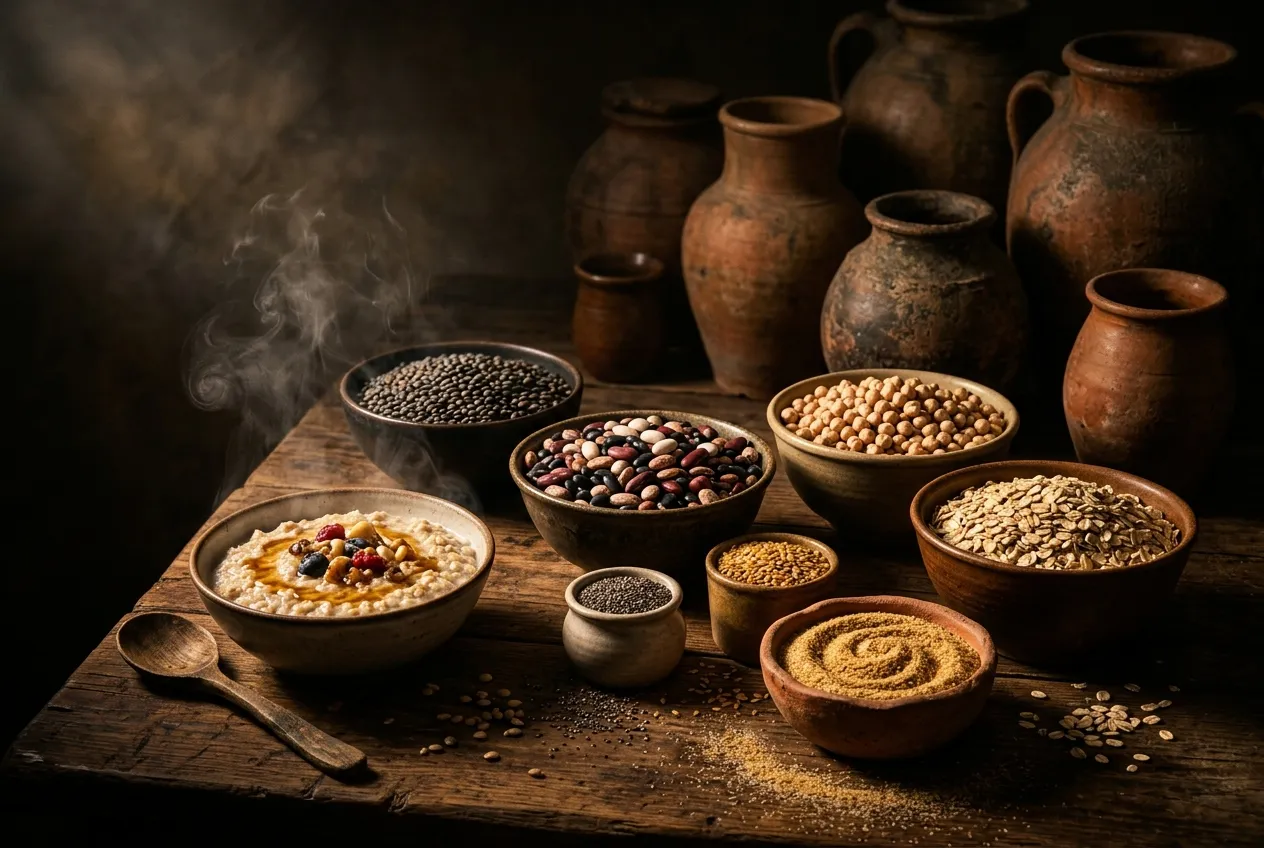
The cool-climate cereal that began as a weed among wheat and barley — then became porridge, oatcakes, oat milk, overnight oats, and a fibermaxxing staple
Lentil
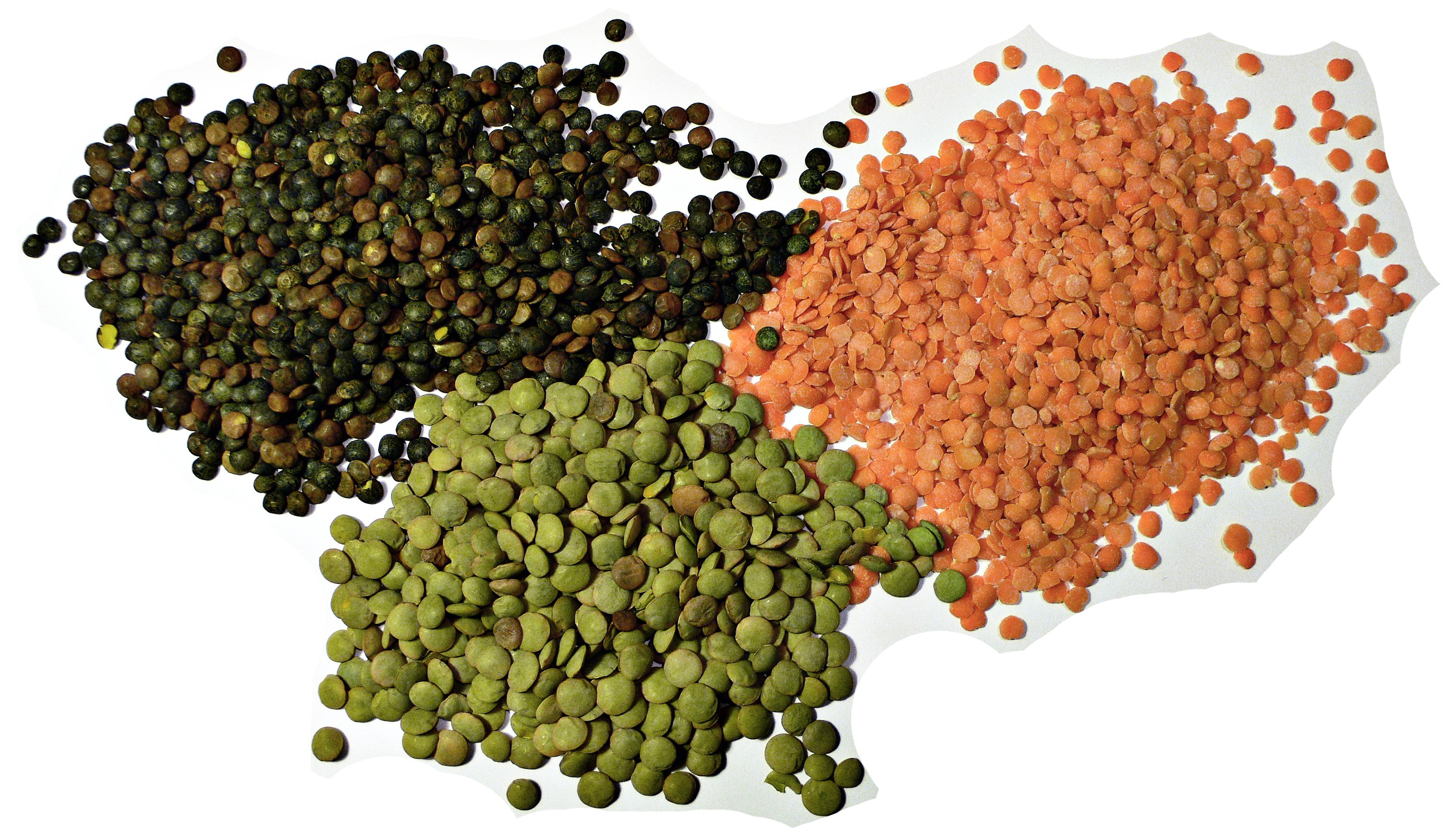
How the lens-shaped pulse of early farming became Mediterranean stews, South Asian dal, and a modern fiber staple
Chickpea
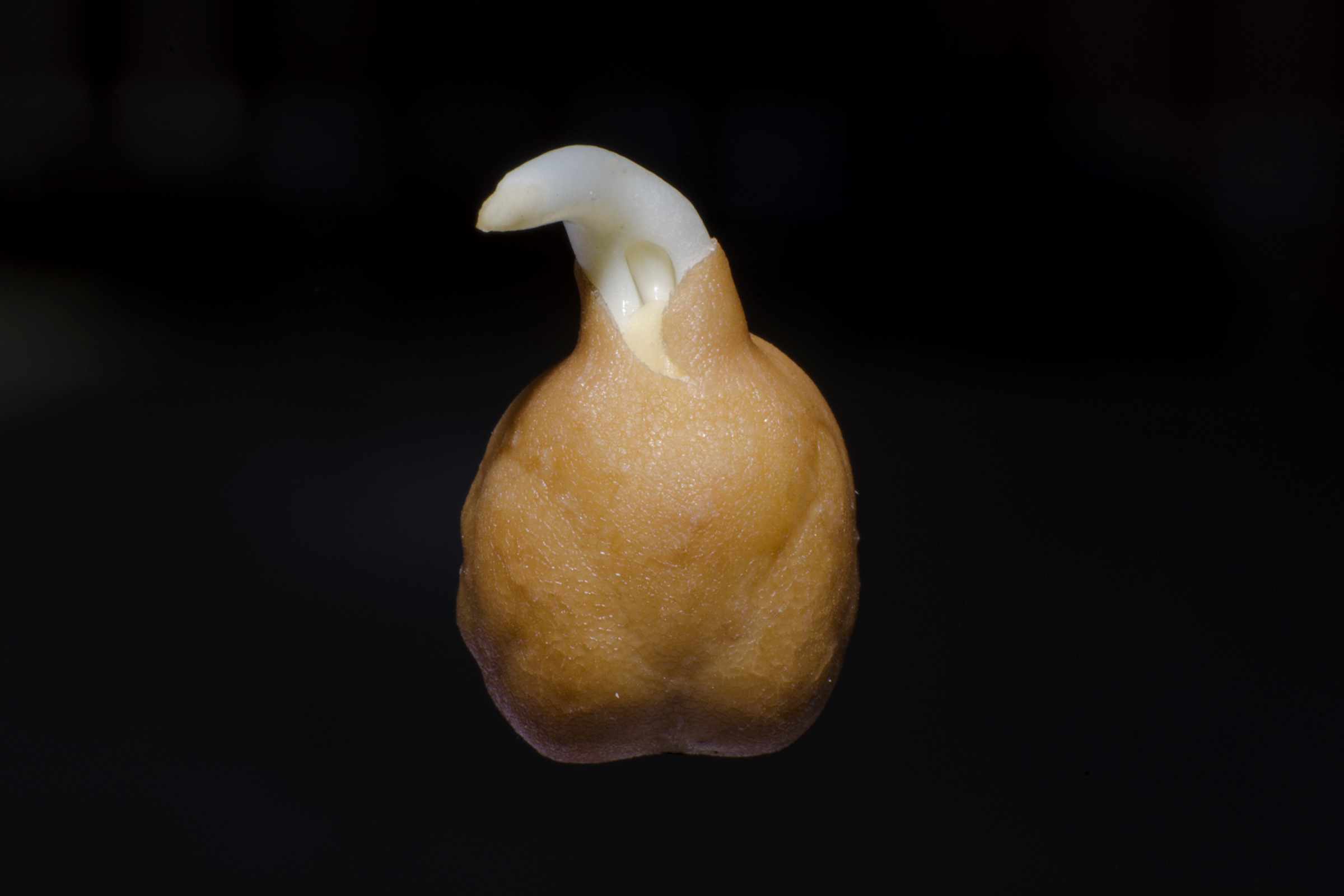
The ancient legume behind hummus, falafel, chana masala, and the modern plant-protein pantry
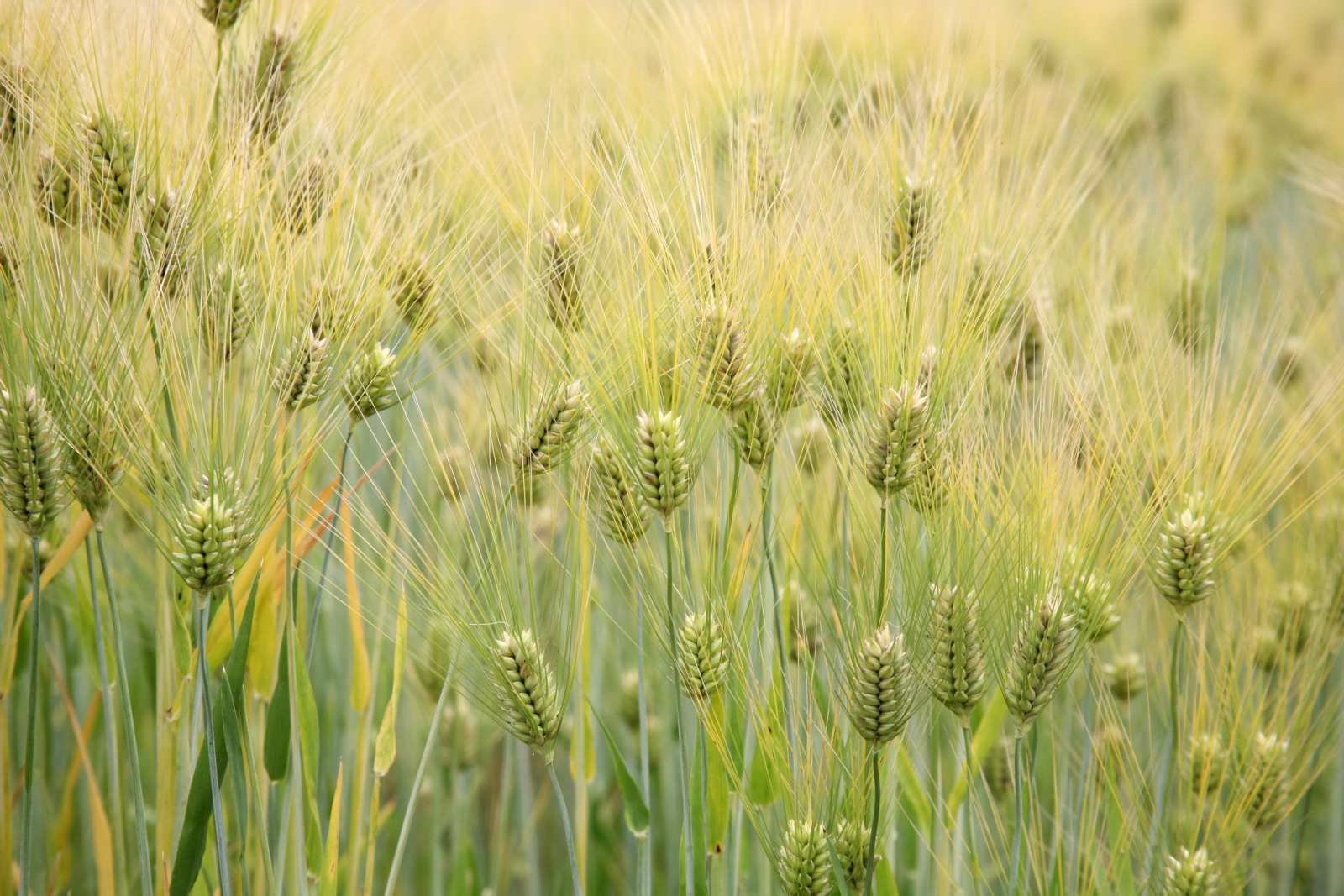
Barley
How one of the first cultivated cereals became porridge, malt, bread filler, and a modern high-fiber pantry grain
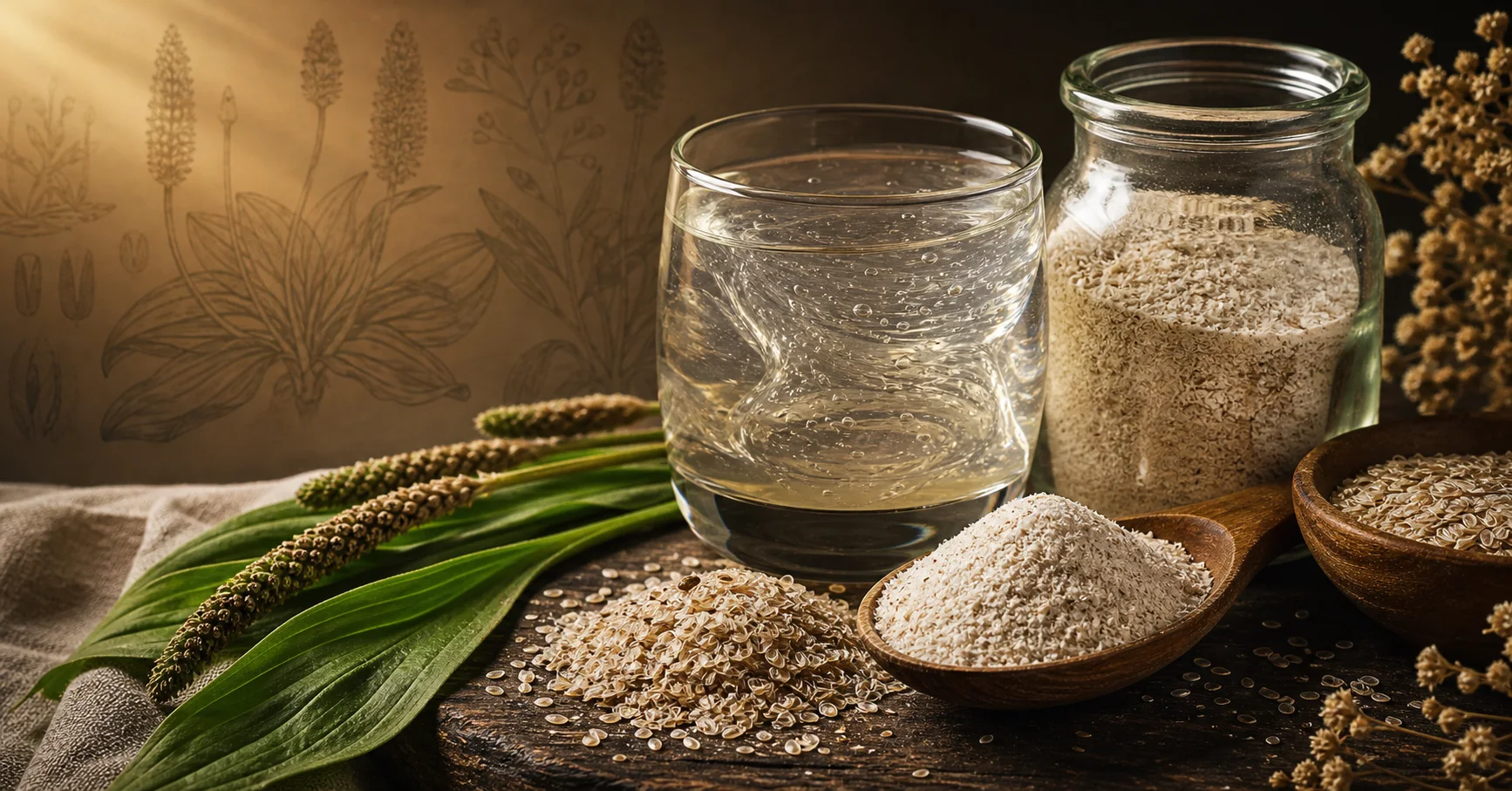
Psyllium
The tiny Plantago seed husk that moved from medicinal mucilage and pharmacy shelves into fibermaxxing, food thickening, and modern gut-health marketing
Psyllium and Fibermaxxing Case File
Explore the full collection →
Comments
Community comments are coming soon. Check back later to join the discussion!