
Heritage Cuisine, Not Fusion: The 2026 Restaurant Story
Heritage Cuisine, Not Fusion: The 2026 Restaurant Story belongs on The Foods That Shaped Us because the search phrase “heritage cuisine 2026” is not only a trend query—it is a door…
heritage cuisine 2026 is a food-history subject that combines contemporary attention with older kitchen practice. Readers usually meet heritage cuisine 2026 first as a cafe or social-media object, then discover older techniques underneath. This page explains what fermentation is, where its deeper context comes from, and how trade, technique, and modern menus reshaped it—then points to related reading inside the viral foods with ancient roots map. [1][2]
What heritage cuisine 2026 is and why people are searching it now
heritage cuisine 2026 is a food-history subject that combines contemporary attention with older kitchen practice. Readers usually meet heritage cuisine 2026 first as a cafe or social-media object, then discover older techniques underneath. This page explains what fermentation is, where its deeper context comes from, and how trade, technique, and modern menus reshaped it—then points to related reading inside the viral foods with ancient roots map. [1][2]
This Trend Desk note answers a timely query first, then bridges into longer food-history context. In plain language, fermentation is not only a flavor of the month: it is a named food practice with ingredients, tools, and social settings that can be described without hype. Contemporary menus and search spikes matter as evidence of attention, but they do not erase earlier uses. [1][2]
A careful answer starts with identification: what is actually in the bowl, bottle, or jar when someone orders or buys fermentation? From there, the page can separate durable technique from short-lived styling. For deeper pantry context, see Curry and the cluster overview at Viral Foods With Ancient Roots. Teaching and apprenticeship pathways also matter. Some knowledge about fermentation traveled through temples, guilds, family lines, or cafe training manuals. When those pathways break, recipes become unstable even if ingredients remain available. Food history therefore tracks institutions as carefully as ingredients.
Origins and historical context behind Fermentation
The longer history around fermentation is uneven in the written record. Household foods often leave fewer dated documents than taxed commodities or court cuisines, so responsible history keeps uncertainty visible. Still, comparative food scholarship—encyclopedic companions, culinary science, and regional studies—helps locate fermentation within agriculture, preservation, and exchange. [3][4]
Across the viral foods with ancient roots cluster, fermentation sits beside neighboring foods that share processing logic or sensory goals. Migration, colonial markets, and later industrial packaging repeatedly move foods into new naming systems. That is why a 2026 cafe label can sound novel while the underlying crop, ferment, fat, or infusion is old. Where origin dates are uncertain, this page treats them as open questions rather than settled founding myths.
When this article refers to “origin,” it means a historically grounded region of practice and exchange—not a single inventor story. Related reading: Som Tum.
Language is evidence. Local names, loanwords, and marketing English can describe the same food or quietly replace it. When fermentation travels, transliteration choices and menu spelling often signal which diaspora or export channel is speaking. A food-history page should preserve that linguistic plurality rather than force one canonical English brand term.
Class and prestige flips are common in the viral foods with ancient roots storyline. Foods once everyday can become scarce markers; foods once elite can become supermarket staples. Fermentation sits somewhere on that moving scale. The editorial task is to describe the flip with sources and dates where available, and with caution where the record is thin. Measurement systems changed how fermentation was reproduced: handfuls and seasons gave way to grams, timers, and branded starters. Precision can improve consistency while erasing tacit judgment. Both gains and losses belong in a complete account of heritage cuisine 2026.
How trade, migration, and industry reshaped Fermentation
Trade routes and migration networks are often better explanations for mainstreaming than genius-chef myths. As fermentation moved through ports, diaspora shops, military logistics, or refrigerated distribution, its sensory default changed: milder, sweeter, louder, or more shelf-stable depending on the market. [2][3]
Industry does not invent every tradition, but it does select which version travels. Labels, grades, and export categories can privilege one regional style while sidelining others. Food-history writing should keep those politics in view without turning the page into a manifesto.
For a neighboring case in the same map, compare Butter Chicken (Murgh Makhani) Origin. Together, these pages show how prestige and everyday use can flip over time.
Seasonality and climate shaped older production calendars for fermentation. Artificial light, refrigeration, and global shipping later loosened those calendars, which is why a 2026 menu can present the food as always-available. Remembering seasonality restores historical texture without romanticizing scarcity. Contested authenticity debates around fermentation are themselves historical sources. Who gets to certify a “real” version, and for which market, reveals power in the food system. This page records the debate without crowning a single winner when evidence is split.
Taste, technique, and how Fermentation is used today
Microbes, enzymes, or careful extraction—depending on the food—explain why fermentation cannot be reduced to a single shortcut. Modern cooks meet fermentation in restaurants, grocery aisles, and short-form video, each of which teaches a different “correct” method. A source-led page can describe common preparations and sensory expectations without becoming a recipe dump. [1][4]
Technique also reveals history: shade-growing, stone-milling, long simmering, lacto-fermentation, rendering, or infusion are not decorations—they are the reason the food exists in its recognizable form. When a trend format borrows those techniques, the ethical editorial job is to name the borrow rather than pretend the format is rootless.
Practical tasting notes help readers notice differences between industrial and small-batch versions, while still pointing them to Curry for the fuller evergreen account.
Labor history belongs in any serious account of fermentation: harvest crews, night-shift fermenters, cafe baristas, and home cooks all reproduce the food under different constraints. Trend coverage that erases labor turns history into costume. This page keeps makers visible even when individual names are not recoverable from published sources. Waste streams and by-products often explain why fermentation persisted: leftover brine, rendered fat, second flushes of tea, or imperfect fruit became valued inputs. Efficiency stories are older than industrial sustainability slogans.
Where heritage cuisine 2026 sits in the viral foods with ancient roots map
Inside the viral foods with ancient roots hub, heritage cuisine 2026 functions as one node in a larger pattern: intense flavor, visual identity, diaspora continuity, or ancestral technique returning through contemporary media. Hub pages and peer notes exist so readers can triangulate rather than treat one post as the whole archive. See Viral Foods With Ancient Roots and Som Tum.
Internal linking here is scholarly, not decorative. Cross-reading fermentation against related foods clarifies what is shared (crops, microbes, fats, sugars, acids) and what is local (names, rituals, service styles). That comparative method is how The Foods That Shaped Us keeps trend coverage accountable to history. [3][4]
For heritage cuisine 2026 specifically, the durable takeaway is that attention cycles change faster than agricultural and kitchen systems. A responsible Trend Desk article can ride the attention cycle only if it returns readers to those slower systems with cited context.
Sources, open questions, and how to read claims about Fermentation
Major claims on this page are tied to the numbered sources below. Encyclopedic food references and culinary science texts are used for durable process and historical framing; contemporary trend reports are used only as evidence of attention, not as origin proof. [1][2][3][4]
Where origin dates are uncertain, this page treats them as open questions rather than settled founding myths. If a viral caption assigns a precise ancient date or medical promise to fermentation, treat it as unverified until a stronger primary or scholarly source appears. Corrections belong in public editorial policy, not in silent rewrites.
Continue with Butter Chicken (Murgh Makhani) Origin for an adjacent case, or return to Curry when you want the long evergreen history rather than the timely bridge.
📖 Read the full history
Trend Desk notes are timely. The durable history behind each trend lives in these articles and collections.
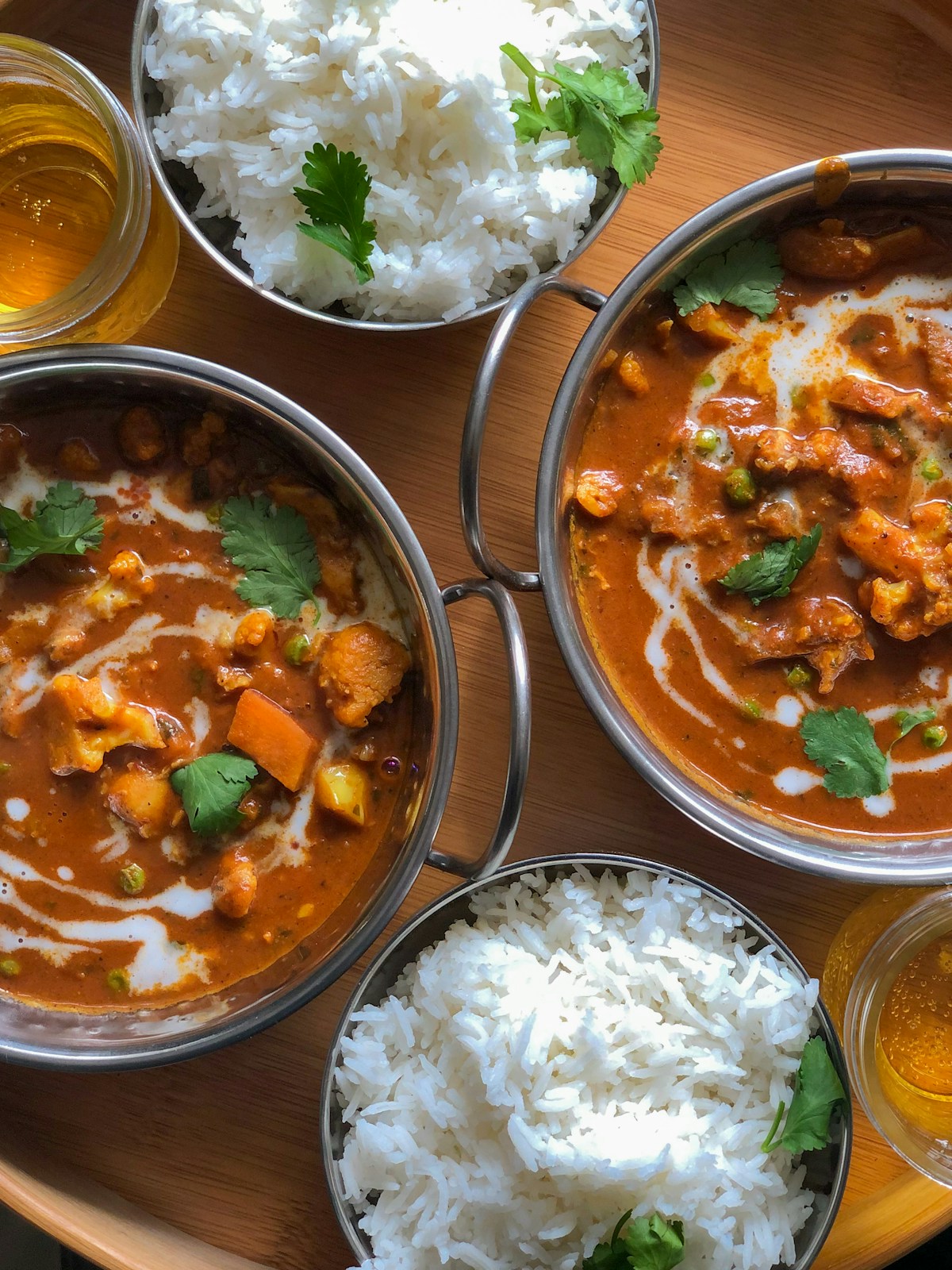
Curry
A universe of spice in a single dish
Hub: Viral Foods With Ancient Roots
Explore the full collection →
Som Tum: Thai Green Papaya Salad as Flavor
Explore the full collection →
Butter Chicken (Murgh Makhani) Origin
Explore the full collection →
Curry Leaf vs Curry Powder
Explore the full collection →
Comments
Community comments are coming soon. Check back later to join the discussion!