Old food, new feed
Ancient Foods Going Viral: The Old Recipes Taking Over Modern Feeds
Food trends rarely appear from nowhere. Many viral ingredients and dishes are old systems with new cameras: fermented pastes, roasted teas, sour citrus, chile condiments, grain bowls, comfort snacks, and heritage flavors repackaged for cafes, feeds, and global menus.
Ancient Ferments With New Screens
Miso, gochujang, kimchi, sourdough, ramen, and tteokbokki show how older fermentation systems become modern comfort aesthetics.
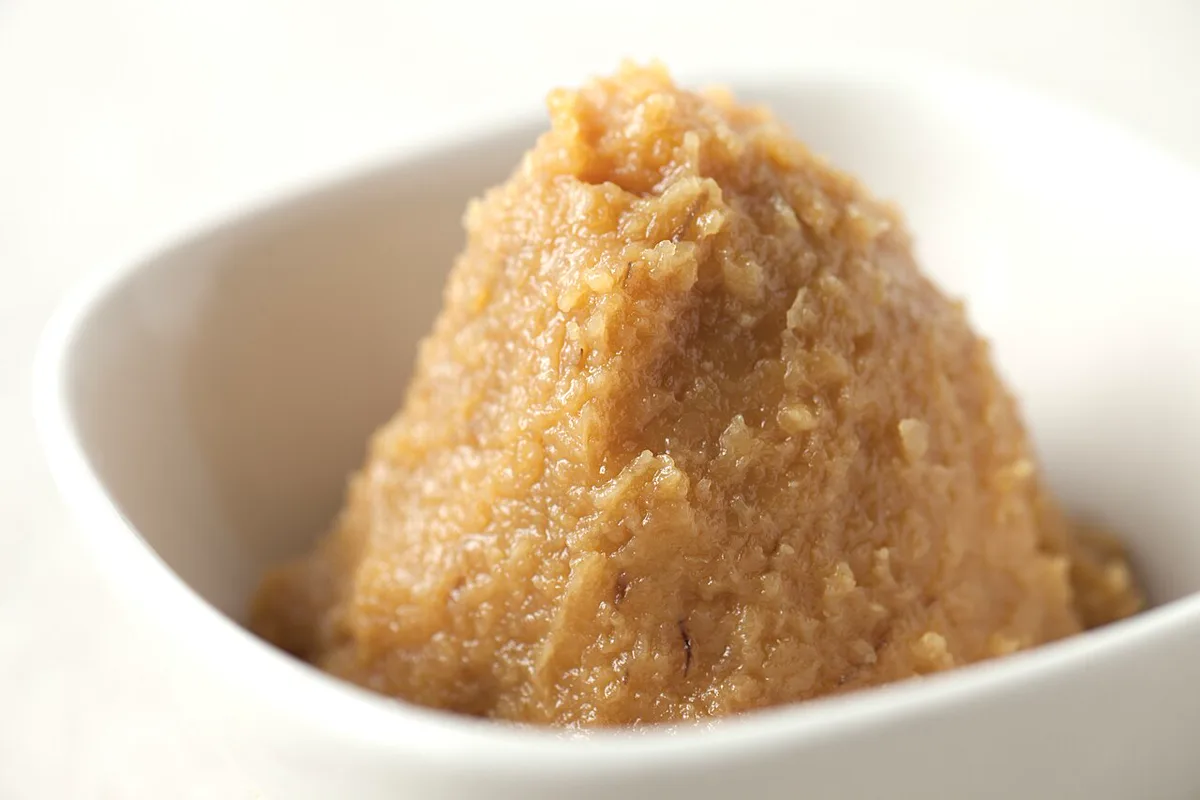 ingredients
Miso
The fermented soybean paste that gave Japan a language of umami
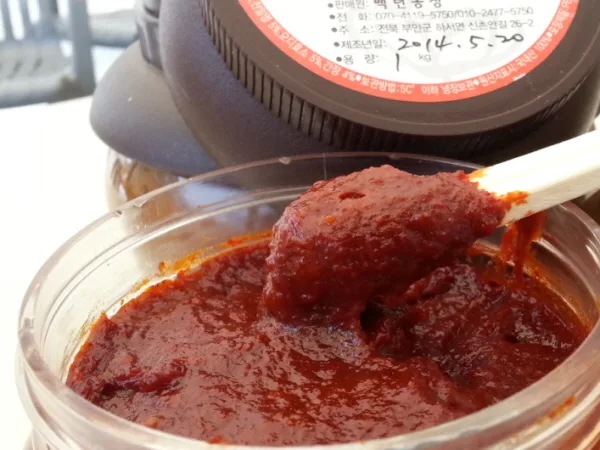 ingredients
Gochujang
Korea's fermented chili paste that fused old jang traditions with New World heat
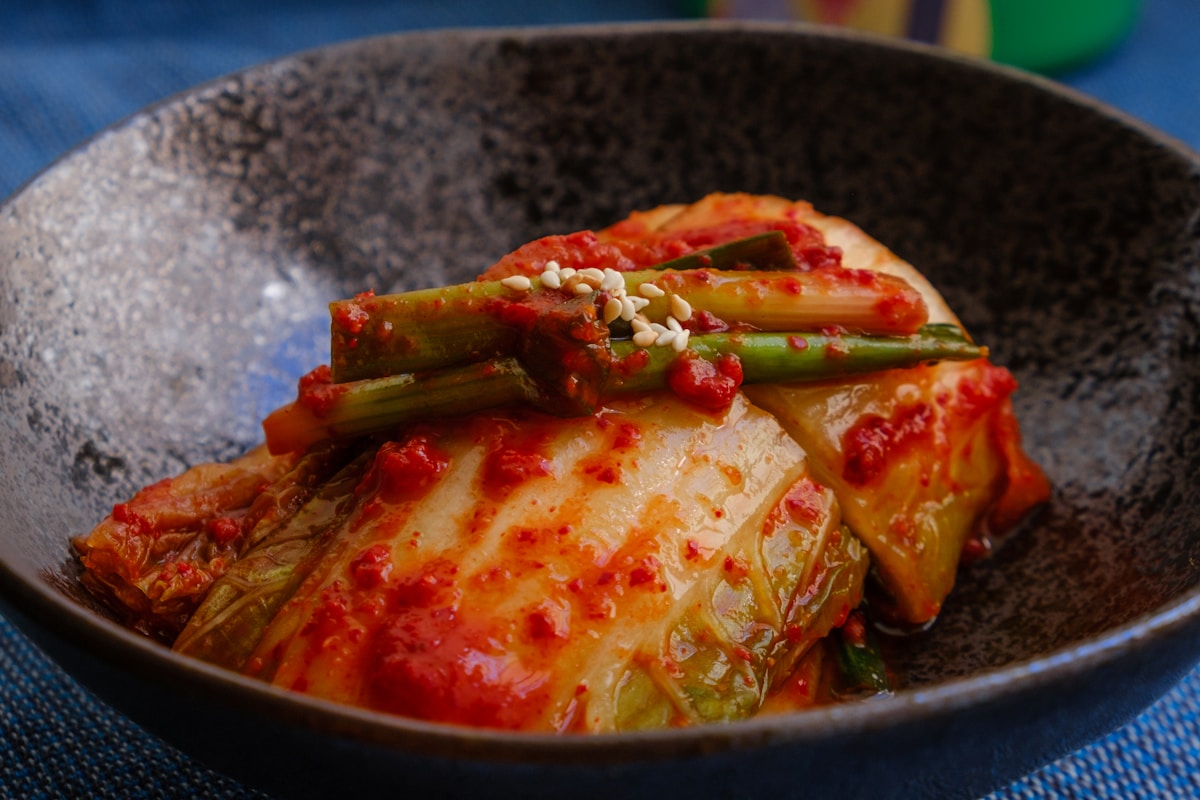 dishes
Kimchi
The fermented Korean staple that turned preservation into identity
 dishes
Sourdough
The living bread culture that turned flour, water, wild yeast, and bacteria into flavor, preservation, and craft
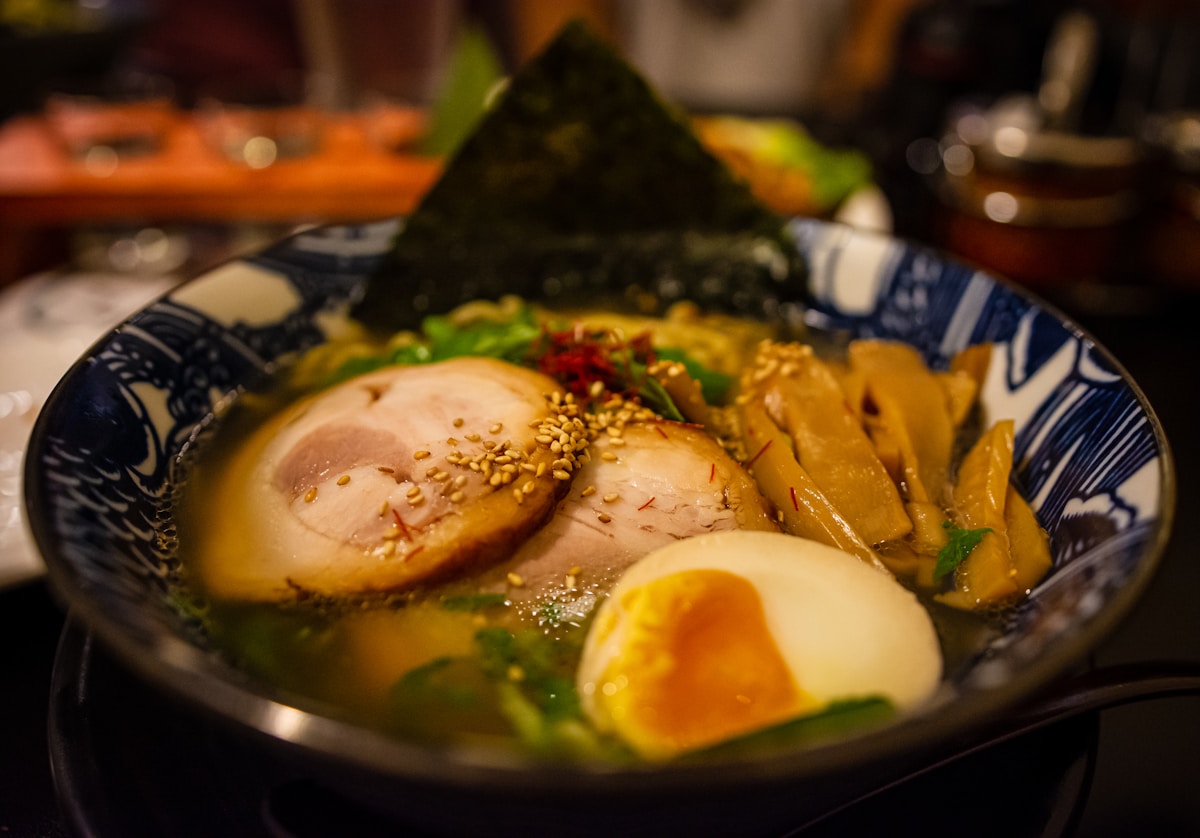 dishes
Ramen
The noodle soup that transformed postwar hunger into global obsession
 dishes
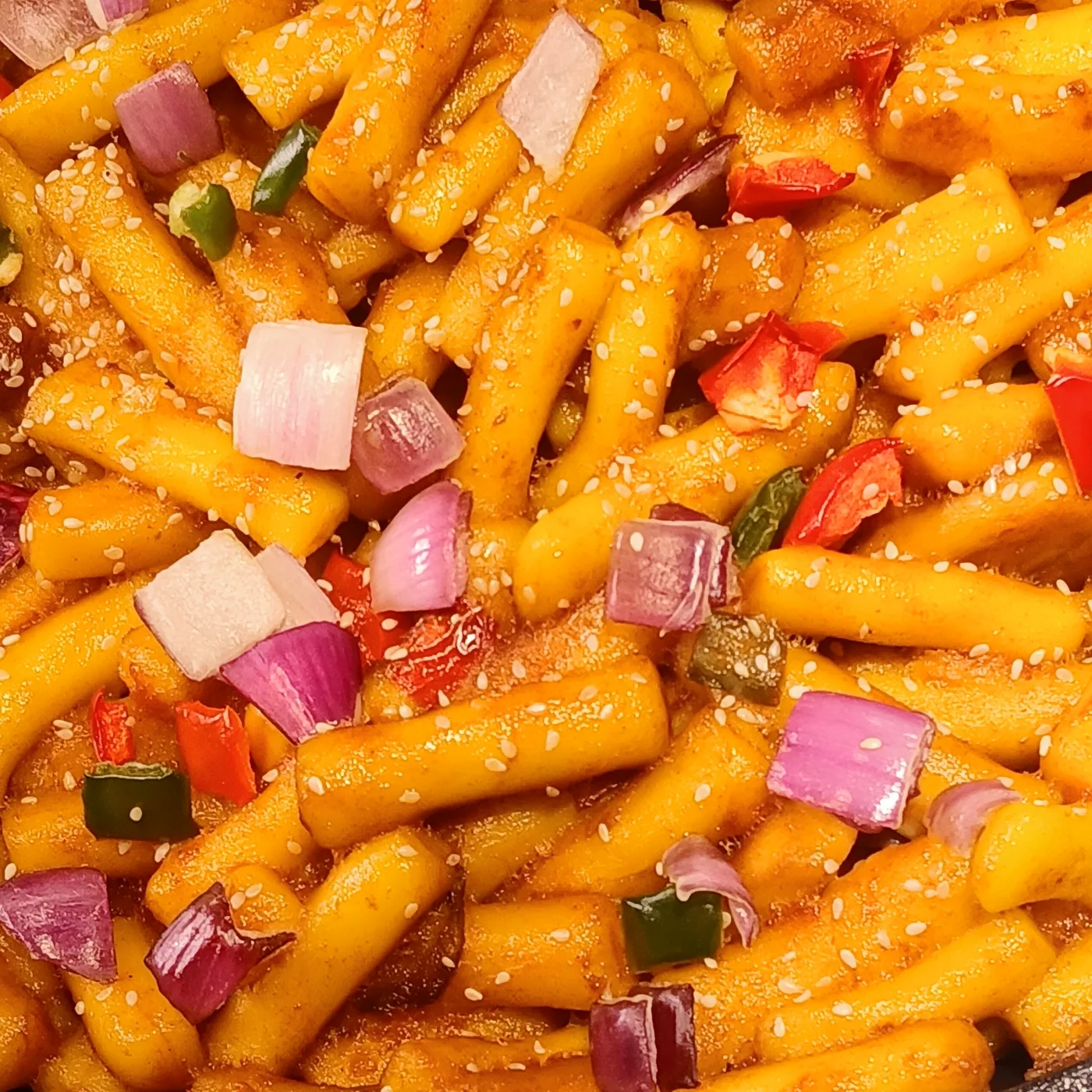
Tteokbokki
The Korean rice-cake street food that turned gochujang into comfort
 ingredients
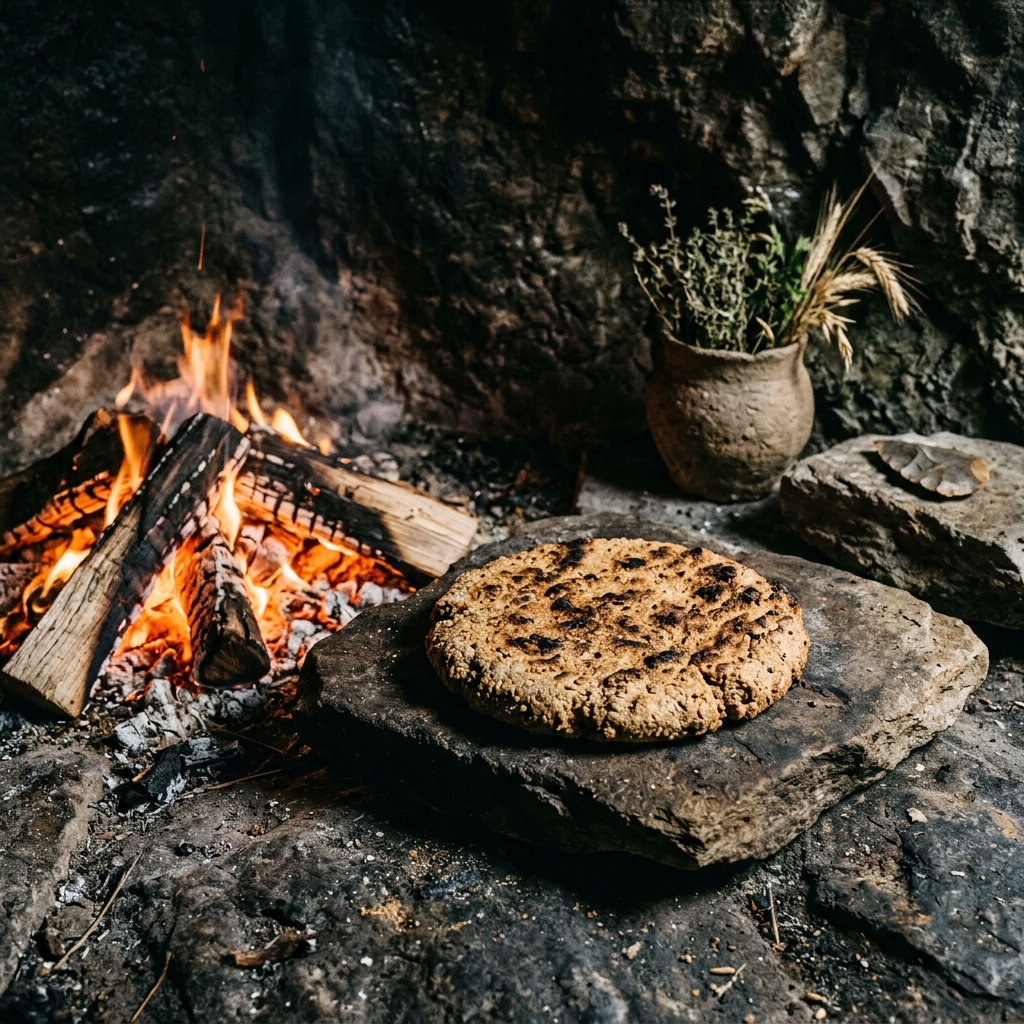
The 5,300-Year-Old Starter
Recreating the Oldest Sourdough on Earth
 ingredients
Doenjang
The Korean fermented soybean paste that carried Buddhist temple food, jang culture, and Korean fermentation into a 2026 global pantry trend
Cafe Flavors With Deep Roots
Matcha, yuzu, coconut milk, strawberry, and avocado became modern cafe language because older crops and regional practices were already powerful.
 drinks
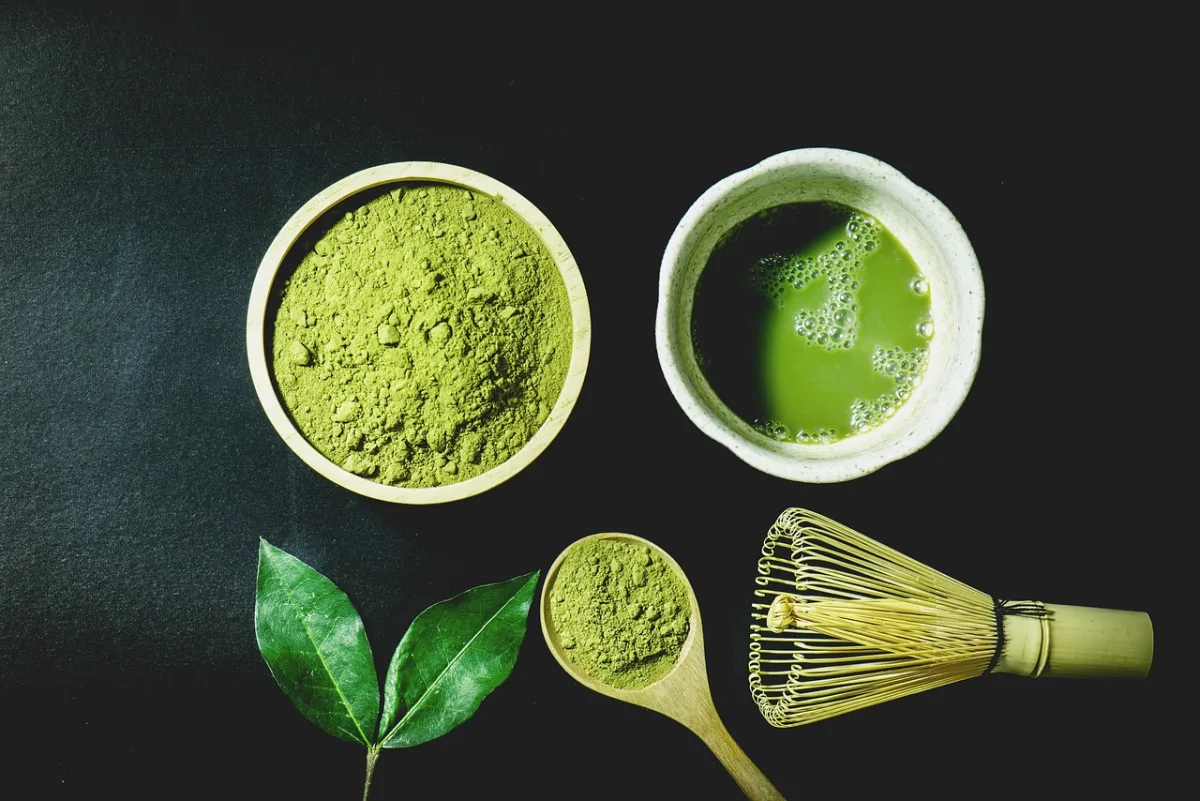
Matcha
The powdered tea that traveled from monasteries to Japanese ritual and global cafe culture
 ingredients
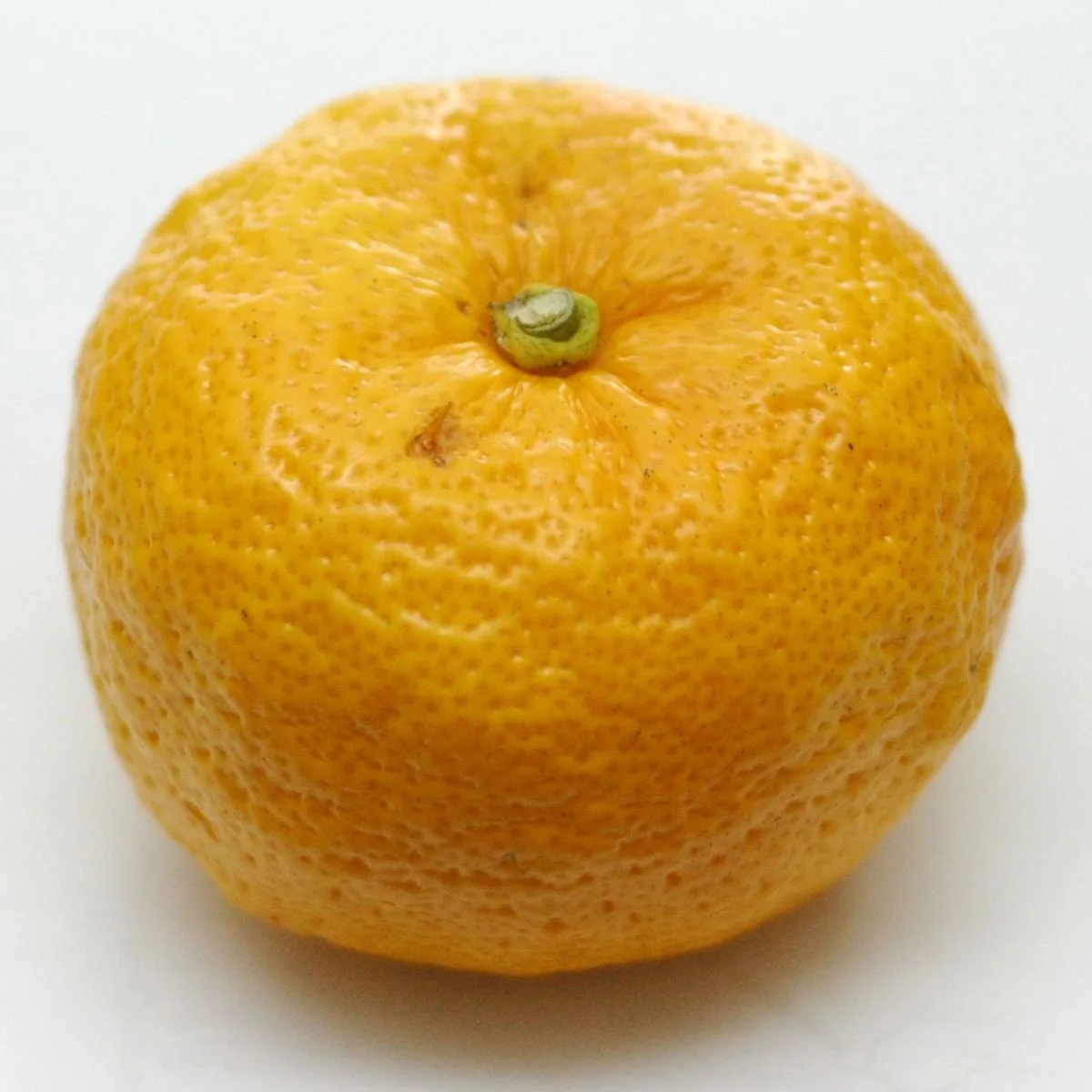
Yuzu
The East Asian citrus that scented tea, baths, sauces, and global kitchens
 ingredients
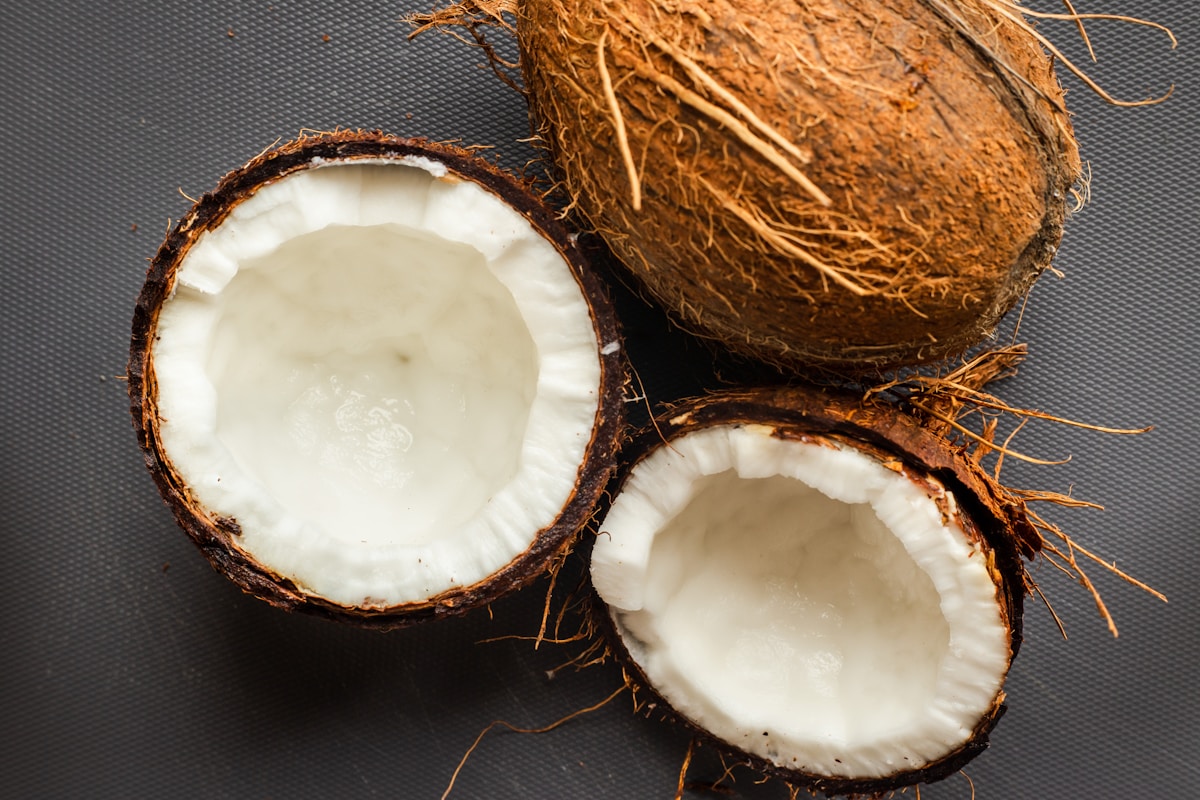
Coconut Milk
The tropical extract that carried island foodways across oceans
 ingredients
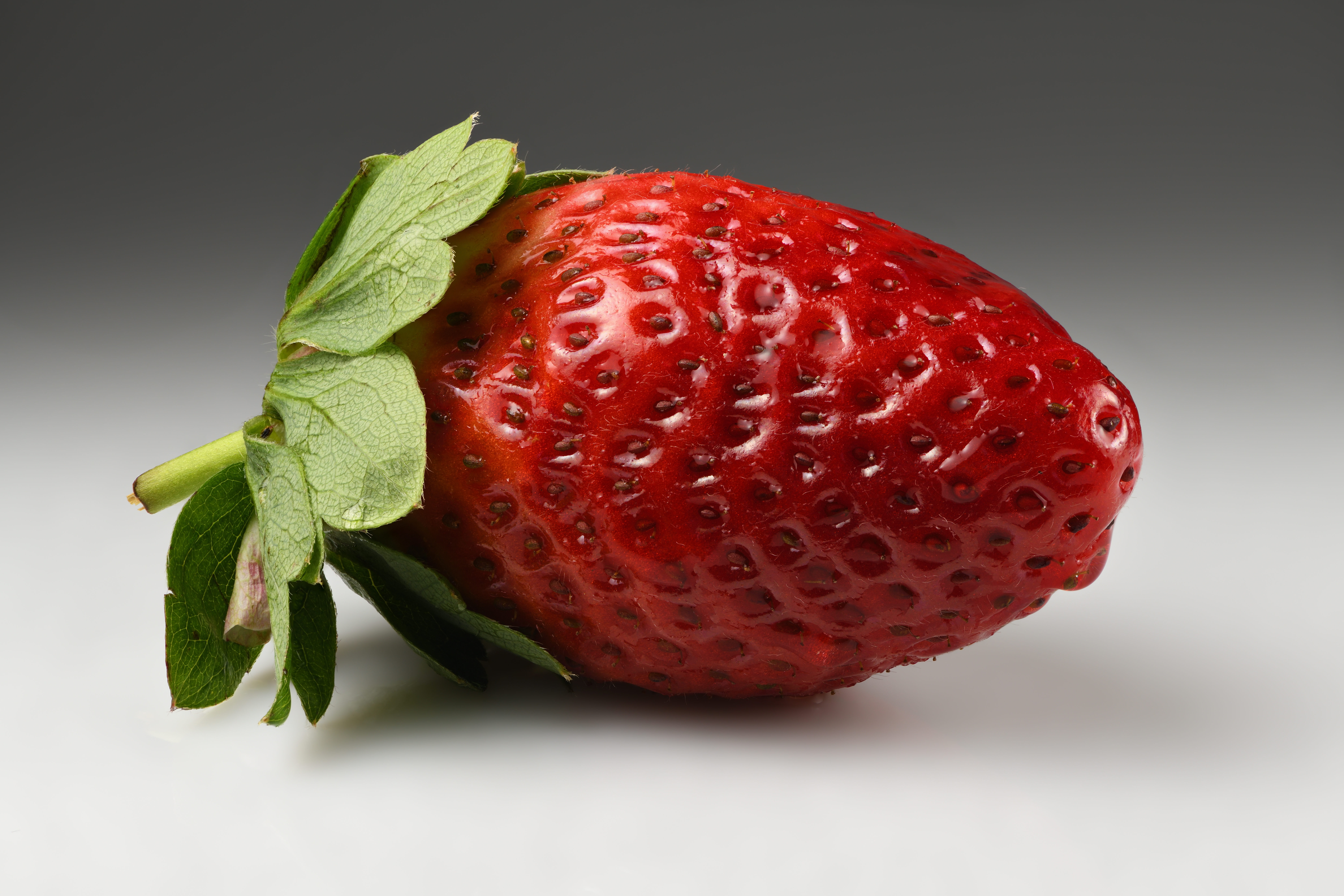
Strawberry
The accidental hybrid that became summer's icon
 ingredients
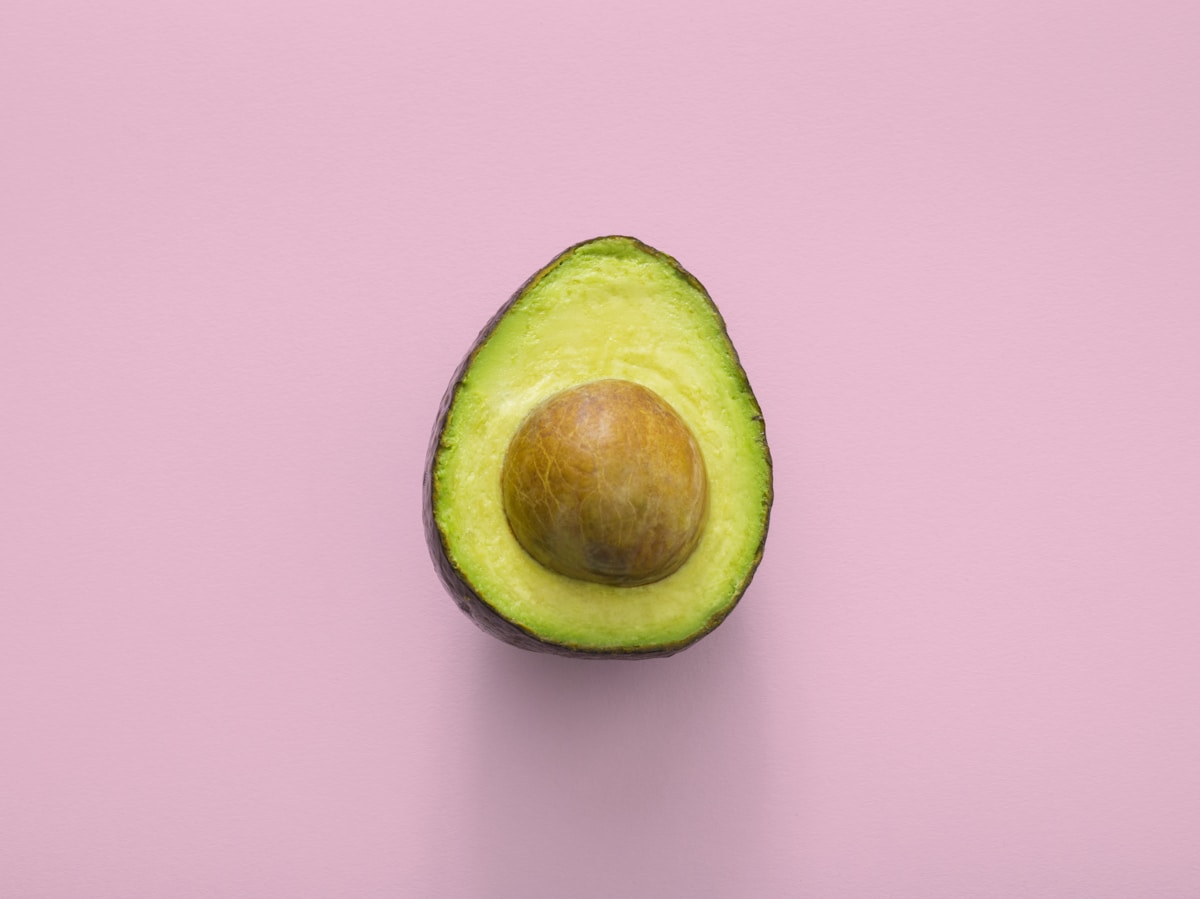
Avocado
From Aztec aphrodisiac to millennial obsession
Texture, Condiments, and Global Flavor Shortcuts
Kataifi, harissa, and modern bowl formats show how crunch, sauces, arrangements, and pantry flavors become visual shorthand for global food culture.
 ingredients
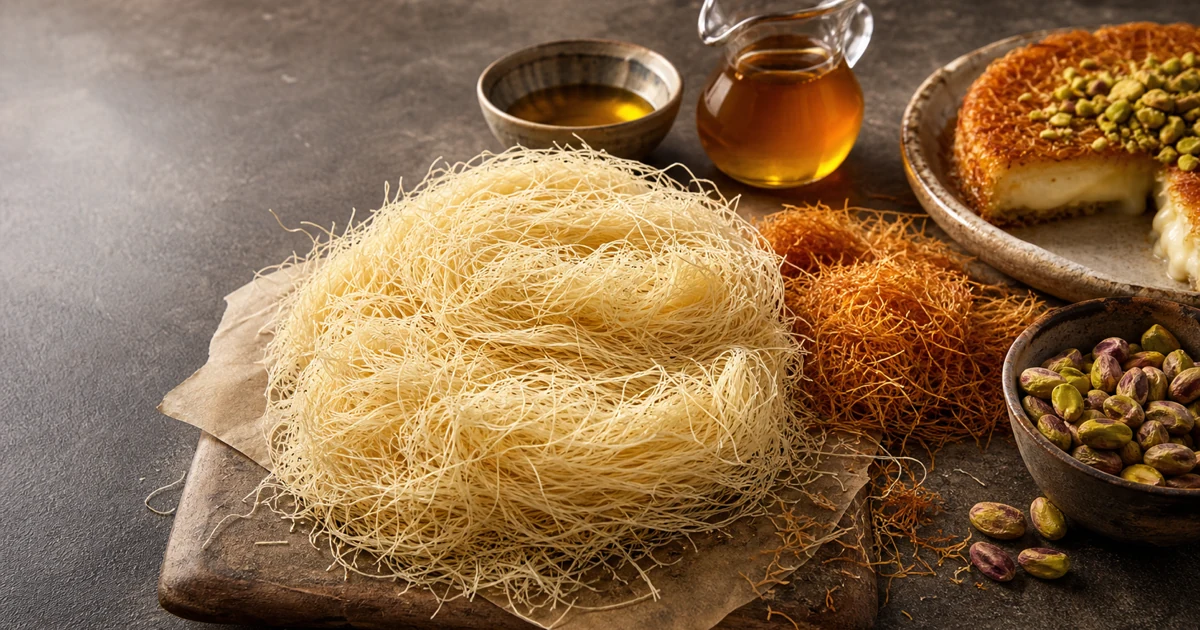
Kataifi
How medieval batter sweets, Ottoman pastry craft, Levantine knafeh, Greek kataifi, and one viral chocolate bar turned fine dough threads into a global ingredient
 ingredients
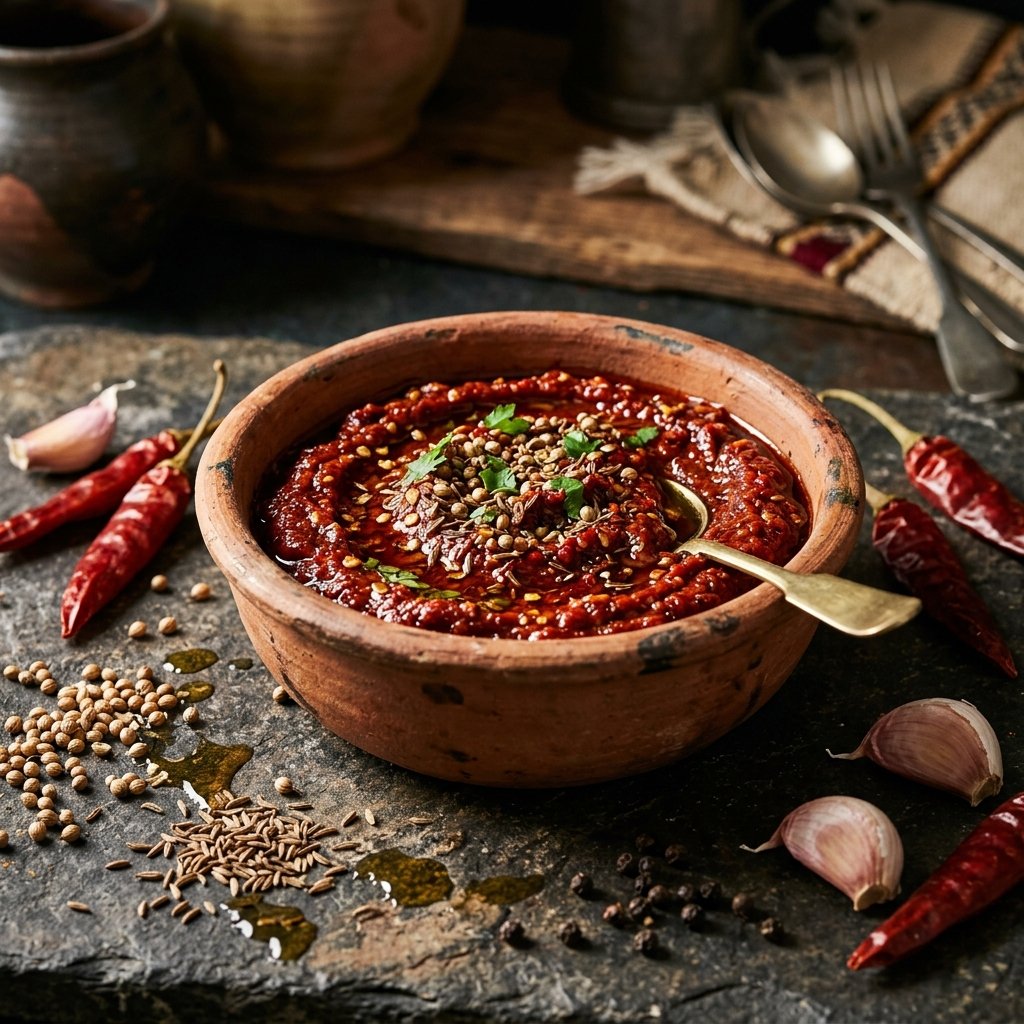
Harissa
The Tunisian chili paste that fused New World peppers with Maghrebi spice, oil, garlic, and migration
 dishes
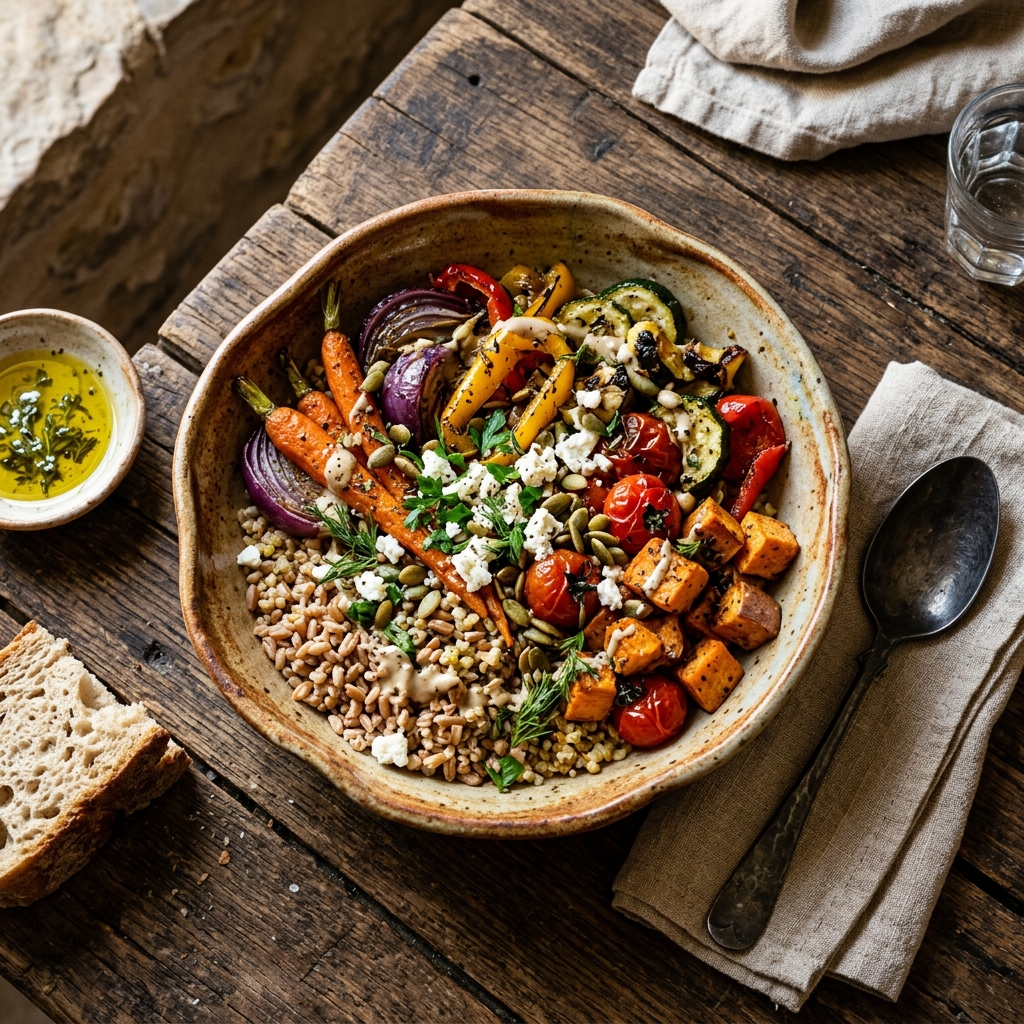
Roasted Vegetable Bowls
The old grain-and-vegetable meal pattern behind a modern bowl format
 ingredients
Hot Honey
The chili-infused honey that fused ancient sweet-heat traditions with Brooklyn beekeeping, pizza drizzle, and a 2026 condiment boom
 ingredients
Sazón
The Latin Caribbean seasoning blend that fused indigenous annatto, Spanish colonial spices, and Goya packets into a 2026 trending pantry staple
 ingredients
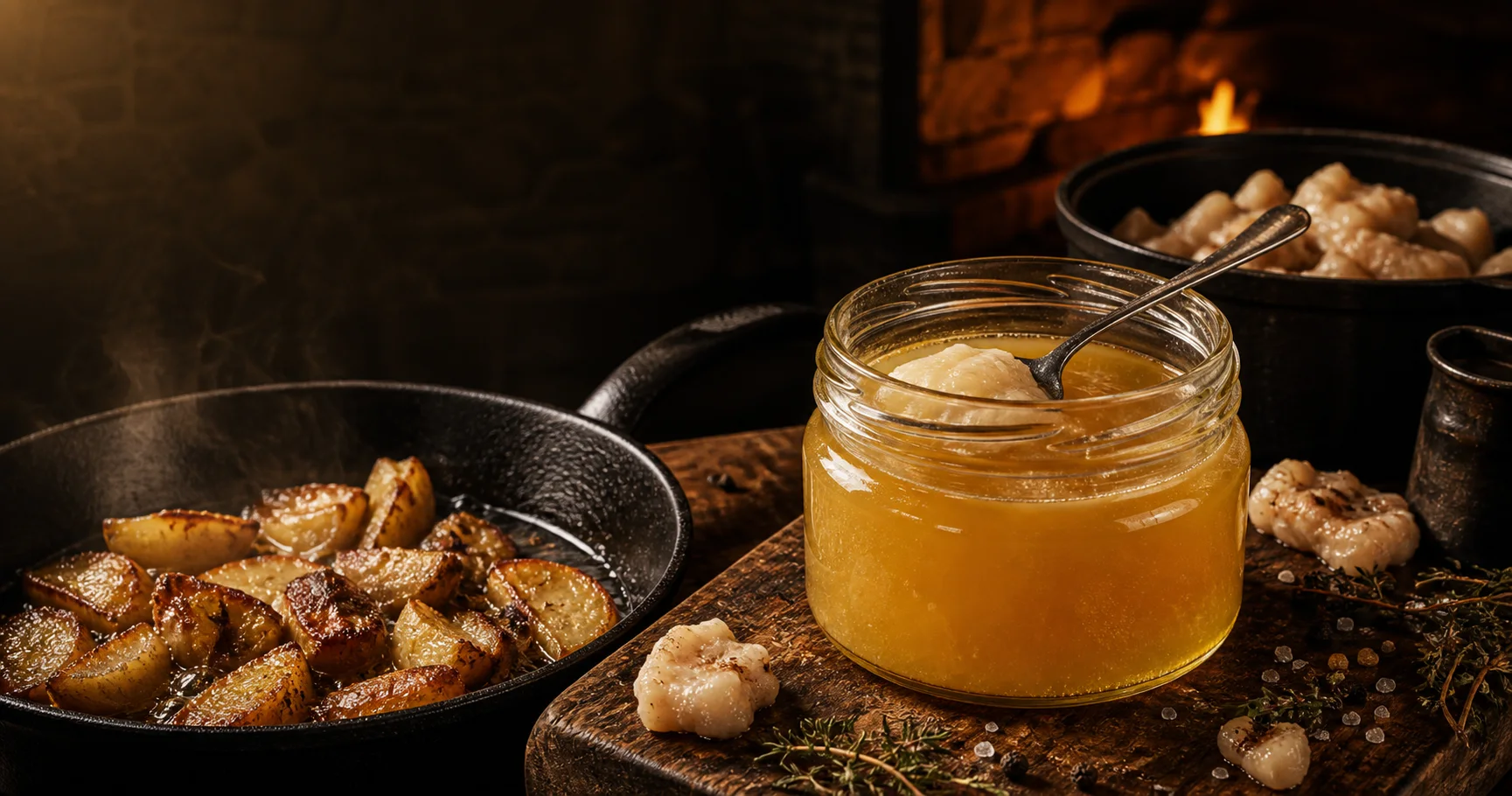
Beef Tallow
The rendered cattle fat that moved from candles, pies, pemmican, and frying vats into seed-oil backlash, nostalgia, and modern fat politics