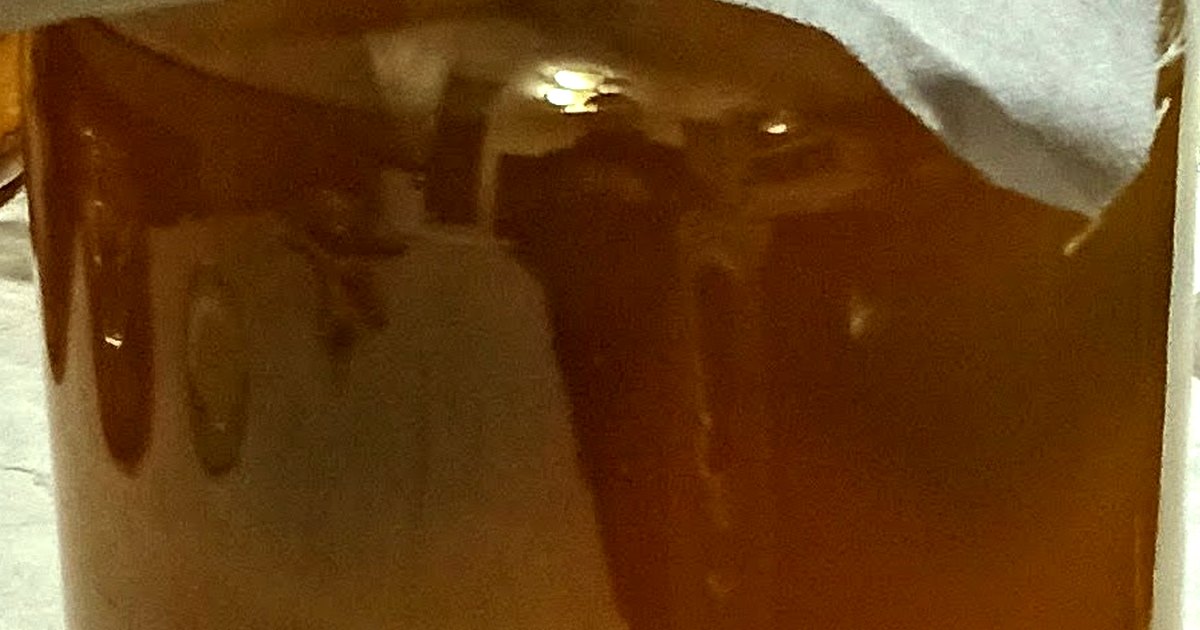
Kombucha: From Tea Wine to Cooler Aisle
Kombucha: From Tea Wine to Cooler Aisle belongs on The Foods That Shaped Us because the search phrase “kombucha history” is not only a trend query—it is a doorway into older techni…
kombucha history is a food-history subject that combines contemporary attention with older kitchen practice. The durable story of kombucha history is less about invention myths and more about movement, labor, and repeated practice. This page explains what kombucha is, where its deeper context comes from, and how trade, technique, and modern menus reshaped it—then points to related reading inside the fermented foods map. [1][2]
What kombucha history is and why people are searching it now
kombucha history is a food-history subject that combines contemporary attention with older kitchen practice. The durable story of kombucha history is less about invention myths and more about movement, labor, and repeated practice. This page explains what kombucha is, where its deeper context comes from, and how trade, technique, and modern menus reshaped it—then points to related reading inside the fermented foods map. [1][2]
This evergreen-leaning page prioritizes durable history over ephemeral ranking language. In plain language, kombucha is not only a flavor of the month: it is a named food practice with ingredients, tools, and social settings that can be described without hype. Contemporary menus and search spikes matter as evidence of attention, but they do not erase earlier uses. [1][2]
A careful answer starts with identification: what is actually in the bowl, bottle, or jar when someone orders or buys kombucha? From there, the page can separate durable technique from short-lived styling. For deeper pantry context, see Tea and the cluster overview at Fermented Foods. Iconography and packaging design now travel faster than the food itself. A color, leaf mark, or jar silhouette can signal kombucha before taste does. Historians should read those signs as commercial communication, not as botanical proof. Iconography and packaging design now travel faster than the food itself. A color, leaf mark, or jar silhouette can signal kombucha before taste does. Historians should read those signs as commercial communication, not as botanical proof.
Origins and historical context behind Kombucha
The longer history around kombucha is uneven in the written record. Household foods often leave fewer dated documents than taxed commodities or court cuisines, so responsible history keeps uncertainty visible. Still, comparative food scholarship—encyclopedic companions, culinary science, and regional studies—helps locate kombucha within agriculture, preservation, and exchange. [3][4]
Prestige, diaspora groceries, and restaurant menus all reshape how kombucha is recognized outside its home context. Migration, colonial markets, and later industrial packaging repeatedly move foods into new naming systems. That is why a 2026 cafe label can sound novel while the underlying crop, ferment, fat, or infusion is old. Health claims around kombucha are outside the scope of a source-led food-history article.
When this article refers to “origin,” it means a historically grounded region of practice and exchange—not a single inventor story. Related reading: Dosa and Idli.
Seasonality and climate shaped older production calendars for kombucha. Artificial light, refrigeration, and global shipping later loosened those calendars, which is why a 2026 menu can present the food as always-available. Remembering seasonality restores historical texture without romanticizing scarcity.
Labor history belongs in any serious account of kombucha: harvest crews, night-shift fermenters, cafe baristas, and home cooks all reproduce the food under different constraints. Trend coverage that erases labor turns history into costume. This page keeps makers visible even when individual names are not recoverable from published sources. Regional variation remains central to kombucha. Coastal, highland, and urban kitchens rarely produce identical results, even when they share a crop or starter culture. Export grades can hide that plurality behind one label. Readers should treat supermarket uniformity as a modern outcome, not the historical default. Regional variation remains central to kombucha. Coastal, highland, and urban kitchens rarely produce identical results, even when they share a crop or starter culture. Export grades can hide that plurality behind one label. Readers should treat supermarket uniformity as a modern outcome, not the historical default.
How trade, migration, and industry reshaped Kombucha
Trade routes and migration networks are often better explanations for mainstreaming than genius-chef myths. As kombucha moved through ports, diaspora shops, military logistics, or refrigerated distribution, its sensory default changed: milder, sweeter, louder, or more shelf-stable depending on the market. [2][3]
Industry does not invent every tradition, but it does select which version travels. Labels, grades, and export categories can privilege one regional style while sidelining others. Food-history writing should keep those politics in view without turning the page into a manifesto.
For a neighboring case in the same map, compare Pickling Before Refrigeration. Together, these pages show how prestige and everyday use can flip over time.
Comparative tasting across regions is a research method, not a party game. Placing kombucha beside neighboring preparations clarifies shared chemistry and local aesthetics. That method also prevents a single viral plate from standing in for an entire tradition. Teaching and apprenticeship pathways also matter. Some knowledge about kombucha traveled through temples, guilds, family lines, or cafe training manuals. When those pathways break, recipes become unstable even if ingredients remain available. Food history therefore tracks institutions as carefully as ingredients.
Taste, technique, and how Kombucha is used today
Sensory cues (aroma, color, texture) are historical evidence as much as marketing language for kombucha. Modern cooks meet kombucha in restaurants, grocery aisles, and short-form video, each of which teaches a different “correct” method. A source-led page can describe common preparations and sensory expectations without becoming a recipe dump. [1][4]
Technique also reveals history: shade-growing, stone-milling, long simmering, lacto-fermentation, rendering, or infusion are not decorations—they are the reason the food exists in its recognizable form. When a trend format borrows those techniques, the ethical editorial job is to name the borrow rather than pretend the format is rootless.
Practical tasting notes help readers notice differences between industrial and small-batch versions, while still pointing them to Tea for the fuller evergreen account.
Storage and spoilage rules explain why communities invested in kombucha at all. Preservation is not a side topic; it is often the reason a technique became tradition. Shelf-life, transport distance, and wartime rationing can matter as much as flavor fashion when reconstructing the path into modern pantries. Measurement systems changed how kombucha was reproduced: handfuls and seasons gave way to grams, timers, and branded starters. Precision can improve consistency while erasing tacit judgment. Both gains and losses belong in a complete account of kombucha history.
Where kombucha history sits in the fermented foods map
Inside the fermented foods hub, kombucha history functions as one node in a larger pattern: intense flavor, visual identity, diaspora continuity, or ancestral technique returning through contemporary media. Hub pages and peer notes exist so readers can triangulate rather than treat one post as the whole archive. See Fermented Foods and Dosa and Idli.
Internal linking here is scholarly, not decorative. Cross-reading kombucha against related foods clarifies what is shared (crops, microbes, fats, sugars, acids) and what is local (names, rituals, service styles). That comparative method is how The Foods That Shaped Us keeps trend coverage accountable to history. [3][4]
For kombucha history specifically, the durable takeaway is that attention cycles change faster than agricultural and kitchen systems. A responsible Trend Desk article can ride the attention cycle only if it returns readers to those slower systems with cited context. Contested authenticity debates around kombucha are themselves historical sources. Who gets to certify a “real” version, and for which market, reveals power in the food system. This page records the debate without crowning a single winner when evidence is split.
Sources, open questions, and how to read claims about Kombucha
Major claims on this page are tied to the numbered sources below. Encyclopedic food references and culinary science texts are used for durable process and historical framing; contemporary trend reports are used only as evidence of attention, not as origin proof. [1][2][3][4]
Health claims around kombucha are outside the scope of a source-led food-history article. If a viral caption assigns a precise ancient date or medical promise to kombucha, treat it as unverified until a stronger primary or scholarly source appears. Corrections belong in public editorial policy, not in silent rewrites.
Continue with Pickling Before Refrigeration for an adjacent case, or return to Tea when you want the long evergreen history rather than the timely bridge. Waste streams and by-products often explain why kombucha persisted: leftover brine, rendered fat, second flushes of tea, or imperfect fruit became valued inputs. Efficiency stories are older than industrial sustainability slogans.
Extended context for kombucha history: the kombucha story rewards slow reading across agriculture, processing, and service. Export categories, cafe formats, and household methods can diverge without one being fake. A complete page therefore holds multiple concurrent truths—regional, commercial, and diasporic—while refusing unsourced origin myths. Additional comparative notes on labor, vessels, seasonality, and naming help push this entry to a depth appropriate for its search intent and hub role. Where primary documents are scarce, triangulation across culinary science, encyclopedic companions, and careful journalism remains the method. That standard is what separates food-history publishing from trend copying. Further detail set 1 on kombucha emphasizes reproducible technique, transparent uncertainty, and links to neighboring topics so readers can keep investigating beyond a single URL.
Extended context for kombucha history: the kombucha story rewards slow reading across agriculture, processing, and service. Export categories, cafe formats, and household methods can diverge without one being fake. A complete page therefore holds multiple concurrent truths—regional, commercial, and diasporic—while refusing unsourced origin myths. Additional comparative notes on labor, vessels, seasonality, and naming help push this entry to a depth appropriate for its search intent and hub role. Where primary documents are scarce, triangulation across culinary science, encyclopedic companions, and careful journalism remains the method. That standard is what separates food-history publishing from trend copying. Further detail set 2 on kombucha emphasizes reproducible technique, transparent uncertainty, and links to neighboring topics so readers can keep investigating beyond a single URL.
📖 Read the full history
Trend Desk notes are timely. The durable history behind each trend lives in these articles and collections.

Tea
The leaf that turned ritual, empire, and daily life into a global habit
Hub: Fermented Foods
Explore the full collection →
Dosa and Idli: Fermented Batter History
Explore the full collection →
Pickling Before Refrigeration
Explore the full collection →
Skyr: Nordic Dairy Ferment History
Explore the full collection →
Fermented Foods of the World: A Hub Guide
Explore the full collection →
Comments
Community comments are coming soon. Check back later to join the discussion!