💡 Key Takeaways
- Maguey supplied food, drink, fiber, fuel, and ritual materials in Mesoamerica long before bottled agave syrup.
- Aguamiel, pulque, mezcal, tequila, and agave nectar are related through the plant but are different products.
- Most supermarket agave nectar is a modern processed sweetener, not one unchanged ancient recipe.
- Agave history is strongest when it centers regional knowledge and labor rather than miracle-sweetener claims.
What Is Agave Nectar?
Agave nectar is a concentrated sweetener generally made by extracting sugars from agave plants and processing them into a pourable syrup. It is not the same product as aguamiel, the fresh sweet sap tapped from certain maguey plants, and it is not another name for pulque, the fermented beverage made from that sap [1][3]. Keeping those terms separate prevents a modern bottle from being projected backward as an unchanged ancient recipe.
The product became familiar internationally through natural-food shops, cocktail bars, and claims that it was a more traditional alternative to refined sugar. Agave plants and maguey foodways are genuinely old. The shelf-stable export syrup, however, belongs to modern food processing and marketing.
Maguey Before the Bottle
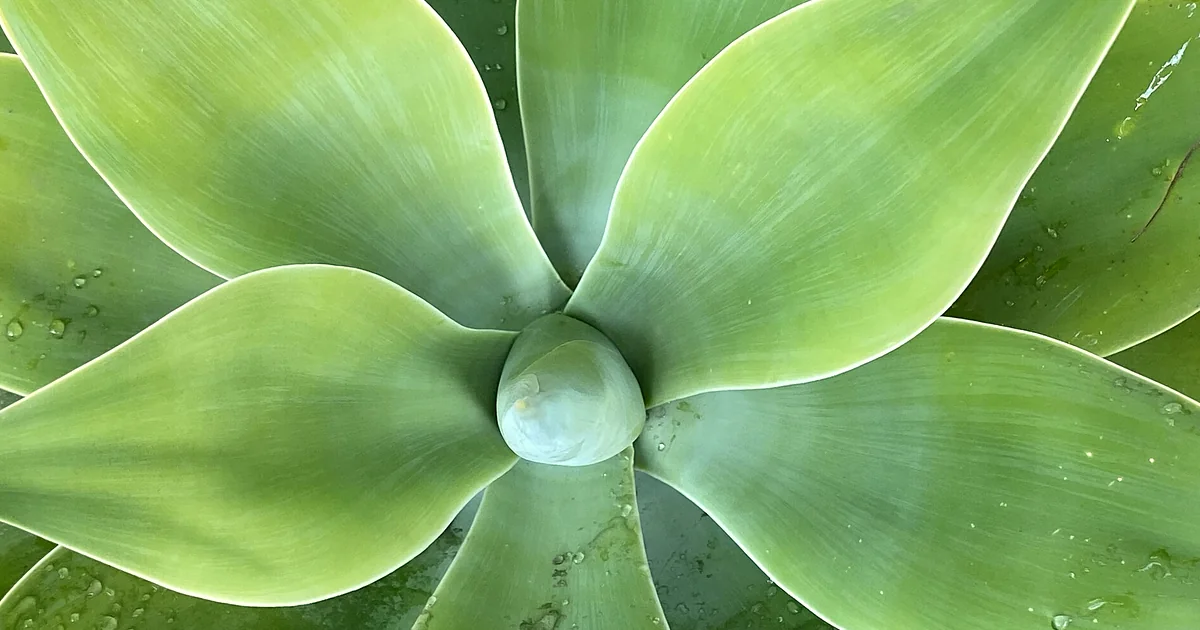
Maguey was never only a sweetener plant. Across Mesoamerica, communities used agave species for fibers, building materials, roasted plant hearts, insects, fuel, sap, and fermented drinks. Pulque was important in central Mexican economies and ritual life before Spanish invasion, although access, meanings, and drinking practices varied by period and community [2][3].
That wider history explains why agave should not be reduced to tequila or a squeeze bottle. Indigenous knowledge made the plant productive in dry landscapes. Colonial government then changed landholding, taxes, labor, distillation, and trade, while local growers and producers continued adapting their skills.
How Modern Agave Syrup Is Made
Commercial agave sweeteners can be made from sap or from carbohydrates in harvested agave tissue. Processing may involve heat, filtration, and enzymatic conversion before concentration. Methods differ among producers, so broad claims that every agave syrup is raw, minimally processed, or chemically identical are unsafe.
This is where food history improves consumer understanding. A traditional crop can become a new industrial ingredient without becoming fake. The accurate story simply separates the old plant relationship from the current product format and asks who grows, processes, brands, and profits from each stage.
Agave Nectar in Today’s Sweetener Market
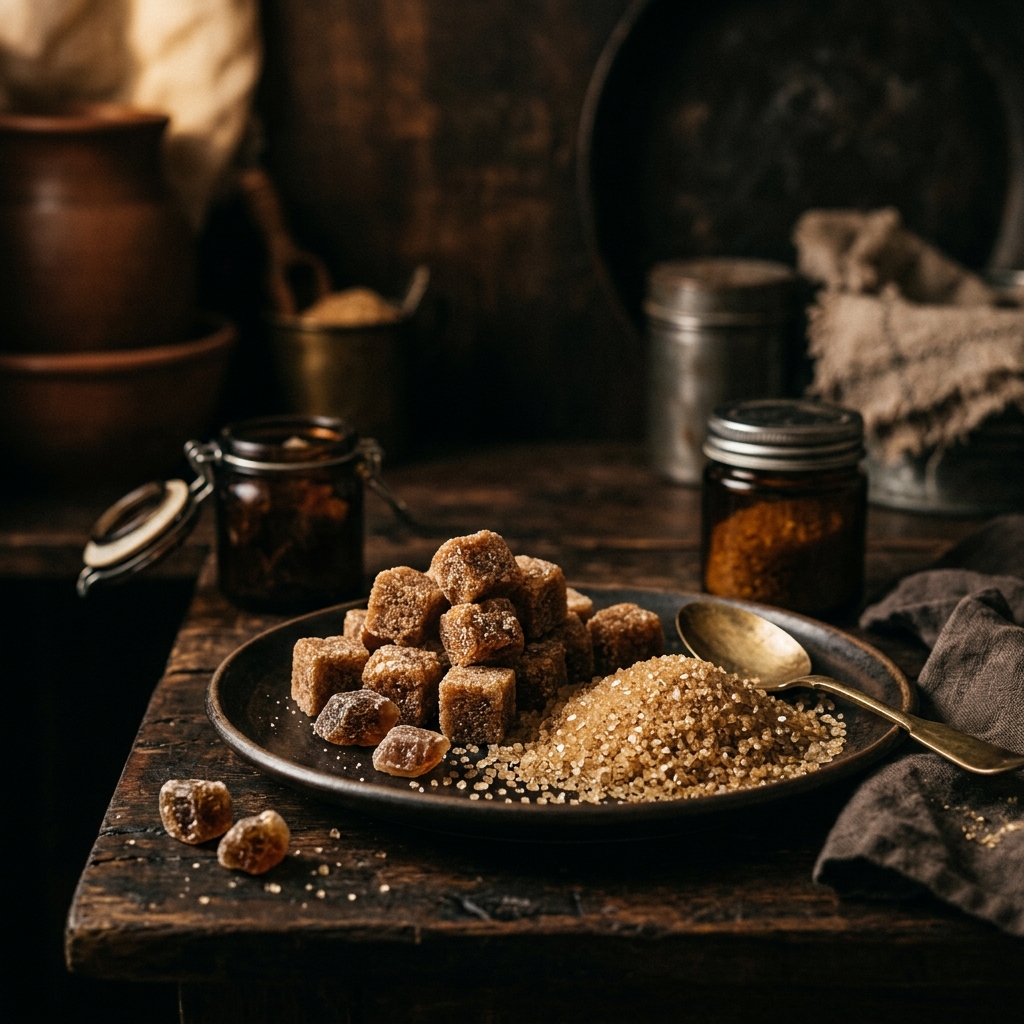
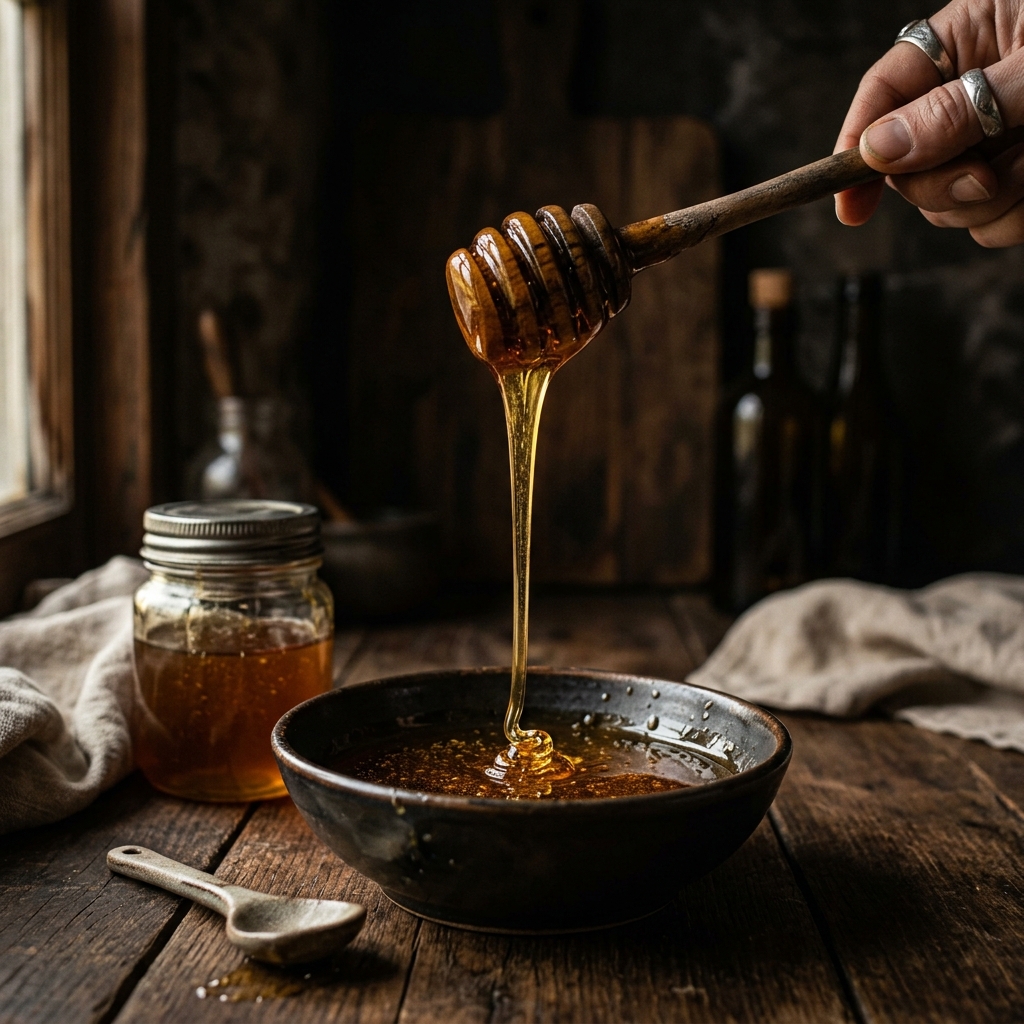
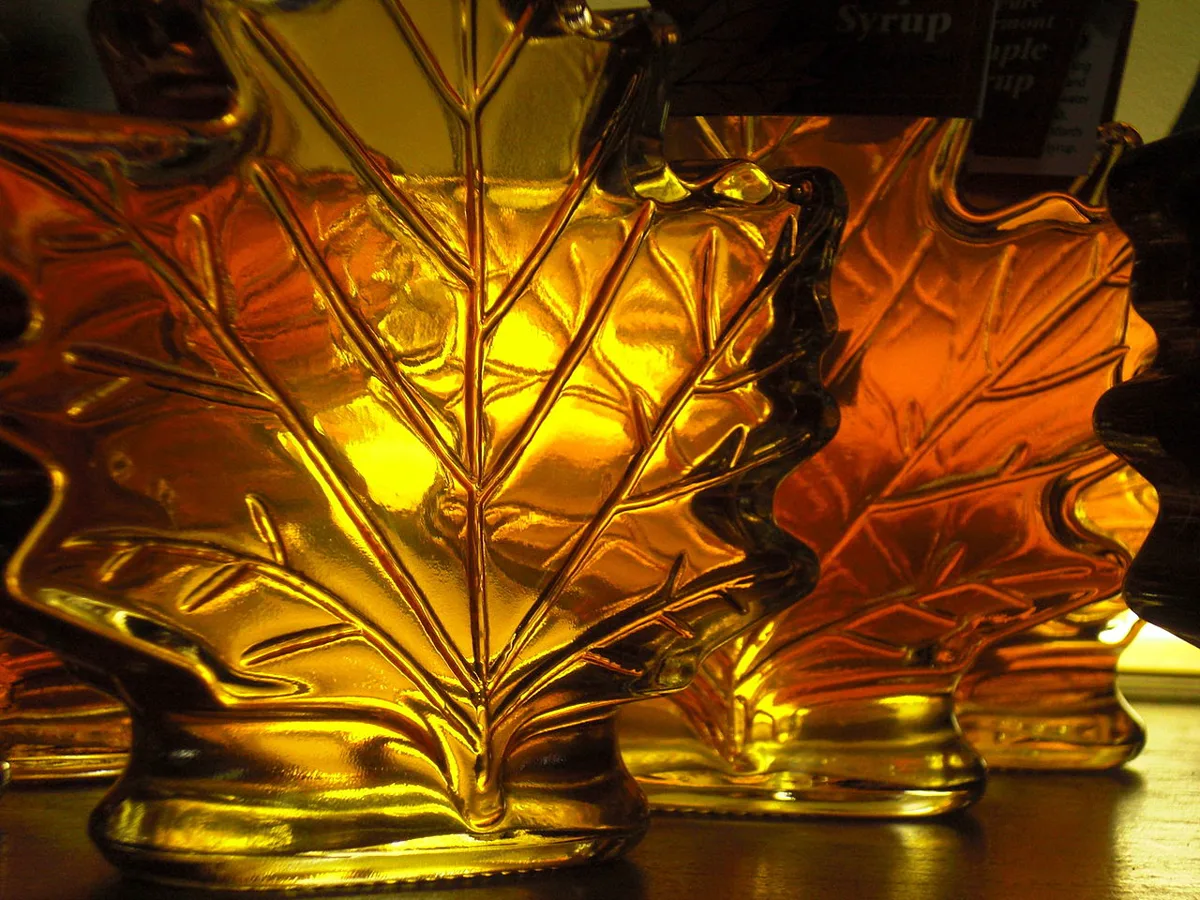
Agave nectar now competes with honey, maple syrup, date syrup, and cane sugar in a market built around named origins and perceived naturalness. Its mild flavor and easy solubility make it convenient in drinks and desserts, but those practical qualities do not turn it into medical advice or erase that it is an added sugar.
The durable story is the journey from maguey landscapes to a global retail category. Readers looking for agave nectar history deserve both halves: the deep Mexican history of the plant and the much newer history of the bottle.
Historical Timeline
Communities use maguey for fiber, food, sap, fermented pulque, fuel, and ritual life
Colonial rule reshapes agave land, taxation, distillation, and market routes
Tequila and mezcal become increasingly regulated and export-oriented industries
Bottled agave nectar becomes a global natural-food and cocktail sweetener
Evidence Explorer
Review the Source Trail
Inspect the article sources, scoped review credits, and copyable citation details without leaving the page.
Sources Listed
Comments
Community comments are coming soon. Check back later to join the discussion!