💡 Key Takeaways
- Arancini are Sicilian fried rice balls, not a single unchanged medieval recipe.
- Islamic-era Sicily helps explain rice and saffron in the island’s food system, while familiar fillings developed later.
- The name means little oranges and refers to the fried shape and color.
- Palermo and Catania preserve different names and forms, so one official shape would flatten the tradition.
What Are Arancini?
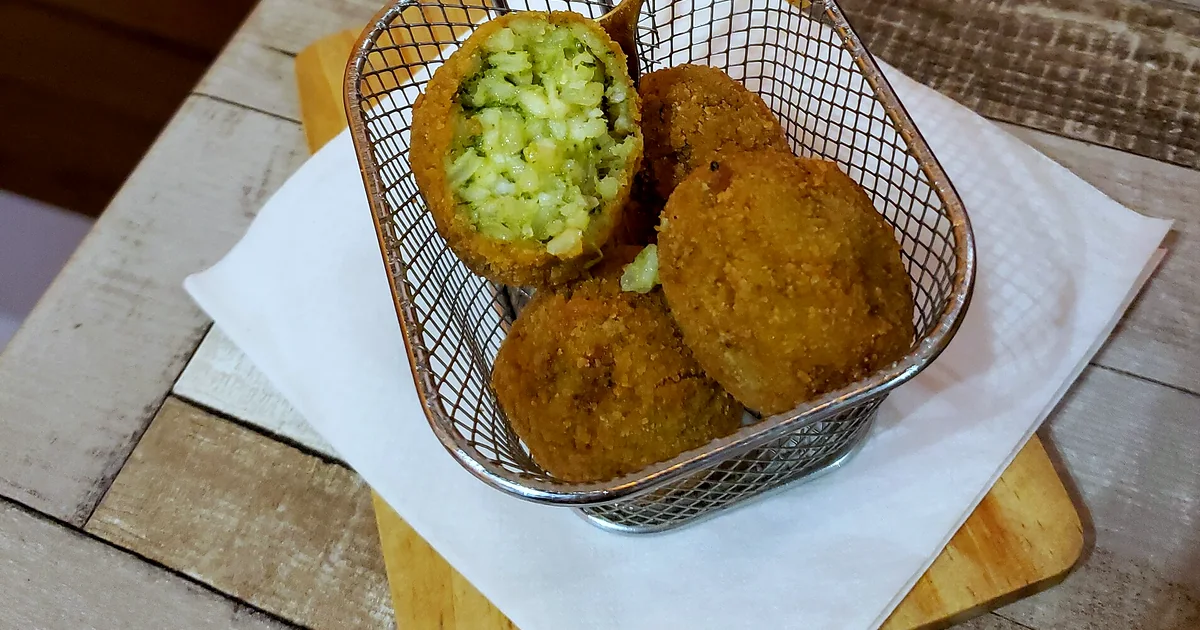
Arancini are Sicilian rice balls that are filled, breaded, and fried. Their name means little oranges, a comparison with their golden color and round form rather than evidence that orange belongs in the recipe [1]. The technique turns cooked rice and a modest filling into a portable meal with a crisp shell and soft center.
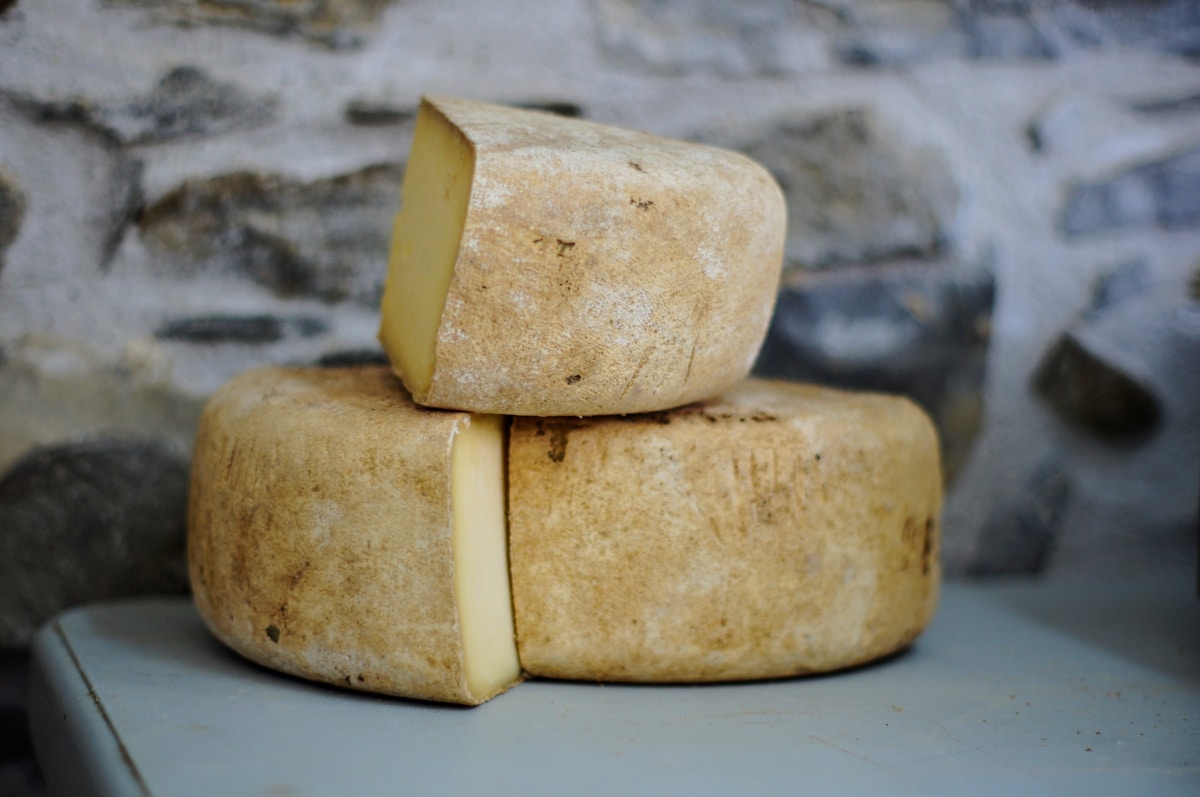
There is no single canonical arancino. Palermo is strongly associated with round arancine, while Catania is known for cone-shaped arancini that are sometimes linked visually to Mount Etna. Ragù and peas are common, but butter, cheese, pistachio, eggplant, seafood, and vegetable fillings all belong to the living tradition.
Did Arab Sicily Invent Arancini?
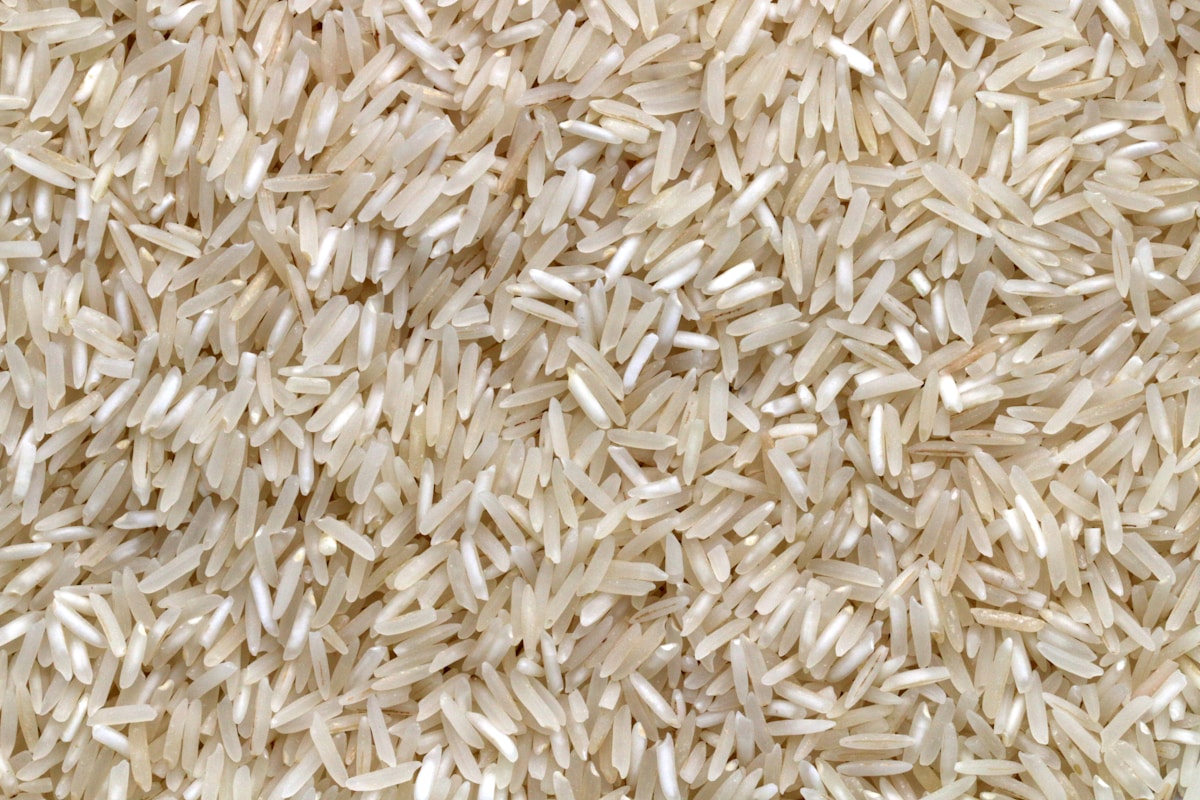
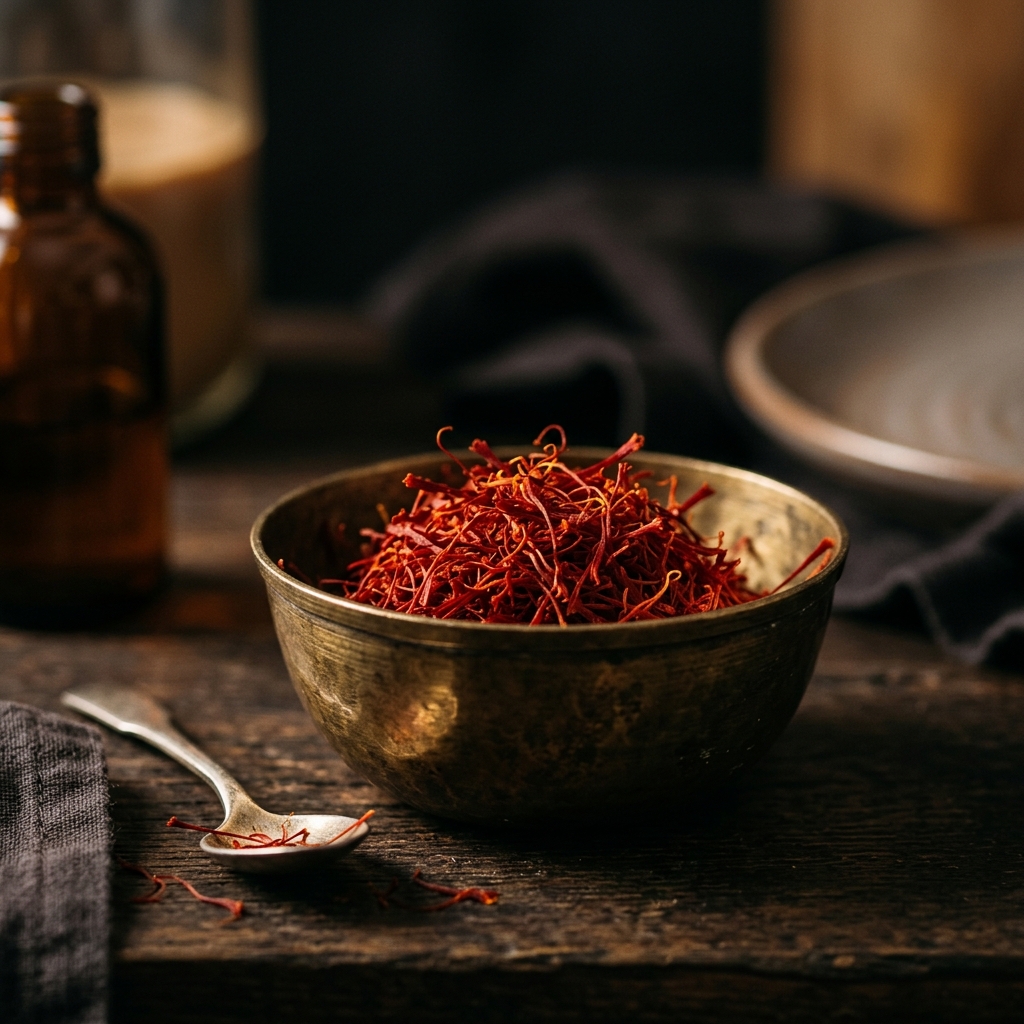
Islamic rule connected Sicily more closely to Mediterranean systems of rice, citrus, sugar, irrigation, and saffron [3][4]. That history helps explain the ingredients around arancini, but it does not prove that the breaded, tomato-filled snack existed in the ninth century exactly as it does now.
The more defensible history is cumulative. Rice and saffron entered island cooking; later kitchens developed meat sauces, tomato-based fillings, breading, and urban frying. No single ruler or cook needed to invent the whole object at once.
Why the Name Changes Across Sicily
The arancino-arancina debate reflects Sicilian language and city identity. Western speakers often use the feminine form arancina, matching the Italian word for orange, while eastern usage commonly favors arancino. Both are embedded in regional practice.
Search pages often turn that difference into a contest with one correct answer. Food history offers a better reading: the variation maps local belonging. The name, shape, and filling tell diners where a maker stands within Sicily’s internal geography.
From Sicilian Street Food to Global Freezer
Arancini solve a durable street-food problem. Rice supplies bulk, a small filling adds richness, and frying produces a hand-held exterior. Italian migration carried the food into bakeries, delis, and restaurants abroad, while contemporary freezer retail made the format easy to sell at scale.
That global success should not make arancini a generic Italian rice ball. It remains a Sicilian food shaped by the island’s Mediterranean connections, local rivalries, and ability to turn ordinary rice, cheese, saffron, and sauce into something worth carrying.
Historical Timeline
Islamic Sicily connects the island to wider Mediterranean rice, citrus, sugar, and saffron systems
Rice dishes and portable fried foods develop through changing Sicilian kitchens
Ragù, tomato, cheese, and urban snack commerce shape forms familiar today
Migration, restaurants, and freezer retail carry arancini beyond Sicily
Evidence Explorer
Review the Source Trail
Inspect the article sources, scoped review credits, and copyable citation details without leaving the page.
Sources Listed
Comments
Community comments are coming soon. Check back later to join the discussion!