💡 Key Takeaways
- An Aperol Spritz is the classic 3-2-1 aperitivo — three parts prosecco, two parts Aperol, one part soda water, served over ice with an orange slice in a wine glass.
- Aperol itself was created in Padua in 1919 by the Barbieri brothers; its bright orange color and bitter-sweet rhubarb-orange profile descend from the Italian bitter-aperitivo tradition.
- The 2026 global spritz wave — Aperol, Hugo, limoncello, and Select spritzes — sits inside an older Veneto tradition of lengthening wine with soda, refreshed by mid-20th-century bitter aperitivos.
What Is an Aperol Spritz?
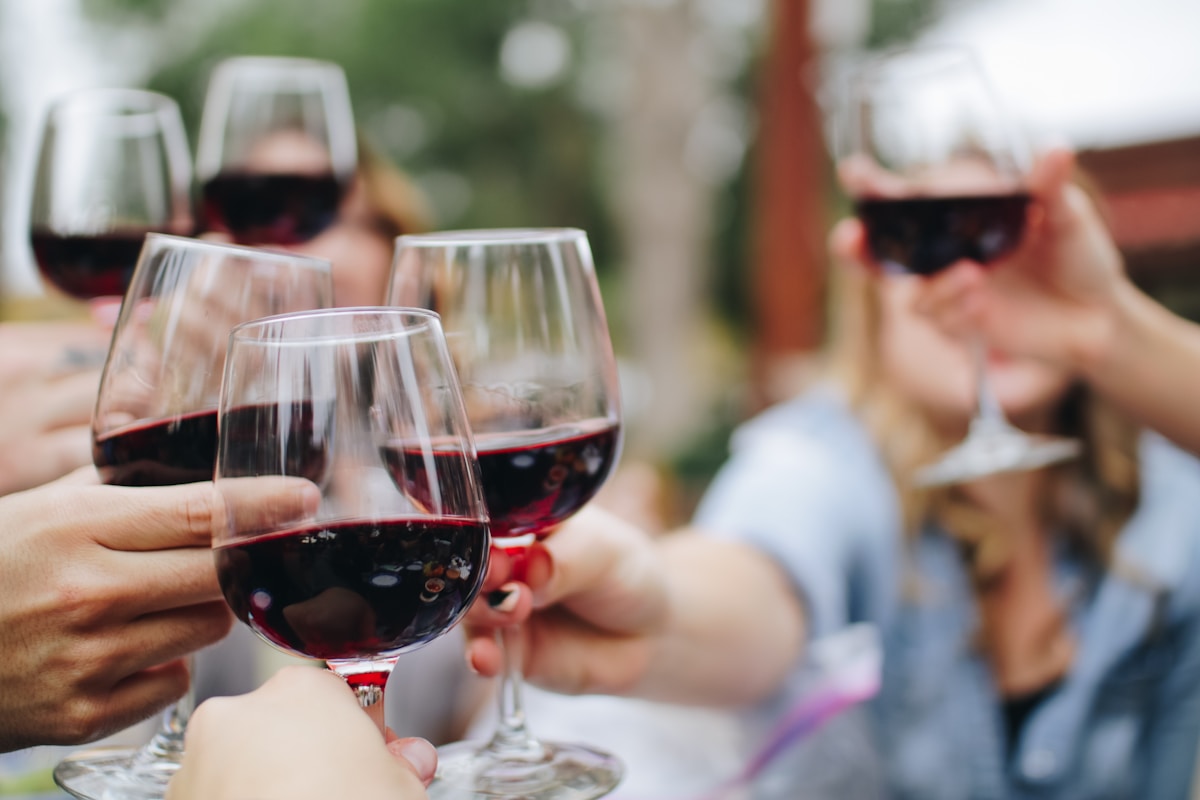
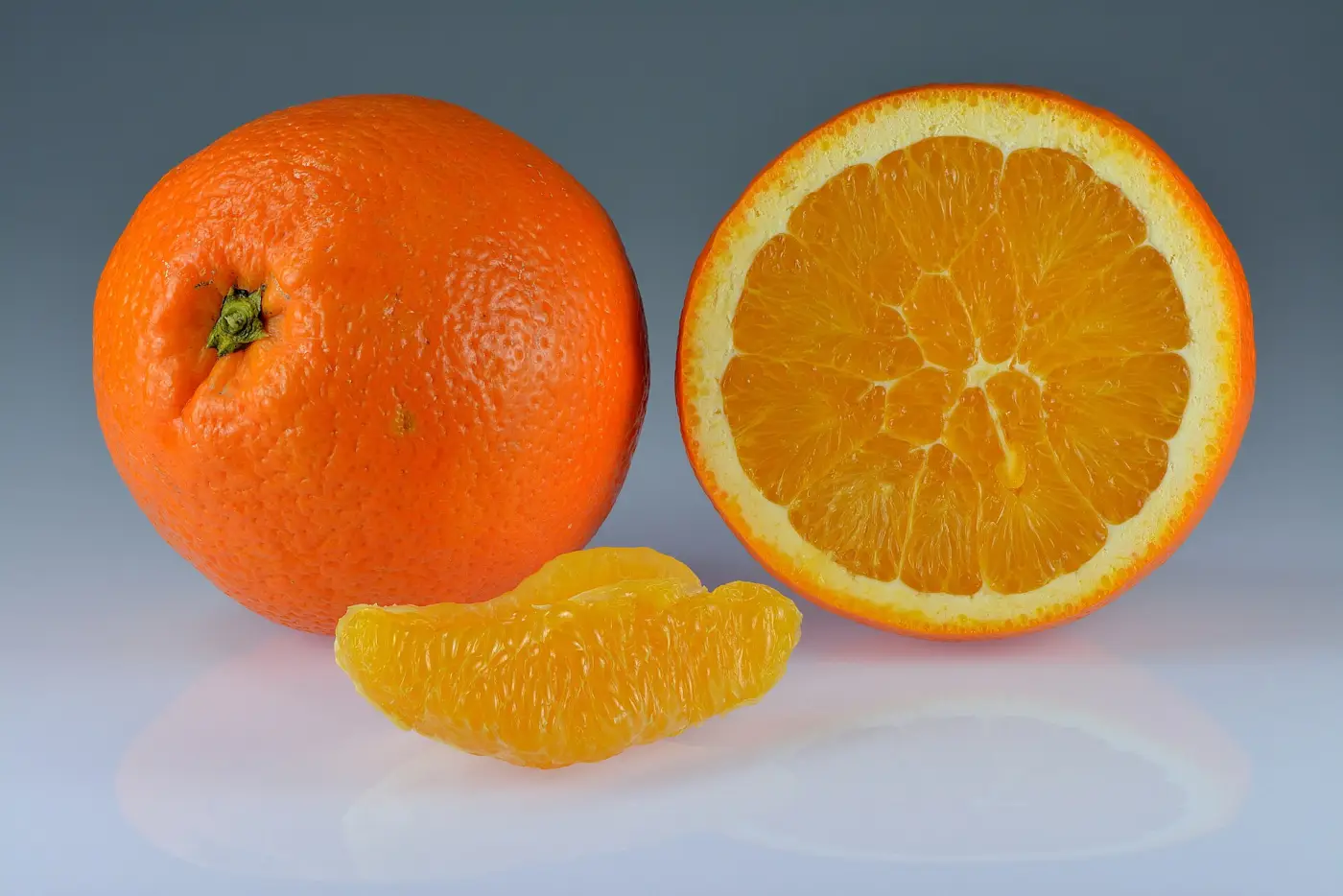
An Aperol Spritz is the classic Italian aperitivo cocktail: three parts prosecco, two parts Aperol, one part soda water, built over ice in a wine glass and garnished with an orange slice [1][3]. The result is bright orange, lightly bitter-sweet, low in alcohol (around 11% ABV), and unmistakable in a row of cocktails. It is the drink most people picture when they picture an Italian aperitivo.
The Aperol Spritz sits at the center of a spritz family — Hugo (elderflower), limoncello spritz, Select spritz, Campari spritz — that all share the same wine-glass-and-prosecco-and-soda architecture with different bitter or floral accents.
The Austro-Hungarian Spritz Root
The deeper root of all spritzes is the Austro-Hungarian occupation of the Veneto in the 19th century [4][6]. Austrian soldiers, used to lighter Austrian beers and wines than the strong local Veneto wines, splashed sparkling water into their wine to lengthen it — a habit that took the German name *spritzen* ("to spray"). That simple wine-and-soda combination is the original "spritz," and it is the base on which Aperol, Hugo, and every other modern spritz is built.
So the spritz family is older than Aperol. The 19th-century wine-and-soda habit became, in the 20th century, a vehicle for bitter aperitivos (Aperol, Campari, Select) and, in the 21st century, a vehicle for floral accents (elderflower in the Hugo). The architecture is constant; the accent changes.
Aperol in Padua, 1919
Aperol itself was launched in Padua in 1919 by the Barbieri brothers [1][5]. Its bitter-sweet profile (rhubarb, orange, gentian, herbs) and bright orange color descend from a long Italian bitter-aperitivo tradition that also produced Campari (Padua, 1860) and Select (Venice, 1920). What set Aperol apart was its lower ABV (around 11%) and its slightly sweeter, more approachable profile than Campari — which is part of why it became the global spritz default rather than its bitterer cousin.
The mid-20th-century Aperol Spritz — Aperol + prosecco + soda — formalized in Veneto bars. The 3-2-1 ratio is the version that Aperol's parent company (Gruppo Campari, which acquired Aperol in 2003) marketed globally in the 2000s and 2010s, turning a Venetian aperitivo into a default summer-cocktail image recognizable worldwide.
Aperol Spritz and the 2026 Spritz Wave
By 2026, the spritz category has broadened well beyond Aperol [4][6]. Hugo (the 2005 South Tyrolean elderflower spritz) and limoncello spritz are serious rivals, and Google Summergeist data recorded both Hugo "how to make" searches and ongoing Aperol searches as 2026 summer breakouts. But Aperol remains the reference point — the orange-glass-in-the-canals aesthetic that defines what a "spritz" looks like for most drinkers.
For The Foods That Shaped Us, the Aperol Spritz links wine, orange, lemon, negroni, and lime — a cluster of Veneto and Italian-cocktail ingredients that together anchor the 2026 spritz wave. The honest history is a 19th-century Austro-Hungarian wine-and-soda habit, a 1919 Padua bitter, a mid-century Veneto cocktail, and a 2026 global summer default — the same orange-glass architecture, refreshed every summer with a new rival.
Historical Timeline
Austrian soldiers in Veneto lengthen local wine with sparkling water ("spritzen" = to spray); the original spritz is born.
The Barbieri brothers launch Aperol in Padua — a bright orange bitter-sweet aperitivo at 11% ABV, lower than Campari.
Aperol is mixed with prosecco and soda in the Veneto, formalizing the Aperol Spritz in the modern 3-2-1 ratio.
Aperol's parent company markets the Aperol Spritz globally; the orange-glass-in-the-canals aesthetic becomes a default summer-cocktail image.
The spritz wave broadens: Hugo (elderflower), limoncello, and Select spritzes challenge Aperol's default, but Aperol remains the reference point.
Evidence Explorer
Review the Source Trail
Inspect the article sources, scoped review credits, and copyable citation details without leaving the page.
Sources Listed
Comments
Community comments are coming soon. Check back later to join the discussion!