💡 Key Takeaways
- A Negroni is an equal-parts cocktail — one part gin, one part Campari, one part sweet vermouth — stirred, served over ice (often in an Old Fashioned glass), and garnished with an orange peel.
- It is widely credited to Count Camillo Negroni in Florence in 1919, who asked a bartender to strengthen his Americano by swapping gin for soda water.
- The 2026 cocktail wave centers on Negroni spinoffs — especially the Negroni Sbagliato ("broken Negroni," with prosecco instead of gin) and low-ABV Negroni variations.
What Is a Negroni?
A Negroni is the iconic equal-parts Italian cocktail: one part gin, one part Campari, one part sweet vermouth, stirred with ice and garnished with an orange peel [1][5]. The result is a vivid red-orange drink that is bitter, sweet, herbal, and dry all at once — one of the most polarizing and most loved classic cocktails in the world. It is served straight up or over a single large ice cube, never shaken.
The genius of the Negroni is its symmetry. Equal parts make it easy to remember, easy to scale, and easy to riff on, which is why the Negroni has produced more documented variations (Boulevardier, White Negroni, Negroni Sbagliato) than almost any other classic cocktail.
Florence 1919 and Count Negroni
The Negroni is widely credited to Count Camillo Negroni in Florence in 1919 [1][6]. At Caffè Casoni (now Caffè Giacosa), the Count asked the bartender Fosco Scarselli to strengthen his Americano — the Campari + sweet vermouth + soda aperitivo — by replacing the soda water with gin. The result was the Negroni, and it kept the Americano's Campari-vermouth structure while adding the botanical backbone of gin.
That single substitution (gin for soda) is the entire invention. The Negroni is a strengthened Americano, and the Americano (Campari + vermouth + soda, late 19th century) is itself the foundation on which the whole Italian aperitivo cocktail tradition stands [4][5]. So the Negroni carries a direct lineage back to 1860s Milan and Gaspare Campari's original bitter.
The Equal-Parts Formula
What makes the Negroni structurally special is the equal-parts formula [5]. Most classic cocktails are unequal (a Margarita is 2:1:1; a Martini is gin-heavy). The Negroni's 1:1:1 symmetry means the drinker tastes all three ingredients at once — the gin's botanicals, the Campari's bitter-sweet herbs, the vermouth's winey sweetness — in a balance that no single ingredient dominates.
That symmetry is also why the Negroni riffs so easily. The Boulevardier (whiskey instead of gin) is a Negroni variant. The White Negroni (Suze instead of Campari) is a Negroni variant. The Negroni Sbagliato (prosecco instead of gin) is a Negroni variant. The formula is a template that bartenders keep rewriting — and each rewrite becomes a recognized drink in its own right.
The Negroni and the 2026 Cocktail Wave
By 2026, the Negroni is having a sustained global moment, driven by Negroni Week (a global bartending promotion), the Negroni Sbagliato (which went viral on social media in 2021–2022 and remains a default low-ABV order), and a broader low-ABV cocktail movement that treats the Negroni's vermouth and Campari backbone as a model [1][5]. The Sbagliato ("broken Negroni") — prosecco instead of gin, created by accident at Milan's Bar Basso — is now as recognizable as the original on many cocktail menus.
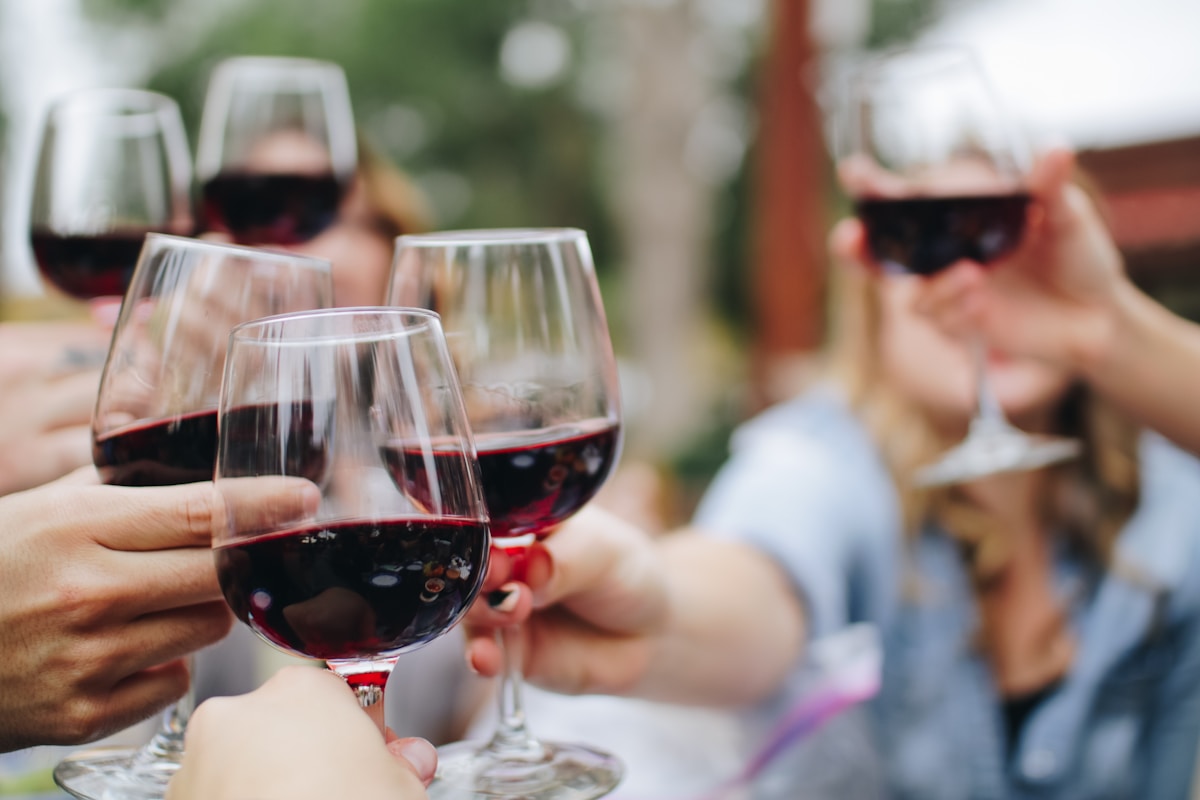
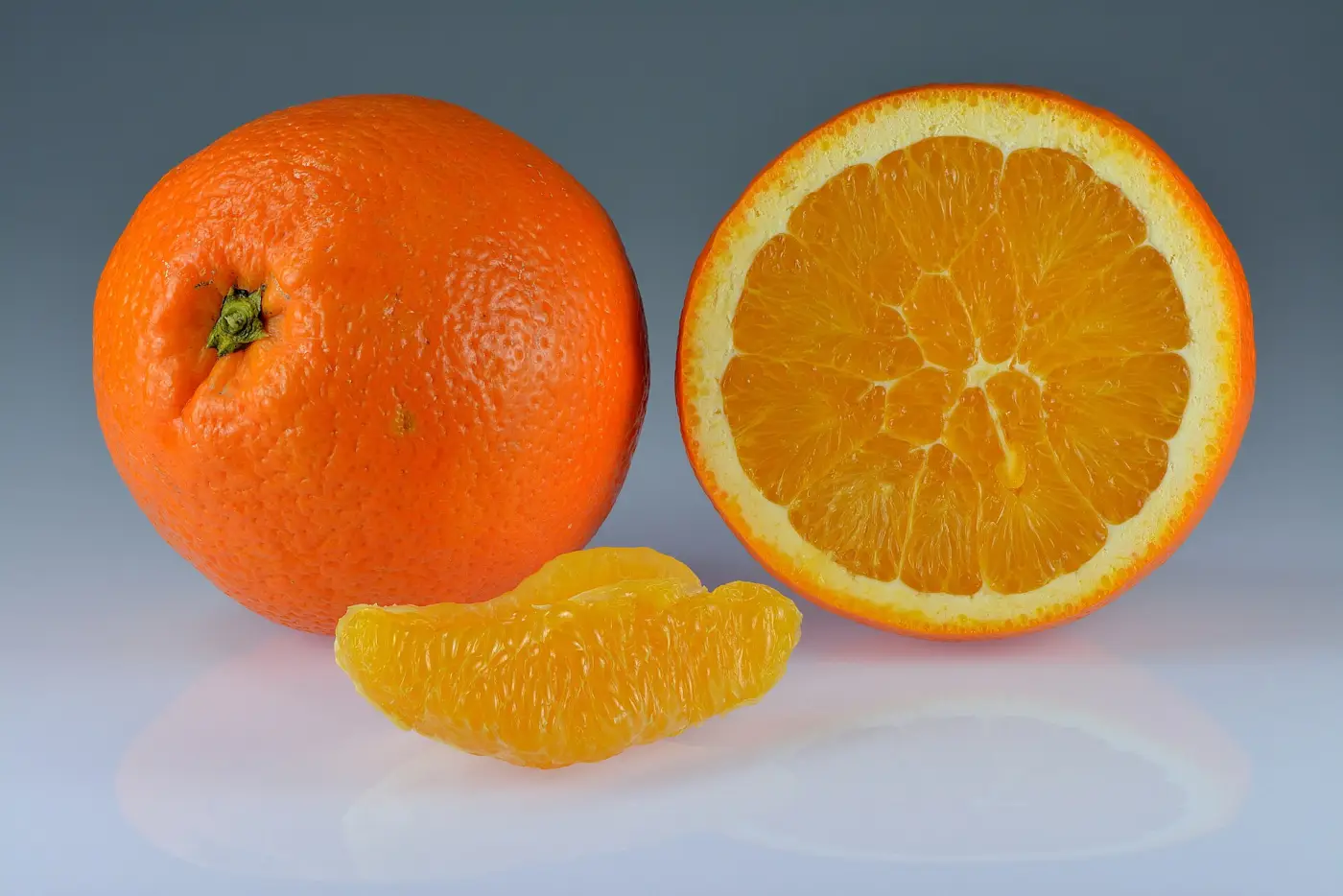
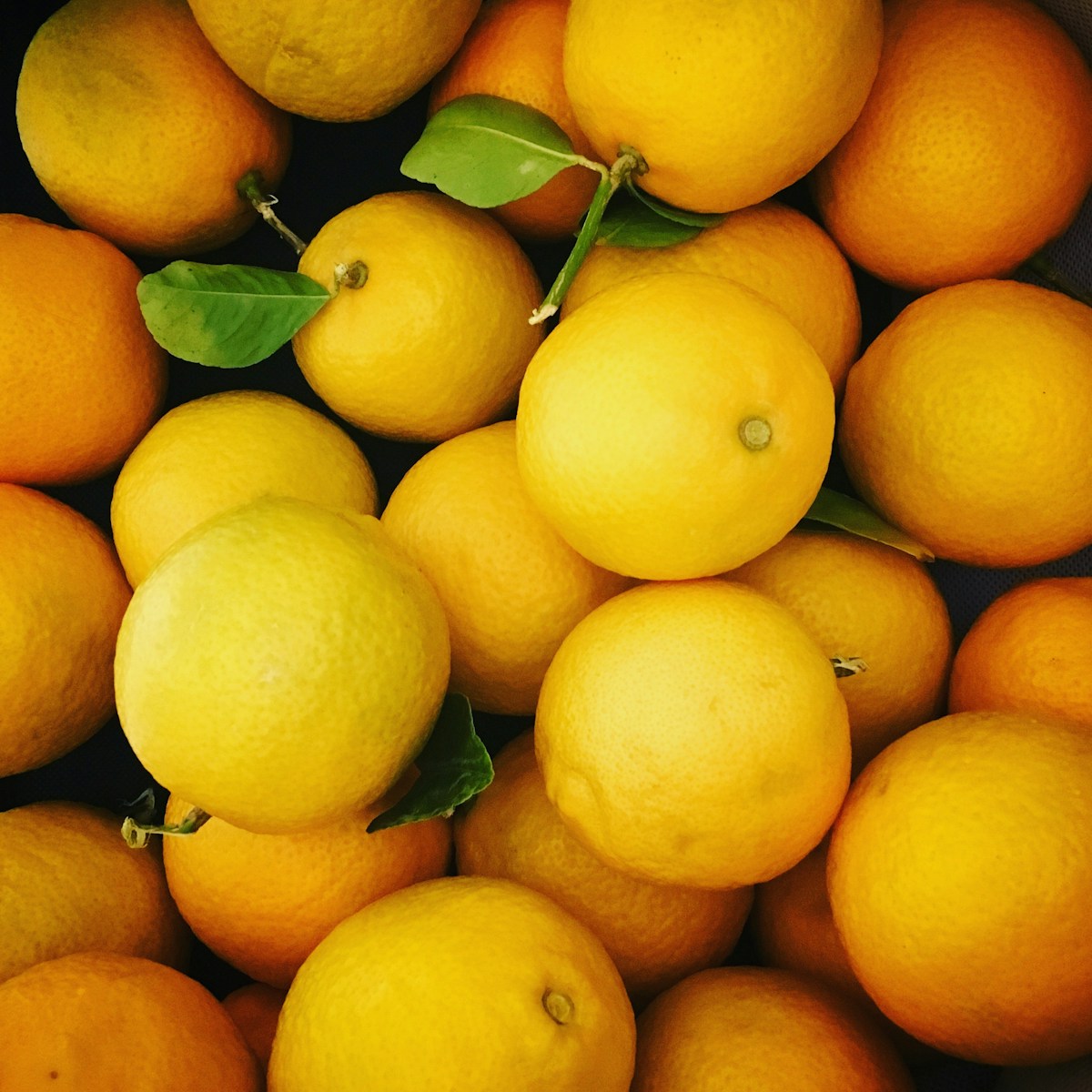
For The Foods That Shaped Us, the Negroni links wine (vermouth is wine-based), orange, lemon, the Aperol Spritz, and lime — a cluster of Italian aperitivo ingredients that together anchor the 2026 cocktail wave. The honest history is an 1860 Milan bitter, a 1919 Florentine count, an equal-parts formula, and a 2026 global Sbagliato — the same red-orange glass, increasingly drunk with prosecco in place of gin.
Historical Timeline
Gaspare Campari founds the Campari bitter in Milan; the bright red bitter becomes a foundation of Italian aperitivo cocktails.
The Americano cocktail (Campari, sweet vermouth, soda water) becomes a popular Italian aperitivo.
Count Camillo Negroni asks a bartender at Caffè Casoni in Florence to strengthen his Americano with gin instead of soda; the Negroni is born.
The Negroni becomes an Italian classic and a bartender's favorite; the equal-parts formula makes it easy to remember and riff on.
Negroni Week, the Negroni Sbagliato (prosecco instead of gin), and low-ABV Negroni variations drive a new wave of global interest.
Evidence Explorer
Review the Source Trail
Inspect the article sources, scoped review credits, and copyable citation details without leaving the page.
Sources Listed
Comments
Community comments are coming soon. Check back later to join the discussion!