💡 Key Takeaways
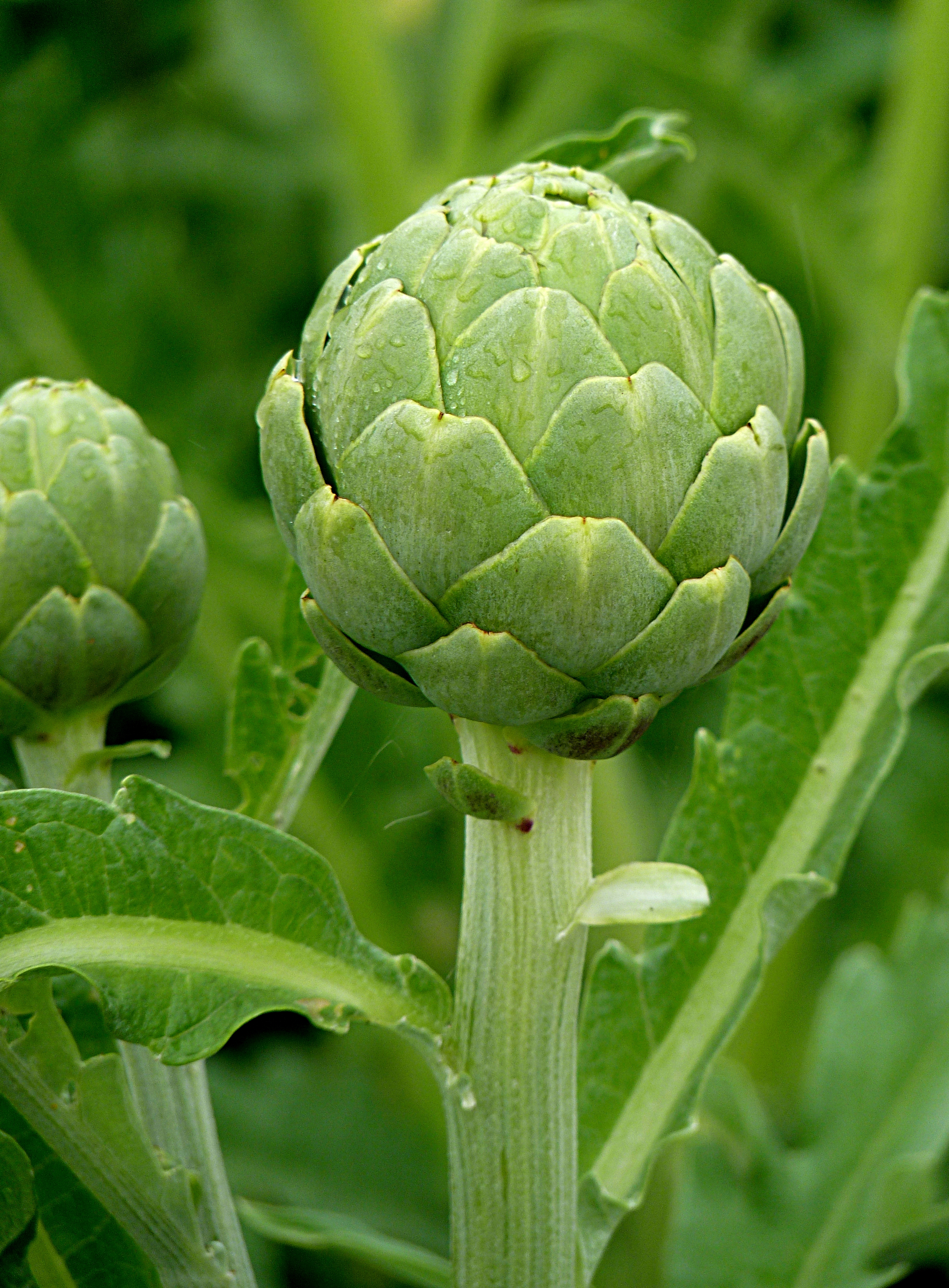
- The globe artichoke, Cynara cardunculus var. scolymus, is the edible flower bud of a cultivated Mediterranean thistle.
- Its closest food-history relative is cardoon, a thistle vegetable known in the Greek and Roman Mediterranean before the modern artichoke form became prominent.
- Medieval Arab agronomists and later Italian growers helped turn the artichoke into a prized garden vegetable of Sicily, Naples, Florence, and France.
Where did artichoke originate?
The globe artichoke, Cynara cardunculus var. scolymus, is the edible flower bud of a cultivated thistle from the Mediterranean cardoon complex. Unlike grain or fruit crops, the artichoke was not a simple wild food gathered for sweetness or calories: it was a difficult vegetable made valuable through selection, irrigation, and skilled cooking. Classical Greek and Roman authors described edible thistles and cardoon-like plants, while the modern globe artichoke form is most closely tied to the medieval and Renaissance Mediterranean [1]. Its history matters because it shows how garden culture could transform a prickly wild plant into a luxury vegetable associated with urban markets, elite tables, regional identity, and the technical knowledge of growers who knew how to tame a tough perennial thistle [2].
Botanists generally treat the globe artichoke and cardoon as domesticated forms within the Cynara cardunculus group [3]. That relationship helps explain why the crop belongs so strongly to Mediterranean food history: it grew out of landscapes where thistles, olive oil, wine, and irrigated gardens shaped everyday cooking.
Mediterranean Cultivation
The strongest historical trail runs through the central and western Mediterranean. Greek and Roman food writers knew edible thistles, but the globe artichoke became more visible later through Arab-influenced agriculture and Italian horticulture. Medieval Arabic agronomic traditions helped preserve technical knowledge about irrigation, garden vegetables, and crop selection across Sicily, Iberia, and North Africa [1].
By the 15th century, artichokes were strongly associated with Italian regions such as Sicily, Naples, and Florence. Renaissance cooks prized them because they were seasonal, labor-intensive, and adaptable: artichokes could be fried, stuffed, stewed with oil and herbs, or served as a sign of refinement. Their movement into France in the 16th century placed them inside courtly food culture rather than simple subsistence farming [2].
Historical Importance
Artichokes mattered because they represented a different kind of agricultural power: not the power to feed armies, but the power to turn specialty horticulture into status. Their edible portion is small compared with the whole plant, and their preparation requires technique, which made them attractive to cooks working in wealthy households and urban markets.
In modern food history, the artichoke remains a useful marker of Mediterranean continuity. Roman, Sicilian, Provençal, Spanish, and North African preparations all show how the same thistle crop could move between peasant gardens, monastic plots, city markets, and restaurant cuisine without losing its regional identity [4].
Historical Timeline
Greek and Roman writers describe edible thistles and cardoon-like vegetables in the Mediterranean
Arabic agricultural writing and Mediterranean garden systems help preserve and improve thistle crops
Globe artichokes become associated with elite cooking in Italy, especially Sicily, Naples, and Florence
Artichokes enter French court cuisine and become a marker of refined Renaissance taste
Evidence Explorer
Review the Source Trail
Inspect the article sources, scoped review credits, and copyable citation details without leaving the page.
Sources Listed
Comments
Community comments are coming soon. Check back later to join the discussion!