💡 Key Takeaways
- The avocado is an evolutionary ghost; it co-evolved with extinct giant ground sloths in the Pleistocene epoch, relying on them to eat the fruit and disperse its massive seed.
- The name "avocado" is derived from the Nahuatl (Aztec) word *āhuacatl*, which literally translates to "testicle," referencing both its shape and its reputation as an aphrodisiac.
- The modern global avocado boom is driven almost entirely by a single variety, the Hass, which was accidentally discovered in the 1920s by a California mail carrier.
Where did avocado originate?
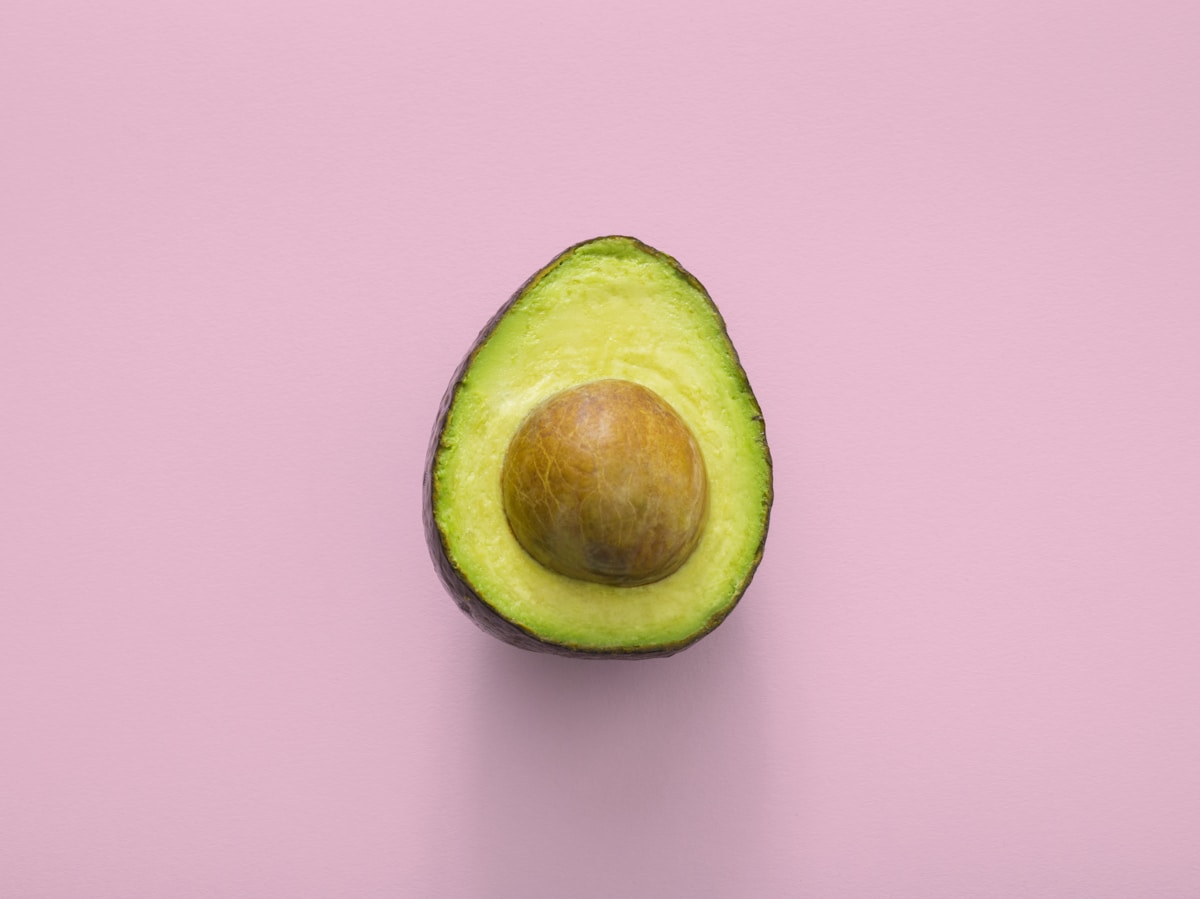
The avocado (*Persea americana*) is a biological anomaly, a fruit that by all evolutionary logic should be extinct. Millions of years ago, during the Cenozoic era, the avocado evolved in the tropical forests of Central America. It developed its specific characteristics—a massive, calorie-dense, fatty flesh surrounding a giant, rock-hard seed—to attract the megafauna of the Pleistocene epoch, specifically the giant ground sloth (*Lestodon*). The sloth would swallow the avocado whole, digest the fatty flesh, and excrete the massive seed miles away, effectively planting a new tree [2].
Around 10,000 years ago, an extinction event wiped out the giant sloths and other megafauna in the Americas. The avocado lost its evolutionary partner. The fruit would drop to the ground and rot, unable to disperse its seed. It was slowly dying out until early human hunter-gatherers discovered it. Recognizing its incredible fat and calorie content, humans effectively took over the job of the giant sloth, gathering the fruit and planting the seeds near their settlements in modern-day Mexico, saving the avocado from extinction [1].
How did avocado evolve over time?
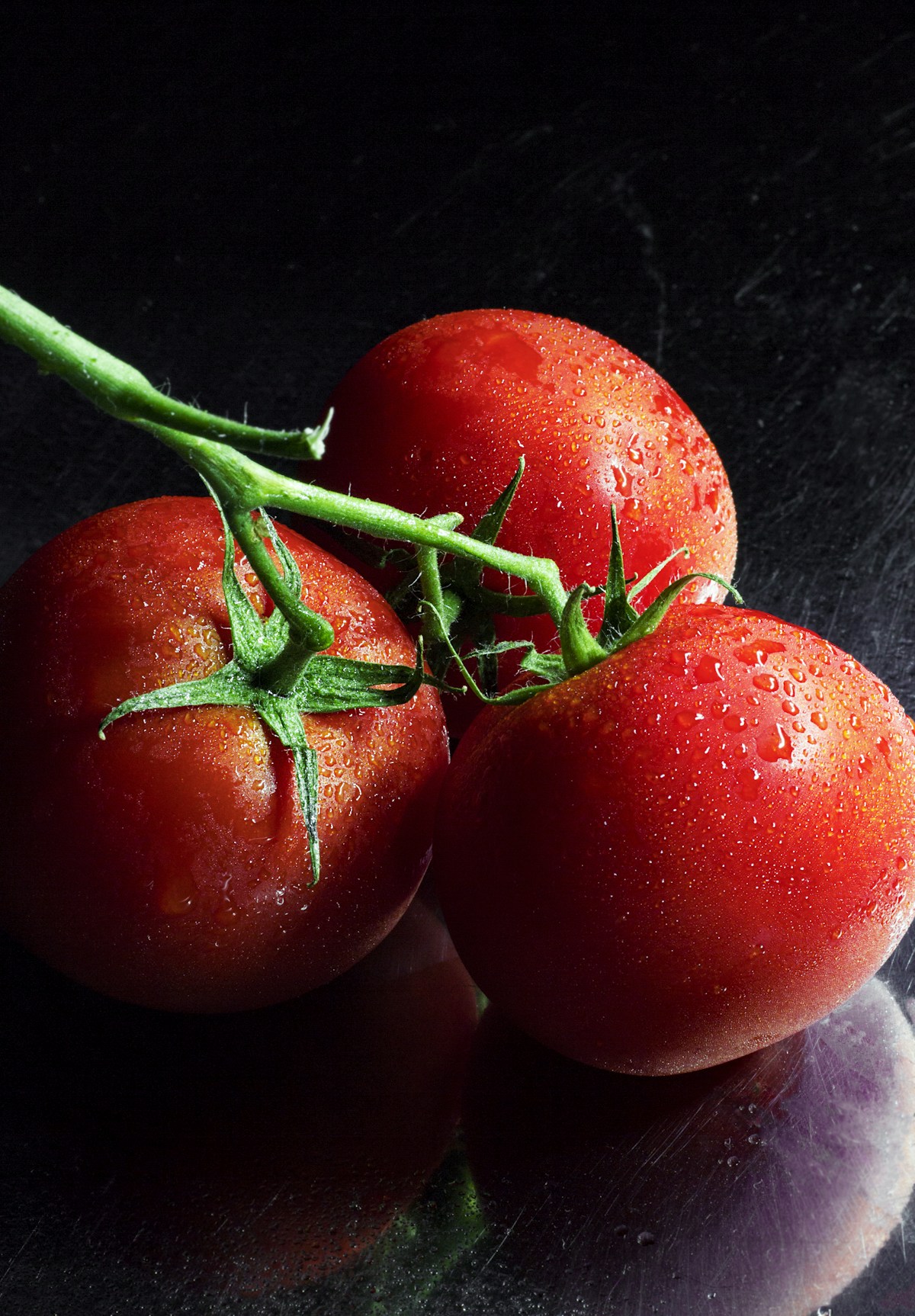
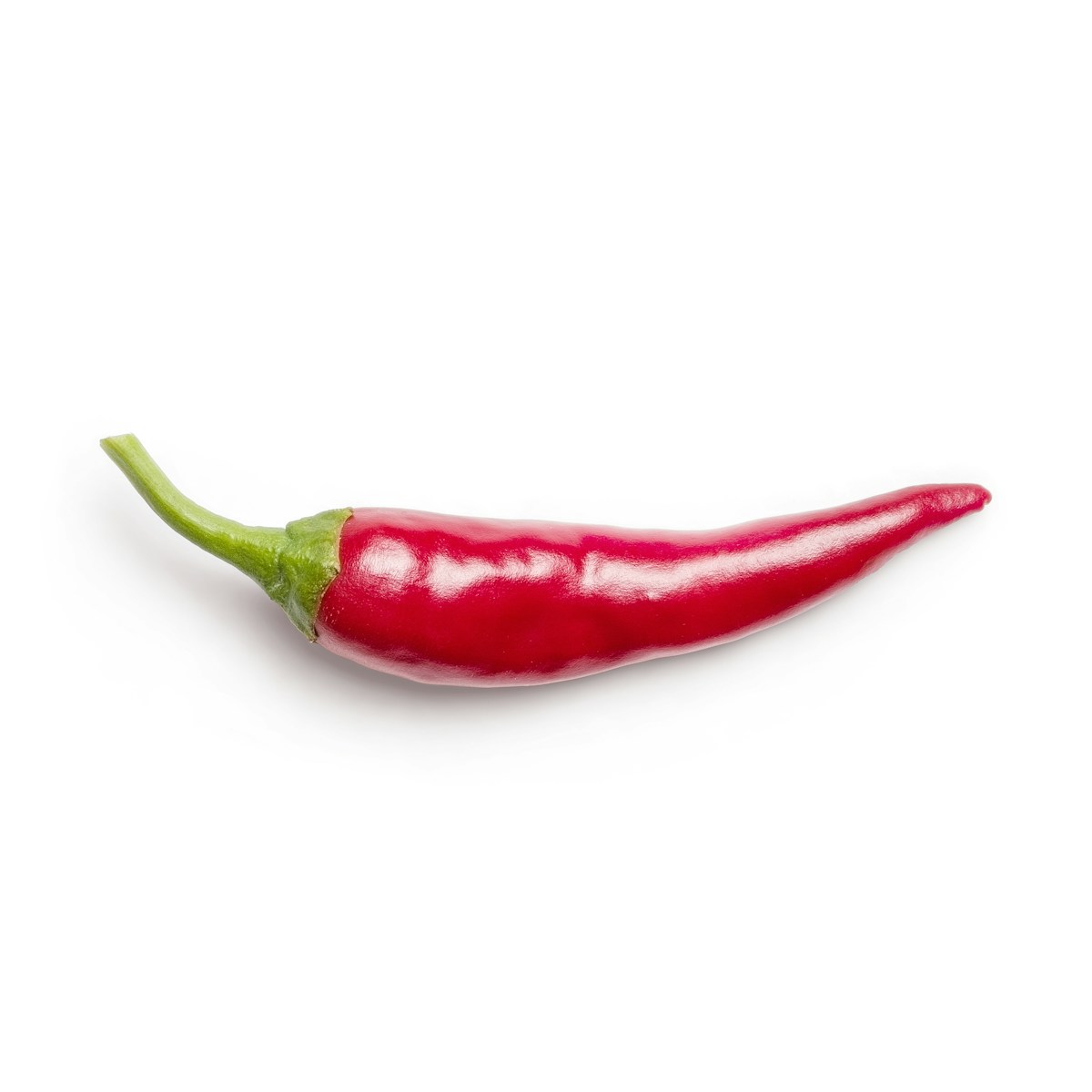
To the ancient civilizations of Mesoamerica, particularly the Aztecs, the avocado was a sacred and essential food. Because of its shape and the way it hangs in pairs on the tree, the Aztecs named it *āhuacatl*, which translates to "testicle." They revered it as a powerful aphrodisiac and fertility symbol. They mashed the flesh with tomatoes, chilies, and salt to create *ahuaca-mulli*—the direct ancestor of modern guacamole [1].
When the Spanish conquistadors arrived in the 16th century, they were deeply impressed by the fruit, noting that it tasted like "butter harvested from a tree." The Spanish brought it to Europe, but it struggled to grow outside of specific microclimates in Andalusia. For centuries, the avocado remained a hyper-regional specialty of the Americas, completely unknown to the rest of the world [2].
Why is avocado culturally important?
The commercialization of the avocado in the United States was a slow, difficult process. Early 20th-century growers in California struggled to sell the smooth-skinned Fuerte variety. The turning point was a total accident. In 1926, a California mail carrier named Rudolph Hass bought some random avocado seedlings. One tree produced dark, remarkably bumpy, almost black fruit. Initially, Hass wanted to chop it down because it looked ugly, but his children loved the rich, nutty, high-fat taste. He patented the Hass avocado in 1935. Today, the Hass variety accounts for roughly 80% of all avocados eaten globally [3].
In the late 20th century, the avocado benefited from a massive shift in nutritional science. Previously demonized during the low-fat craze of the 1980s, the avocado was entirely rehabilitated when scientists distinguished between harmful saturated fats and the beneficial, heart-healthy monounsaturated fats found in avocados. It was aggressively rebranded as a "superfood" [1].
Modern Renaissance
The 21st century has seen the avocado transform from a niche ingredient to a global obsession, epitomized by the viral "avocado toast" trend of the 2010s. This insatiable demand has had profound geopolitical and environmental consequences. In Michoacán, Mexico—the undisputed avocado capital of the world—the fruit has become so incredibly lucrative it is referred to as "green gold."
This immense wealth has attracted powerful Mexican cartels, who frequently extort farmers, steal shipments, and violently seize control of orchards. Furthermore, the immense water requirements of the avocado tree (it takes roughly 70 liters of water to grow a single fruit) are causing severe droughts and prompting massive illegal deforestation in Mexico and Chile to clear land for more orchards. The avocado's journey from a giant sloth's snack to a billion-dollar superfood represents one of the most drastic agricultural booms in modern history [3].
Historical Timeline
Giant ground sloths, the avocado's primary seed disperser, go extinct in the Americas
Mesoamerican peoples begin actively cultivating the avocado to save it from extinction
Spanish conquistadors record the Aztec consumption of "ahuaca-mulli" (guacamole)
Rudolph Hass accidentally grows a new, bumpy-skinned avocado variety in his California backyard
The "Avocado Toast" trend drives global demand to unprecedented, environmentally taxing levels
Evidence Explorer
Review the Source Trail
Inspect the article sources, scoped review credits, and copyable citation details without leaving the page.
Reviewed for Stated Scope
Sources Listed
Comments
Community comments are coming soon. Check back later to join the discussion!