💡 Key Takeaways
- The pineapple is native to the Paraná-Paraguay River drainages of South America, cultivated by the Tupi and Guarani peoples long before European contact.
- In 18th-century Europe, pineapples were so rare, expensive, and difficult to grow that they became the ultimate status symbol, often rented out by the day just to be displayed at parties.
- The mass-commercialization of the pineapple was driven by James Dole in Hawaii in the early 20th century, utilizing newly invented industrial canning techniques to ship the fruit globally.
Where did pineapple originate?
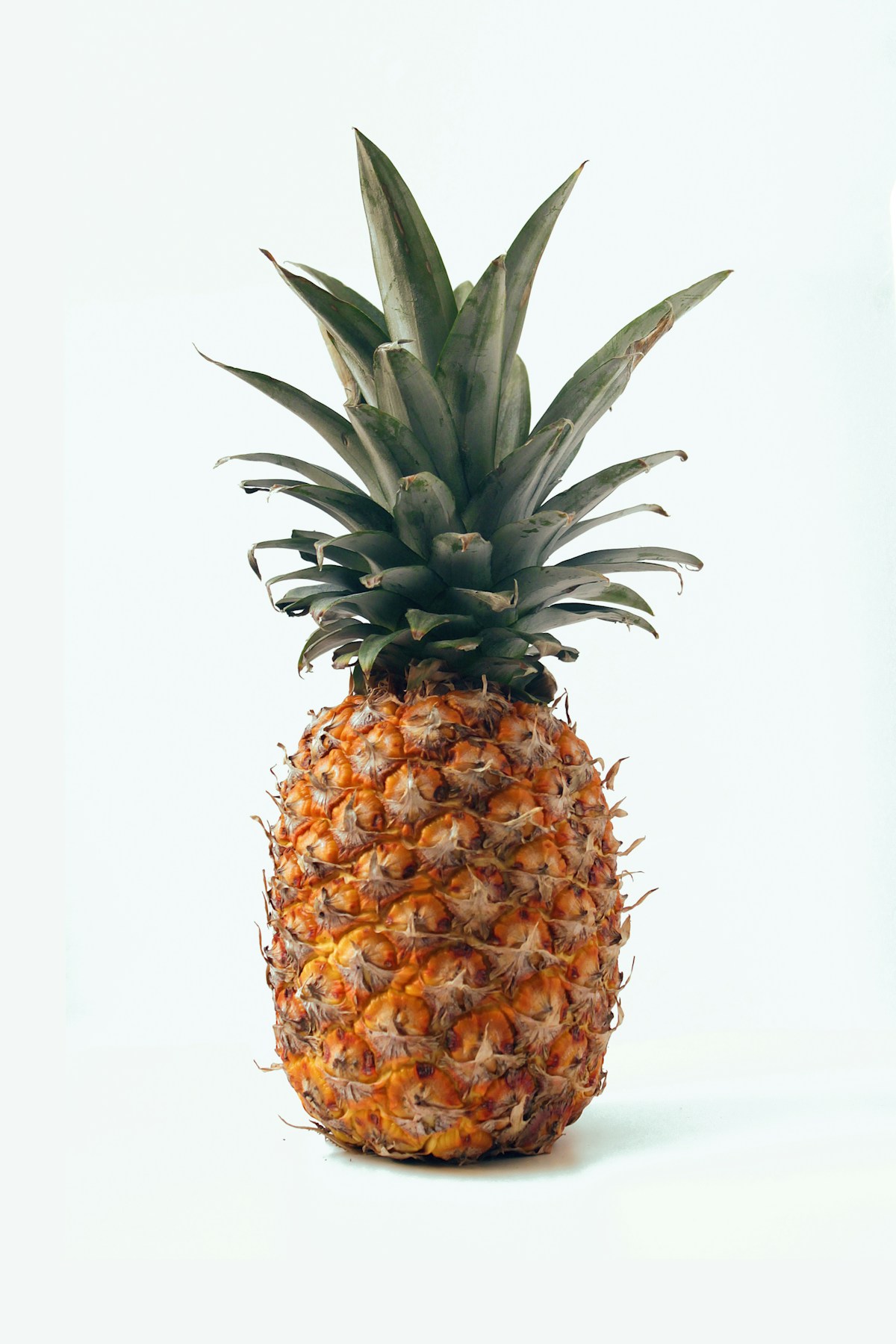
The pineapple (*Ananas comosus*) is indigenous to the inland region of South America, specifically the drainages of the Paraná-Paraguay River between southern Brazil and Paraguay. Long before European contact, the indigenous Tupi and Guarani peoples domesticated the fruit, selectively breeding it to be larger, sweeter, and seedless. As these tribes migrated northward, they carried the pineapple with them, eventually introducing it to Central America and the Caribbean islands. To the native Caribbean peoples, the pineapple was a staple food, a wine-making ingredient, and a symbol of hospitality placed at the entrances of villages [1].
On his second voyage in 1493, Christopher Columbus landed on the Caribbean island of Guadeloupe and encountered the fruit. Because it vaguely resembled a pine cone but had the sweet, juicy flesh of an apple, the English eventually dubbed it the "pine-apple." Columbus brought it back to Spain, where its intense sweetness, striking visual appearance, and crown of spiky leaves made it an instant sensation among the European elite [2].
How did pineapple evolve over time?
In Europe, the pineapple became an absolute obsession. Because the fruit rotted quickly on the long sea voyage from the Caribbean, fresh pineapples in Europe were impossibly rare. By the late 17th century, European botanists engaged in a fierce, hyper-expensive race to grow pineapples in the cold climates of England and Holland. They constructed massive, coal-heated glass "pineries" (hothouses) specifically to mimic the tropical environment. The cost to grow a single pineapple in 18th-century England was equivalent to thousands of modern dollars [1].
Because they were so incredibly expensive, pineapples became the ultimate symbol of aristocratic status and hospitality. They were almost never eaten; instead, they were placed in the center of dining tables as ornamental centerpieces until they began to rot. An entire industry emerged where merchants would rent pineapples out by the day to social-climbing merchants who wanted to display wealth at a dinner party but couldn't afford to buy the fruit [2].
Why is pineapple culturally important?
The pineapple's status as a rare luxury was completely destroyed in the early 20th century by a 21-year-old American named James Dole. Dole moved to Hawaii (which had recently been annexed by the US) and recognized that the volcanic soil and climate were perfect for growing pineapples. However, the fruit still spoiled during shipping. Dole's brilliant move was to utilize newly perfected automated canning machinery. By peeling, coring, and canning the fruit directly on the island in heavy syrup, he made the pineapple shelf-stable for years [3].
Dole launched massive, aggressive marketing campaigns in the United States, utilizing the newly popular medium of women's magazines to distribute recipes featuring canned pineapple (like the Pineapple Upside-Down Cake). He effectively transformed the ultimate aristocratic luxury into an incredibly cheap, mass-market commodity. In doing so, he heavily associated the pineapple with Hawaii, completely overriding its true South American origins in the minds of global consumers [1].
Modern Renaissance
Today, the global pineapple market is dominated by a single variety: the MD-2, or "Gold" pineapple, developed in the 1980s. It was explicitly engineered to be exceptionally sweet, uniform in size, and capable of enduring long shipping routes from Costa Rica and the Philippines (the modern capitals of pineapple production, having largely overtaken Hawaii due to cheaper labor costs) [2].
Culinary-wise, the pineapple remains a polarizing force, most famously illustrated by the "Hawaiian Pizza." Invented in 1962 in Ontario, Canada, by a Greek immigrant named Sam Panopoulos, the combination of savory ham, cheese, and sweet canned pineapple perfectly encapsulates the mid-century obsession with sweet-and-savory Polynesian-themed cuisine. While highly controversial, it proves that the pineapple is still fulfilling its ancient role: a profoundly sweet, dynamic fruit that continually disrupts global culinary norms [1].
Historical Timeline
The Tupi people spread domesticated pineapples throughout South America and the Caribbean
Christopher Columbus "discovers" the pineapple on the Caribbean island of Guadeloupe
The first pineapple successfully grown in England is presented to King Charles II
James Dole founds the Hawaiian Pineapple Company, industrializing the fruit
The "Hawaiian Pizza" is invented in Canada by a Greek immigrant, sparking endless culinary debate
Evidence Explorer
Review the Source Trail
Inspect the article sources, scoped review credits, and copyable citation details without leaving the page.
Reviewed for Stated Scope
Sources Listed
Comments
Community comments are coming soon. Check back later to join the discussion!