💡 Key Takeaways
- Basque cheesecake is modern, not an ancient Basque farmhouse cake.
- It is closely associated with Santiago Rivera and La Viña in San Sebastián around 1990.
- High heat, a dark top, no crumb crust, and a soft center distinguish the style.
- Global imitation turned a local restaurant dessert into a format with many regional adaptations.
What Is Basque Cheesecake?
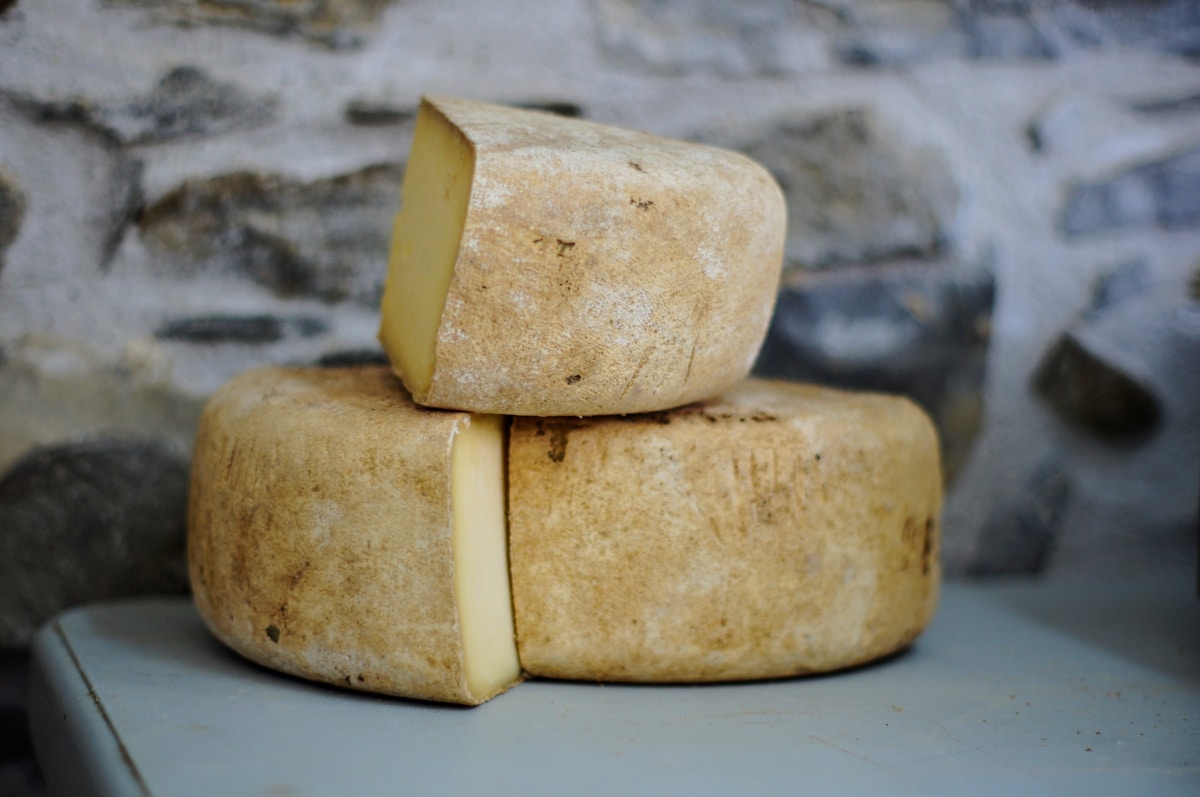
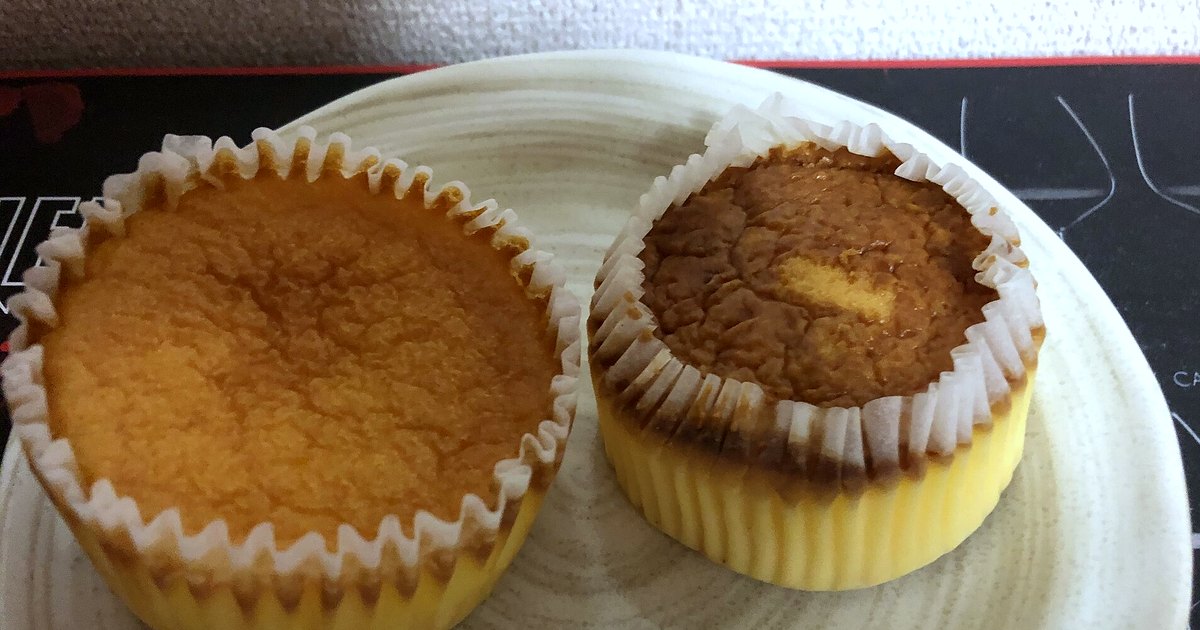
Basque cheesecake is a crustless cake baked at high heat until its surface becomes deeply browned and its center remains soft. Cream cheese, eggs, sugar, and cream form the familiar base. Parchment rises in rough folds around the cake, and the finished top looks almost burnt. That appearance is intentional: browning creates bitterness and roasted flavor that balance the sweet dairy interior [4].
The cake is often marketed as rustic or ancient. It is neither. Its power comes from being a modern restaurant dessert that rejects the smooth pale surface and crumb crust of many American cheesecakes.
Who Created the La Viña Cheesecake?
The style is closely associated with Santiago Rivera at La Viña, a bar in San Sebastián's old town. Rivera developed the recipe around 1990 while experimenting with a new dessert for the family business [1][2]. The origin is unusually well documented compared with foods surrounded by centuries of competing folklore.
That does not mean every high-heat cheesecake descends from one exact recipe. It means the globally recognized format, name, and visual identity grew from La Viña. The local bar became an origin point because travelers and chefs could taste, describe, and reproduce the cake.
Why Burning Became the Technique
High heat does several jobs at once. It browns the exposed dairy and sugar, pushes the edges toward a firmer set, and leaves the center comparatively custardy. The absence of a crumb crust keeps attention on those contrasts. The wrinkled parchment also removes the need for polished edges.
This technique turned an apparent flaw into a signature. In conventional pastry language, a cracked, dark cake might be judged overbaked. At La Viña, those signs became evidence of the desired method. The cake's later success shows how restaurant culture can rewrite the visual rules of quality.
From San Sebastián to a Global Dessert
Basque cheesecake spread through culinary tourism, chef networks, newspapers, cookbooks, and online recipes. San Sebastián already had international prestige as a dining destination, giving a bar dessert an audience of cooks likely to reproduce it abroad [2].
The format proved highly portable. It required no specialized crust and could be adapted to local cream cheese, ovens, pan sizes, and flavors. In Japan, South Korea, Southeast Asia, and the United States, bakeries made it a centerpiece rather than a bar slice. The global name fixed “Basque” to the cake even as versions moved far from its source.
Why Basque Cheesecake Keeps Changing
Modern versions use matcha, chocolate, coffee, pistachio, fruit, goat cheese, and different degrees of molten center. These are adaptations, not proof that the original history is vague. The historical core remains a late-twentieth-century La Viña dessert defined by a dark exterior, soft interior, and crustless form.
The cake's enduring appeal is psychological as well as culinary. It looks dramatic, forgives rough presentation, and promises contrast when sliced. That makes it ideal for restaurant display and short-form video, but its clickability rests on a real, traceable origin rather than a manufactured ancient legend.
Historical Timeline
Santiago Rivera develops the cheesecake served at La Viña in San Sebastián
Travel writing, chefs, and recipe publication carry the cake beyond the Basque Country
The cake becomes a major restaurant and social-media format in East Asia, Europe, and North America
Bakeries create matcha, chocolate, pistachio, and regionally flavored versions
Evidence Explorer
Review the Source Trail
Inspect the article sources, scoped review credits, and copyable citation details without leaving the page.
Reviewed for Stated Scope
Sources Listed
Comments
Community comments are coming soon. Check back later to join the discussion!