💡 Key Takeaways
- Tangyuan are glutinous-rice dumplings whose round shape is associated with completeness and reunion.
- Tangyuan and yuanxiao overlap but can differ in regional naming and production method.
- Fillings such as black sesame, peanut, and red bean reflect trade, sugar, and confectionery history.
- The festival meaning is as important as the recipe.
What Are Tangyuan?
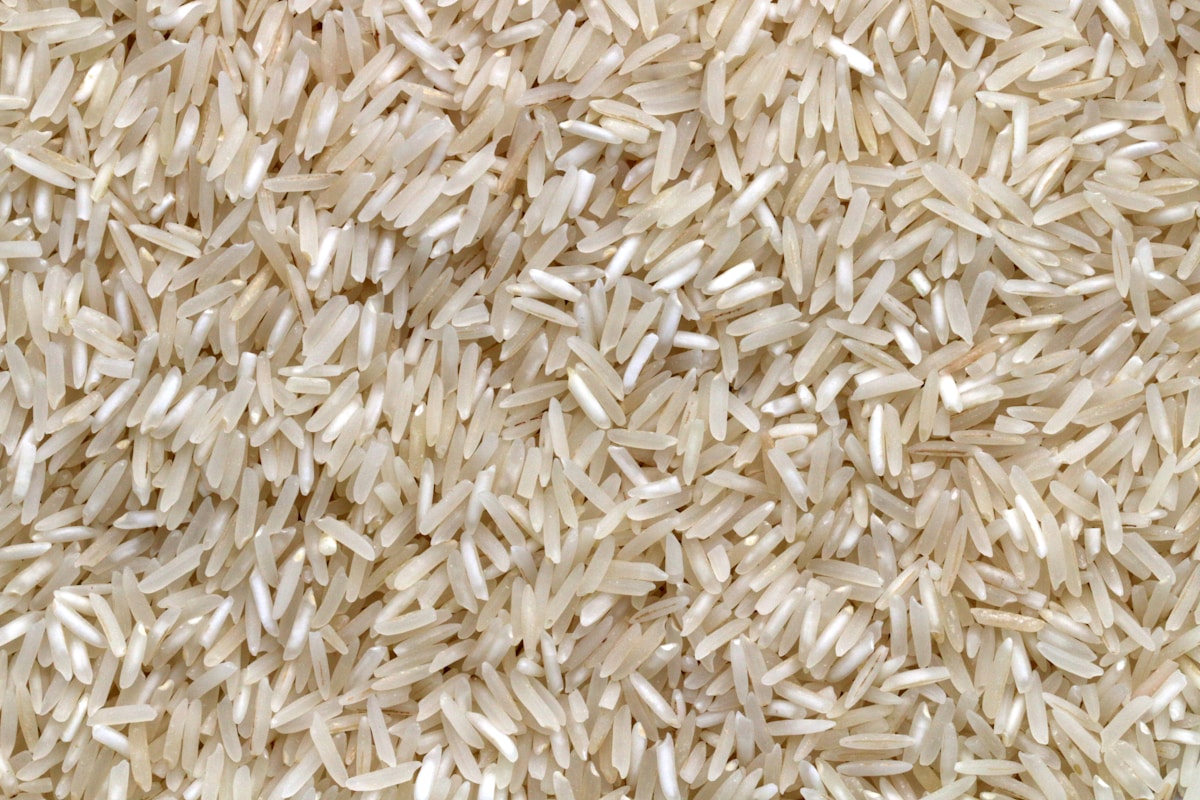
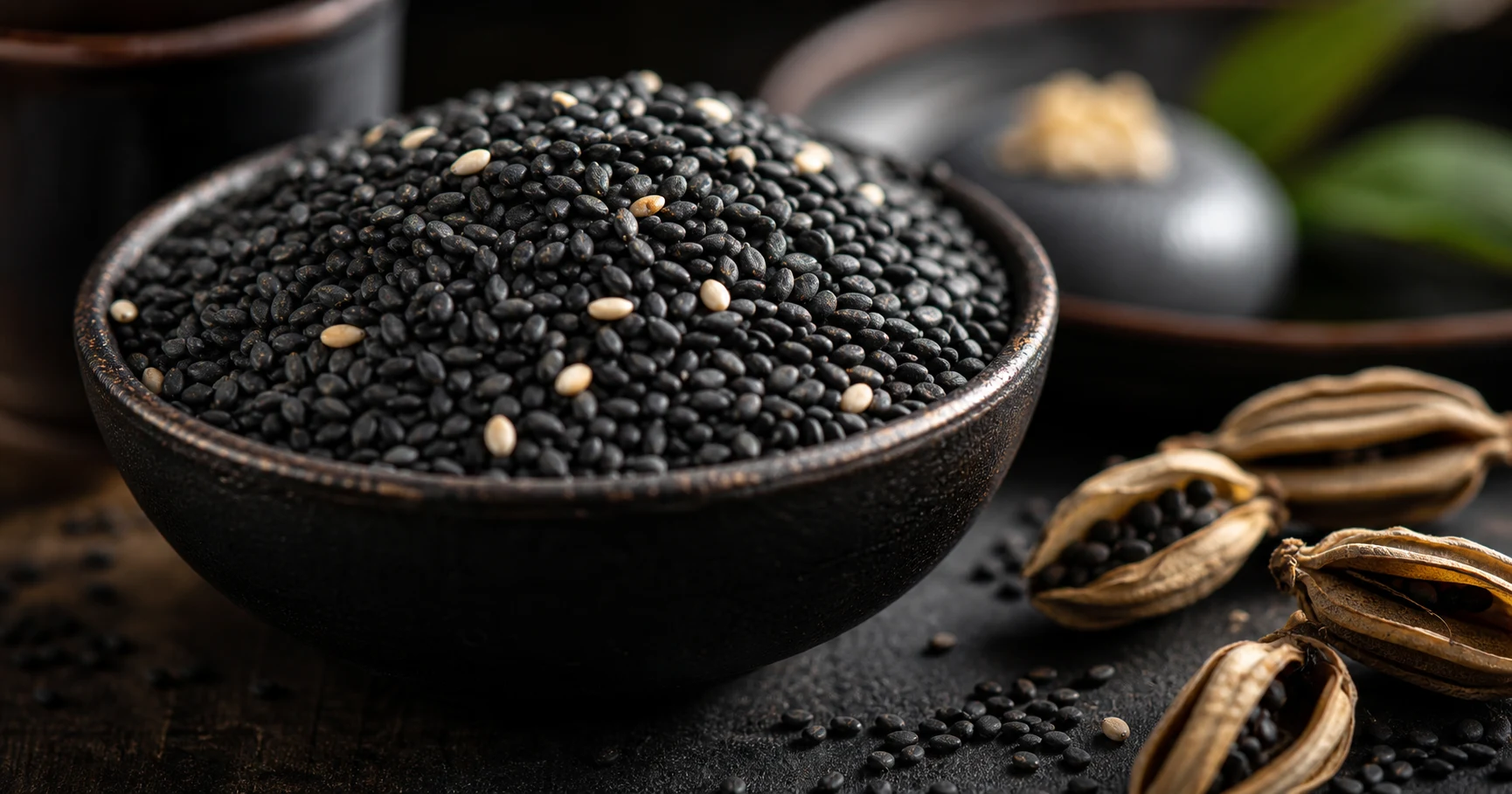
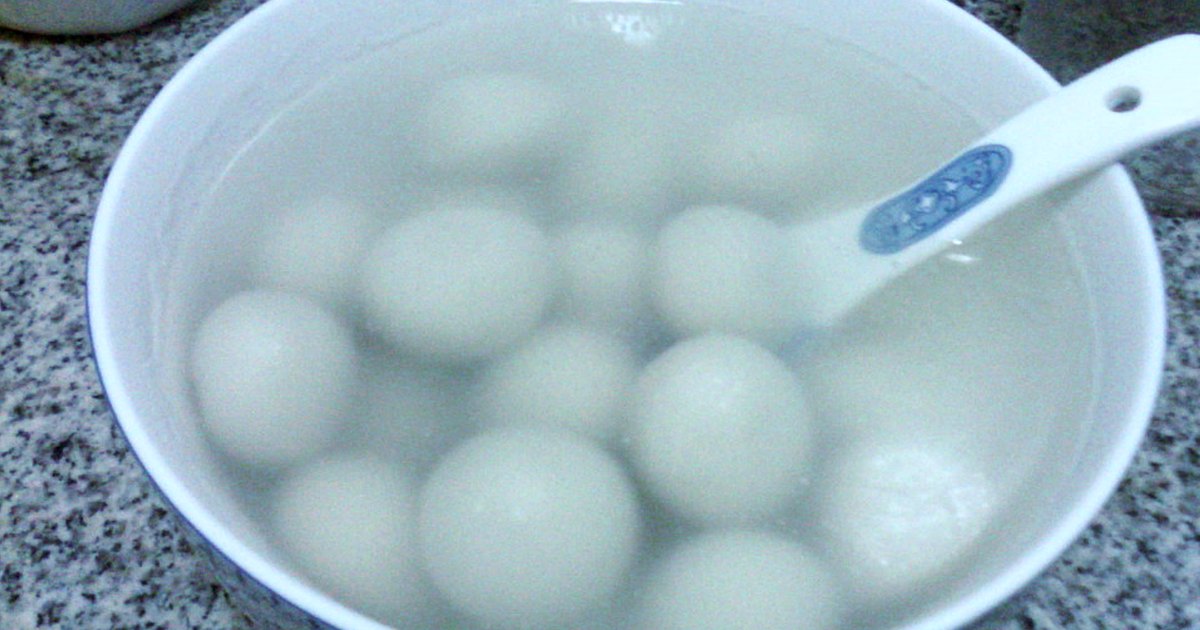
Tangyuan are dumplings made from glutinous-rice flour and water. They may be left plain or wrapped around fillings such as black sesame, peanut, red bean, or sweetened lard, then boiled and served in broth or syrup. Their soft, elastic texture comes from the starch chemistry of sticky rice, not from wheat gluten.
The round shape carries the strongest cultural message. Chinese words and visual associations connect roundness with completeness and reunion, making tangyuan especially suited to festivals and family gatherings. A bowl is therefore both food and social form: separate dumplings arrive together in one vessel.
Where Did Tangyuan Come From?
No secure record identifies one inventor. Histories often connect round rice foods to the Song period and the expanding festival culture of Chinese cities, but recipes, names, and regional methods changed over centuries [1][3]. Southern traditions became particularly associated with the name tangyuan, while northern yuanxiao developed overlapping festival roles.
The distinction is partly technical. Tangyuan are commonly formed by wrapping dough around a filling. Yuanxiao can be made by repeatedly rolling a firm filling in damp rice flour. Modern retail sometimes blurs the names, but method and region remain useful historical clues.
Why the Lantern Festival Matters
Tangyuan are strongly linked to the Lantern Festival, which closes the traditional Lunar New Year season. Eating round dumplings turns an abstract hope for family unity into a shared, repeatable act. The association also explains why origin stories that focus only on ingredients miss the point: the calendar created demand, memory, and continuity [2].
Festival foods survive because families repeat them. A recipe may change from pork or sesame to chocolate or fruit, while the act of gathering around the bowl preserves the older logic. The food is durable because its social use is durable.
Rice, Fillings, and Regional Difference
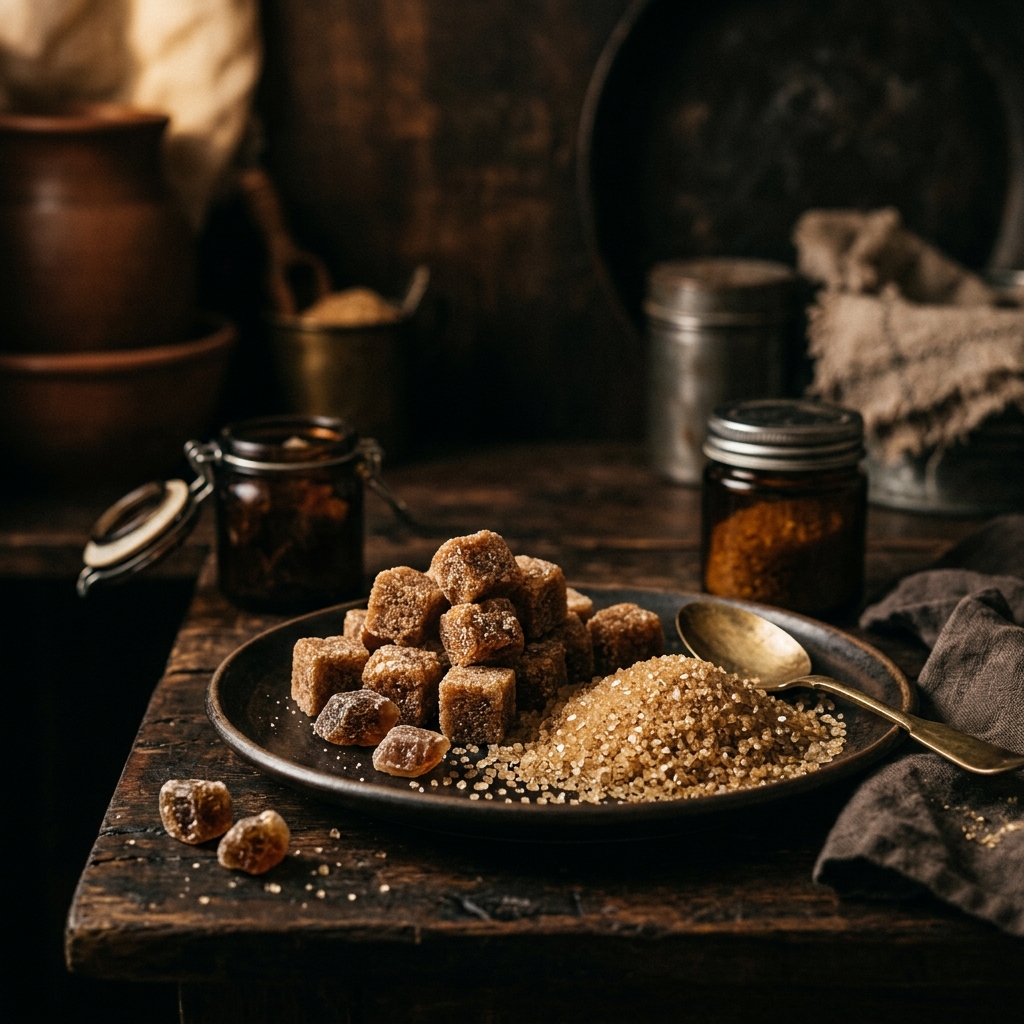
Glutinous rice connects tangyuan to a much wider history of southern Chinese agriculture and sticky-rice foods. Fillings add another layer. Sesame and peanuts carry oil and aroma; red bean supplies body; sugar transforms these ingredients into confectionery. Savory tangyuan also exist, showing that the category is not simply dessert [1][4].
Regional differences appear in size, color, broth, filling, and occasion. Those variations are not deviations from one authentic model. They are the history: families adapted a flexible rice dough to local crops, tastes, and festival customs.
Tangyuan in Modern Food Culture
Frozen tangyuan changed the logistics of the dish. A labor-intensive festival food could be stored, exported, and cooked in minutes. Diaspora groceries made familiar brands available year-round, while restaurants and social media introduced brightly colored and oversized versions.
Convenience did not empty the food of meaning. Many families still make or serve tangyuan when reunion matters. The modern package sits beside the handmade bowl, illustrating how ritual foods survive industrialization by changing their form without abandoning their social purpose.
Historical Timeline
Written traditions describe filled or round rice foods connected with urban festivals
Round dumplings become associated with the Lantern Festival and family reunion
Commercial milling and frozen foods make filled tangyuan easier to produce and distribute
Diaspora households and social media give regional tangyuan styles a global audience
Evidence Explorer
Review the Source Trail
Inspect the article sources, scoped review credits, and copyable citation details without leaving the page.
Reviewed for Stated Scope
Sources Listed
Comments
Community comments are coming soon. Check back later to join the discussion!