💡 Key Takeaways
- Coriander seeds and cilantro leaves come from the same plant.
- The plant has ancient archaeological and textual evidence across West Asia and the Mediterranean.
- English naming differs by region: coriander may mean the whole plant or mainly the seed, while cilantro often means the leaf.
- Migration and empire spread coriander into cuisines that developed distinct uses.
One Plant, Several Ingredients
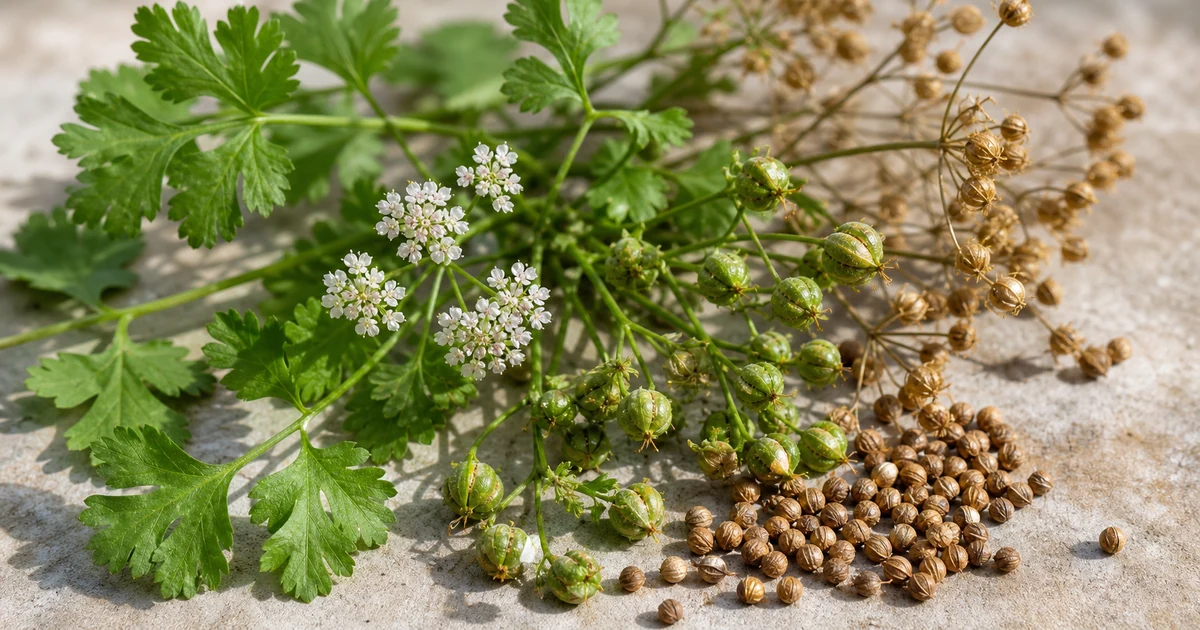
Coriandrum sativum supplies fresh leaves, stems, roots, green fruits, and dry fruits called seeds. Each part smells and behaves differently [1]. In much British English the whole plant is coriander; in North American usage cilantro usually means the fresh leaf and coriander the dry seed.
The naming split is linguistic, not botanical.
Ancient Coriander Evidence
Archaeobotanical finds and written records place coriander in early West Asian and Mediterranean food systems. It appears in Egyptian contexts and classical herb literature, but individual finds should not be inflated into one definitive birthplace [2][3].
Its ability to provide both a fresh herb and a dry portable spice helped it travel with farmers, cooks, healers, and merchants.
Trade, Gardens, and Migration
Greek, Roman, Persian, Arab, South Asian, Southeast Asian, Chinese, African, and European traditions adopted different parts of the plant. Medieval gardens and spice commerce widened access, while Iberian expansion carried it into the Americas [2][4].
There it joined Indigenous chilies, tomatoes, maize, and local herbs, becoming essential to cuisines that were themselves changing under colonization.
Why Cilantro Tastes Soapy to Some People
Coriander leaves contain aldehydes that can resemble aromas in soap or insects. Genetic differences in odor receptors influence perception, but preference also changes through familiarity, preparation, and cultural context.
The science explains variation; it does not divide humanity into fixed cilantro lovers and haters.
Coriander Today
Fresh leaves finish chutneys, salsas, soups, salads, curries, noodles, and stews. Roots deepen Thai pastes. Dry seeds season sausages, pickles, breads, spice blends, and beer.
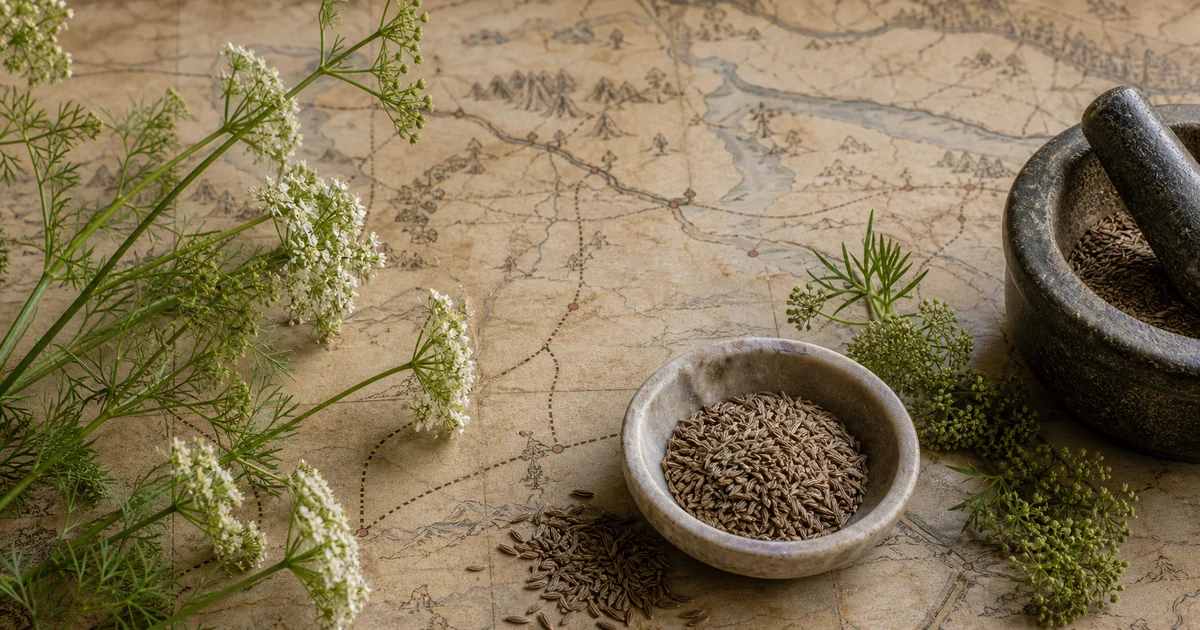
Coriander became globally ordinary precisely because every cuisine used it differently. Its history is not one straight spice route but a branching map of leaves, seeds, languages, and migration.
Historical Timeline
Coriander appears among plant remains in parts of West Asia and the Mediterranean
Seeds and leaves enter food, medicine, and written herb traditions
Coriander circulates across Islamic, European, African, and Asian trade networks
Colonial routes and migration establish coriander across the Americas and wider world
Evidence Explorer
Review the Source Trail
Inspect the article sources, scoped review credits, and copyable citation details without leaving the page.
Reviewed for Stated Scope
Sources Listed
Comments
Community comments are coming soon. Check back later to join the discussion!