💡 Key Takeaways
- Salted cod (bacalhau/bacalao) was the perfect pre-industrial food: splitting, salting, and drying the fish removed its moisture, creating a protein block that could last for years without refrigeration.
- The Basque people perfected large-scale cod salting in the Middle Ages, exploiting secret, massive cod fishing grounds off the coast of Newfoundland long before Columbus sailed to the Americas.
- Salt cod became deeply embedded in the cuisines of Portugal, Spain, Italy, and the Caribbean — regions with no native cod — due to its crucial role as ship rations, Lenten food, and cheap calories.
Where did fish (salted cod) originate?
Long before the invention of canning or refrigeration, the survival of humans through long winters and long voyages depended on preserved protein. The Atlantic Cod (Gadus morhua), a large, bottom-dwelling fish native to the cold waters of the North Atlantic, was biologically perfect for preservation. It is highly abundant and has virtually no fat in its flesh (which prevents it from going rancid when dried). The Vikings were the first to systematically exploit this. Around 800 CE, they began catching cod and hanging it on wooden racks in the freezing, dry Scandinavian wind. The resulting product, "stockfish," was as hard as wood and could last for years, providing the lightweight, nutrient-dense fuel necessary for their extraordinary voyages to Iceland, Greenland, and North America [1].
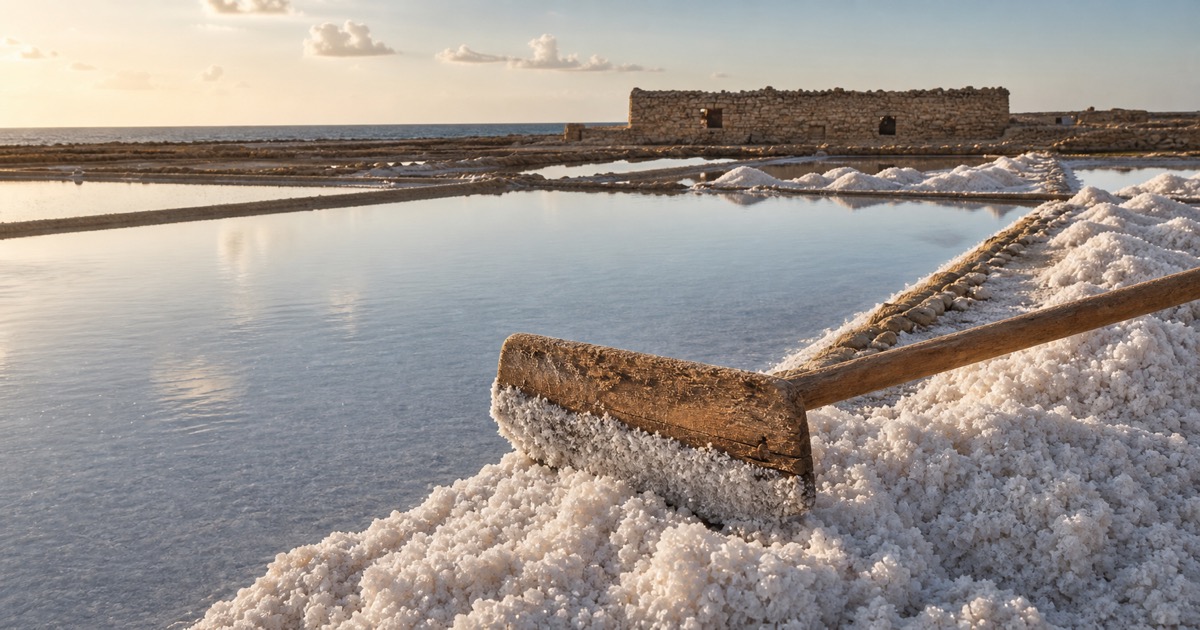
However, it was the Basque people of the Iberian Peninsula who perfected the preservation process around 1000 CE. Combining the Northern European drying technique with their abundant access to high-quality solar sea salt, they created salted cod (bacalao). This heavily salted, dried fish lasted even longer than stockfish and tasted better when rehydrated. The Basques guarded the secret of their seemingly endless cod supply, which historians now believe was the Grand Banks of Newfoundland—meaning the Basques were likely fishing off the coast of North America centuries before Columbus [2].
How did fish (salted cod) evolve over time?
In 1497, John Cabot officially "discovered" the Grand Banks off Newfoundland, reporting that the cod were so thick they could be caught by lowering baskets into the water. This triggered a massive European rush. English, French, Portuguese, and Spanish fleets crossed the Atlantic every spring, catching millions of cod, salting them on the beaches of North America, and returning to Europe in the autumn. Salt cod became the first truly globalized food commodity [1].
The Catholic Church played a massive role in driving the demand for salt cod. The Church forbade the consumption of meat (the flesh of warm-blooded animals) on Fridays, during Lent, and on various holy days—which amounted to over half the days of the year. Salt cod provided a cheap, non-perishable, and religiously approved protein for the masses across Southern Europe, embedding a fish from the Arctic into the traditional cuisines of the Mediterranean [2].
Tragically, salt cod also became a foundational pillar of the transatlantic slave trade. In the 17th and 18th centuries, New England merchants grew wealthy by catching cod off the American coast. The highest quality fish was sent to Europe, while the worst quality—known as "West India cure"—was shipped to the Caribbean. There, it was used by plantation owners as a cheap source of protein to feed enslaved Africans working the brutal sugar plantations. In return, the ships brought molasses back to New England to make rum, completing the Triangle Trade [3].
Why is fish (salted cod) culturally important?
Because of its history as a global commodity, salt cod is the centerpiece of national cuisines in countries that have no native cod in their waters. In Portugal, "bacalhau" is a profound cultural obsession, featuring in dishes like Bacalhau à Brás (shredded cod with onions, potatoes, and eggs). In Spain, it is essential to Basque cuisine (Bacalao al Pil-Pil). In Italy, it is known as baccalà and is a traditional Christmas Eve dish [1].
In the Caribbean, the legacy of the slave trade left salt cod permanently ingrained in the regional diet. In Jamaica, the national dish is Ackee and Saltfish, a vibrant breakfast staple where the rehydrated, flaked fish is sautéed with the local ackee fruit, scotch bonnet peppers, and spices. In Puerto Rico, bacalaítos (salt cod fritters) are a beloved street food. In all these cultures, a food born of extreme necessity and preservation was transformed through local spices and techniques into celebrated culinary heritage [2].
Preparing salt cod is an act of patience. The fish is rock-hard and coated in a thick crust of salt. It must be soaked in cold water for 24 to 72 hours, with the water changed multiple times, to extract the salt and rehydrate the flesh. Once prepared, it yields a firm, flaky texture and a deeply savory, concentrated flavor that fresh fish cannot replicate [3].
Modern Renaissance
For centuries, the Atlantic cod was believed to be an inexhaustible resource. However, the introduction of massive factory freezer trawlers in the mid-20th century devastated the population. These ships could catch and process more fish in an hour than a traditional boat could in a season. By the late 1980s, the Grand Banks fishery—once the most productive in the world—was entirely depleted [1].
In 1992, the Canadian government imposed a total moratorium on the Northern Cod fishery, putting 30,000 people out of work overnight and ending a 500-year-old way of life in Newfoundland. The collapse of the Atlantic cod remains one of the most stark examples of human overexploitation of a natural resource. Today, the cod populations have only marginally recovered [2].
Consequently, authentic salt cod has transitioned from a cheap staple of the poor to an expensive luxury item. Modern producers often substitute cheaper white fish like pollock or haddock and salt it to mimic the traditional product. Yet, despite refrigeration making the salting process functionally obsolete, the demand for true bacalhau remains high. The world no longer needs to salt cod to survive the winter, but it continues to do so because the process fundamentally changes the fish, creating a unique flavor and texture that centuries of history have made indispensable to millions [3].
In the news
Recent 2026 food-culture notes that reference this article.
Historical Timeline
Vikings preserve cod by air-drying it in the freezing wind (creating stockfish) to sustain long voyages
Basque fishermen begin combining air-drying with heavy salting, vastly extending the cod's shelf life
John Cabot "discovers" the Grand Banks of Newfoundland, where cod are so thick they slow ships down
New England's economy is built on exporting low-grade salt cod to the Caribbean to feed enslaved people
The Canadian government imposes a moratorium on the Northern Cod fishery after its total collapse
Evidence Explorer
Review the Source Trail
Inspect the article sources, scoped review credits, and copyable citation details without leaving the page.
Reviewed for Stated Scope
Sources Listed
Comments
Community comments are coming soon. Check back later to join the discussion!