💡 Key Takeaways
- Kiwifruit comes from Actinidia vines native to China, where the fruit was long known before commercial export.
- New Zealand growers developed the crop in the early 20th century from Chinese plant material and marketed it first as Chinese gooseberry.
- The name "kiwifruit" became commercially important in the mid-20th century as exporters built a distinct New Zealand fruit identity.
Where did kiwi originate?
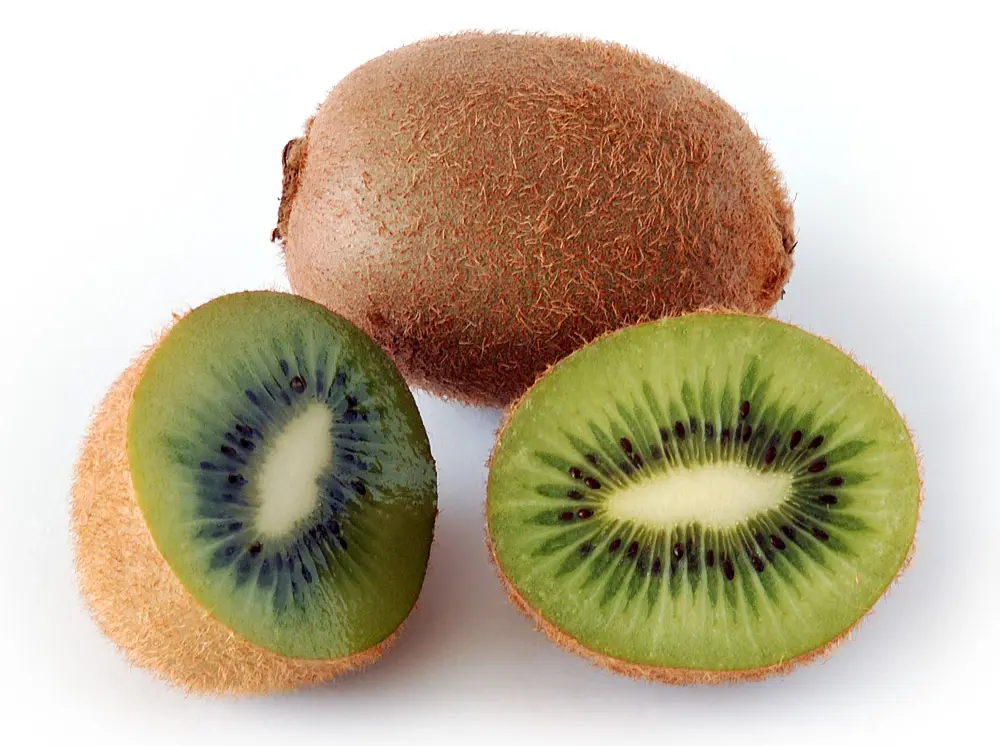
Kiwi, more precisely kiwifruit, is the edible berry of Actinidia vines, especially Actinidia chinensis and Actinidia deliciosa. The plant is native to China, where small, tart Actinidia fruits were known long before the fruit became a global supermarket staple [1]. Its modern history, however, is unusually recent: New Zealand horticulture transformed Chinese plant material into a commercial export crop in the early 20th century [2]. Kiwi mattered historically because it shows how branding, plant breeding, refrigerated shipping, and national export strategy could turn a regional vine fruit into a worldwide commodity within a few generations, without the long imperial history attached to older staples, the subsistence role of grain crops, or an ancient written culinary canon behind its global rise.
This is not an ancient Mediterranean or Silk Road crop in the usual sense. The key historical turning point came when seeds collected in China reached New Zealand in 1904, where nurseries and orchardists selected larger, sweeter fruit for commercial growing [3].
From Chinese Gooseberry to Kiwifruit
For much of its early export life, the fruit was called Chinese gooseberry. The name accurately pointed to its Chinese origin, but it caused marketing problems in some export markets and did not distinguish New Zealand-grown fruit. In 1959, New Zealand exporters adopted "kiwifruit," linking the fruit to the kiwi bird and to national identity [4].
That name change was more than cosmetic. It helped exporters sell the fruit as a distinctive premium product at a time when long-distance cold-chain logistics were reshaping global produce. New Zealand companies built quality systems, cultivar names, and seasonal export windows around the new identity, while later producers in Italy, Chile, Greece, and China expanded the crop internationally.
Historical Importance
Kiwifruit is historically important because it is a modern example of crop globalization. Many famous foods moved through empires or older caravan systems; kiwi moved through botany, nursery selection, refrigerated shipping, and 20th-century branding.
Its story also complicates the idea that all historically important foods must be ancient staples. Kiwifruit did not feed early civilizations, but it did reveal how modern agriculture could create new global demand by combining a Chinese plant, New Zealand breeding, memorable naming, and international retail systems [2].
Historical Timeline
Wild and cultivated Actinidia fruits are known in China under local names
Seeds from China are brought to New Zealand, where growers begin developing the fruit commercially
New Zealand exporters adopt the name "kiwifruit" for international marketing
Italy, New Zealand, Chile, and other producers turn kiwifruit into a global supermarket fruit
Evidence Explorer
Review the Source Trail
Inspect the article sources, scoped review credits, and copyable citation details without leaving the page.
Sources Listed
Comments
Community comments are coming soon. Check back later to join the discussion!