💡 Key Takeaways
- Ogiri names a family of fermented seed condiments rather than one universal raw material.
- Melon, sesame, or castor seeds may be used depending on region and product.
- Fermentation creates intense aroma and savory depth for soups.
- Women’s household and market labor has been central to production and trade.
What Is Ogiri?
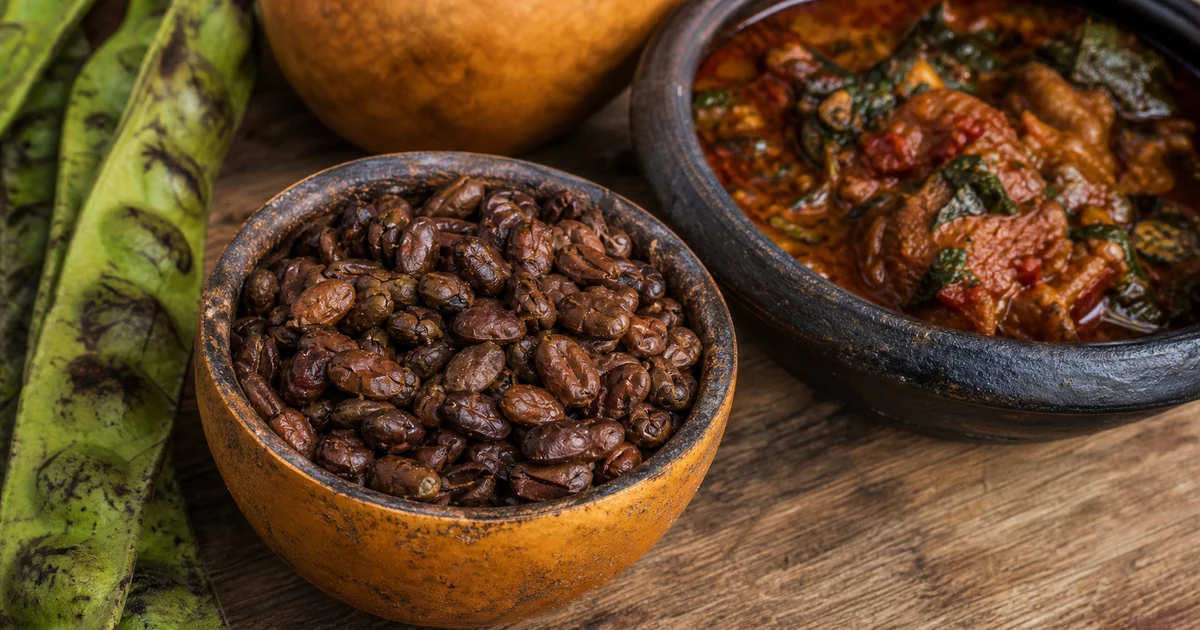
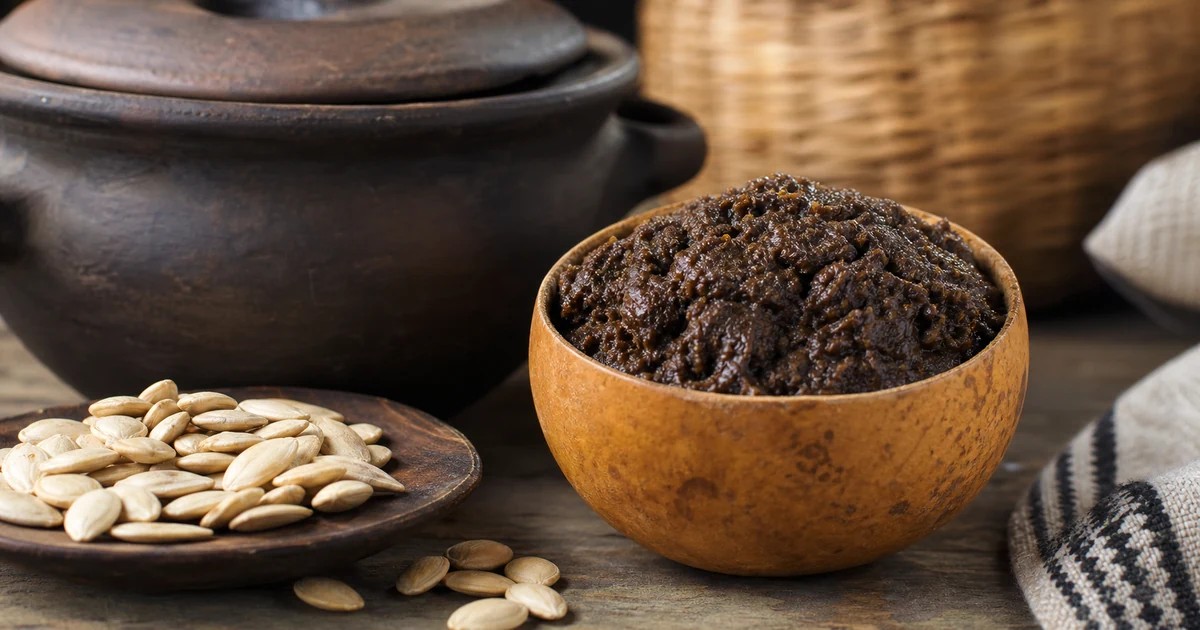
Ogiri is a West African family of fermented condiments made from oil-rich seeds. Depending on place and name, producers use melon seeds, sesame, or castor seeds. The finished paste or cake is pungent and added in small amounts to soups and stews [1][3].
English descriptions that call it one Nigerian spice hide the botanical and regional diversity inside the category.
Why Ferment Seeds?
Seeds contain protein and fat but can require boiling, dehulling, repeated washing, and careful processing. Fermentation softens material and releases intense savory and aromatic compounds [4].
The technique converts a crop into a compact seasoning. It also preserves culinary value beyond the immediate harvest.
Regional Names and Ingredients
Ogiri igbo, ogiri isi, and related names may signal different ingredients, textures, and cuisines. Castor-based products require especially knowledgeable preparation, while egusi-based forms connect the condiment to melon agriculture [1].
Specific naming is a safety and cultural issue, not pedantry. The raw material determines process and expected use.
Women, Markets, and Culinary Knowledge
Production has often belonged to women who manage boiling, wrapping, incubation, storage, and market sale. Their sensory judgment identifies a successful batch by smell, softness, color, and time [2].
Industrial seasoning cubes can imitate savory impact without replacing that knowledge. Ogiri history is therefore also the history of undervalued food labor.
Ogiri Today
Ogiri remains important in regional soups while diaspora cooks seek reliable packaged versions abroad. Research on starter cultures may improve safety and consistency, but standardization can flatten local character.
The best future keeps the condiment legible as a regional fermented food rather than rebranding it as generic African umami.
Historical Timeline
Communities ferment oil-rich seeds into durable soup seasonings
Local condiments persist despite imported seasonings and changing markets
Urban migration and packaged cubes compete with and reshape ogiri trade
Food researchers and heritage cooks document regional production and microbial diversity
Evidence Explorer
Review the Source Trail
Inspect the article sources, scoped review credits, and copyable citation details without leaving the page.
Reviewed for Stated Scope
Sources Listed
Comments
Community comments are coming soon. Check back later to join the discussion!