💡 Key Takeaways
- For centuries, shrimp was highly perishable and mostly consumed locally, or preserved as fermented shrimp paste—a foundational umami ingredient in Southeast Asian and Southern Chinese cuisines.
- The modern global shrimp industry was entirely transformed by the invention of commercial aquaculture in the 1970s, which transitioned shrimp from a seasonal luxury to a cheap, year-round commodity.
- Shrimp is the most consumed seafood in the United States, yet its explosive growth has caused severe environmental issues, including the destruction of crucial mangrove forests in Southeast Asia.
Where did shrimp originate?
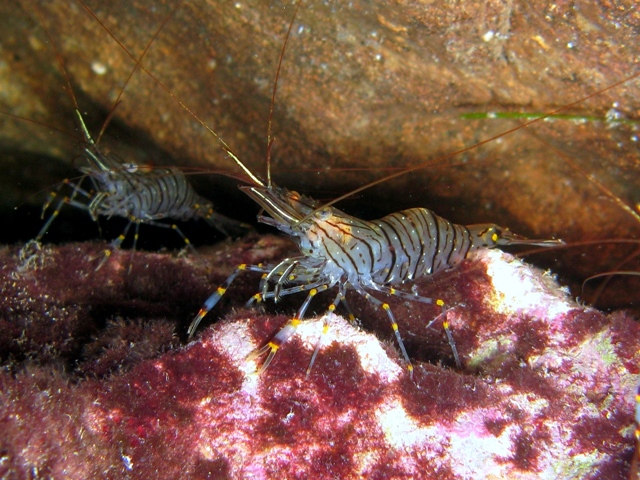
Shrimp—a vast classification covering thousands of species of swimming decapod crustaceans—have existed in the world's oceans, estuaries, and rivers for hundreds of millions of years. For ancient coastal peoples, shrimp were an abundant, easily accessible source of high-quality protein. Unlike large fish that required deep-water boats and lines, shrimp congregated in shallow estuaries where fresh water met the sea, allowing early humans to harvest them using simple woven baskets and tidal traps [1].
However, shrimp are highly perishable. In the tropical climates where they are most abundant, they spoil within hours of being pulled from the water. To solve this, ancient peoples in Southeast Asia and Southern China developed a brilliant method of preservation: fermentation. By heavily salting tiny shrimp and allowing them to ferment and break down in the sun, they created shrimp paste (known as belacan in Malaysia, terasi in Indonesia, and kapi in Thailand). This pungent, intensely savory paste became the absolute foundational umami base for almost all curries, soups, and stir-fries in the region, acting as a crucial flavor engine long before the invention of MSG or soy sauce [2].
How did shrimp evolve over time?
While Asia utilized shrimp paste, coastal communities in the Mediterranean and the Americas consumed shrimp fresh, but strictly as a seasonal, local food. In Europe, small brown shrimp (Crangon crangon) were caught in the shallow waters of the North Sea and sold boiled by street vendors in cities like London and coastal towns in Belgium. In the Americas, indigenous tribes along the Gulf of Mexico harvested massive seasonal runs of white and brown shrimp [1].
The transatlantic slave trade brought West African fishing techniques to the American South. Enslaved people were skilled at knitting circular cast nets and using them to catch shrimp in the tidal creeks of South Carolina and Georgia. They combined this catch with ground corn (grits), creating the iconic lowcountry dish, Shrimp and Grits. Yet, even into the mid-20th century, shrimp remained a regional delicacy. If you didn't live near the ocean, you rarely ate shrimp [2].
This all changed with the advent of modern freezing technology and, more importantly, aquaculture. In the 1930s, Japanese researcher Motosaku Fujinaga unlocked the complex life cycle of the shrimp, figuring out how to breed them in captivity. This breakthrough laid the foundation for the massive commercial shrimp farming industry that exploded in the 1970s and 1980s [3].
Why is shrimp culturally important?
Today, shrimp is a global culinary juggernaut. It is the most universally loved seafood, completely transcending cultural boundaries. Because its meat is mild, slightly sweet, and cooks in minutes, it serves as a perfect blank canvas for global flavors. It is the star of Spanish Gambas al Ajillo (garlic shrimp), the essential filling in Chinese Har Gow dumplings, the centerpiece of a Louisiana Seafood Boil, and the most popular item in a Japanese Tempura assortment [1].
The cultural perception of shrimp shifted dramatically in the late 20th century. Once considered an expensive luxury for the elite (symbolized by the mid-century popularity of the Shrimp Cocktail in high-end steakhouses), the influx of cheap, farmed shrimp transformed it into a casual, everyday commodity. This democratization was famously captured in popular culture by the character Bubba in the 1994 film *Forrest Gump*, who listed the endless ways to prepare "the fruit of the sea" [2].
Modern Renaissance
The incredible popularity of shrimp has come at a severe environmental and ethical cost. The boom in aquaculture, primarily in countries like Thailand, Vietnam, Ecuador, and India, led to the catastrophic destruction of coastal mangrove forests. Mangroves were bulldozed to build giant, shallow shrimp ponds. Because these ponds become heavily polluted with waste and antibiotics used to prevent disease in crowded conditions, they are often abandoned after a few years, leaving behind toxic wastelands that destroy local ecosystems and remove natural barriers against tsunamis and hurricanes [1].
Furthermore, the wild-caught shrimp industry—particularly the massive trawlers dragging heavy nets across the ocean floor—is notorious for "bycatch." For every pound of wild shrimp caught, trawlers historically killed several pounds of other marine life, including endangered sea turtles, though modern Turtle Excluder Devices (TEDs) have mitigated some of this damage [2].
Today, the shrimp industry is facing a massive reckoning. Consumers and environmental groups are demanding traceability and sustainable certification. In response, a new wave of "closed-loop" indoor shrimp farming is emerging in North America and Europe, aiming to produce fresh shrimp in massive indoor tanks without antibiotics or ocean destruction. Additionally, food technology companies are developing plant-based and lab-grown shrimp alternatives, attempting to satisfy the world's colossal appetite for this tiny crustacean without destroying the oceans [3].
Historical Timeline
Southeast Asian cultures develop fermented shrimp paste (belacan/terasi) to preserve the catch
Marco Polo observes the Chinese using complex netting systems to catch shrimp in estuaries
Japanese scientist Motosaku Fujinaga becomes the first to successfully breed Kuruma shrimp in captivity
Commercial shrimp farming explodes in Southeast Asia and Latin America, driving prices down
Shrimp surpasses canned tuna as the most consumed seafood in the United States
Evidence Explorer
Review the Source Trail
Inspect the article sources, scoped review credits, and copyable citation details without leaving the page.
Sources Listed
Comments
Community comments are coming soon. Check back later to join the discussion!