💡 Key Takeaways
- Quark is a fresh acid-set cultured curd, not one standardized texture.
- German quark, Austrian Topfen, and Eastern European tvorog overlap but are not always identical.
- Its history grew from sour-milk dairying and rapid fresh use.
- Modern high-protein marketing is a new frame for an old everyday cheese.
What Is Quark?
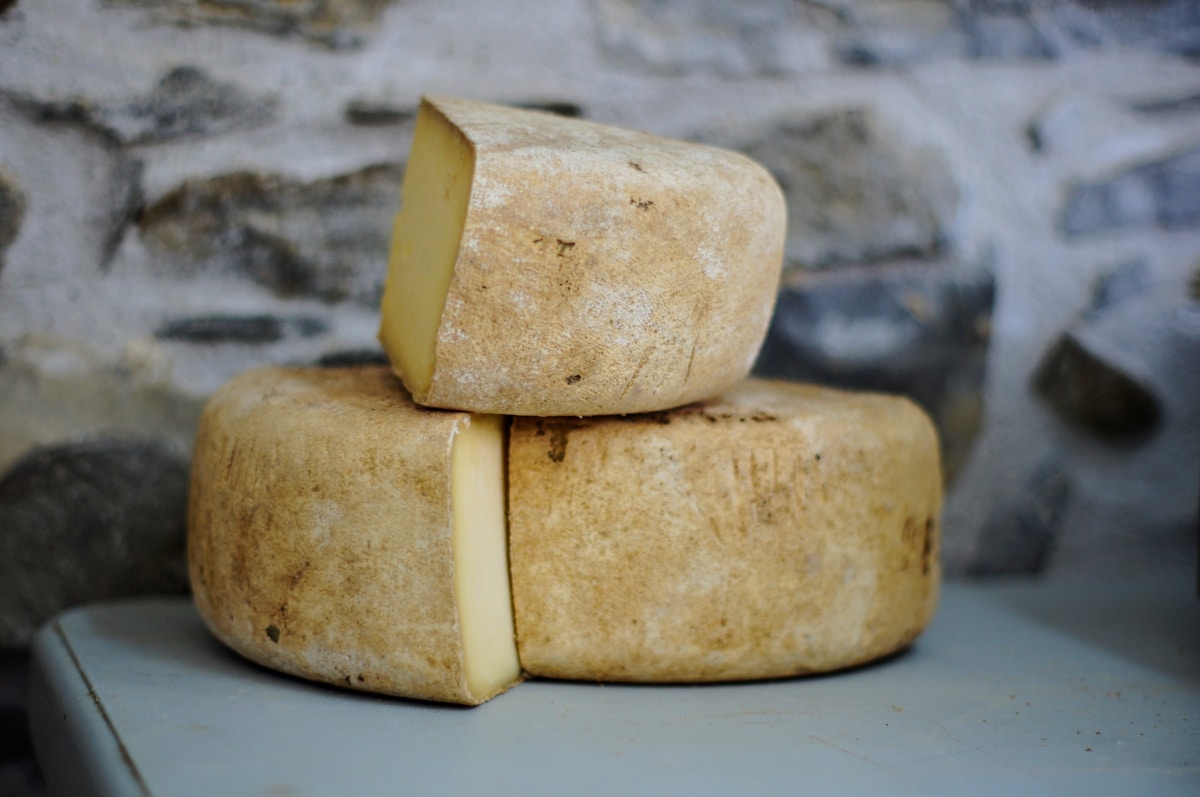
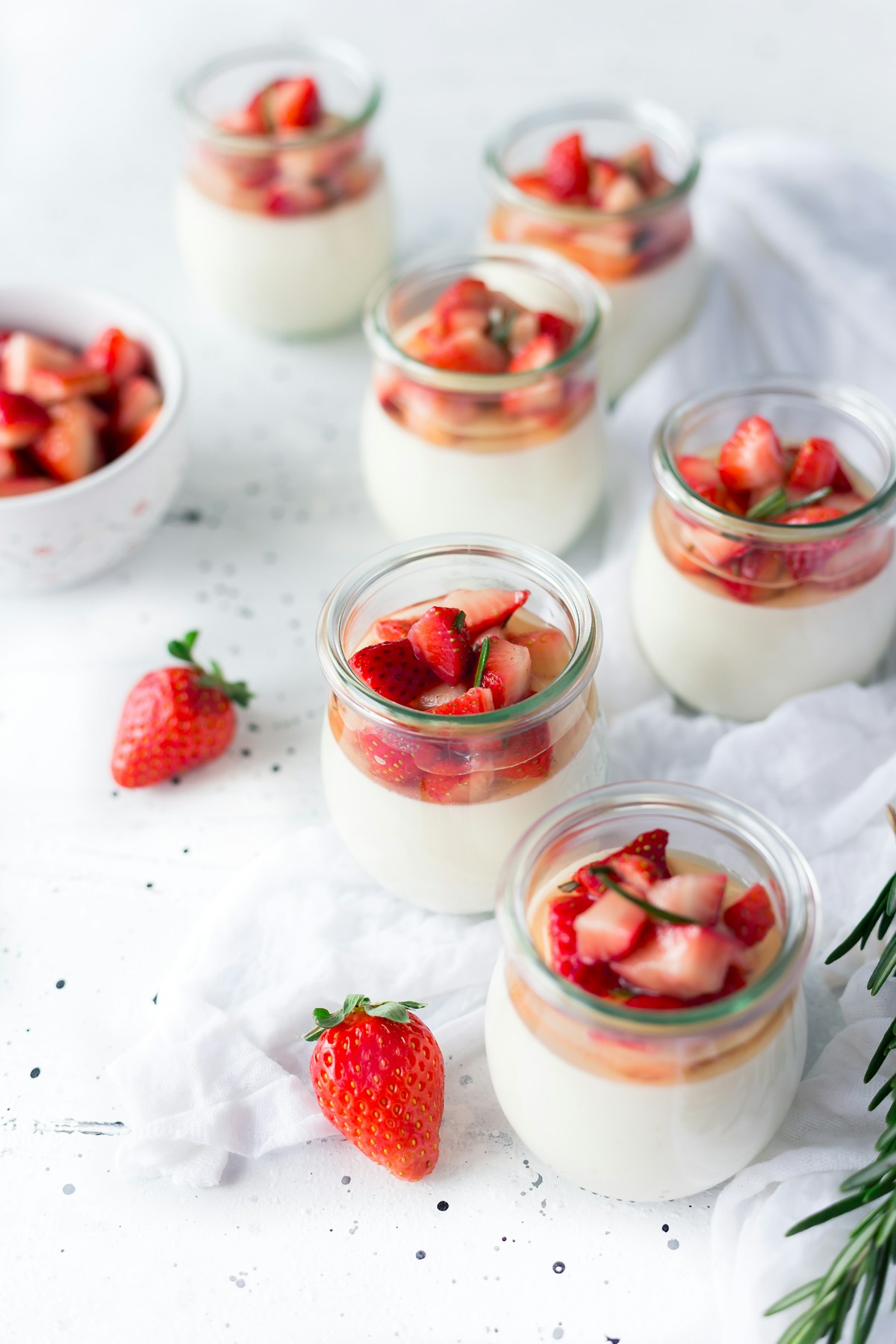
Quark is a fresh cultured curd made by acidifying milk and separating some whey. It can be smooth like thick yogurt, spreadable, or dry enough to crumble depending on fat, drainage, and regional standard [1][2].
It is cheese by process in many systems, even though consumers may find it beside yogurt. The category sits at the boundary between fermented milk and fresh cheese.
Sour Milk and Household Cheese
Before modern refrigeration, milk often soured through lactic bacteria. Heating or resting the acidified milk formed curds that could be drained and eaten quickly. Central, northern, and eastern European households developed many names and uses for this practical fresh cheese [2][4].
Quark did not need long aging, caves, or rennet. Its accessibility made it everyday food rather than rare luxury.
Quark, Topfen, and Tvorog
German Quark, Austrian Topfen, and Slavic tvorog belong to a related acid-set dairy family. Texture, fat, heat treatment, and culinary expectation differ, so translating every term as cottage cheese or quark can mislead.
The regional names matter most in recipes. A dry tvorog behaves differently in dumplings from a creamy retail quark used as spread.
Baking, Savory Food, and Everyday Use
Quark fills cheesecakes, pastries, dumplings, pancakes, and strudels. It can be mixed with herbs for bread, served with potatoes, or eaten with fruit and sugar. Its mild acidity and flexible moisture make it both ingredient and food.
These uses explain why cream-cheese substitution changes historical recipes. The products share dairy richness but not identical water, acidity, or structure.
Industrial Quark and Modern Protein Culture
Dairies now use selected cultures, separators, homogenization, and controlled drainage to produce consistent quark. Low-fat and flavored tubs made it part of ordinary supermarket life in Europe.
New markets emphasize protein and fitness, presenting quark as discovery. The historical reality is quieter and stronger: it is an old sour-milk curd repeatedly adapted to household, industrial, sweet, savory, and modern nutritional uses.
Historical Timeline
Households sour milk and drain curds into fresh cheeses across northern, central, and eastern regions
Urban dairies and scientific fermentation begin standardizing fresh curd
Quark becomes a mass retail food used in baking, spreads, and everyday meals
Protein-focused dairy marketing introduces quark to new markets
Evidence Explorer
Review the Source Trail
Inspect the article sources, scoped review credits, and copyable citation details without leaving the page.
Reviewed for Stated Scope
Sources Listed
Comments
Community comments are coming soon. Check back later to join the discussion!