💡 Key Takeaways
- Sake is brewed from rice; it is not a distilled spirit and not fermented like grape wine.
- Koji enzymes convert rice starch while yeast ferments sugar in the same mash.
- Temples, shrines, merchant breweries, and state taxation all shaped the drink.
- UNESCO recognized traditional sake-making knowledge and skills with koji mold in 2024.
What Is Sake?
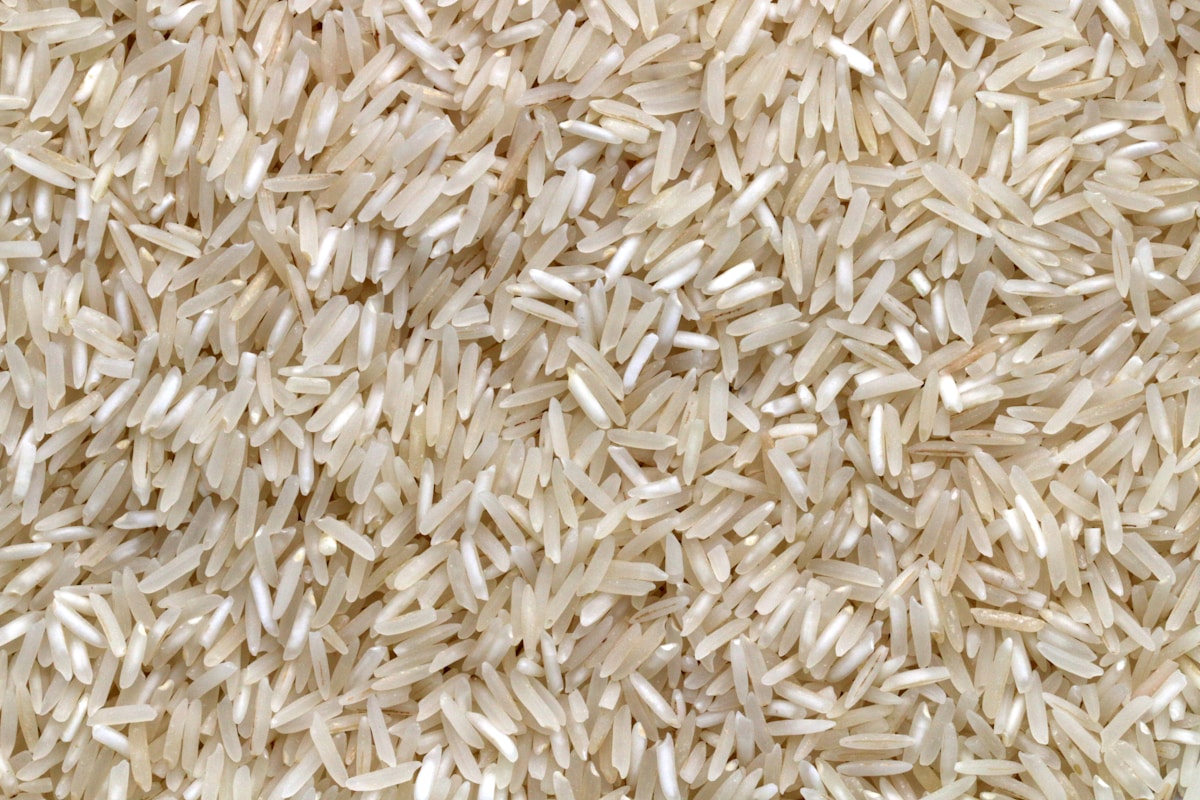
Sake is an alcoholic drink brewed from rice, water, koji, and yeast. English often calls it rice wine, but grapes contain fermentable sugar while rice contains starch. Sake brewing must first use enzymes from koji to break starch into sugars that yeast can consume [1][3].
Because conversion and fermentation proceed together, the process is called multiple parallel fermentation. This technical feature distinguishes sake from both wine and beer even though it shares elements with each.
Ancient Grain Alcohol and Ritual
Japan had grain alcohol before the modern drink existed. Court chronicles, ritual practice, and agricultural calendars connected alcohol with offerings, hospitality, and communal meals. Early beverages varied in grain, chewing or starter methods, clarity, and strength [2].
A responsible history does not project modern premium ginjo backward. The name and category evolved as rice agriculture, state institutions, and brewing knowledge changed.
Temples, Koji, and Technical Change
Medieval temples and shrines became important brewing centers. They had grain, vessels, literate administration, and communities able to repeat complex work. Techniques for starters, staged additions, pressing, heating, and storage became more controlled [2].
Koji sat at the center. Growing Aspergillus oryzae on steamed rice created enzymes, while careful temperature management kept the process useful rather than destructive.
Commercial Breweries and the State
Edo-period urbanization and shipping expanded regional sake trade. Nada and other centers benefited from water, rice access, skilled labor, and routes to large markets. Authorities taxed brewing and used licenses or production limits, making sake a fiscal commodity as well as a ritual drink.
Modern science later isolated yeasts, measured fermentation, and improved sanitation. National competitions and labeling categories created new standards while local breweries preserved house character.
Sake as Living Heritage
UNESCO's 2024 inscription recognizes traditional knowledge and skills of sake-making with koji mold, including sake, shochu, and awamori traditions [1]. It recognizes practice, transmission, and community, not one frozen recipe.
Today's sake world includes tiny breweries, industrial producers, sparkling styles, aged sake, and global makers. The common history is a Japanese solution to rice starch: cultivate koji, manage yeast, and turn agricultural surplus into ritual, commerce, and taste.
Historical Timeline
Court and ritual records describe grain alcohols connected with offerings and communal life
Temple and shrine breweries refine starter, pressing, and fermentation techniques
Commercial breweries, transport routes, taxation, and regional brands expand sake markets
UNESCO inscribes traditional knowledge and skills of sake-making with koji mold in Japan
Evidence Explorer
Review the Source Trail
Inspect the article sources, scoped review credits, and copyable citation details without leaving the page.
Reviewed for Stated Scope
Sources Listed
Comments
Community comments are coming soon. Check back later to join the discussion!