💡 Key Takeaways
- Makgeolli is a cloudy Korean fermented grain drink traditionally made with nuruk.
- It is not simply unfiltered sake; the starter culture and brewing system differ.
- Its identity moved between farm drink, taxed commodity, industrial product, and craft revival.
- Modern sweetened bottled makgeolli represents one branch of a much wider tradition.
What Is Makgeolli?
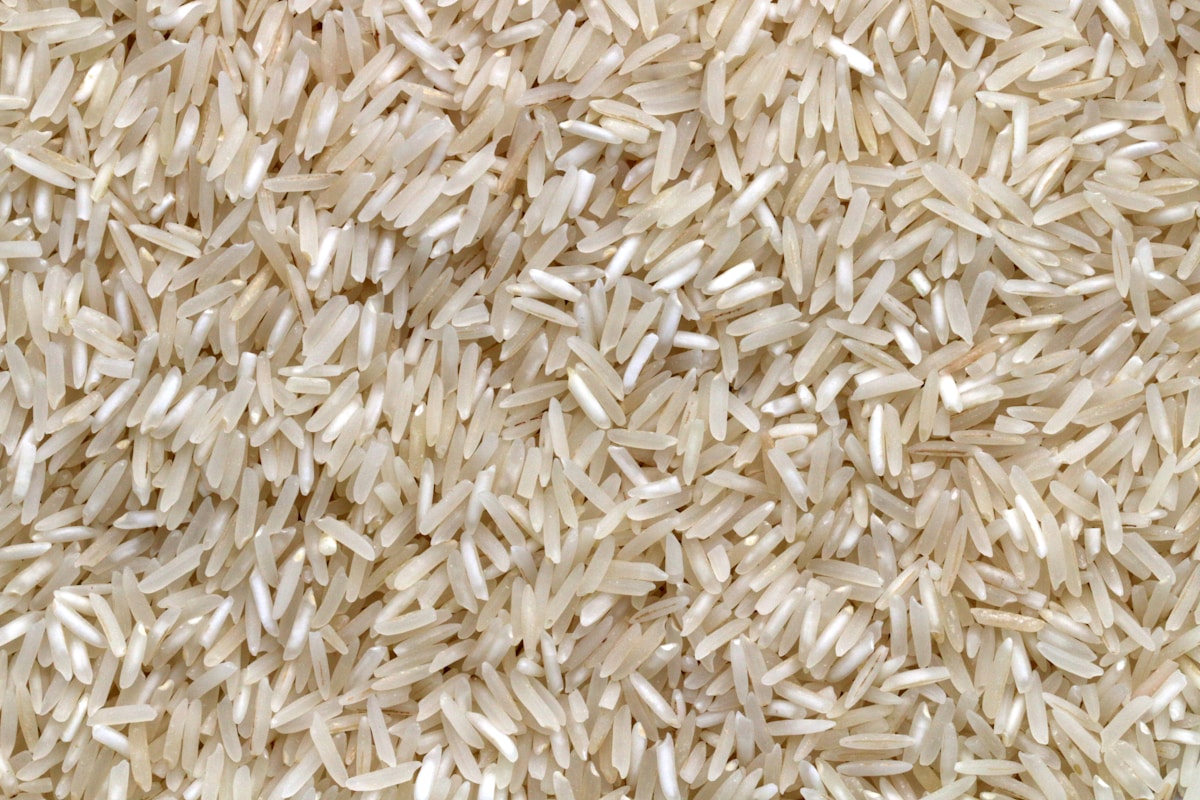
Makgeolli is a cloudy Korean alcoholic drink made by fermenting grain, water, and nuruk. Rice is common today, but barley, wheat, millet, and other grains have also been used. Suspended solids create the pale, opaque appearance and give the drink body [1].
Calling it rice wine is convenient but incomplete. Unlike grape wine, grain fermentation needs enzymes to free sugars from starch. Nuruk supplies the microbial community that performs saccharification and fermentation.
Nuruk and the Korean Fermentation System
Nuruk is a grain-based fermentation starter carrying molds, yeasts, and bacteria. Its mixed community differs from the more tightly selected koji used in much modern Japanese sake. Producers shape nuruk, dry it, and use it to convert cooked grain into fermentable material [2][3].
The starter gives makgeolli regional and producer-specific character. Grain, microbes, water, temperature, and timing can change acidity, sweetness, aroma, and alcohol.
Farm Drink, Ritual Drink, Household Drink
Makgeolli is often called farmers' alcohol because it accompanied agricultural labor and rural life, but that label is only one layer. Korean households brewed grain drinks for rituals, hospitality, seasonal events, and ordinary consumption. Different grades and clarity levels served different contexts [4].
The cloudy drink's lower prestige beside clear refined alcohol reflected class and market distinctions, not inferior historical importance.
How the 20th Century Changed Makgeolli
Colonial taxation and licensing restricted household brewing. War, grain shortages, rice-use rules, and industrial policy later pushed producers toward wheat or imported ingredients and standardized methods. Sweeteners and pasteurization helped bottled makgeolli travel, while also changing flavor [1].
The modern category is therefore partly a regulatory creation. What consumers recognize as makgeolli was shaped by state control as well as inherited technique.
The Craft Revival
Contemporary brewers have returned attention to regional rice, handmade nuruk, unpasteurized products, and longer fermentation. Bars now present makgeolli with tasting language once reserved for wine and sake.
Revival does not mean a perfect return to the past. It is a new market built from historical tools. The most useful story holds both together: makgeolli is an old Korean grain-fermentation family and a modern craft category still negotiating regulation, shelf life, and identity.
Historical Timeline
Households and institutions brew diverse grain alcohols using nuruk starters
Rice-drink culture develops through household manuals, ritual use, and local grain economies
Colonial taxation, war, rice restrictions, and industrial regulation reshape production
Small breweries and bars revive regional nuruk and premium makgeolli
Evidence Explorer
Review the Source Trail
Inspect the article sources, scoped review credits, and copyable citation details without leaving the page.
Reviewed for Stated Scope
Sources Listed
Comments
Community comments are coming soon. Check back later to join the discussion!