💡 Key Takeaways
- Koji is grain cultivated with selected Aspergillus molds, not a finished condiment.
- Its enzymes unlock starch and protein for sake, miso, soy sauce, amazake, and other foods.
- Specialist seed-koji producers helped standardize and transmit the culture.
- Modern chefs expanded its uses, but koji is an old fermentation infrastructure.
What Is Koji?
Koji is cooked grain or soy deliberately cultivated with useful Aspergillus molds, especially Aspergillus oryzae. The mold grows across the substrate and produces enzymes that break starch into sugars and proteins into smaller flavorful compounds [1][2].
Koji is therefore fermentation infrastructure. It prepares raw material for other microbes and processes. Miso, sake, soy sauce, shio koji, and amazake use that enzymatic power in different ways.
From Molded Grain to Specialized Culture
East Asian fermenters developed molded-grain starters over long periods. In Japan, methods became specialized enough for makers to sell tane-koji, the spores used to inoculate new batches. Medieval trade in seed koji separated culture production from brewing and paste making [3].
That division of labor increased reliability. A brewery no longer had to depend entirely on accidental environmental growth; it could purchase a maintained culture from a specialist.
How Koji Works
The maker steams rice, barley, or soybeans, cools them, inoculates spores, and manages warmth, moisture, and airflow. The growing mold generates heat, so workers mix and spread the substrate to keep it within a useful range [2].
Enzymes do the invisible work. Amylases release sugars from starch; proteases release amino acids from protein. Those products feed yeast or build savory depth in long-aged foods.
Koji Across Miso, Sake, and Soy Sauce
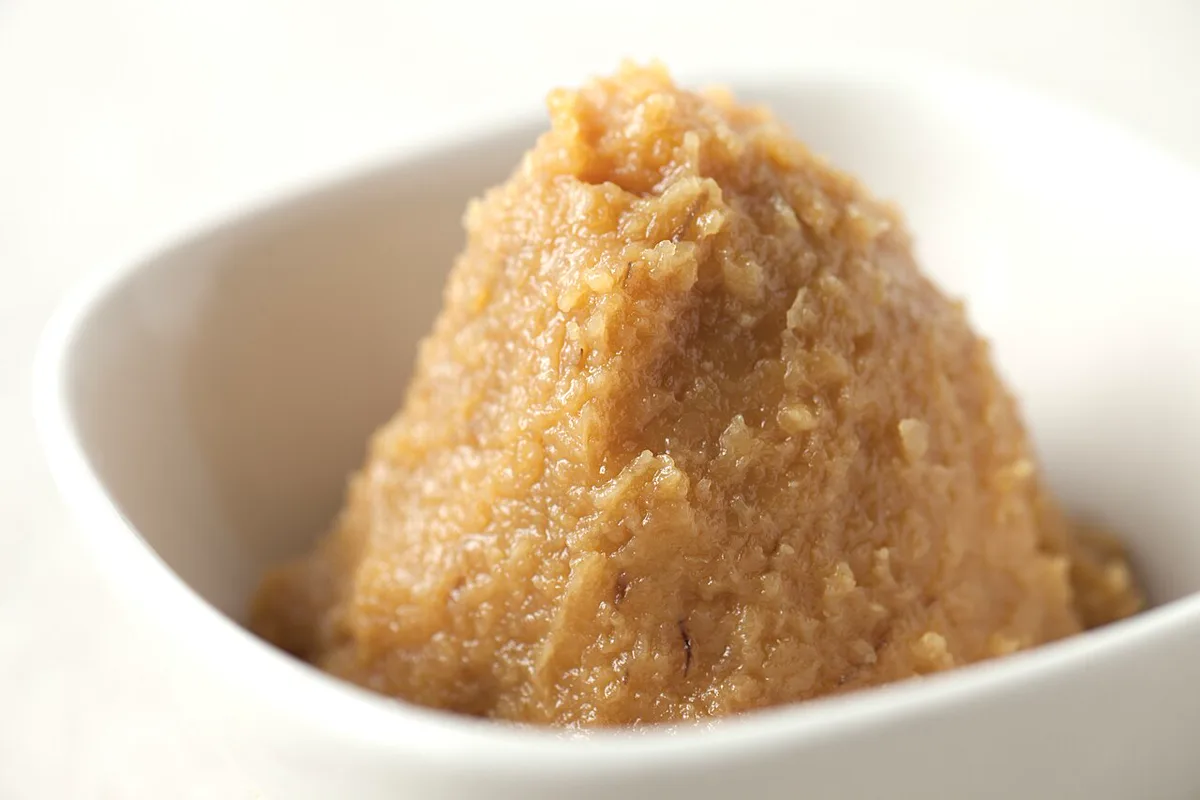
In sake, koji supplies sugar while yeast produces alcohol. In amazake, enzymatic conversion creates sweetness. In miso, koji helps transform beans and grain during salty aging. In soy sauce, it participates in a mash later fermented by bacteria and yeast.
These foods share a tool, not one recipe. Koji links them into a technical family while salt, substrate, microbes, time, and desired outcome keep them distinct.
Why Chefs Rediscovered Koji
Contemporary chefs use koji to tenderize meat, season vegetables, create amino sauces, and ferment nontraditional grains. Books and workshops made the culture more accessible outside Japan [4].
Calling koji a chef secret can erase the specialists who maintained it for centuries. The modern expansion is exciting precisely because it builds on a mature Japanese microbial technology, now recognized as part of living cultural heritage.
Historical Timeline
Molded grain starters develop as tools for fermenting grain and soy
Specialist tane-koji production and trade support breweries and fermenters
Microbiology identifies and selects key Aspergillus strains
UNESCO recognizes traditional sake-making knowledge and skills using koji mold
Evidence Explorer
Review the Source Trail
Inspect the article sources, scoped review credits, and copyable citation details without leaving the page.
Reviewed for Stated Scope
Sources Listed
Comments
Community comments are coming soon. Check back later to join the discussion!